Directing
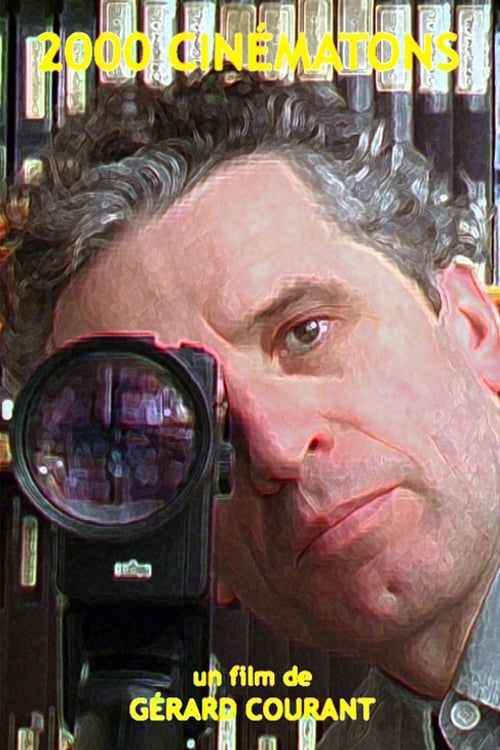
A film about an ongoing cinematic adventure that began in 1978: a vast anthology of personality portraits called Cinématons, dealing with people in the arts. Historical, ethnological, sociological and psychological, this anthology is a living record of the artistic community of the last 20th century which attempts to answer these questions: Why film everyone? Why choose cultural personalities? How do the subjects look at their image? How much exhibitionism and narcissism is involved in being filmed?
Reel 24 of Gérard Courant’s on-going Cinematon series.
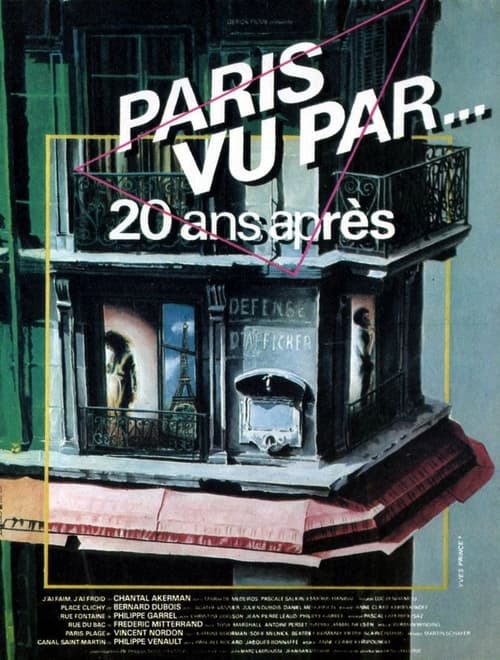
Film comprised of six vignettes each illustrating one aspect of life in the French capital, each set in a different area of the city.
No description available.
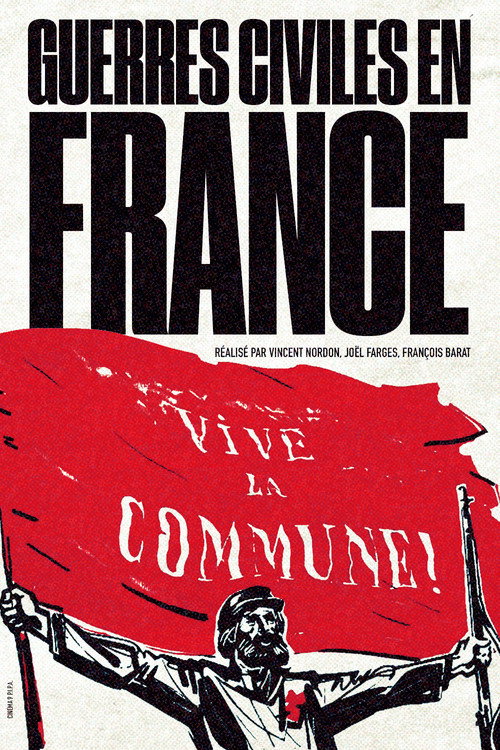
Three episodes from the history of socialism: Babeuf, whose virulent discourse is a radical assessment of the bourgeois revolution of 1789 (Vincent Nordon episode); the legend of Napoleon I, or the formation of the state as it still dominates today (François Barat episode); and the carnage of the Paris Commune, which official history strives to repress and forget (Joël Farges episode). What does it mean to make a historical film today? It means illuminating the present in the light of the past, and therefore adopting the new modes of modern storytelling to challenge what dominates us, structures us, and oppresses us.
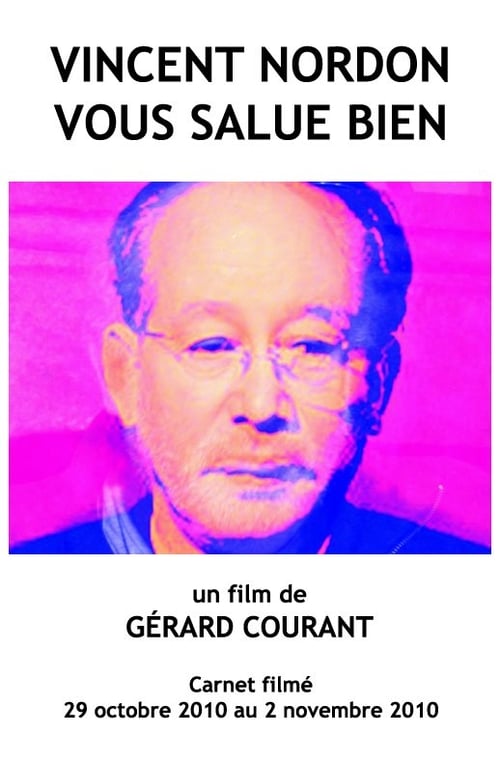
City of his childhood, Dijon and his friends are the heart of this Carnet Filmé.
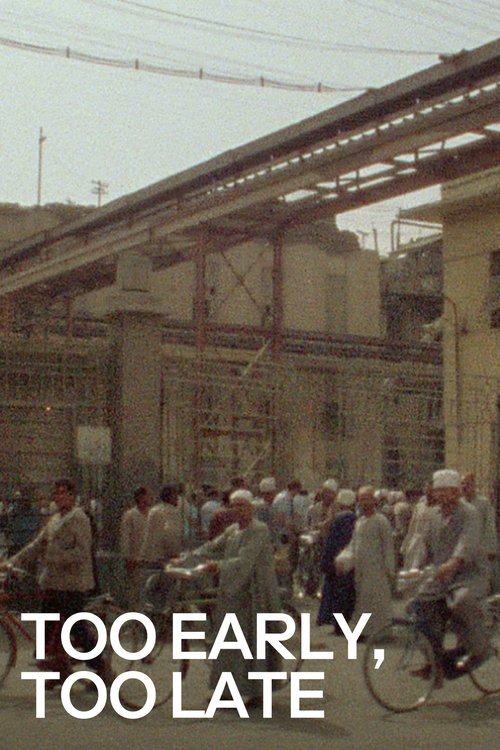
Inspired by a letter by Friedrich Engels and a 1974 account of two militant Marxist writers who had been imprisoned by the Nasser regime, Straub-Huillet filmed this film in France and Egypt during 1980. They reflect on Egypt’s history of peasant struggle and liberation from Western colonization, and link it to class tensions in France shortly before the Revolution of 1789, quoting texts by Engels as well as the pioneering nonfiction film Workers Leaving the Lumière Factory (1895).