Writing
German screenwriter. Active 1911-1930.
Gerhard Lamprecht sketches a cross-section of Germany's new post-war society, with its winners, social climbers, and losers, represented by the social microcosm of an apartment building. The gossip-mad Frau Mierig from the rear building gives the newly-arrived Frau Kaminski, the janitor's wife, a lively initiation into the tenants and their peculiarities.
No description available.
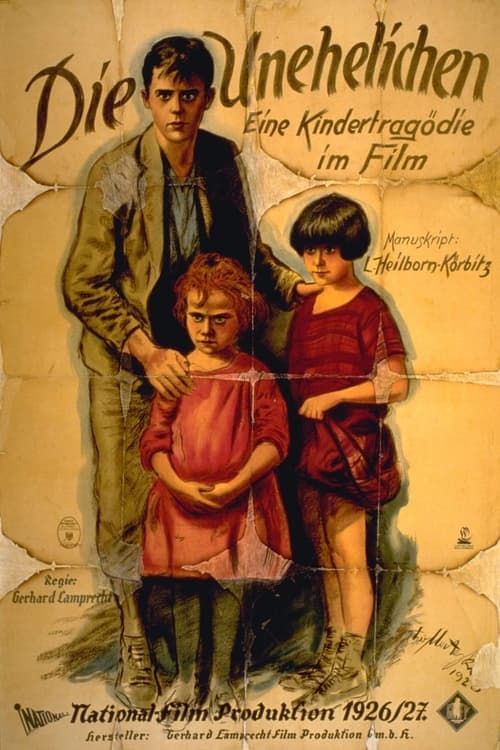
If watching a fellow facing indifference/rejection in the slums of Berlin didn't convey enough pathos, Gerhard Lamprecht gathered much of the same crew from Die Verrufenen and turned his attention to the city's population of unwanted children for the heart-tugging Die Unehelichen, released the following year. The trio of foster children at the center of Die Verrufenen are survivors who use their own resourcefulness to get by when the kids' guardians and the system itself let them down.
Four-generation story-saga dealing with the decline of a middle-class Lübeck family. The first adaptation of a Thomas Mann book was also Gerhard Lamprecht’s first major film.
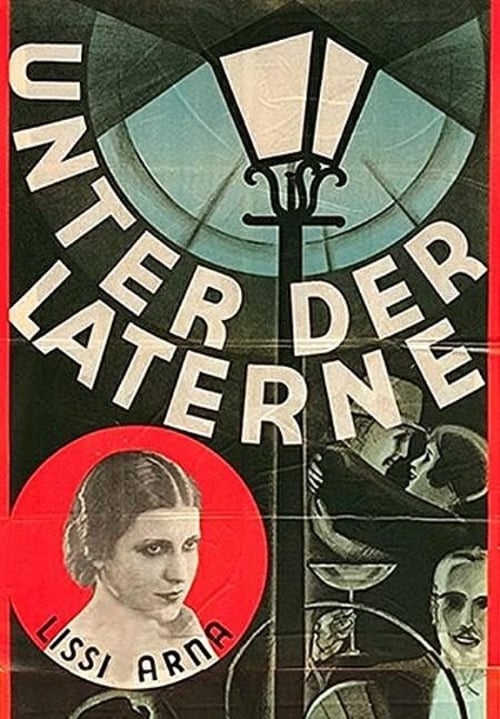
Else Riedel (Lissy Arna), locked out by her authoritarian father, seeks refuge with her boyfriend Hans. Complications threaten when Hans's roommate Max falls in love with her, but the situation is resolved: the three remain friends, and decide to form a music hall act. They want to ascend, but how? A way out beckons when a theatrical agent named Nevin enters Else’s life. He is played by Hubert von Meyerinck as a slick and oily villain, who oozes refinement; his experience behind bars is waved away with a silk scarf. He is cunning to the point of perfidiousness, but is not completely unsympathetic. He also embodies a new type - the scrounger.
Silent epic on the final years of Frederick II.
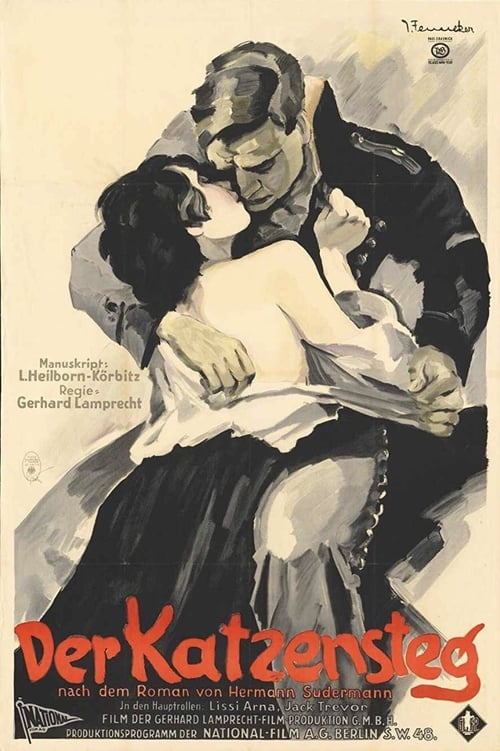
In 1807 Prussia, Napoleon supporter Baron von Schranden forces his maid Regine to lead the French enemy across “Cat’s Bridge”, up behind a corps of Prussian volunteers who the French then decimate. In retaliation for this betrayal, the people of Schranden set the lord’s castle on fire. When the baron’s son Boleslav returns to the village a Prussian war hero in 1813, he is faced with a self-righteous village community that has denied his late father a decent burial. Regine is Boleslav’s only ally, and Boleslav is Regine’s only ally. The conflict escalates, and the villagers set up an ambush for him at Cat’s Bridge …
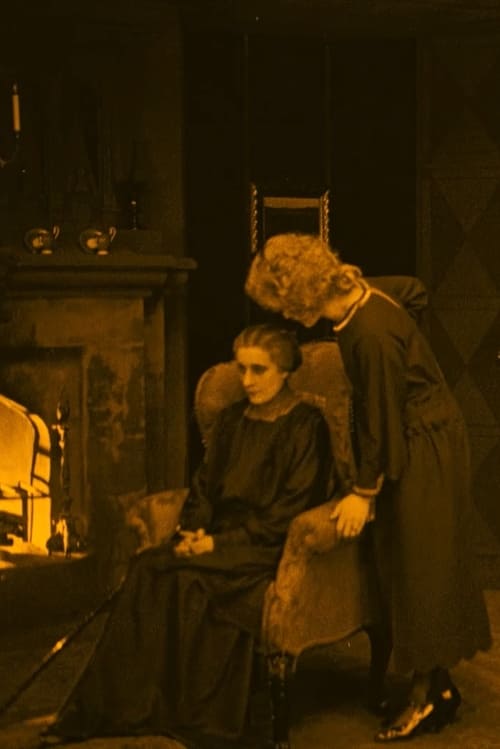
Orphan Enid White becomes the ward of a cruel man. She gets close to her guardian's wife and also to his son, who secretly comes to visit when his father is not around. One evening Enid is whipped by the patriarch, and hours later he is found dead. An investigation follows.
It was not just the children who were treated badly by the wealthy Weimar republic. Robert Kramer is released from prison but struggles to adjust to civilian life. His father disowns him, his wife has left him for another man. There is no work. He eventually arrives in a shelter for the homeless, and seeks salvation through Emma, a prostitute.
An unknown guest checks into an obscure hotel. He is a burly but well-dressed gentleman carrying an umbrella and a tree frog in a glass. This man spends most of his time wandering the hallways and staircases of the inn, ostensibly to hunt for flies to feed his pet. But quite obviously, there is more to it than that: the man also listens at doors and peeks through their keyholes.