Santiago Bertolino
Directing
Biography
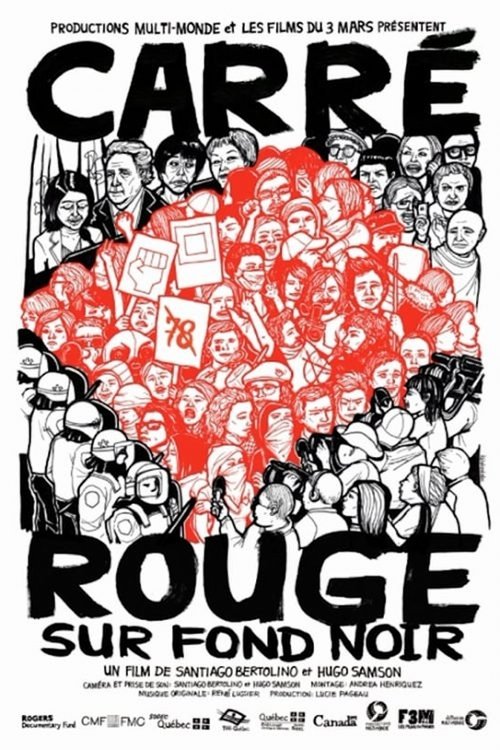
Santiago Bertolino is an independent director-screenwriter and web video journalist whose latest work is Freelancer on the Front Lines, an NFB-produced feature documentary. After graduating from Brébeuf College in 1998 with a diploma in creative arts, literature and languages, and a focus on cinema, Santiago Bertolino learned the craft of filmmaking mostly on the job while taking technical courses over several years. A strong believer in documentaries that question the mass media and the images they produce, he soon began to take on political projects in which he could share his vision of the state of the world. His first films—Les illusions du libre-échange, co-directed with Sylvain Bédard (2001), and La crise du café (2002) and Nuevo Horizonte (2005), two shorts about Guatemala and co-ops—are good examples. Although Bertolino is a global citizen, he has a keen interest in how Quebec society is evolving, as seen in several of his web projects: Actualité citoyenne (2006–2009) and Trucs et astuces de la vidéo citoyenne (2008), available on the NFB site under the Parole citoyenne program, or the De prison en prison vlog (2010) co-directed with Steve Patry, a series of shorts about ex-convicts re-entering society. In 2013, Bertolino teamed up with Hugo Samson to direct Red Square on a Blackboard, a vibrant documentary on the “maple spring,” the student demos of 2012 supporting free tuition in Quebec. The film won two Gémeaux awards in 2014 (best social documentary and best documentary script). His interest in the conflicts in the Middle East, and especially the Israeli-Palestinian conflict, led him to make several shorts in the region: La marche pour la libération de Gaza ou le tourbillon égyptien and Seules, les pierres n’arrêteront pas l’occupation, co-directed with Steve Patry. In 2013–2014, he co-wrote the documentary feature Pipelines, Power and Democracy with the film’s director, Olivier D. Asselin. The film looks at political and citizen engagement on environmental issues related to the development and exports of oil from the Alberta oil sands.
Known For
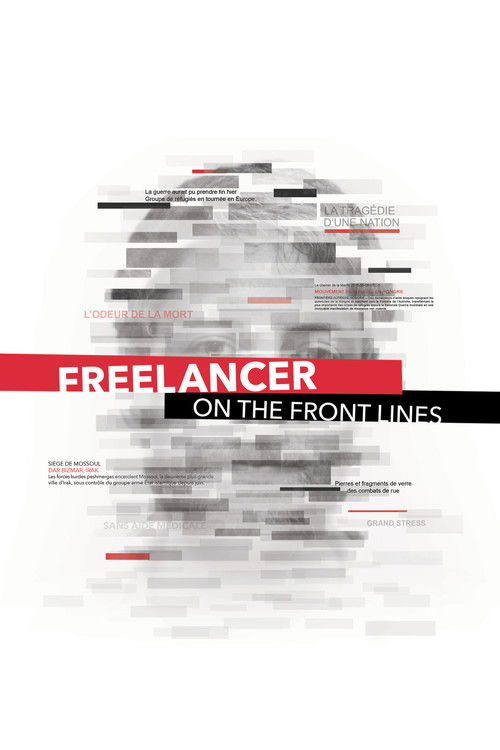
This fast-paced documentary follows Canadian freelance reporter Jesse Rosenfeld’s journey across the Middle East. Having made the region the focus of his work, he shows us the thorny geopolitical realities on the ground and explores how journalism practices have changed in the age of the Internet. From Egypt to Turkey and Iraq by way of Israel and Palestine, filmmaker Santiago Bertolino captures the ups and downs of a new kind of journalism in action.
Freelancer on the Front Lines
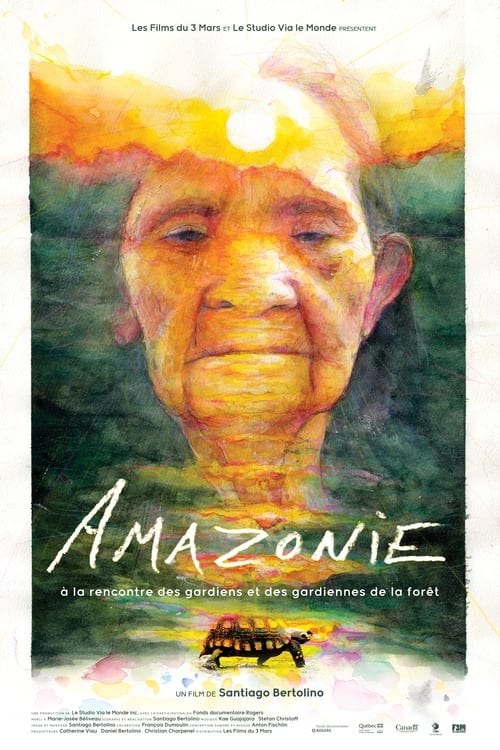
With a hybrid style blending political essay and road movie, this documentary by Santiago Bertolino takes us into the heart of the Amazonian reality. Following Marie-Josée Béliveau, an ecologist and ethnogeographer, they journey together along the 4000 km from the mouth of the Amazon River in Brazil to one of its sources in Ecuador where they meet with the guardians of the forest. As a result, we witness powerful and spontaneous testimonies from local communities who are doing everything to preserve what remains of their lands, which are disappearing due to the inexorable advance of Western modernity.
Amazonia, an Encounter with the Guardians of the Rainforest
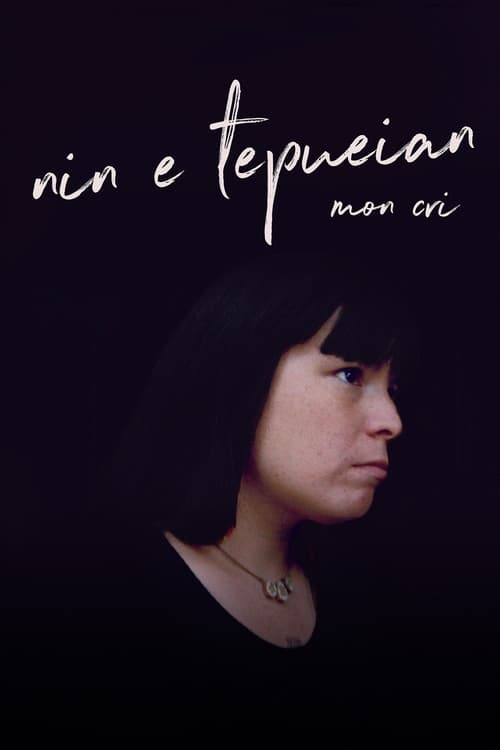
NIN E TEPUEIAN - MY CRY is a documentary tracks the journey of Innu poet, actress and activist, Natasha Kanapé Fontaine, at a pivotal time in her career as a committed artist. Santiago Bertolino's camera follows a young Innu poet over the course of a year. A voice rises, inspiration builds; another star finds its place amongst the constellation of contemporary Indigenous literature. A voice of prominent magnitude illuminates the road towards healing and renewal: Natasha Kanapé Fontaine.
Nin E Tepueian: My Cry
No description available.
Carré rouge sur fond noir
In the face of the environmental threat presented by the polluting tar sands industry, Pipelines, Power and Democracy reminds us that power doesn't always lie where we think it does. From the hallways of Quebec's National Assembly, where parliamentary power resides, to the campaigns waged by environmental defence groups and the big media splashes made by some activists, director Olivier D. Asselin follows the journeys of four people who adopt a variety of tactics--showing that it still possible to effect change. In documenting recent battles against pipelines in Quebec, the film appeals to our conscience as citizens during a time of great global crises.