Ronald Chase
Directing
Biography
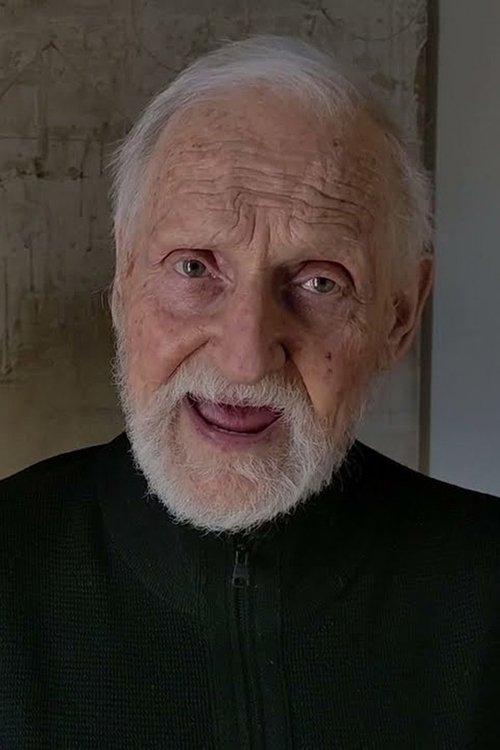
Ronald Chase (born December 29, 1934) is an American artist, photographer, educator, independent film maker and opera designer. In 1963, Chase began making short experimental films with Fragments, written by Mary Lee Settle and filmed in the Hudson Valley. In 1964, he began experimenting with using film projections in theatre and dance performances. These experiments produced the films The Covenant, Chameleon and Clown, as well as Parade, a short documentary of the first Gay & Lesbian Pride Parade in San Francisco. Chase produced and directed two features in the 1970s. Bruges-La-Morte premiered at the 1978 Rotterdam Film Festival and was awarded the Critics Prize at the International Film Festival Ghent in 1980. LULU, adapted from the play by Frank Wedekind, screened at a number of festivals and was chosen as one of the three best films of 1978 by Pariscope, but could not be released because of a copyright conflict with the estate of Alban Berg. In 1993, Chase created the San Francisco Art & Film Program for Teenagers, a non-profit devoted to making the arts accessible to young people. SF Art & Film has been cited as one of the most comprehensive art education programs in the United States.
Known For

Twelve years ago, a plague swept through, wiping out most of the population; in San Francisco, only 186 people remain. Two of them use jury-rigged batteries to power a camera and make a documentary. We see a variety of approaches to survival, from the artist and engineer who trade for their needs, to the surfers and woodsmen who fish and hunt, to the scavengers, and a communal farm. We also see how the community deals with those who threaten it, and how the youth are growing up with different values from those who knew our world.
Ever Since the World Ended

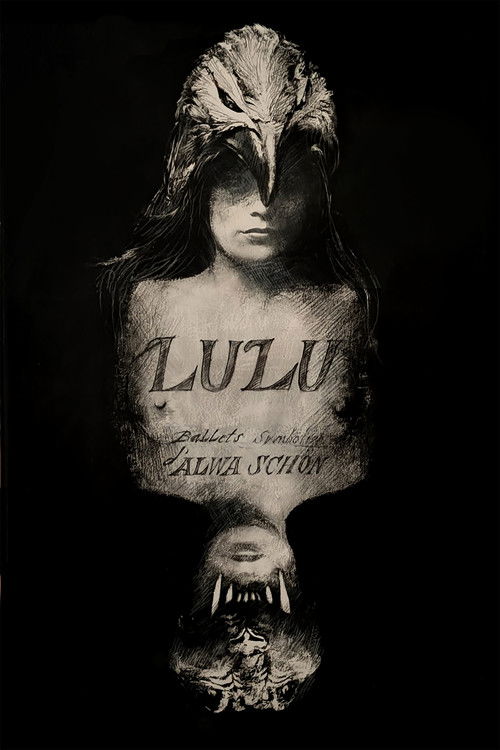
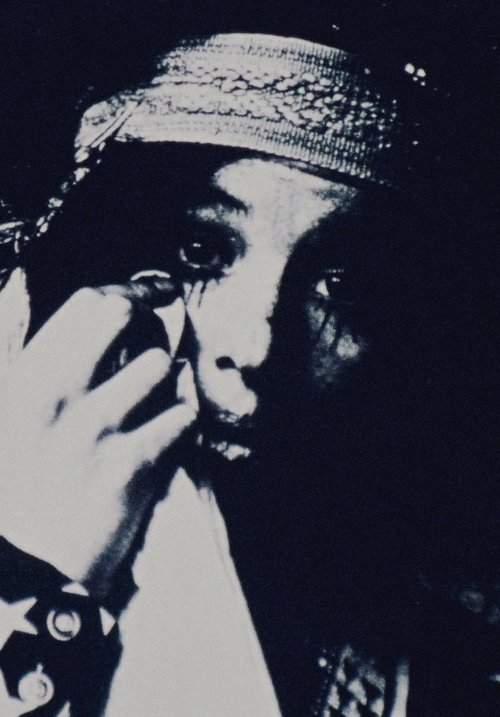
This highly stylized, critically acclaimed film from the 70's mixes silent film cards, a soundscape, color, opera music and atmosphere to explore the Freudian truths about men's fear of women that Wedekind powerfully exposed. A kinetic melodrama of the rise of a femme-fatale and her fate at the hands of Jack-the-Ripper. Rethinking Pabst's silent film and Alban Berg's opera.
Lulu

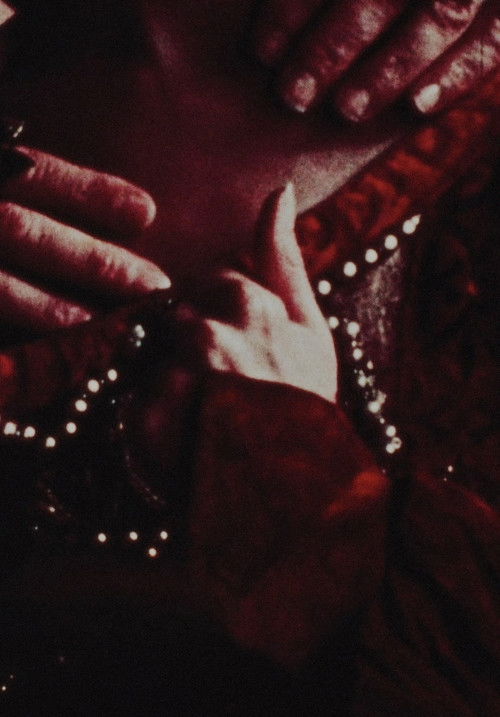
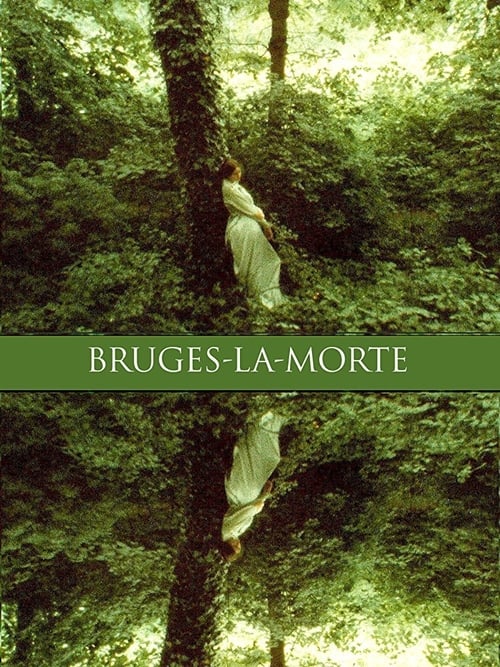
The story of Paul who one day meets a young dancer who is the double of the dead wife he worships. Their meeting triggers a nightmare that takes him on a midnight journey through dark canals, memories, to a theater performance in a graveyard where he learns darker truths. Filmed on location in historic Bruges.
Bruges-La-Morte

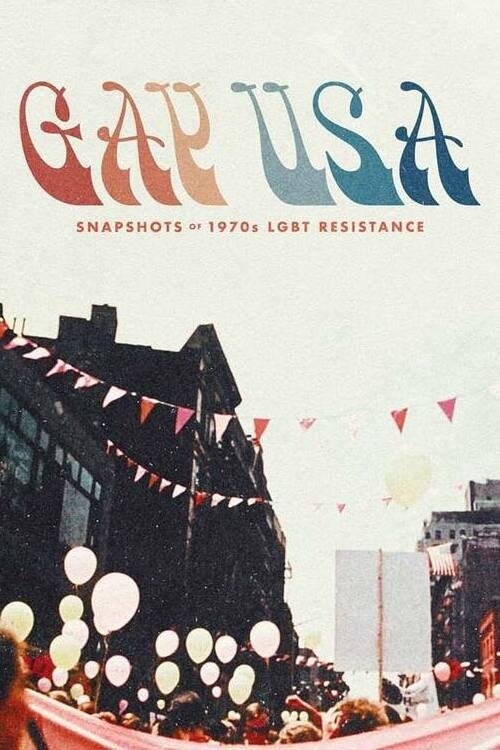
Stepping out of the sixties and in the wake of the Stonewall Riots, (considered the birth of the modern LGBTQIA+ liberation movement), the 1970s would prove to be a decade energized by queer activism, political and social change and pride. Celebrating such a vitally important legacy, this collection of gay protest and parade films is an essential multifaceted document of a period of revolution and jubilation.
Gay USA: Snapshots of 1970s LGBT Resistance

In 2003 Chase had been directing his SF Film Workshop since 1998. He suggested that his students that year edit their own version of Beatrice using the original footage from the film. The results became ON A PAINTING BY CARAVAGGIO (2003).
Beatrice Cenci (On a Painting by Carravaggio)

Dance film of work by choreographer Elizabeth Harris with original score by Pauline Oliveros. The score is for prepared piano and was performed live during the filming. Harris was a frequent collaborator with Oliveros at the Tape Music Center in San Francisco.
The Covenant

A young man (Jean Yves Pitoun) keeps awakening from a nightmare in which he kills a young child (Kim Beeson).
Chameleon

A true story, fillmed in Rome with both actors & non actors. in the 1500's Roman life was often a nightmare - Count Cenci tortured his family, raped his daughter, murdered his sons, created general havoc. Beatrice got her revenge, before she lost her head. A hectic, hysterical nightmare built of intercutting, movement & emotion.
Beatrice Cenci

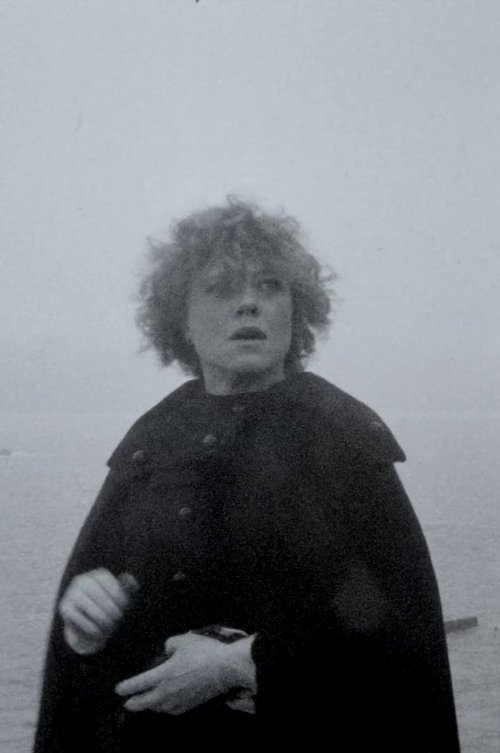
A woman remembers the love affairs with an artist and a fisherman that led her husband to suicide.
Fragments

A film by students of the Film Workshop of San Francisco Art & Film, under the direction of Ronald Chase. A boy tries to comfort a woman who has just been dumped, but balks when he learns about the circumstances of the relationship.
Jezebel

A woman remembers the moments with her lover and believes she's made herself ridiculous. She's become a clown.
Clown

The beauty and wonder of our natural environment gives cause for a celebration. The viewer joins a group of youngsters discovering and enjoying everything about trees and forests. It is a reminder of the people-nature activities that can be enjoyed. Suitable for middle and upper primary levels.
Celebration of Life: Trees

Doomed lovers visit a country fair, spend a long afternoon in the forest before they drown themselves in the river. FIlm thought lost for 30 years, as been restored with new sound.
A Village Romeo

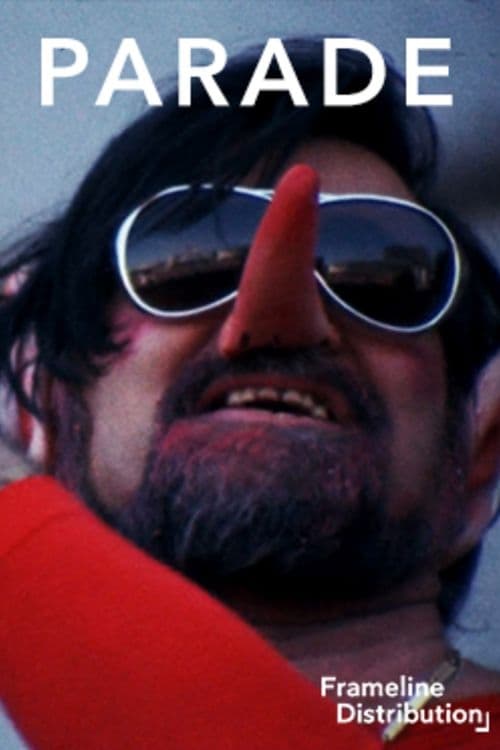
A short film on the first Gay Pride March in San Francisco in 1971 the year after the Stonewall Riots. This film was lost for 50 years before it was found and restored by SF Art & Film.
Parade

It is one of the earliest of the gay films after Stonewall, and one that refused to see touch, affection, and sensuality only in pornographic terms. The films final scenes use footage filmed in the St. Chapel, Paris, and connect the sensual with the spiritual. The patterns of movement and the inter-cutting align the film to dance.
Cathedral

Filmed in a remote location at Land's End, San Francisco. The film is constructed around a formal central idea. The scenes are constructed to suggest a number of popular European directors of the period, but these styles morph into a free-for-all of film genres. A quasi-personal voice over dovetails with minimum dialogue scenes. The film winds up being something of an essay, illustrating the major life choices and laid-back values of the hippie-era . The brief appearance of members of the Cockettes (the reigning company of drag queen camp at the time) and a cast happy to discard their clothes when asked adds to the general mayhem.
Scene One: Take One

1972 Documentary about a yearly event in San Francisco. What makes San Francisco different? In the 70's you could invite your friends to Christmas Breakfast and make a musical. Everyone pitches in-artists, models, society ladies, gays, straights, lawyers, bohemians, international types--all the colorful crew that makes the city so memorable.
San Francisco Christmas Breakfast

Sally Simpson played to a song rendered by Bette Midler (one of the cast) behind the proscenium curtain. Filmed in San Francisco in collaborated with a friend, Wilfred Satty, who had gained a reputation for illustrations of rock posters. Satty was one of San Francisco's most colorful personalities, a German artist who lived near Bay street, and would throw extravagant parties in the basement of his studio. He died prematurely, cracking his head when he fell off a ladder in his studio. His memorial was held in the rotunda of the Palace of Fine Arts and attended by over 400 mourners.
Sally Simpson

A fantasy on the childhood of a highly gifted pianist/composer who visited Italy & Germany on a concert tour when he was 10. The film serves as a homage to mothers who tirelessly support their talented childrens endeavors.