FEEL IT.STREAM
Moraes Moreira

Moraes Moreira

Acting

Biography

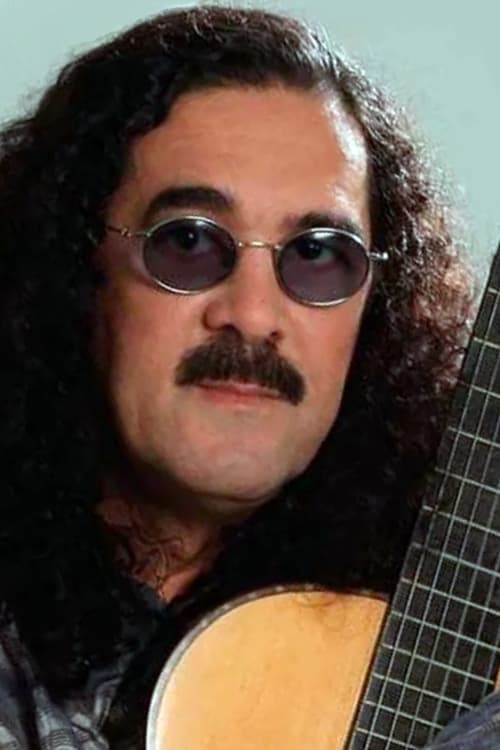
Antônio Carlos Moreira Pires (July 8, 1947 – April 13, 2020), better known as Moraes Moreira, was a Brazilian musician and songwriter. During the 1970s he played guitar and sang in the band Novos Baianos, after which he embarked on a solo career recording 29 albums. Moreira was involved in recording 40 full-length albums with Novos Baianos and Trio Elétrico Dodô e Osmar, and two more albums with guitarist Pepeu Gomes. Moreira was one of the most versatile composers of Brazil, mixing the genres of rock, samba, choro, frevo, baião, and classical. Moreira began playing the accordion in festivals at São João and other events in Ituaçu, Brazil such as "Portal da Chapada Diamantina". In his youth he learned to play the classical guitar while taking a science class in Caculé, Bahia, Brazil. He moved to Salvador and there met Tom Zé, and was also introduced to rock music. On meeting Baby Consuelo, Pepeu Gomes, Paulinho Boca de Cantor, and Luiz Galvão, they formed the band Novos Baianos, and were active from 1969 until 1975. Together with Pepeu Gomes, he composed almost all of the songs of the group. The album Acabou Chorare, released by the band in 1972, has been ranked by Rolling Stone Brasil as the greatest Brazilian music album of all time. Moraes began his solo career in 1975, and has since then recorded more than 20 albums. In his solo career, he was the lead singer in the trio Trio de Dodô e Osmar, and recorded many popular songs associated with Brazilian Carnival, in what was conventionally called "frevo trieletrizado". Some of the hits during this part of his career include, "Pombo Correio", "Vassourinha Elétrica", and "Bloco do Prazer". During the 1980s he distanced himself from the Bahian Carnival due to increasing commercialization from tourism. In 1994 he recorded "Brasil Tem Concerto" which was influenced by classical music, and in the following year appeared in the MTV Brasil special Moraes Moreira Acústico MTV which was later released as a CD and DVD. In 1997, he recorded the album 50 Carnavais which commemorated his 50th birthday and 50 carnivals. Two years later, he recorded 500 Sambas (in honor of the discovery of Brazil 500 years before) which focused on samba music. In 2000, he released Bahião com H, playing baião with characteristic Bahian rhythms. In 2003, with the release of Meu Nome é Brasil (2003), he completed his Brazil's themed trilogy, which, also, included Lá Vem o Brasil Descendo a Ladeira (1979) and O Brasil tem Concerto (1994). In 2005, he independently released the album De Repente, which mixed hip hop with Northeastern Brazilian influences and included his characteristic classical guitar swing rhythms. He published the book, A história dos Novos Baianos e outros versos (The History of the Novos Baianos and other verses), in which he told the history of the group in a chapbook and interesting aspects of his solo career. The book resulted in a Brazilian tour of the same name where he played his major hits and recited passages from the book. In 2009, it was released as a DVD and CD. In 2012, he recorded the album A Revolta dos Ritmos, a compilation of 12 of his unedited recordings. Moreira died on April 13, 2020, at age 72 from a heart attack. Source: Article "Moraes Moreira" from Wikipedia in English, licensed under CC-BY-SA 3.0.

Known For

Champs-Elysées
6.8

No description available.

Champs-Elysées

1982
The Trapalhões
8.0

Os Trapalhões was a Brazilian comedy group and also a Brazilian television series created by Wilton Franco. Its members were Dedé Santana, Zacarias, Mussum and their leader Didi Mocó, that was played by Renato Aragão. The name Trapalhões is derived from the Portuguese verb atrapalhar, which means the opposite of helping, to do something the wrong way or to Those that confuse. The name is translated "Tramps" in English DVD subtitles. It was aired by Rede Globo from 1977 to 1999. On March 18, 1990, Zacarias died due to respiratory failure, but the group and the series didn't come to an end until July 29, 1994, when Mussum died due to an unsuccessful heart transplant.

The Trapalhões

1977
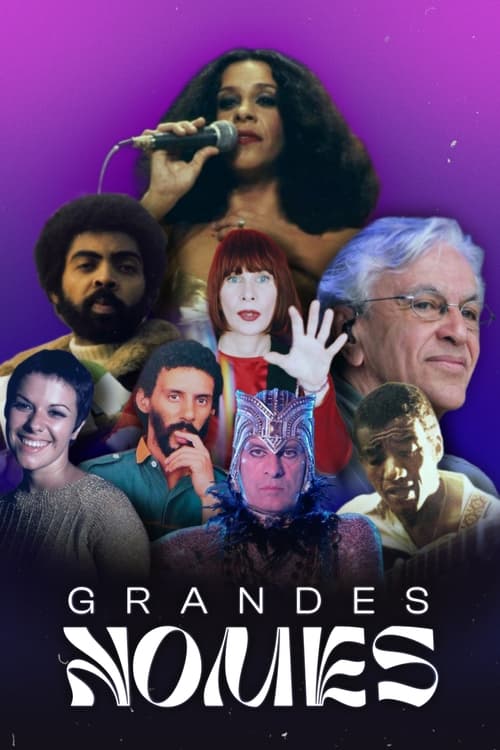
Grandes Nomes
N/A

No description available.

Grandes Nomes

1980
Bahia de Todos os Sambas
8.0

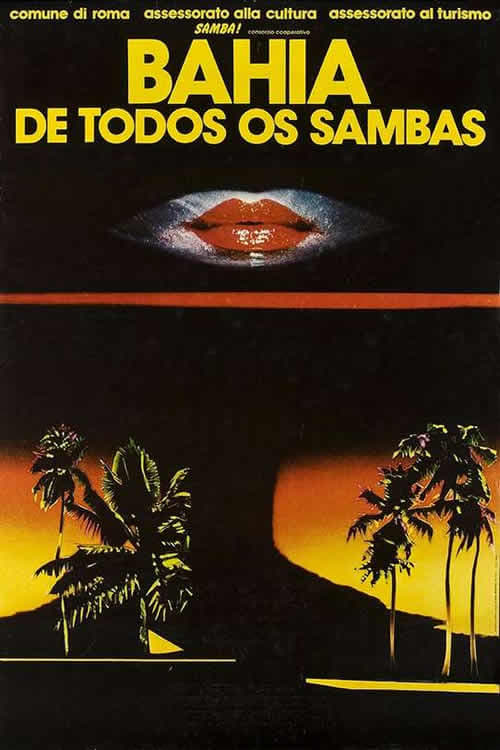
Between August 23 and 31, 1983, at the "Circo Massimo", in Rome, there was a musical event that brought together artists from Bahia. This film brings a recording of the event, also featuring backstage, rehearsals, testimonies and some relaxing moments of these great names in Bahia's music.

Bahia de Todos os Sambas

1996
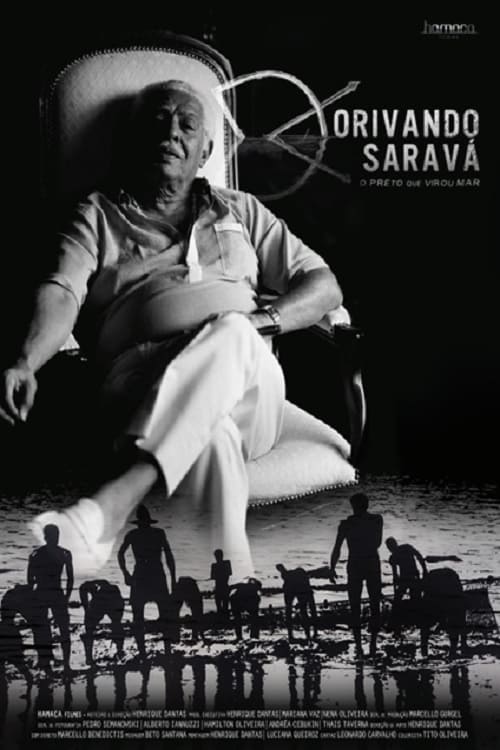
Dorivando Saravá, o Preto Que Virou Mar
10.0

Singer, composer, actor and painter, Dorival Caymmi was a multiple artist, but what they may not know is his pioneering work in introducing candomblé into Brazilian popular music. Recreating in a poetic way concepts present in Caymmi's work and life, the documentary revelation of the artist from his own lines, mined in old magazines.

Dorivando Saravá, o Preto Que Virou Mar

2019
Dunas do Barato
5.5

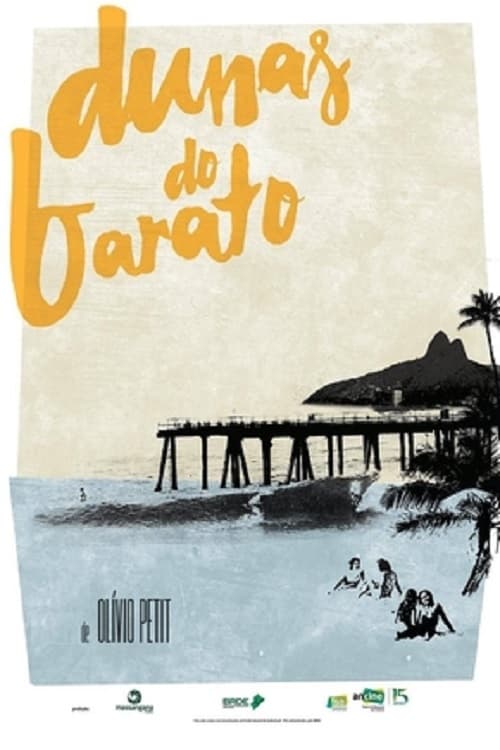
A rescue of the history of Ipanema beach in the 1970s, when the construction of a pier changed the landscape and created fertile soil for a generation of artists and sportsmen.

Dunas do Barato

2017
No image
9.0

No description available.

Novos Baianos F.C.

1973
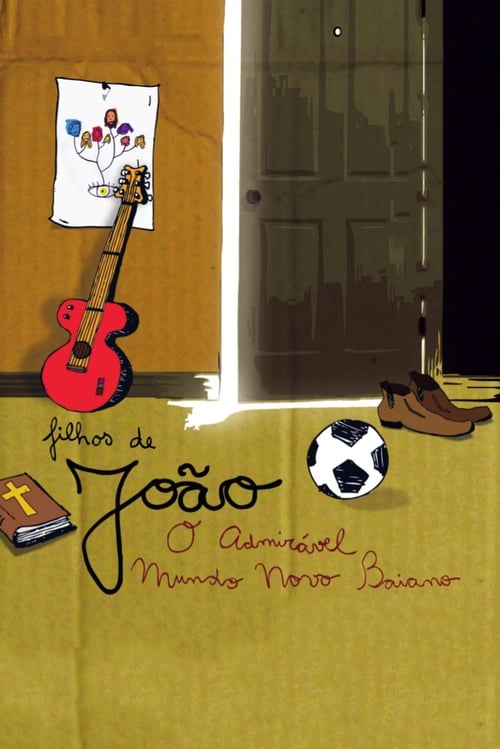
Filhos de João, O Admirável Mundo Novo Baiano
8.5

A panorama of Brazilian popular music from the 60s and 70s through the musical group Novos Baianos. A retrospective of the community lifestyle adopted by its members and the influence inherited from singer João Gilberto.

Filhos de João, O Admirável Mundo Novo Baiano

2011
Lendas Brasileiras
10.0

No description available.

Lendas Brasileiras

2008
Marisa Monte: Barulhinho Bom - Uma Viagem Musical
8.0

No description available.

Marisa Monte: Barulhinho Bom - Uma Viagem Musical

1997
No image
N/A

No description available.

Vinicius para Criança: A Arca de Noé

1980
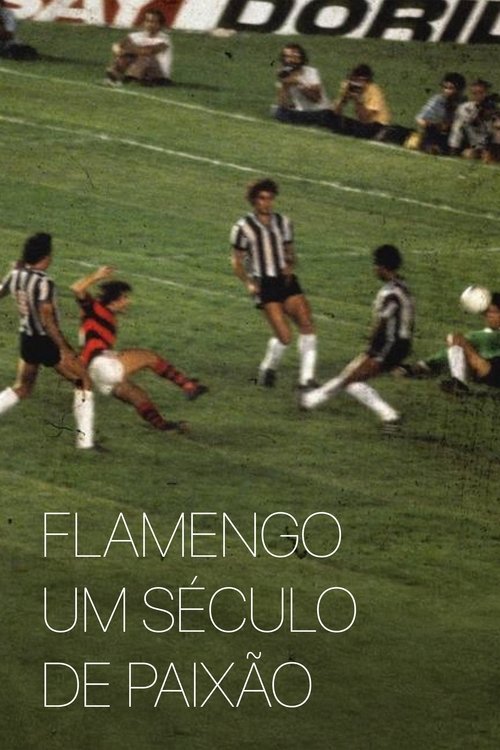
Flamengo: A Century of Passion
N/A

When Brazilian multi-sport club completed its 100th anniversary, this documentary narrated its story by interviewing some of its most important sportsmen ever, in football, basketball, rowing.

Flamengo: A Century of Passion

1995
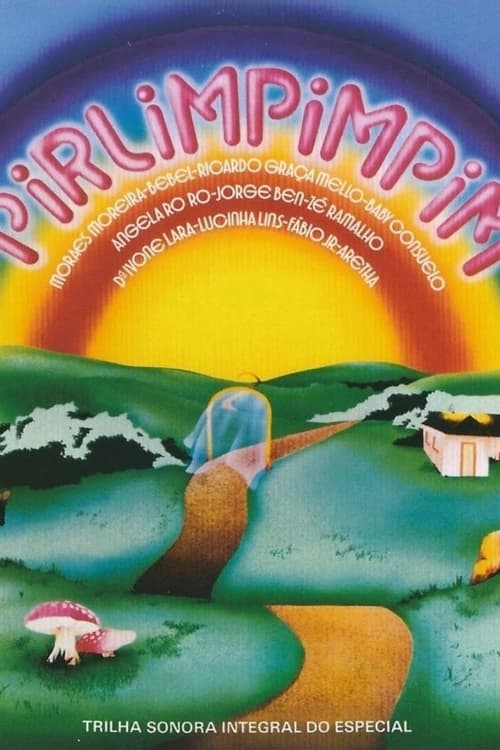
Pirlimpimpim
7.0

Brazilian TV movie featuring the characters of the beloved literaly classic "Sítio do Picapau Amarelo"

Pirlimpimpim

1982
Meteorango Kid, Intergalactic Hero
6.3

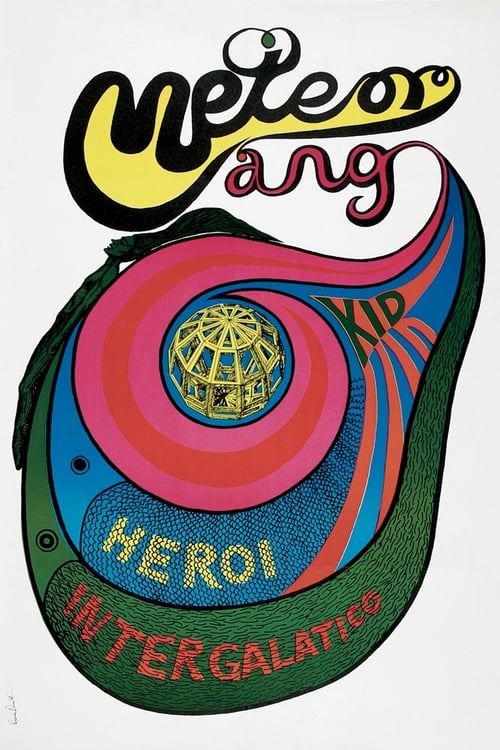
In Bahia, in the late '60s, the alienated college student Lula spends his time protesting in the university, but without political orientation, wandering on the streets, smoking grass, trying to be an actor and having sex. Meanwhile, a common young man stalks women on the streets trying to have intercourse with them.

Meteorango Kid, Intergalactic Hero

1969
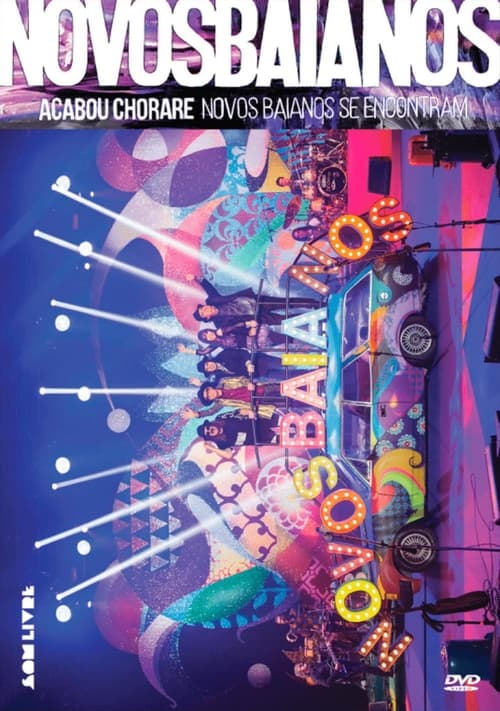
Acabou Chorare Novos Baianos se Encontram
8.0

No description available.

Acabou Chorare Novos Baianos se Encontram

2017
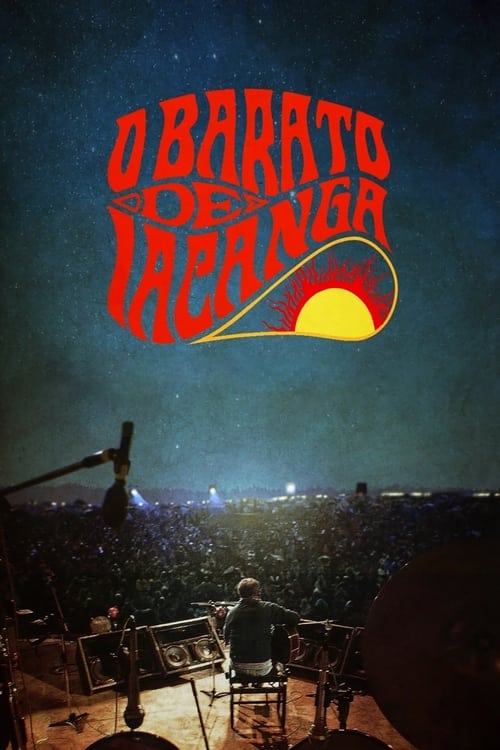
O Barato de Iacanga
7.8

Participants recall a series of festivals held on a farm in Brazil during the '70s and '80s that evolved into liberating celebrations of music.

O Barato de Iacanga

2019
No image
8.0

No description available.

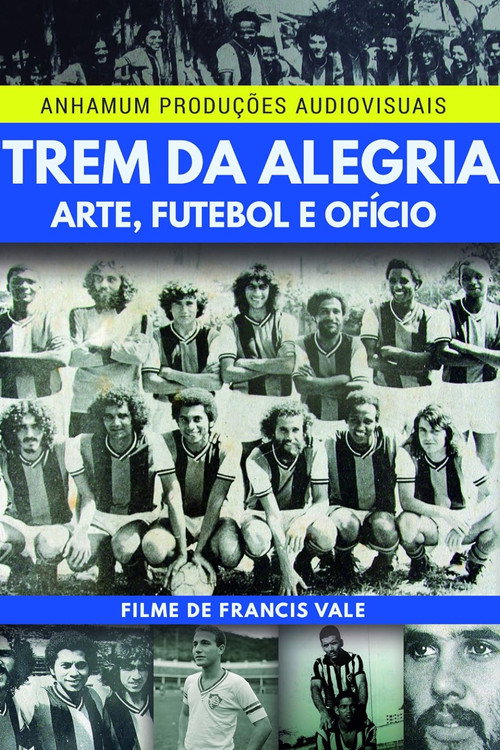
Trem da Alegria - Arte, Futebol e Ofício

2016
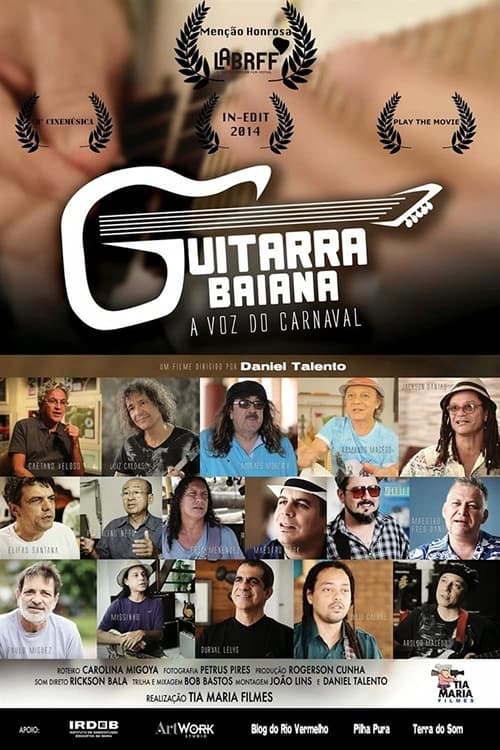
Guitarra Baiana - A Voz do Carnaval
N/A

No description available.

Guitarra Baiana - A Voz do Carnaval

2016
Novos Baianos: Programa Ensaio
N/A

Television performance.

Novos Baianos: Programa Ensaio

1973
Beard, Hair & Stache
N/A

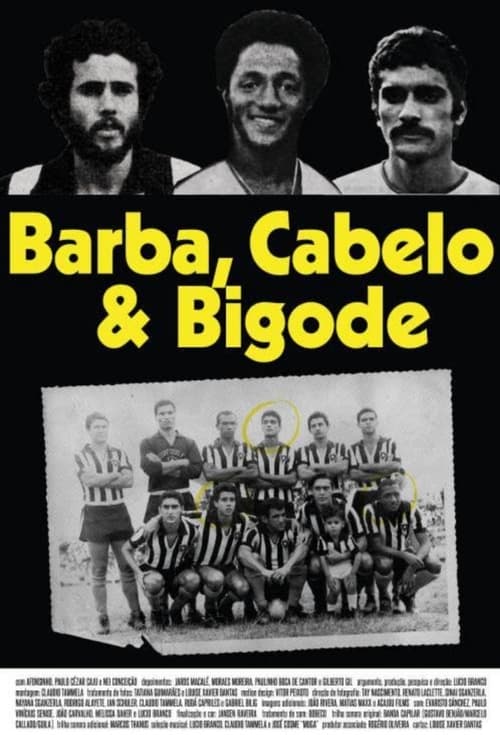
Afonsinho, Paulo Cézar Caju and Nei Conceição started their careers in the mid-1960s, a time of strong political repression in Brazil. Originally teammates of a celebrated generation of the Botafogo football team superstars, they did not give up their freedom when the military dictatorship decided to take control of the field.

Beard, Hair & Stache

2016