Directing
No description available.
It is another rainy day in Pyongyang and the long boulevards of utilitarian buildings have taken on a misty shade of grey. School children do daily exercises before saluting a portrait of Kim Jong-un and adults don lapel pins depicting their leader before a day’s work at the farm or factory. Tracing a form of cultural uniformity that is unfamiliar to many in the West, this is a portrait of life behind the world’s last iron curtain.
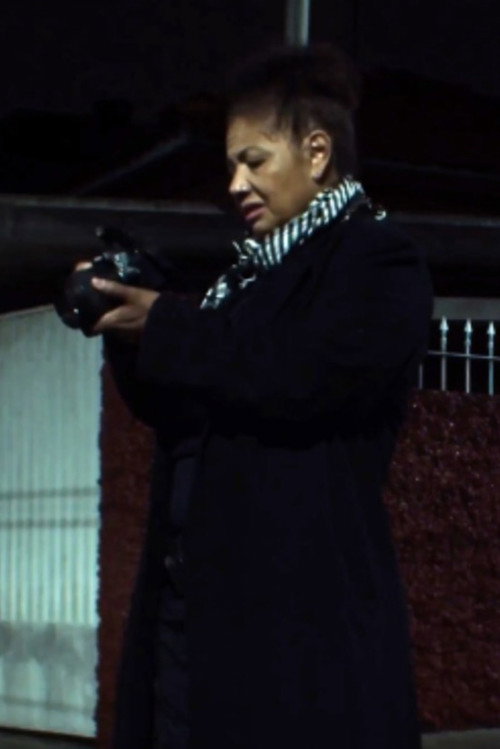
“Salmo 23” follows Fátima, a crime scene photographer for the São Paulo Scientific Police during a night shift through the streets of the largest city in Latin America.
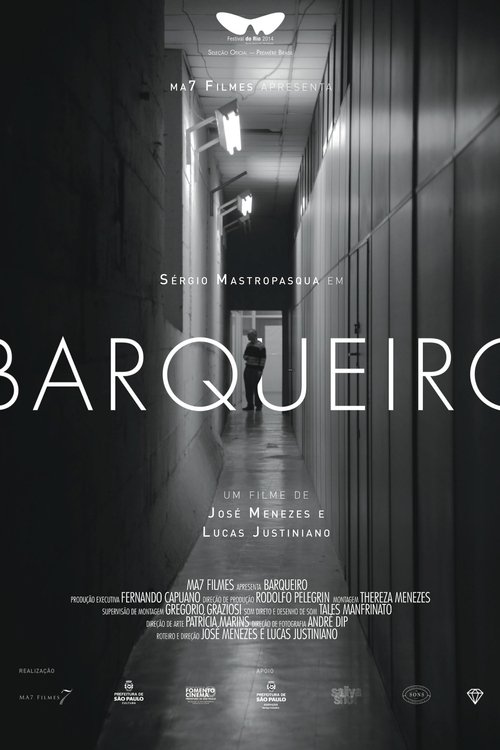
São Paulo, Brazil. One of the most heavily populated cities on the planet. Here, 500 people die every 48 hours. Sérgio, driver for the São Paulo Municipal Funeral Service, has worked the job for twenty years and is on the verge of retirement. He specializes in the pick ups no other drivers feel comfortable accepting, mainly removing children. On a winter night, Sérgio waits alone for his first pick up.
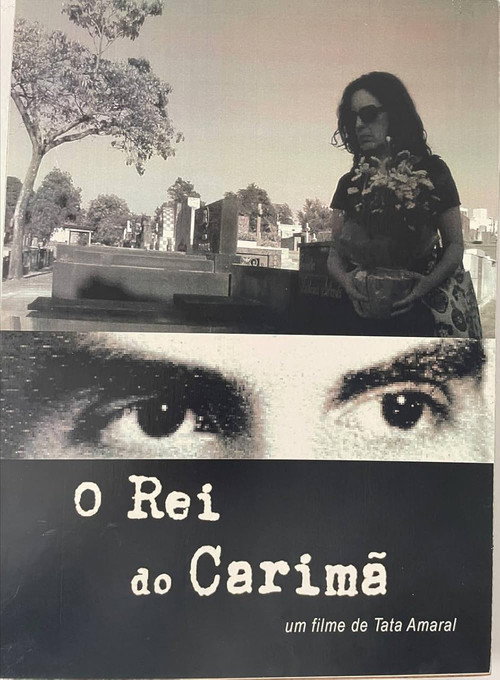
On the day of her mother's wake, filmmaker Tata Amaral's uncle tells her a surprising story: in his youth, her father, Joaquim, had been a wealthy man but ran into an unexplained problem and was forced to flee to Mato Grosso. The filmmaker sets out to explore this past—spanning the 1940s and 1950s—and uncovers a family secret. Beyond the technical revelations of the criminal case, there is a journey of emotional self-discovery that begins at her mother's wake and concludes at her father's grave. Through her camera, she seeks to clear Joaquim's name.