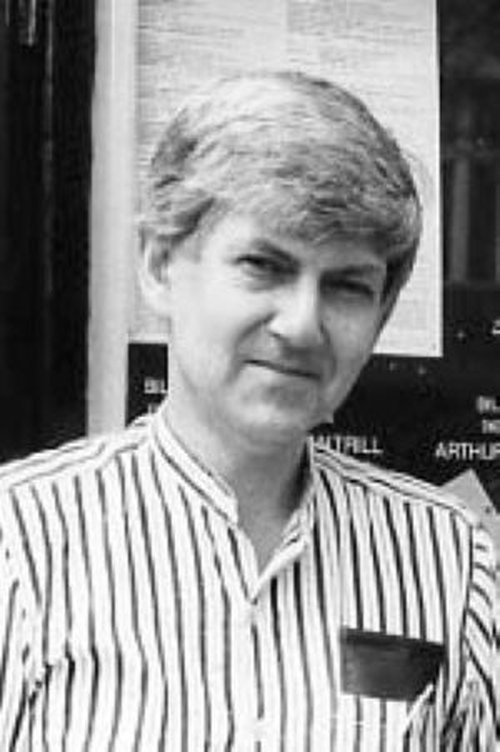
Arthur Cantrill
Directing
Known For
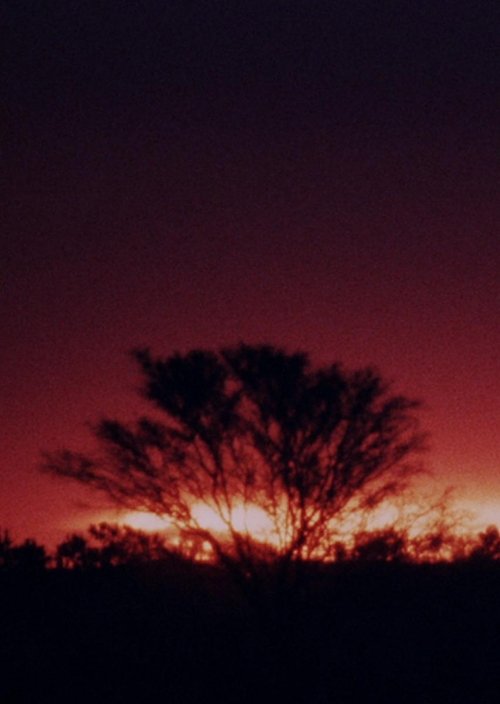
As the camera moves gently from afar into the very heart of the monolith, the magic of the holiest site of the Aborigines unfolds in shimmering nuances of light. Shot at different times of day, the close-up and panorama shots of this more than 500-million-year-old stone formation combine silence and acoustically altered birdsong to convey a feeling of timelessness into which a sense of loss is also inscribed. The somnambulistic moonrise in the great sky seems almost like an abstract painting and yet it is real. The areas of discolouration in the film material caused by problems in the developing process were deliberately left in the film as a metaphor for the looming threat to this natural environment through bushfires and tourism.
The Second Journey (To Uluru)
No description available.
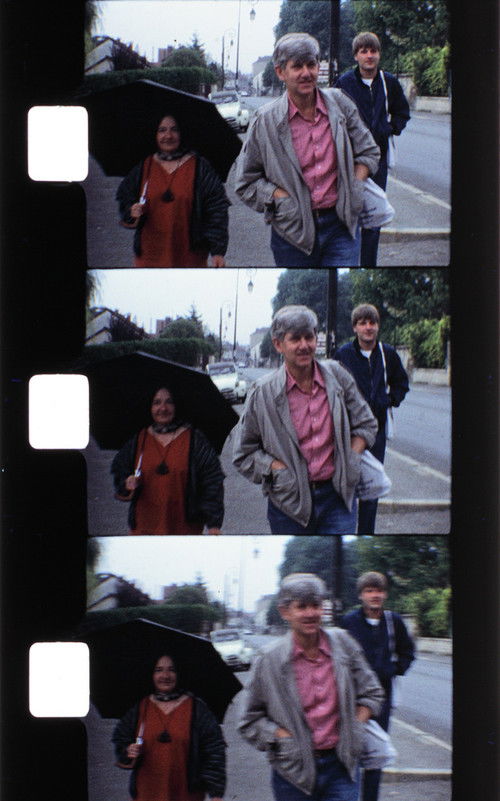
Une journée avec les Cantrill
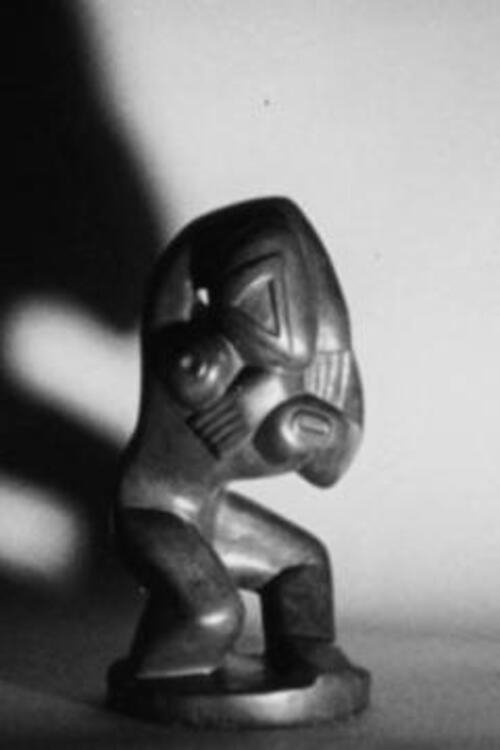
"On several occasions we were impressed by the apparent vitality of some spools with arbitrary discards, compared to the laboriously assembled sequences of what is waste. Based on this idea, the cinema is a reel of clips from the Red Stone Dancer scene in Gaudier-Brezska's main film. It was done in an iconoclastic way very quickly, celebrating that we were abandoning the limitations of the documentary form. It was the first of many films in which we recycled previously filmed material and used it for new purposes."
Red Stone Dancer
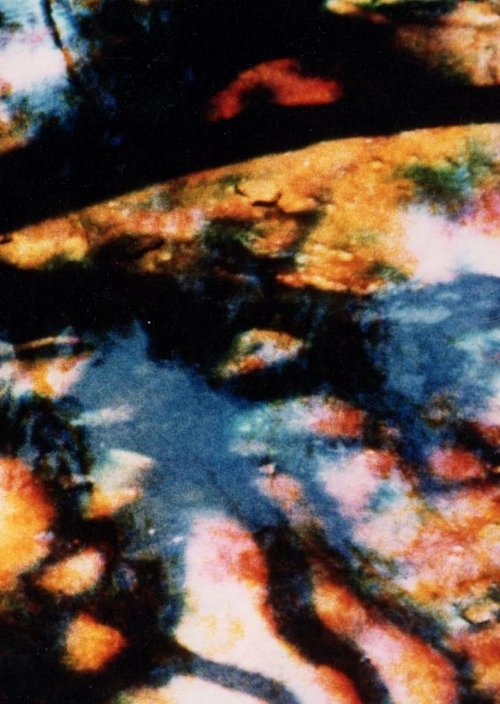
Three-color separation imagery expands the experimental documentation of landscape. Alternating nuances of color conjure up; a formal beauty, which are echoed in birdsong and the buzzing of insects.
Warrah
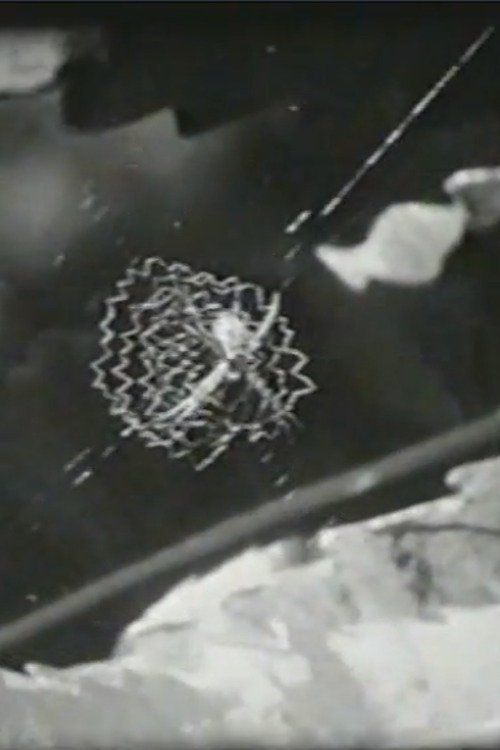
The Native Trees of Stradbroke Island (1964), consisting of four films: Banksia Integrifolia, Casuarina Equisetifolia, Pandanus Pedunculatus and Banksia Serrata (each 6 min, b & w). Music: Nancy Tow. "Born out of our interest in the environment, based on Corinne's training in botany, these were our first essays on landscape. When we refilmed some of this material at Island Fuse in 1971, we were struck by our emphasis on close-ups in this early work, compared to our subsequent landscape films."
The Native Trees of Stradbroke Island
Super8 bi-packed onto 16mm with recurring patterns and combinations of superimpositions. (Arthur Cantrill & Corinne Cantrill)
Capricornia
The footage for this film was shot in London during our research into the Vorticist movement. It is a montage of images from the Vorticist magazine Blast, including Vorticist drawings and texts from the manifestos. A screen made from a collage of photographic enlargements from the magazine was prepared for the screening of this film. The soundtrack evokes the sounds of World War I, which were, in a way, the climax of the Vorticist movement in England. During the Expanded Cinema presentations, excerpts from Blast were read during the film screening. (Arthur Cantrill & Corinne Cantrill)
Blast
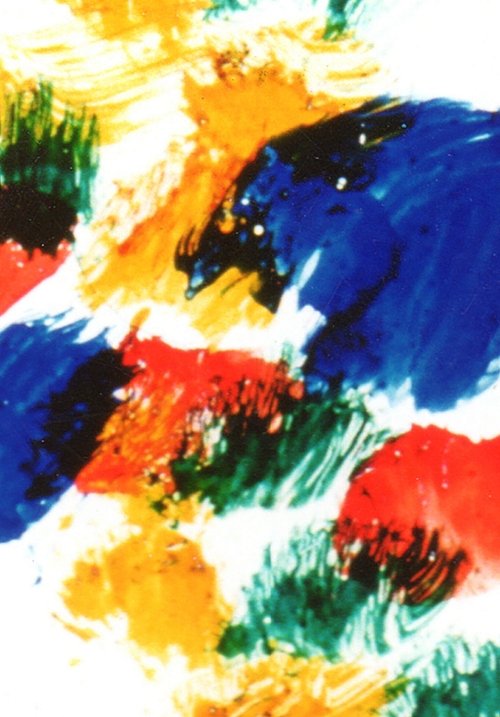
Hand-drawn directly onto 16mm film, this animation is a 'diary' of daily drawing-on-film practice by Ivor Cantrill over a period of 18 months. Drawing style ranges from bold geometric patterns, to a delicate calligraphy.
Rainbow Diary
Located 18 miles west, Katatjuta (The Olgas) is a recurring presence in the background of Uluru. Believed by Aboriginal people to have been inhabited by mythological ancestors, it is a place to be approached with caution. There is a sense of mystery and apprehension at Katatjuta, with the complex domed structures with their own rows of "windows" suggesting an abandoned temple city where, due to its mysterious symmetry, space circulates. The uneasy feeling of having intruded and being watched influenced the filming. (Arthur Cantrill & Corinne Cantrill)
Katatjuta
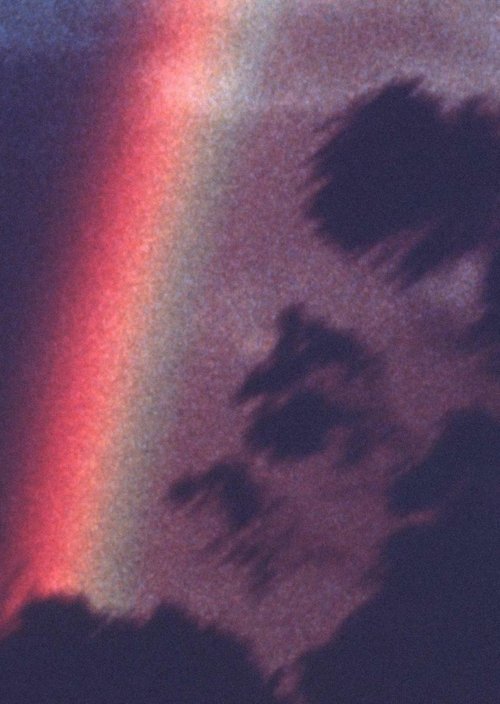
Ayers Rock is examined in the light of its ancient human and animal associations. It is seen under various light effects which create different colour and texture impressions. The timelessness of the monolith is suggested by negative colour, the result of using fine-grain Eastmancolour print stock in the camera, a slow speed material which required the intense Central Australian light for adequate exposure. A half-speed recording of the local bird call and insects contributes to the sense of cross eras. Human perception of time, colour and sound is questioned. As Einstein said: 'The distinction between past, present and future is only an illusion, even if a stubborn one.'
At Uluru
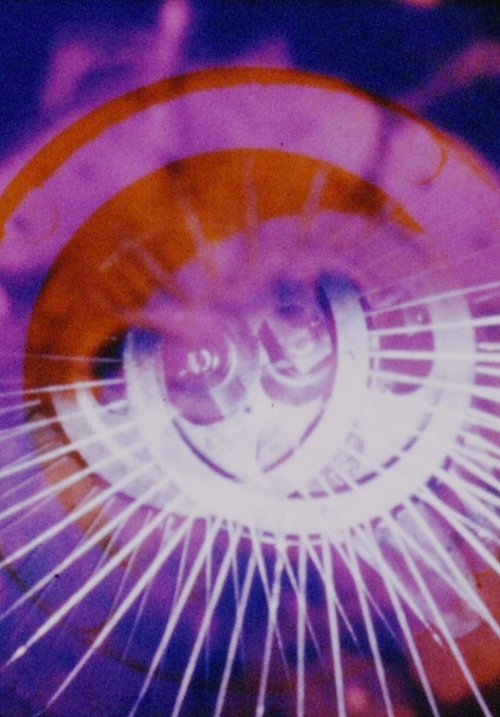
The film Harry Hooton is conceived as a huge energy field combining the energy of light and colour, movement, editing and sound — a dense, vibrating, pulsating work, unrelenting in its thrust; a celebration of Hooton’s definition of art as the communication of emotion to matter.
Harry Hooton
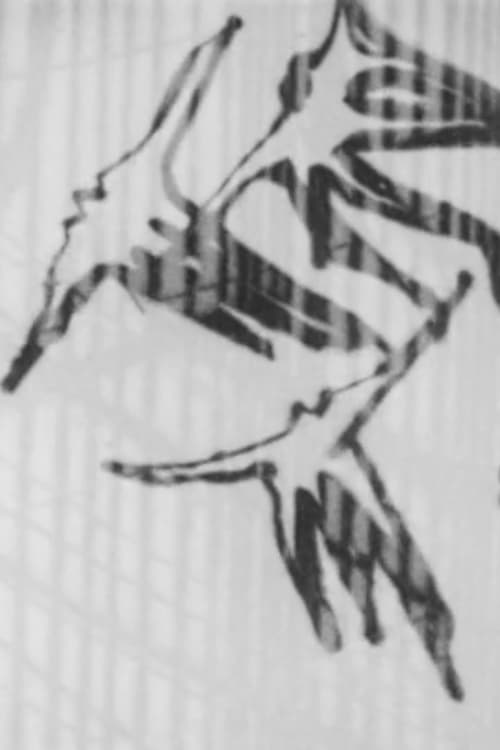
A short animation of Charles Lloyd’s dry points. Sound composition by Arthur Cantrill.
Dream
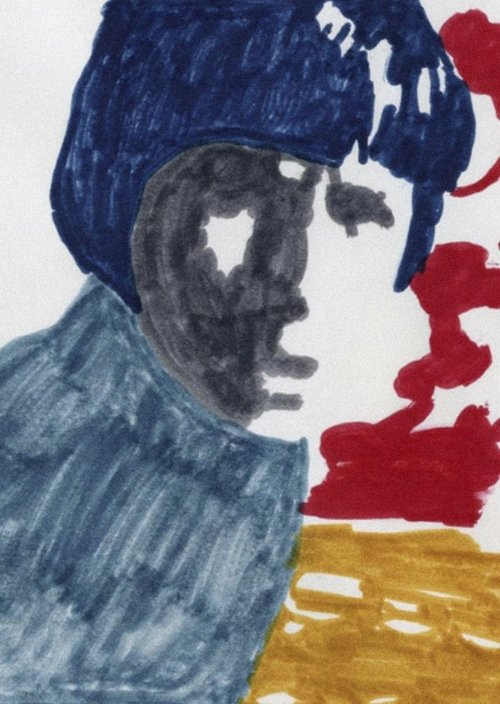
Brightly coloured animated drawings rotoscoped from high contrast black and white negative film of Ivor Cantrill aged 14, are integrated with the original negative and positive images on an optical printer to create patterns of black, white and colour. The film-maker reminisces about being 14 and describes the rotoscoping process. Ivor Cantrill is autistic, and his attention to detail and his preoccupation with repetition are positive aspects of his condition.
Myself When Fourteen
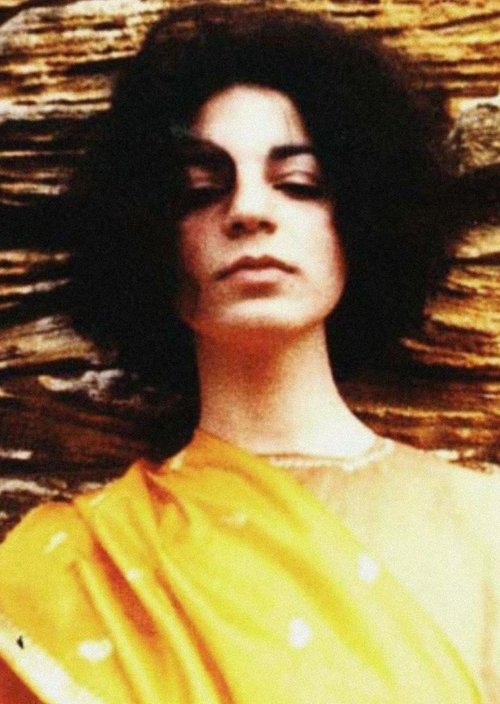
Timeless elements in a roll of film: stillness, movement, woman, girl, road, wind, sun, leaves. A triptych of a girl who reminds us of the face and figures in old icons.
Eikon
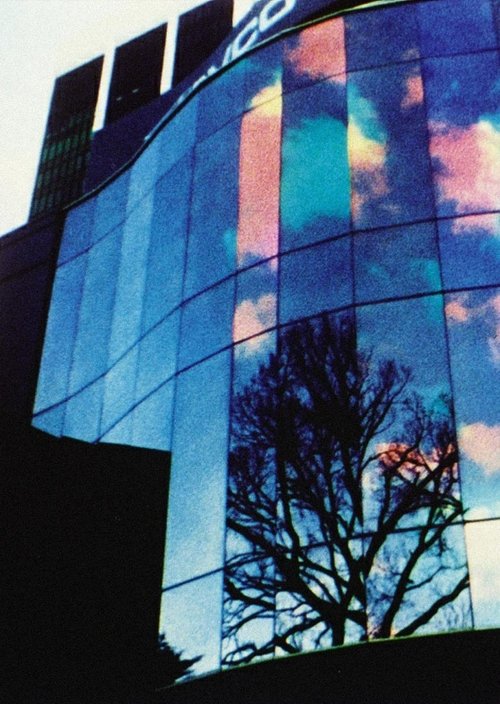
Arthur and Corinne Cantrill are two of Australia's most prominent experimental filmmakers. The Cantrills are well known for their 'colour separation' films. To create these works they shoot a scene three separate times on black and white film stock, using a different colour filter each time. In the lab, they combine these three films onto a single Eastmancolour print. This process creates dramatic transitions in colour that the Cantrills liken to the vibrancy of Technicolor. Though the footage here was shot in the mid-’80s, it was only last year that they edited it into this fifteen-minute movie. Structurally it’s simple enough: just a series of views of various parts of inner Melbourne, from panoramic wide shots to close-ups of the sides of buildings. The soundtrack blends and warps familiar urban noises – cars, buskers, the ringing bells of trams – into a kind of musique concréte.
The City of Chromatic Dissolution
Each screen shows exposure variations in a room with a seated figure, the sunlit bush seen through large windows, its tonality altering with the exposure changes. A stereo track of birdcalls and voices was added in 2010.
Interior/Exterior
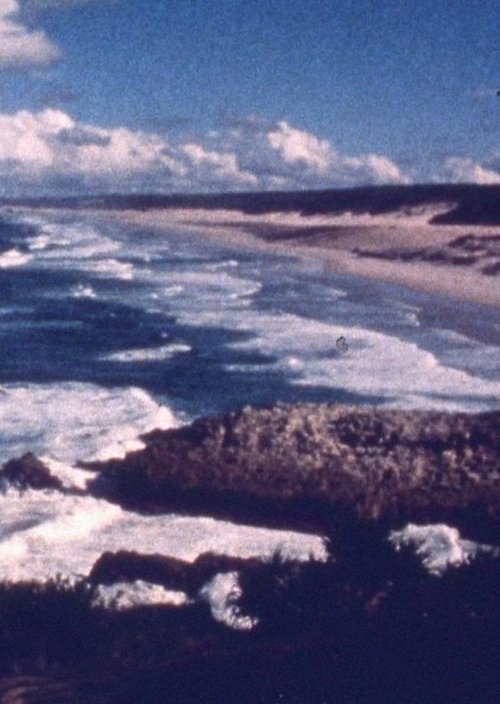
16mm, colour reversal print
Ocean at Point Lookout
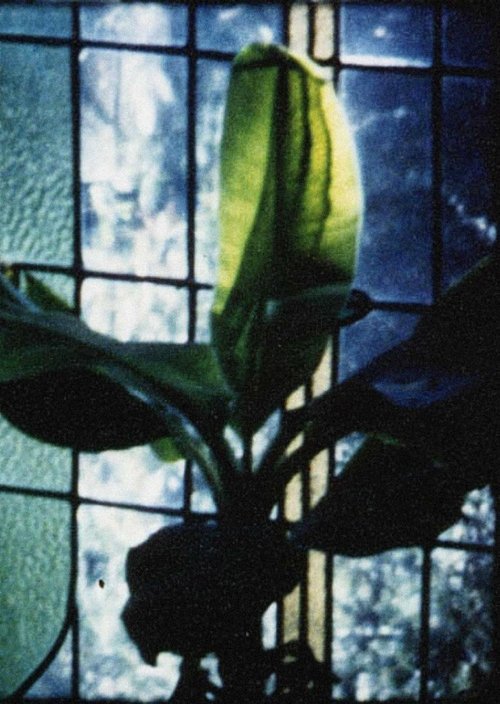
short experimental film by Arthur and Corinne Cantrill
Articulated Image
Single frame glimpses of life in Ubud, Bali, to Kecak Music. (Arthur Cantrill & Corinne Cantrill)
The Pause Between Frames
Experimental film using fireworks, often superimposed and in soft focus, printed in negative form with a black image on a white background. Plucked piano strings reversed xylophone and cymbal with an electronic vibrato effect form the background sound effects.