Directing
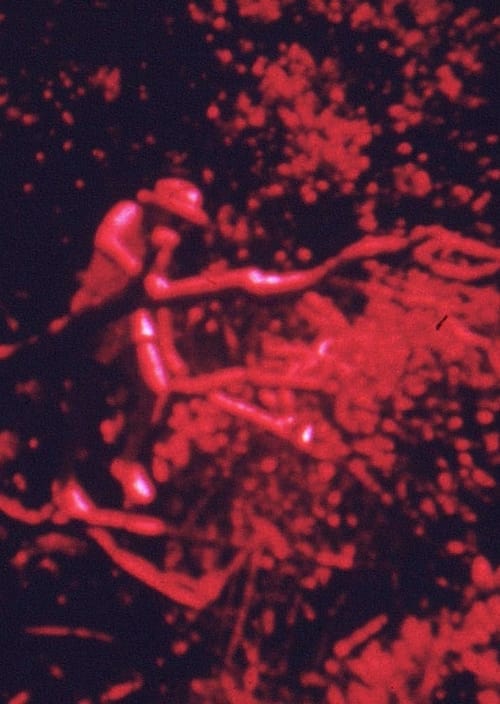
"Island Fuse consists entirely of the monochromatic reprocessing of black and white footage that we filmed in the 1960s on the Isle of Stradbroke. Using an analysis projector, Island Fuse is a film that focuses on the interaction of the elements that produced the film: the analysis projector, the camera and its various mechanisms; filters, the projector and its mechanisms; the ribbon and the photograms; the operators."
In the Brisbane Creative Leisure Centre, conducted by the Cantrills, children, with a minimum of instruction, build up pictures from a large variety of hardware materials such as chain, wire, nails, screws, case fasteners, steel wool, copper sheet, etc., nailed or glued to sheets of plywood.
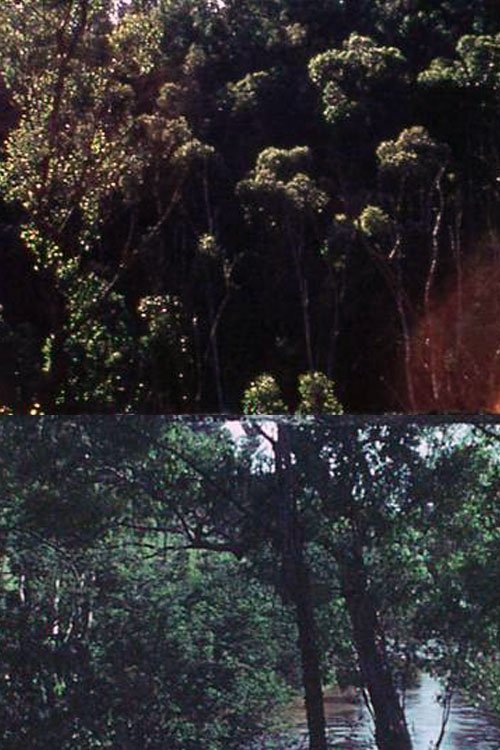
A camera calligraphy of the coastal bush -- celebrating growth, summer light, rock and plant textures.
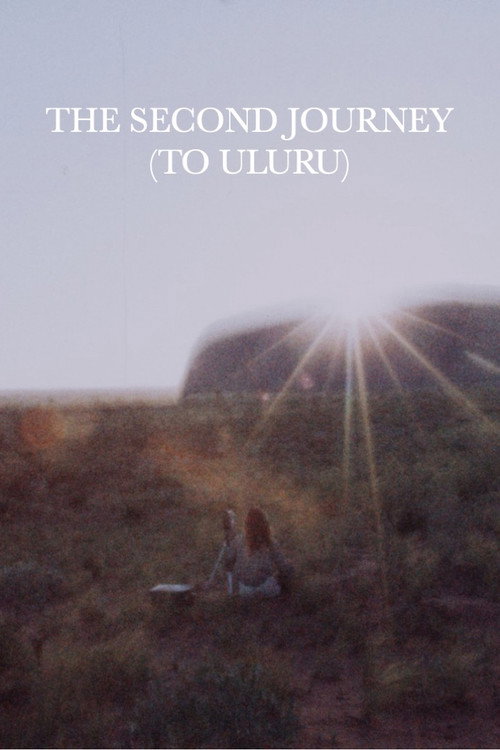
As the camera moves gently from afar into the very heart of the monolith, the magic of the holiest site of the Aborigines unfolds in shimmering nuances of light. Shot at different times of day, the close-up and panorama shots of this more than 500-million-year-old stone formation combine silence and acoustically altered birdsong to convey a feeling of timelessness into which a sense of loss is also inscribed. The somnambulistic moonrise in the great sky seems almost like an abstract painting and yet it is real. The areas of discolouration in the film material caused by problems in the developing process were deliberately left in the film as a metaphor for the looming threat to this natural environment through bushfires and tourism.
It was made quickly, in a student-style way, to be shown at a student drama festival. In the main sequence, we continue to explore the nature of perception in relation to cinema: six- or nine-frame shots of the 270 festival participants appearing like flashes on the screen as they announce their names. (Arthur Cantrill & Corinne Cantrill)
Ayers Rock is examined in the light of its ancient human and animal associations. It is seen under various light effects which create different colour and texture impressions. The timelessness of the monolith is suggested by negative colour, the result of using fine-grain Eastmancolour print stock in the camera, a slow speed material which required the intense Central Australian light for adequate exposure. A half-speed recording of the local bird call and insects contributes to the sense of cross eras. Human perception of time, colour and sound is questioned. As Einstein said: 'The distinction between past, present and future is only an illusion, even if a stubborn one.'
No description available.
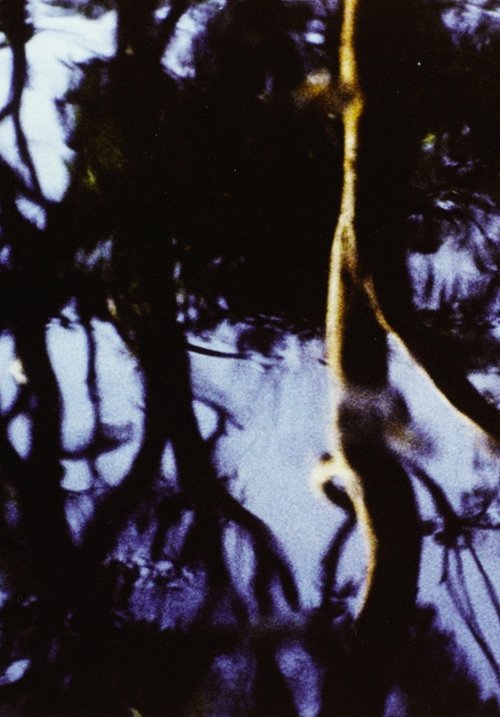
An experimental work about the Australian forests by Arthur and Corinne Cantrill.
Experimental Super 8 film from 2001 by Arthur and Corinne Cantrill
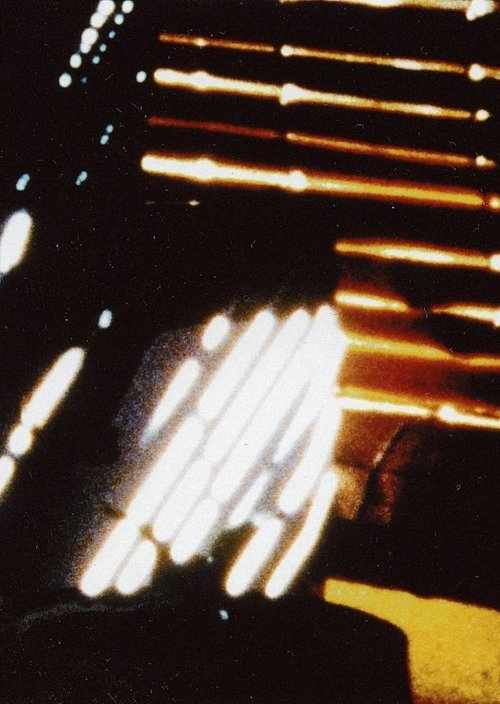
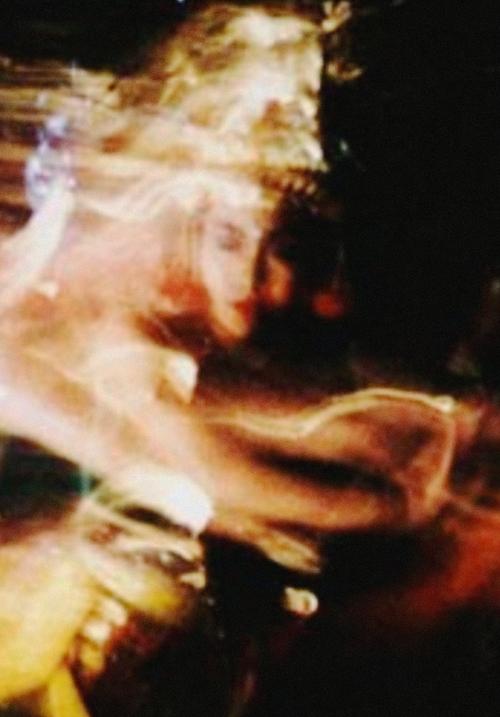
Evening performances of traditional Balinese dance-drama in Ubud, shot single frame with open shutter exposures.
The beauty of the Australian bush is depicted in a carefully composed camera choreography of different aspects of flora and fauna. Close-up and panorama shots and Aboriginal music meld into a meditative view of the energy and harmony that shape the place.
TWO WOMEN records our passage through the tribal lands of the Central Australian region – a personal charting of this mythical landscape. The film is shaped by an unedited recording made of a Pitjantjatjara women’s song cycle: "Two Women", which describes the travels of ancestral women through this region. The film is not a literal interpretation of the song story, and there is no translation of the song. We are outsiders to this culture, and must therefore learn what we can from the ‚surface’ of the song cycle – from the voices singing, talking, whispering, coughing, laughing, reprimanding children.
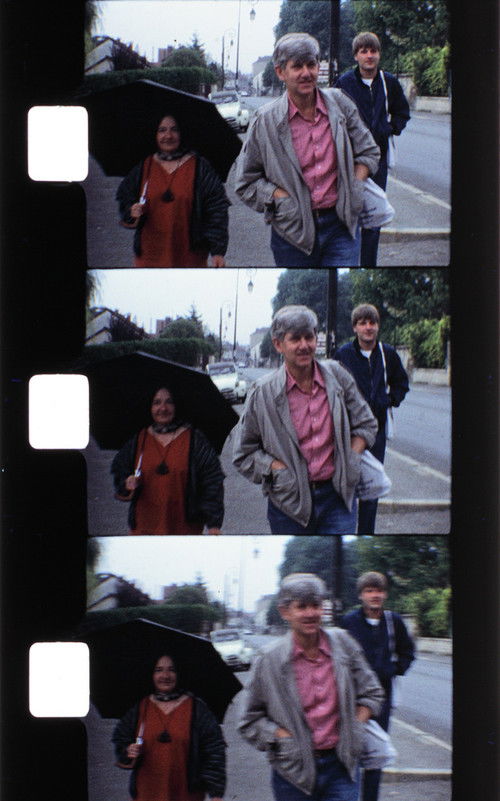
Masses, crowds in the streets, traffic, large gatherings of people for political, religious, cultural events; TV newscasts – the tide of humanity being the matrix from which the alternative movement arose. From these masses emerge individuals: friends and family, co-workers, filmmakers, poets. A play between the quotidian and the particular.
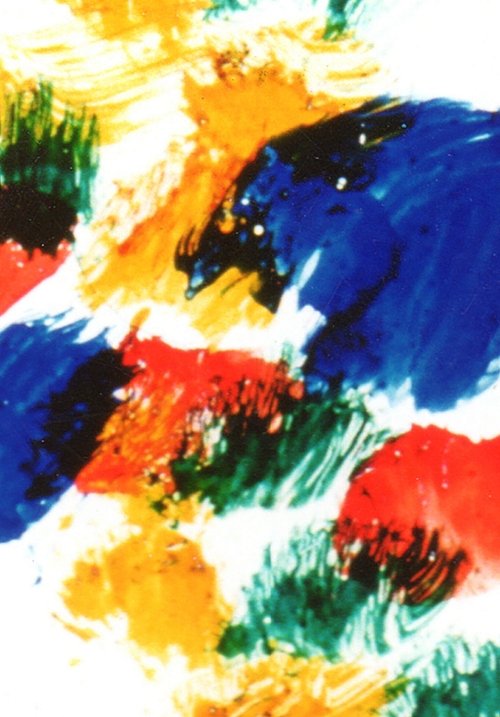
Hand-drawn directly onto 16mm film, this animation is a 'diary' of daily drawing-on-film practice by Ivor Cantrill over a period of 18 months. Drawing style ranges from bold geometric patterns, to a delicate calligraphy.
Part of a series of four studies the Cantrills made of the native flora of the Stradford Island, this one focusing on the Banksia Serrata.
Corinne Cantrill’s film At Eltham from 1974 explores her fascination with Australian landscapes and introduces her interest in playing the 16mm camera functions as a musical instrument. In an essay, Corinne notes she subtitled the film ‘A Metaphor on Death’ referring to their despair, at the time, about their future as filmmakers in Australia and their decision to leave the country temporarily.
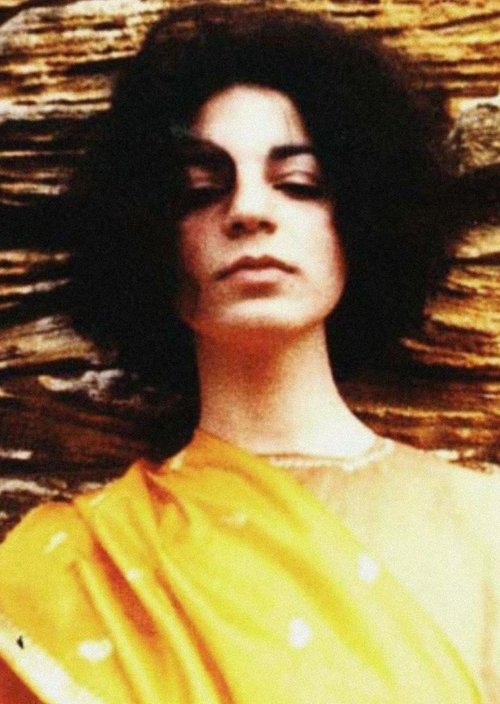
Timeless elements in a roll of film: stillness, movement, woman, girl, road, wind, sun, leaves. A triptych of a girl who reminds us of the face and figures in old icons.
The film Harry Hooton is conceived as a huge energy field combining the energy of light and colour, movement, editing and sound — a dense, vibrating, pulsating work, unrelenting in its thrust; a celebration of Hooton’s definition of art as the communication of emotion to matter.
Located 18 miles west, Katatjuta (The Olgas) is a recurring presence in the background of Uluru. Believed by Aboriginal people to have been inhabited by mythological ancestors, it is a place to be approached with caution. There is a sense of mystery and apprehension at Katatjuta, with the complex domed structures with their own rows of "windows" suggesting an abandoned temple city where, due to its mysterious symmetry, space circulates. The uneasy feeling of having intruded and being watched influenced the filming. (Arthur Cantrill & Corinne Cantrill)
Each screen shows exposure variations in a room with a seated figure, the sunlit bush seen through large windows, its tonality altering with the exposure changes. A stereo track of birdcalls and voices was added in 2010.