Directing
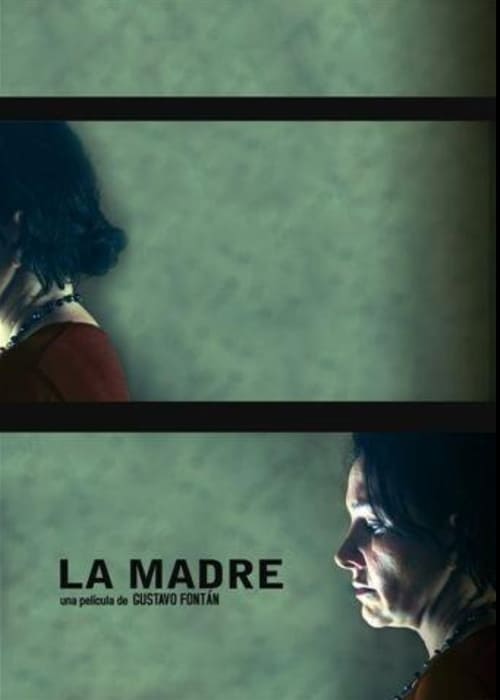
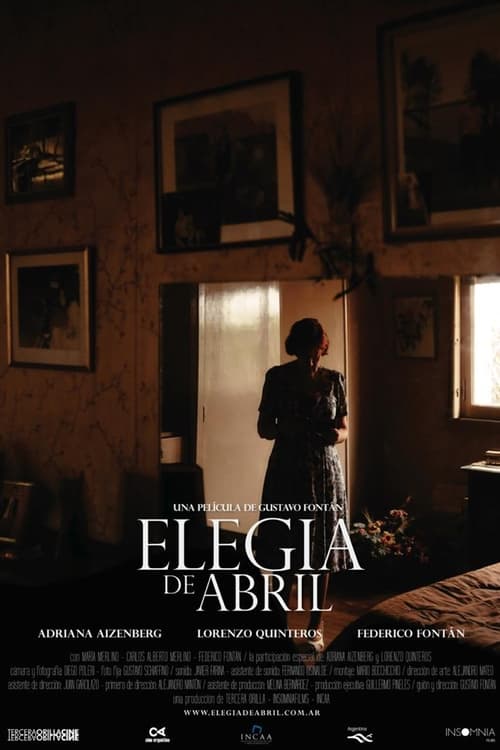
Sonia (45) and Jonatan (18), mother and son, share the house: a place for the mother's grief, a place for the son to escape. The husband is absent, gone, and attempts to find him lead nowhere. The son will leave at any moment. Anguish clouds the hours, shapes the mother's perception. Sonia drinks, gets drunk, tells strange dreams, and commits dangerous acts. Jonatan feels responsible. He takes care of her. If the episodes continue, if the mother becomes increasingly fragile and vulnerable, will the son be able to leave?
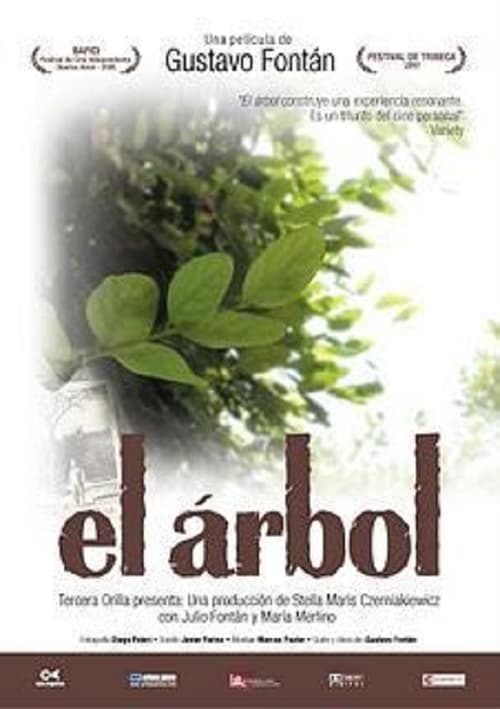
An elderly couple debates whether to cut down an ancient acacia tree that has witnessed the major memories of our lives.
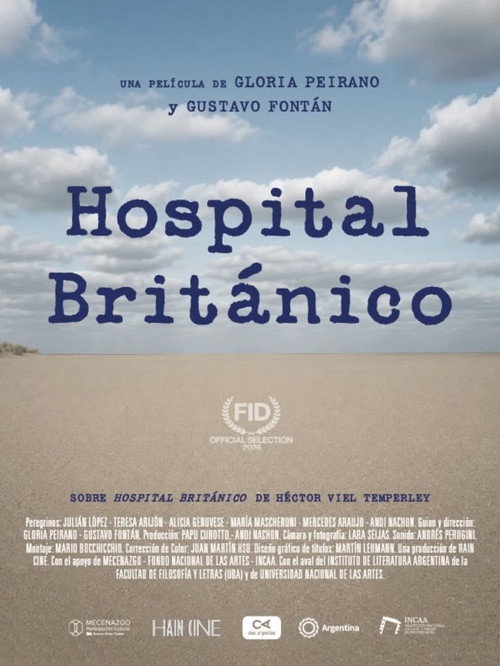
A man leaves the hospital. He sets out on a journey, perhaps a final one. Alongside the mystical landscapes drift the verses of Hospital Británico (1986), the last book by Héctor Viel Temperley. And the words of those who have been marked by reading it over the years.
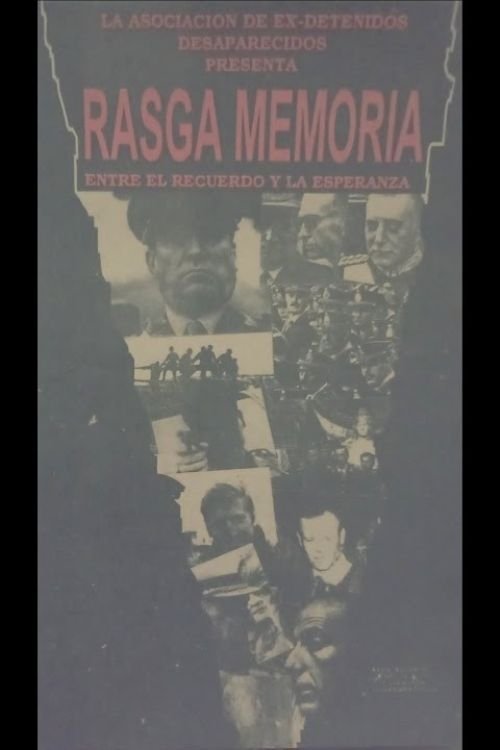
Documentary produced by and starring members of the Association of Former Detainees and Disappeared. Rather than the testimony of survivors themselves, the accounts of former detainees and disappeared are presented as informed and informative voices about the process of judicial impunity that ensures the freedom of those responsible for state terrorism in Argentina, from the final document of the Military Junta to the present day.
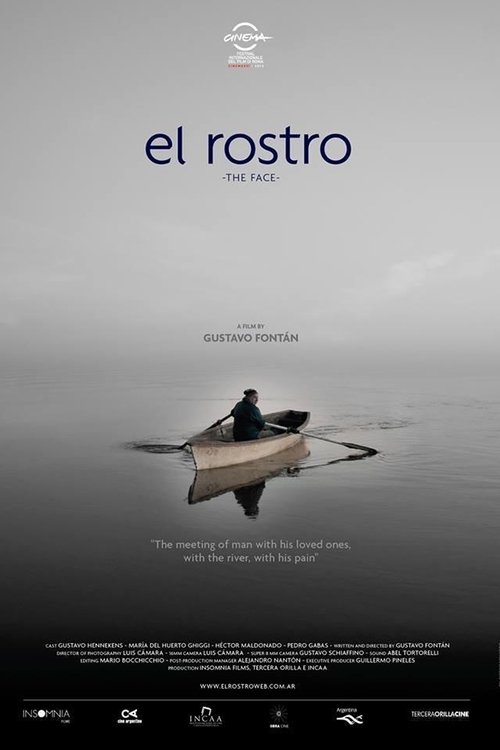
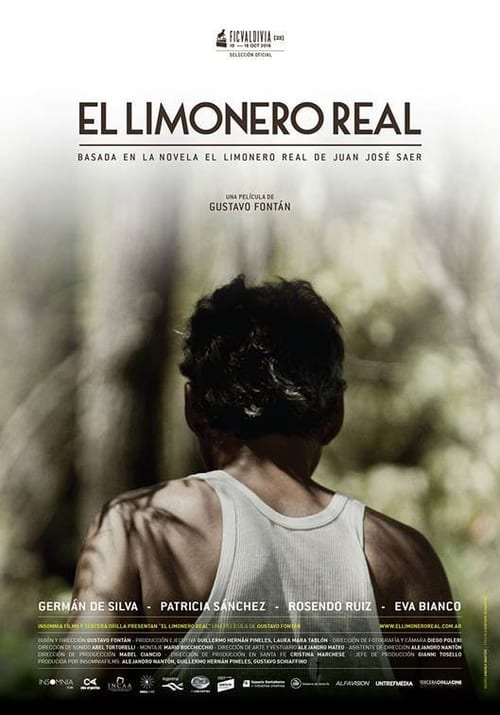
A man in a small boat reaches an island on the Paraná River. He heads towards a site where there used to be a house or small village. Now there is nothing. Slight signs of something old and lost: the place where he was born. His presence allows the things in the abandoned spot to materialize: huts and tables, animals and canoes. Soon others arrive on the island: his wife, father, friends, and children. This is a meeting of the Man and his loved ones. With the dead, the birds, the river's music and his pain.
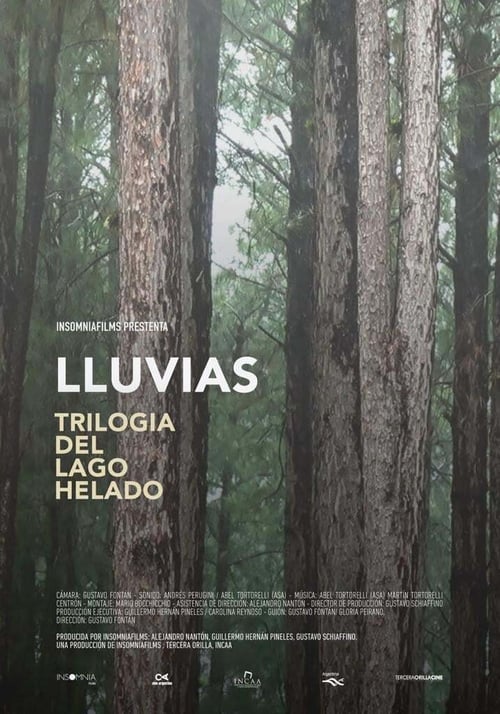
Between two rains, a film that is offered as a newspaper. Rains. It is night. The rain coils like a snake in the street lanterns. A neighbor, old lady, knocks on my door. It's eleven at night. She is desperate, ask for rivotril. A few days later he dies. Someone leaves their house. Objects are loaded coldly in a truck. The death of a neighbor, a move, the skies laden with clouds, the light on things and faces, the operation of an old man, a night trip ... It rains. The trees shake and tremble underwater. Between two rains, a look at human fragility.
A man knocks on my door. I ask him what he needs. He doesn't answer. He looks at me for a few moments, with enormous eyes. He looks at me as one looks at an apparition. Rivers are born in that silence, in those hallucinated eyes, and they unfold a memory of water, a fragmented knowledge of tornadoes and banks, of creaking trees, of birds bathing in the rain, of men lost on some island, of drowning in the backwaters, of the splash of oars, of the shadow where the river narrows. A man knocks on my door. He says to me: You're not here, we're not here.
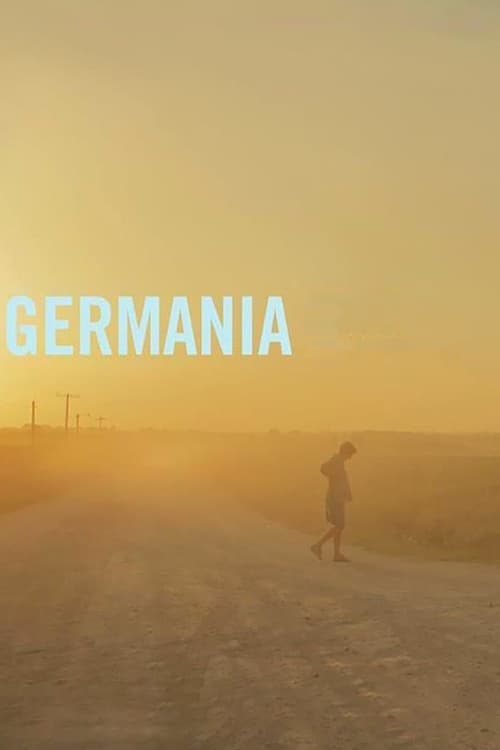
A German family unravels as they are forced to abandon their farm in Entre Ríos, Argentina.
No description available.
Bathed in the half-light, a bus station north of Cordoba in Argentina. Waiting, and the arrivals and departures of the local buses punctuate the lives of these workers and travellers. Far from making an observational documentary, Gustavo Fontán crafts the ghostly portrait of a place of transit where the traces of those who bring it alive resonate and are muffled, blending mystery with everyday life.
A journey through everyday’s life. Streets, squares, zoos, houses, roofs, men, women, roads, but all of it seen as if that world was someone else's, as if it was lost in time. The world is there, but there is no place to settle. A film that speaks about everyday’s life, but with the voice of the sleepwalkers. Some sort of blind, nocturnal continuum that no one knows for sure what it is.
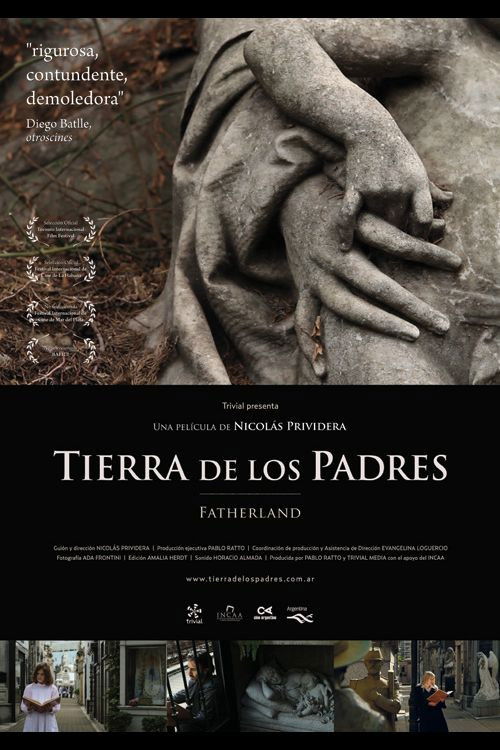
Fatherland brings a rigorous structural approach to a site of monuments that is also a place of movement, criss-crossed daily by tourists and locals. The grounds are laid out like city blocks, with wide avenues branching onto laneways filled with elaborate mausoleums. The film does not attempt to tour the cemetery as one would on foot, however, but rather moves chronologically through the history enshrined there. A series of individuals are framed in static compositions as they read aloud excerpts from the writings of noteworthy Argentines interred within. (Some license has been taken, as the final resting places of certain figures represented - such as journalist Rodolfo Walsh, who was among the "disappeared" - remain unknown. The result is both poetic and political.) Beginning in the early 1800s, this history comprises civil war, battles with the country's native population, the conflict between the city and the provinces, and years of military dictatorship.
Ana loses her mother after a sudden heart attack. He tries to avoid his feelings by feigning indifference. He doesn't stop doing anything he always did, until a message, left by his mother in a radio message box before she died, is accidentally deleted. Ana is forced to face reality.
The poet Salvador Merlino didn’t live to see published April’s elegy, his last book, as he died when it was still in the printing press. His daughter Mary (72) and his son, Carlos (74), kept the parcels of copies of their father’s book stashed away for 50 years, high up, on top of a wardrobe. The curiosity of young Federico will force them to come face to face with themselves.
A family gets together for New year. Three sisters and their families who live by the river. One of them does not attend because she is still in mourning. Her sisters and her nieces try to convince her but she remains firm in her refusal.
Ani, an apprentice hairdresser who loses her job meets Danilo, a forty-something street scissors sharpener.
Nora and Javier have been hired to transport a shipment of cocaine in an ambulance. With the help of Wendy, Javier's transvestite brother, they rob a part of the shipment and escape from the police. Moulded by loneliness, indifference and a lack of communication, Nora, Javier and Wendy are three youths with no future who move on the outer rim of society and are helpless in the face of a corrupt power. They hide in El Marquesado, a seaside resort built by the military on dynamited cliffs where Rodolfo and Mercedes, Javier and Wendy's parents, survive by rustling pigs and cows from neighbouring farms. The conflicts and tensions in this marginal family resurface as they are reunited in this remote place with a sinister past.
A story between a 65 years old man and a woman who is thirty years younger that him. The film, explores the human relationships through fully identifiable human beings, taking also into account the prejudices, the lust of life and all those everyday defeats.
The life of the writer Leopoldo Marechal through various testimonies collected at the Café Izmir, where Adán Buenosayres and his bar met, and which closed its doors a while ago in Villa Crespo, which includes the dramatization of some fragments of his works.
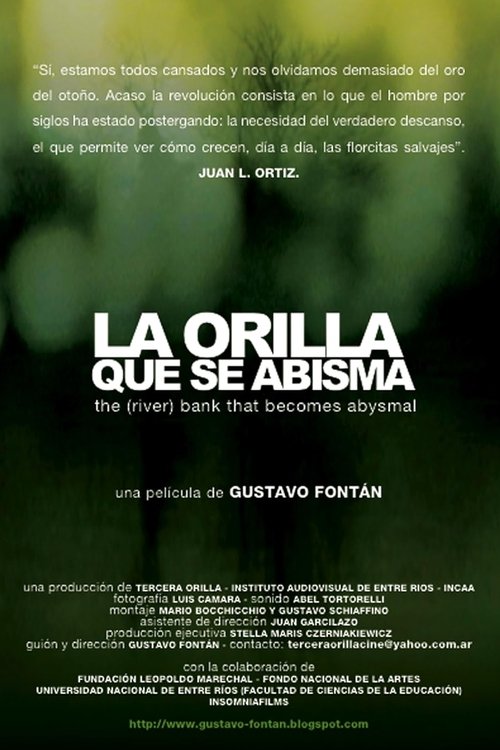
La orilla que se Abisma is conceived as a journey, a trip along a river. Like rivers, like all journeys, the film has meanders, small riverbeds, detours and moments of rest.