Editing
Dieter Reifarth is a German film director and film producer.
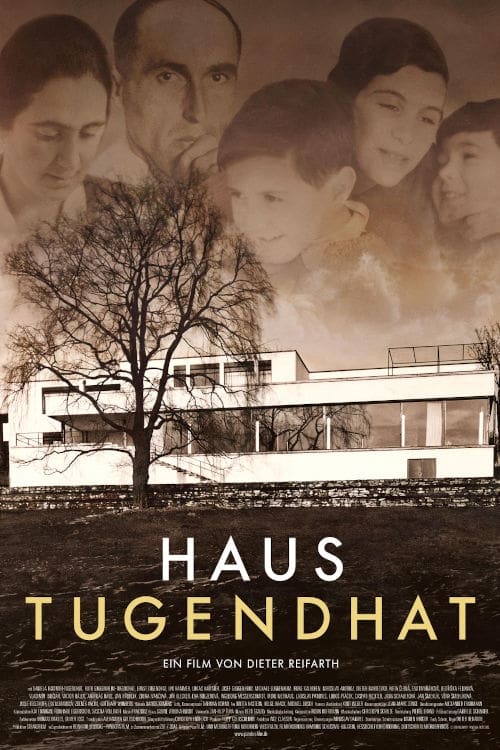
Relates the history of the Tugendhat House and family from the perspectives of the Tugendhat children.
No description available.
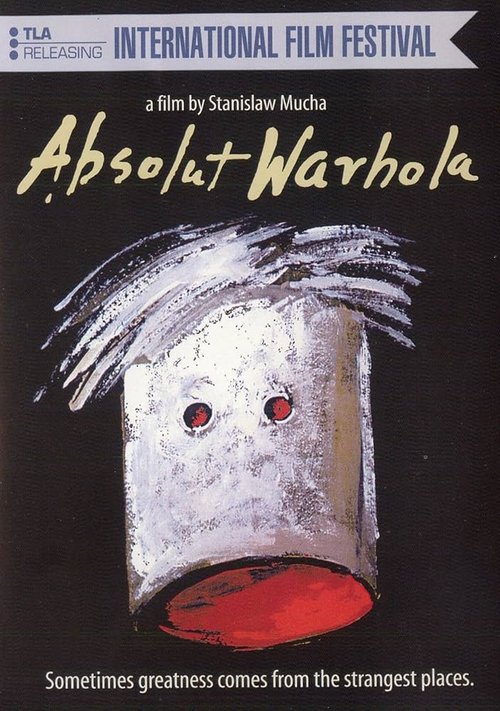
A film about Andy Warhol's extended family, whom he never met, from rural Slovakia. The film follows the filmmakers as they travel through eastern Slovakia to interview Warhol's surviving relatives, ethnic-Ruthenians living near the Polish border in Miková, and to visit the Andy Warhol Museum of Modern Art in Medzilaborce. The museum is shown to be in a poor state, with the museum director and staff openly soliciting donations from the viewer and giving out the museum's bank account details.
For more than eight decades, German Sinti and Roma experienced injustice. The film tells of the family of activist Romani Rose, their resistance and insistence on justice. The painful story of a minority between trauma and self-assertion. The two-part film deals with various forms of resistance by German and Austrian Sinti and Roma over eight decades. It is about rebellion against injustice and the insistence on dignity and justice.
Herbert (Heinz Lieven) is a solid, middle-class engineer who one day quits his job and ensconces himself at home (preferably in the bathroom), refusing to say very much to anyone. His wife (Dorothea Moritz ) is all the more upset at his behavior because on Sunday mornings he goes out into the street and yells at the top of his lungs for everyone to "get up." Eventually, the hard-working wife who is also earning their support convinces Herbert to go to a clinic for treatment. But is it a clinic he needs? Or is Herbert rebelling against a society that is too ordered, too sterile, too buried in the monotony of routine?
Why do humans torture other humans? This is the question Frankfurt’s director Dieter Reifarth addresses in Die Tortur. Following along the lines of Jean Améry’s essay of the same name, he draws a picture of the author’s experiences of being a Nazi prisoner in the Belgian fort Breendonk. Archived footage and images from the present-day museum are shown to accompany the original audio recordings.
Everyday life of a bizarre bookseller who sees his main occupation in stacking and sorting paperbacks.
A hommage to Jean-Marie Straub's and Danièle Huillet's film Quei loro incontri (2005), and to their access to cinema itself. In various encounters and conversations Nestler offers an insight into their life and work, including passages from Italian poet Cesare Pavese.
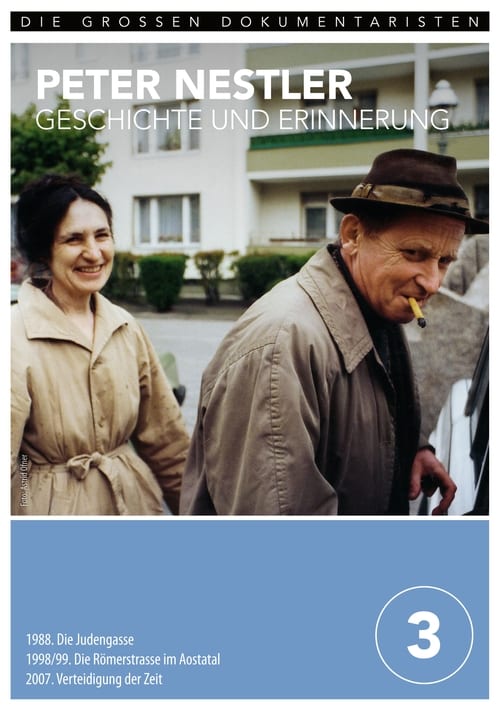
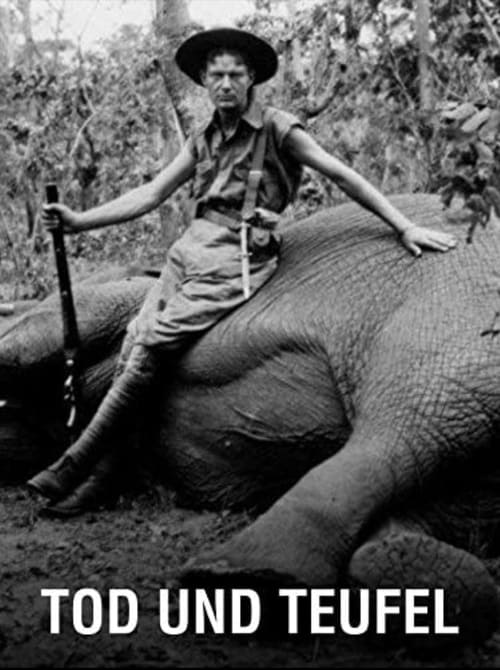
Ethnologist and adventurer, Count Eric von Rosen was a man of contradictions: interested in the natives of Africa and colonial racism. Nestler embarks on a journey in search of his grandfather.
Klaus Wildenhahn, a native of Bonn, takes a personal and slightly wistful look behind the scenes of the government's move from Bonn to Berlin and bids farewell to the comparatively modest “federal village.” He is not interested in the political celebrities, who, unlike in the television reports produced at the same time, serve only as background noise, but in the everyday lives of the small employees, parliamentary servants, chauffeurs, and waiters.
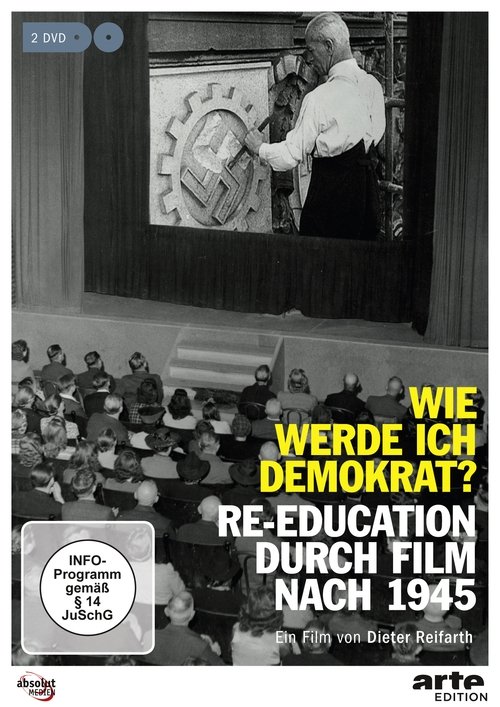
Compilation film by Dieter Reifarth.
The film presents artists from the Sinti and Roma minority who shape the trauma of persecution and very personal experiences in their works.
A small report on the state of the (cyber)world.
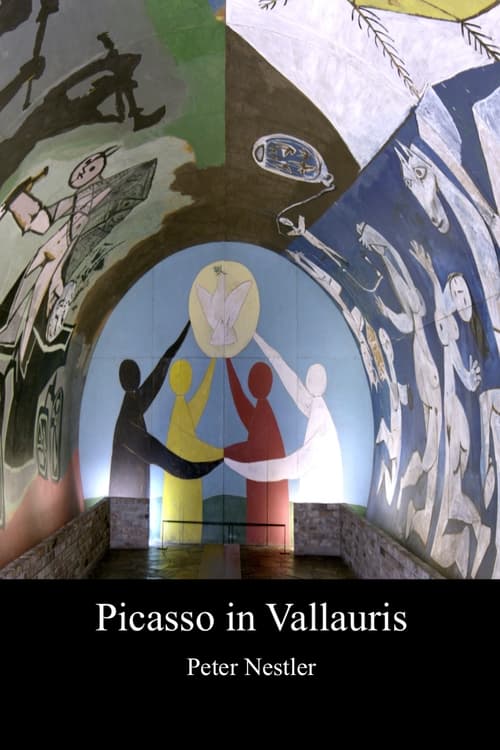
In 1950, Picasso was offered a room that had once been used as a chapel in his hometown of Vallauris. He pictured turning it into a “pagan site for a unique cult” that would “unite all the people and be dedicated to peace.”