Charles Urban
Production
Biography
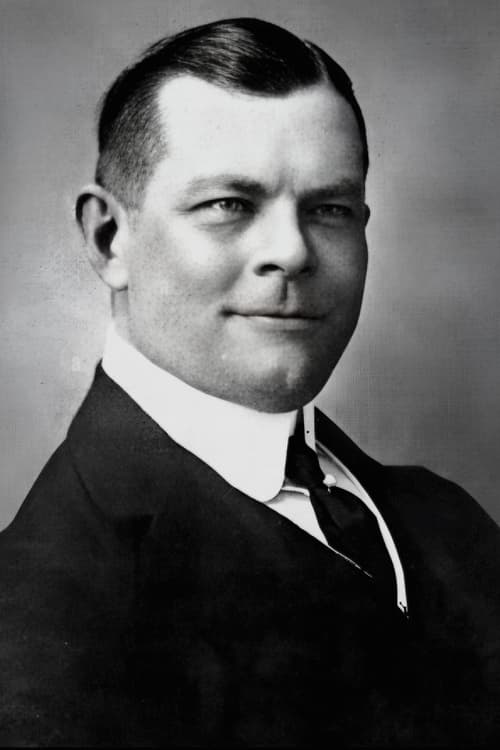
Charles Urban is an American producer, director, cinematographer and editor born April 14, 1867 in Cincinnati, Ohio (United States), died August 29, 1942 in Brighton (United Kingdom). Urban made many types of non-fiction films at the Charles Urban Trading Company, including travel films, war reports, exploration films, sports films, commercials and natural history films. Filmmakers who worked for him include Jack Avery, Joseph Rosenthal, Charles Rider Noble, Harold Mease Lomas, mountaineer Frank Ormiston-Smith, George Rogers, J. Gregory Mantle, and naturalist F. Percy Smith. Smith directed one of Urban's most successful films, The Balancing Bluebottle (1908), which featured a fly balancing objects such as a wine cork with its legs. In 1906, George Albert Smith and Charles Urban created a new process in England, Kinémacolor, which recreated the impression of (partial) colors in cinema. Marketed at the beginning of 1911, the process was used in some 250 short films. In Paris, in 1913, Charles Urban built the Théâtre Édouard VII, which was above all a cinema using Kinémacolor. He sold his room to Alphonse Franck the following year. Urban remained in the United States after the war to re-establish himself as a producer of educational films through his umbrella company, Urban Motion Picture Industries Inc. He produced the Charles cinemagazine series Urban Movie Chats (launched in 1919) and Kineto Review (launched 1921), and made the feature documentaries The Four Seasons (1921) and Evolution (1923). He built a large studio in Irvington, New York, where he planned to introduce a new color film system called Kinekrom, based on the old Kinemacolor, and to distribute educational films on disc using the Spirograph. However, his business interests collapsed in 1924 and he returned to the UK in the late 1920s. He died in Brighton in 1942, aged 75.
Known For

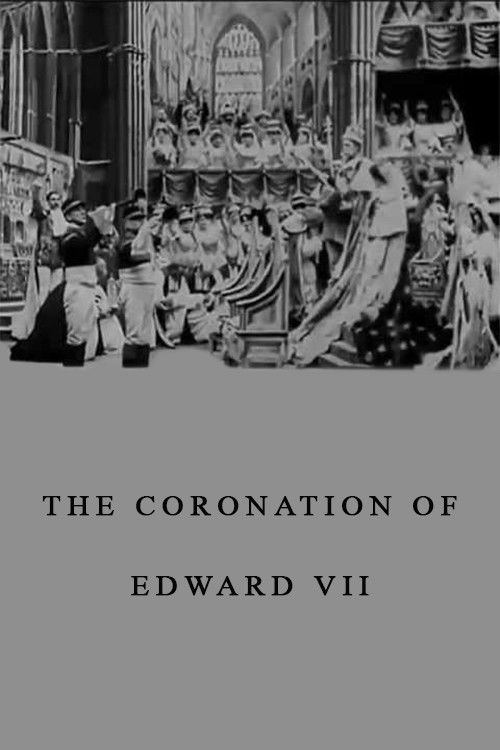
King Edward VII's coronation ceremony.
The Coronation of Edward VII

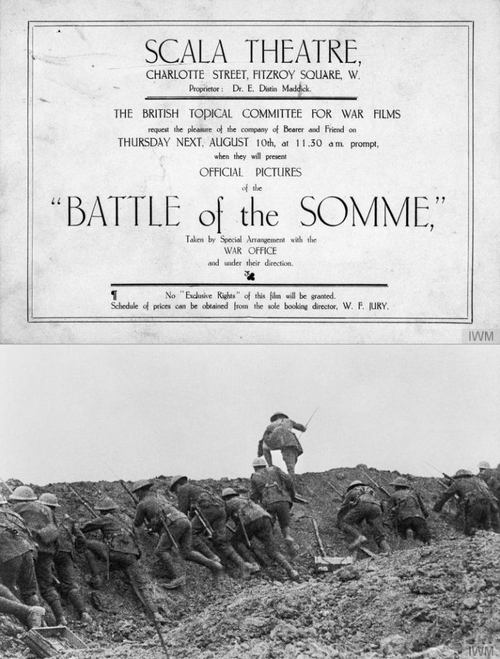
A documentary and propaganda film which shows the British Army's preparations for, and the early stages of, the battle of the Somme.
The Battle of the Somme

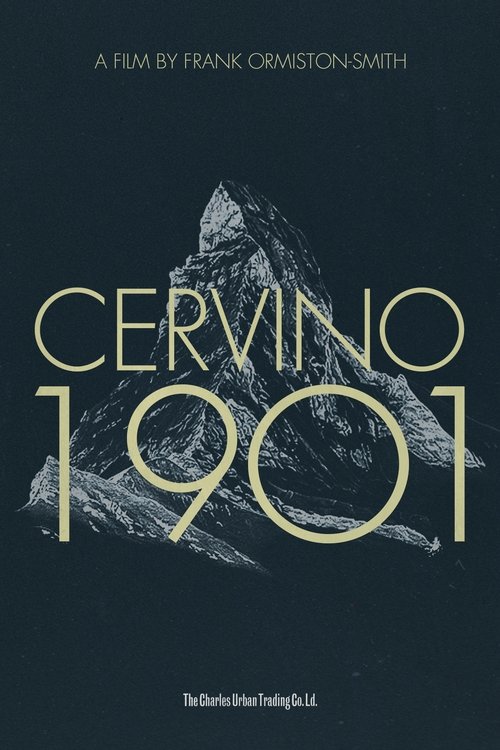
On september 28th, 1903, the Urban Mountaineering Expedition, headed by Frank Ormiston-Smith, left Zermatt to attempt the conquest of the Matterhorn. On the 29th, the conquest was completed by the filming of the panorama from the actual summit of the mountain. The film consists of 20 scenes and illustrates the whole ascent from Zermatt through the Hornli Ridge. A copy of the film was found in Zermatt in 1953 and was was erroneously attributed to Frederick Burlingham and dated 1901. Since then, the film has been widely publicized as the first mountain film under the title of 'Cervino 1901', but this is incorrect.
Cervino 1901

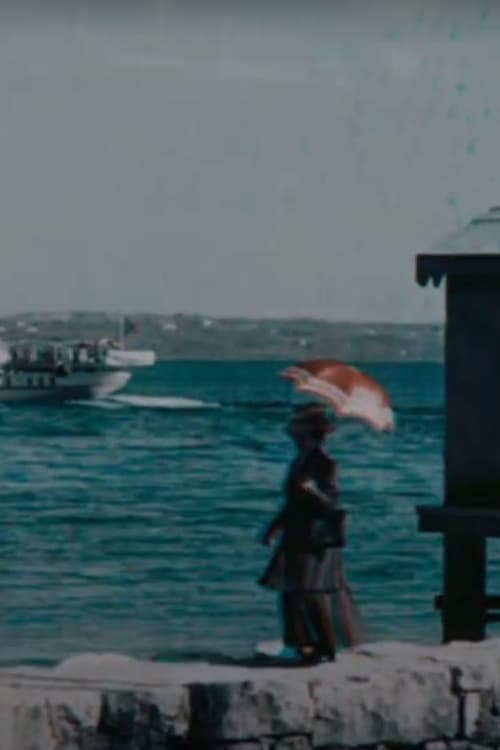
View of the Grand Canal in Venice from a boat believed to have been made in either 1901 or 1904 and as part of the series "Through Italy with the Bioscope" by George Albert Smith and Charles Urban.
Venice and the Grand Canal

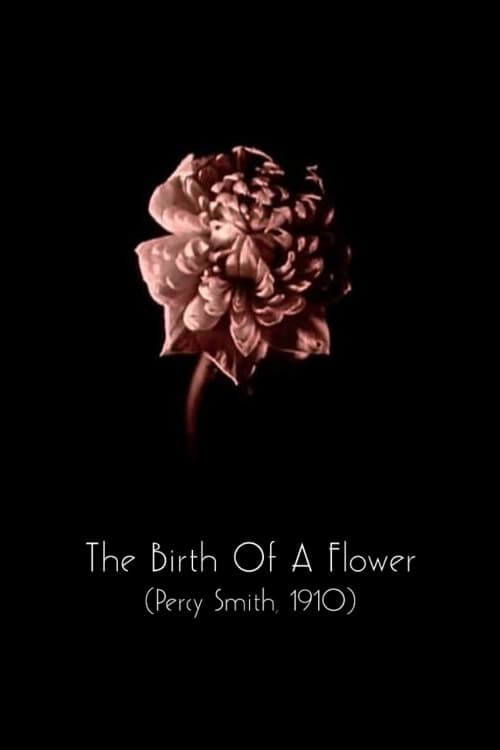
"Percy Smith (1880-1944) was world famous as a photographer of plant life. Probably the first British example of time-lapse photography as applied to the growth of plants." Monthly Film Bulletin, November 1955.
The Birth of a Flower

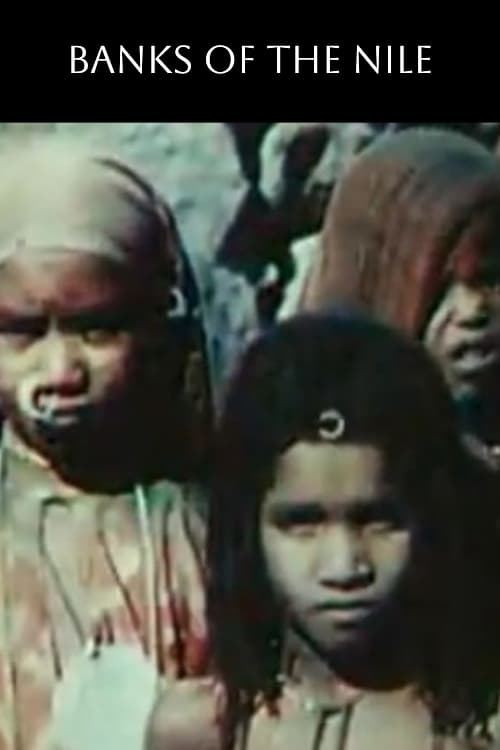
With a dual motion a cruise ship and a fishing boat pass one another on the Nile and butlers in turbans set up a wooden gangway. Thanks to a rope and pulley system cows climb skywards then disappear into the hold of the sailing vessel. On the bank, black-haired women rock back and forth, bursting out laughing and showing the first signs of going into a state of trance. Never-before filmed gestures and faces of the people of the Nile succeed one another, uprooted to an unknown, magical world. The Banks of the Nile is one of the first experiments of film in colour that uses the Kinemacolor process.
Banks of the Nile

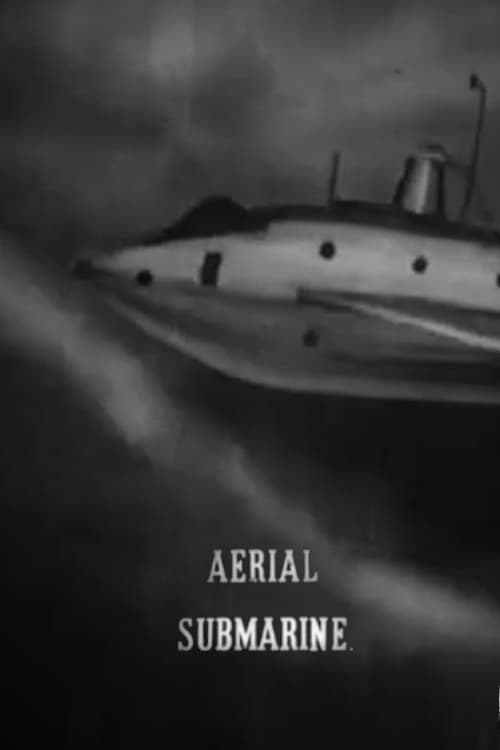
Using a futuristic submarine, pirates kidnap a young couple, torpedo a passenger ship, travel under the sea to salvage bullion, then make their escape by taking to the air.
The Aerial Submarine
British adaptation of Trilby filmed in Kinemacolor. Presumed lost.
Trilby and Svengali

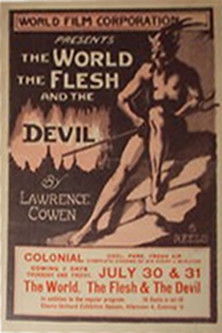
An intensely unhappy woman hatches a plot to switch the babies of a poor family and a rich family. But the nurse hired to pull off this transfer refuses to go through with it, leaving each baby with its proper family. When the babies are grown, the man from the poor family (who has been led to believe that he did come from the rich family) goes to the house of the other and throws him out. The remainder of the film deals with the frustrations of mistaken identity.
The World, the Flesh and the Devil
The film uses stop-frame animation to create maps on the screen, and showed the then-current military situation in the Dardanelles, using various maps to assist understanding. Small cardboard cut-outs show the deployment of men and ships. Intertitles explain tactics, and shelling explosions are illustrated by clouds of cotton wool.
Fight for the Dardanelles

A nature documentary depicting the variety of changes undergone by plants and animals as the seasons of the year change. A deer is shown shedding his antlers, then growing new ones, while other examples of flora and fauna go through corollary changes.
The Four Seasons
Kinemacolor
Fording the River
Documentary short released in 1911.
Building a British Railway: Constructing the Locomotive

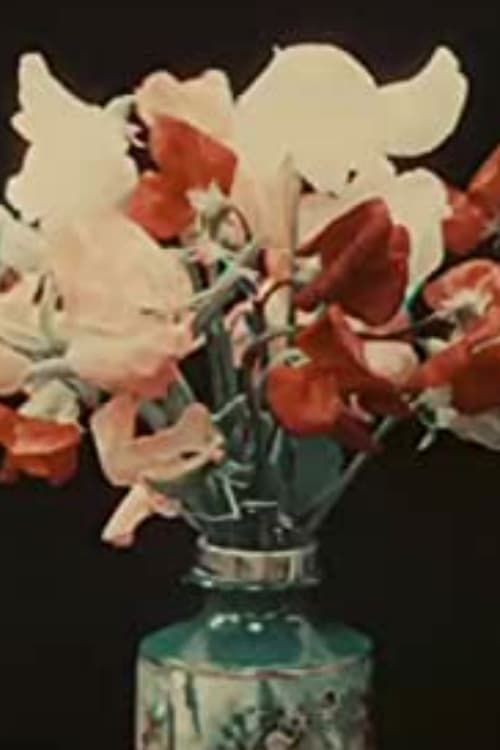
An early British Kinemacolor short, in which delicate tones and shades of color are beautifully reproduced in examples of highly cultivated sweet pea flowers.
Varieties of Sweet Peas

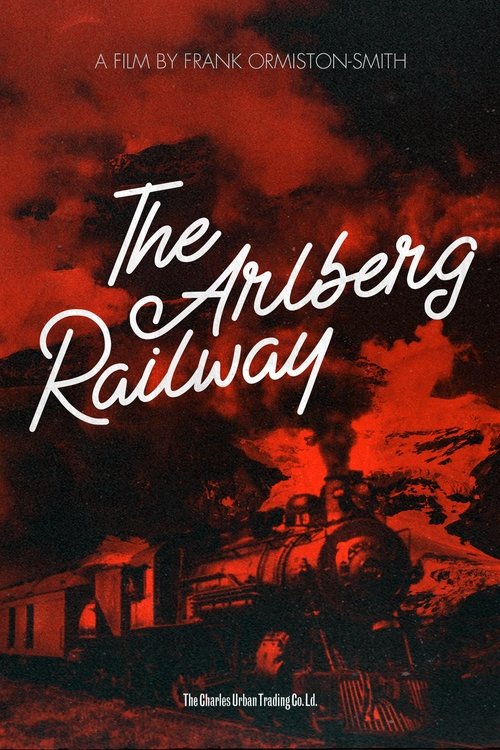
In 1906, the Arlberg Railway, which connects the Austrian cities of Innsbruck and Bludenz, is the only east-west mountain railway in Austria. This 340-second "ghost railroad ride" shows the view from the back of a train, though I'm not sure if it's heading east or west. This kind of film, in vogue at the time, is an intermediate form of short reality, which often showed a train engaging in a bend, and a feature documentary. Its editing is live, linear and temporal, and the cuts are very apparent. Indeed, the choices of where to place the cuts seem to have avoided the less populated stretches. There are plenty of buildings to see, even when the train is not at the station.
The Arlberg Railway
![Hackenschmidt-Rogers [The Great Wrestling Match]](https://image.tmdb.org/t/p/w500/aXejOa1bxEyNU4NKySqtZYW7nDB.jpg)
Documents one of the most important wrestling matches of the early 20th century between the legendary Estonian strongman Georg Hackenschmidt and the American Joe Rogers. Originally filmed in February 1908 and produced by the well-known Charles Urban, this rare footage is a significant find that offers an authentic glimpse into the golden age of wrestling. The only known film footage of a wrestling match featuring the legendary Estonian wrestler Georg Hackenschmidt, who wins this two-round title match.
Hackenschmidt-Rogers [The Great Wrestling Match]

A travelogue of the largest and most eastern of the great lakes of Northern Italy, enclosed by Alpine ridges on both sides, and dividing the Austrian Tyrol from the old Italian provinces of Venetia and Lombardy. This color film was made by the Natural Color Kinematograph Company in 1910. Back then, the northern tip of Lake Garda belonged to Austria-Hungary. Many of the buildings shown still stand today.
Lake Garda, Italy

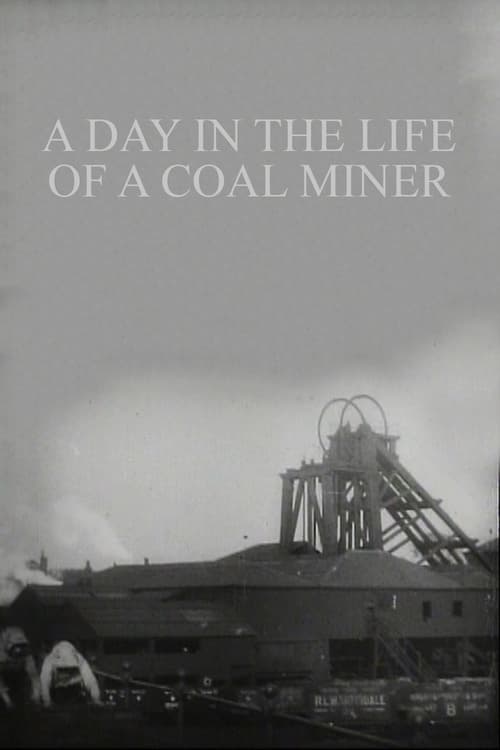
A proto-"documentary" film depicting workers of a mine owned by the Wilgan Coal and Iron Company
A Day in the Life of a Coal Miner
This fragment comprises just over half of the original film and features a parade of partially-submerged submarines and destroyers launching torpedoes into netting rigged alongside the Dreadnought.
Torpedo Attack on H.M.S. Dreadnought
Documentary about a hunting party.