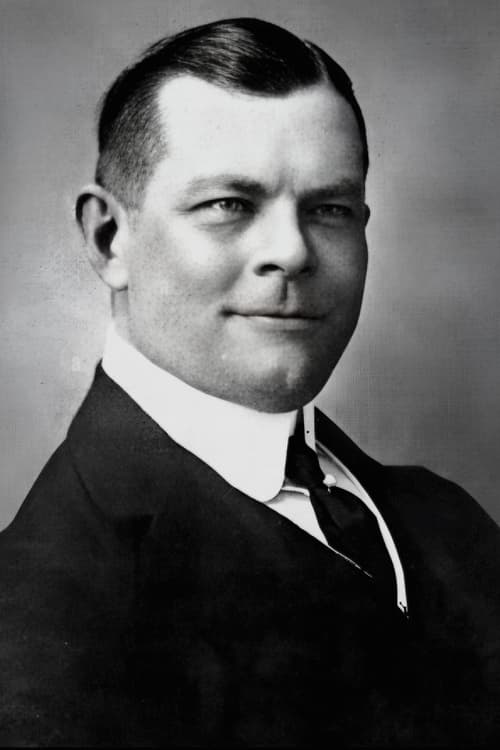
Charles Urban
Production
Biographie
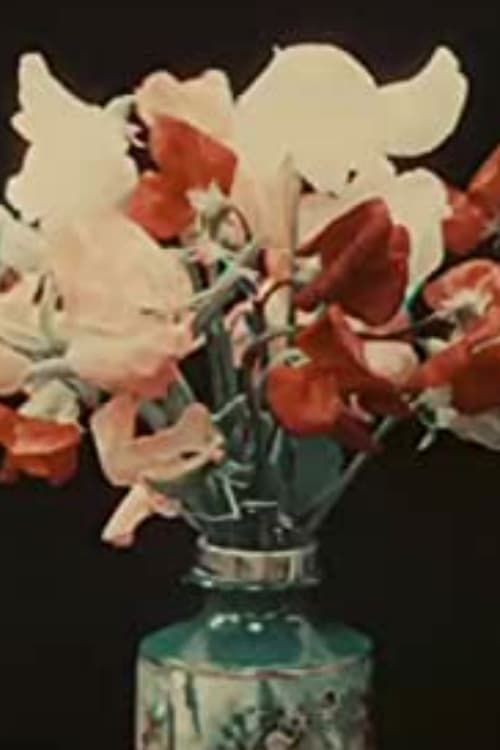
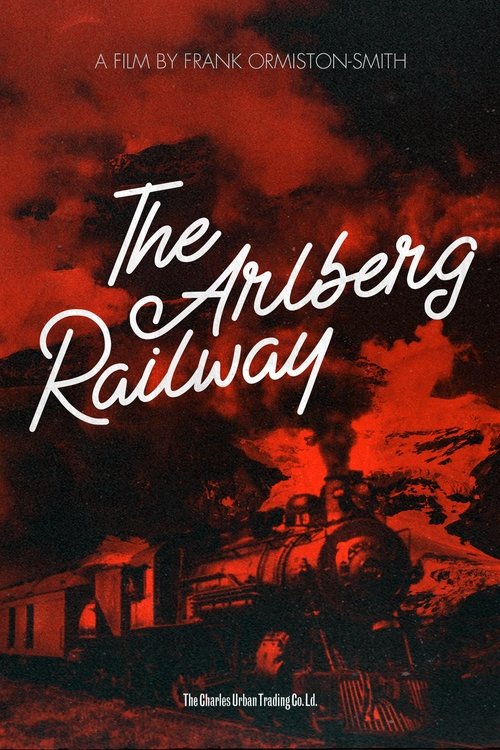
Charles Urban est un producteur, réalisateur, directeur de la photographie et monteur américain né le 14 avril 1867 à Cincinnati, Ohio (États-Unis), mort le 29 août 1942 à Brighton (Royaume-Uni). Urban a réalisé de nombreux types de films non romanesques à la Charles Urban Trading Company, notamment des films de voyage, des reportages de guerre, des films d'exploration, des films sportifs, des films publicitaires et des films d'histoire naturelle. Les cinéastes qui ont travaillé pour lui incluent Jack Avery, Joseph Rosenthal, Charles Rider Noble, Harold Mease Lomas, l'alpiniste Frank Ormiston-Smith, George Rogers, J. Gregory Mantle et le naturaliste F. Percy Smith. Smith a réalisé l'un des films les plus réussis d'Urban, The Balancing Bluebottle (1908), qui présentait une mouche équilibrant des objets tels qu'un bouchon de vin avec ses pattes. En 1906, George Albert Smith et Charles Urban créent un nouveau procédé en Angleterre, le Kinémacolor, qui recrée l'impression des couleurs (partielles) au cinéma. Commercialisé au début de 1911, le procédé est utilisé dans quelque 250 courts métrages. A Paris, en 1913, Charles Urban fait construire le Théâtre Édouard VII, qui est avant tout un cinéma utilisant le Kinémacolor. Il revend sa chambre à Alphonse Franck l'année suivante. Urban est resté aux États-Unis après la guerre pour se rétablir en tant que producteur de films éducatifs par le biais de sa société faîtière, Urban Motion Picture Industries Inc. Il a produit la série Charles cinemagazine Urban Movie Chats (lancé en 1919) et Kineto Review (lancé 1921), et a réalisé les longs métrages documentaires The Four Seasons (1921) et Evolution (1923). Il a construit un grand studio à Irvington, New York, où il prévoyait d'introduire un nouveau système de film couleur appelé Kinekrom, basé sur l'ancien Kinemacolor, et de distribuer des films éducatifs sur disque à l'aide du Spirograph. Cependant, ses intérêts commerciaux se sont effondrés en 1924 et il est retourné au Royaume-Uni à la fin des années 1920. Il mourut à Brighton en 1942, à l'âge de 75 ans.