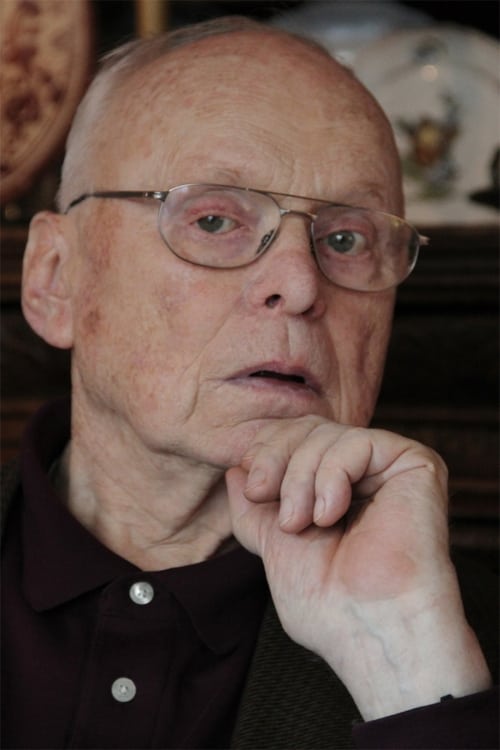
Hugo Niebeling
Directing
Biography
Hugo Niebeling (2 February 1931 – 9 July 2016) was a German film director and producer. He had been particularly noted for his work on industrial and music films, and is considered one of the most important renewers of these genres in Germany. His style is credited to have influenced and helped create the modern music video. His feature-film documentary Alvorada was nominated for an Academy Award in 1963.
Known For

No description available.
Kulturplatz

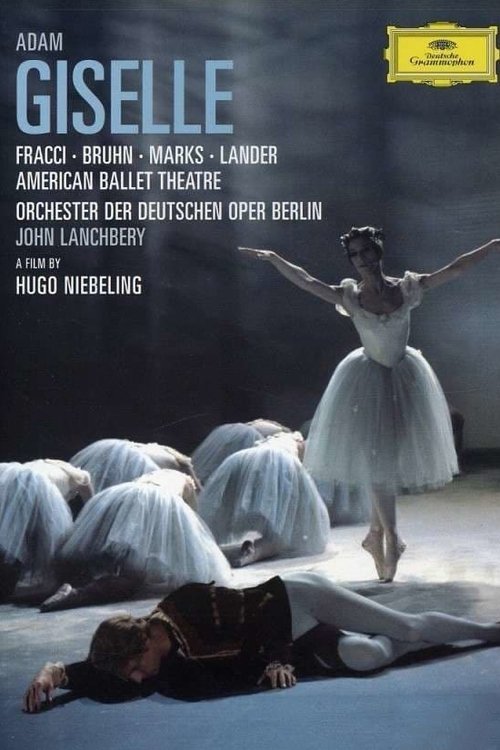
A film version of the ballet Giselle. Filmed in a studio, using innovative editing and cinematography to go along with the choreography, this film stands out from filmed stage-performances.
Giselle
A short, impressionistic documentary about the extremely precise process behind the creation of an autoclave (a reaction container) for a nuclear power plant. Otherworldly electroacoustic soundtrack by Oskar Sala.
Druckgefäß Kahl

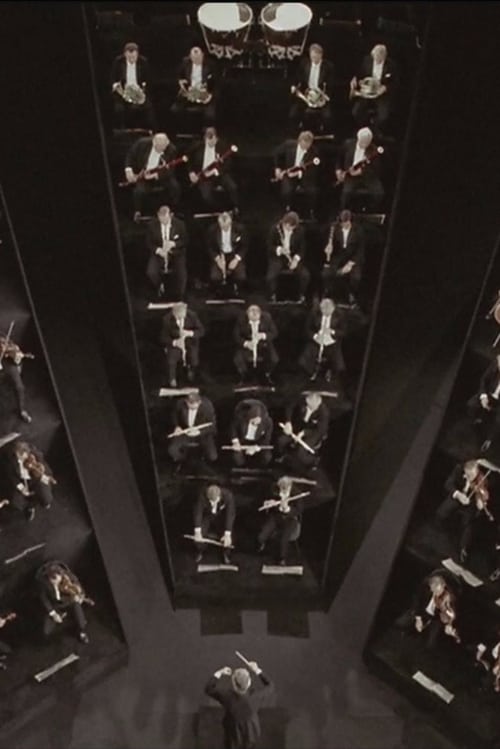
A concert-film using innovative cinematic techniques to set music to images. As conductor Herbert von Karajan didn't like the experimental style, he had the film re-edited severely before release.
Eroica

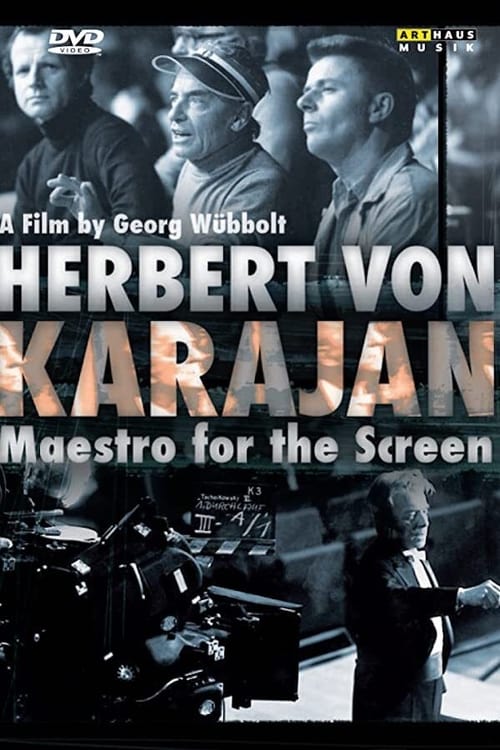
Documentary on conductor Herbert van Karajan, focusing on his early adoption of audio and video recording technology and his impetus to make use of it to preserve his musical legacy for future generations.
Herbert von Karajan: Maestro for the Screen
No description available.
Steel - Variations on a Theme
The passion of Christ, based on J. S. Bach's "Johannes-Passion". Its mix of music, speech, dancing and singing re-creates the style of antique Greek tragedies.
Es wäre gut, daß ein Mensch würde umbracht für das Volk
An innovative short documentary that uses new editing techniques to complement Stravinsky’s violin concerto with some unique choreography from George Balanchine.
Violin Concerto

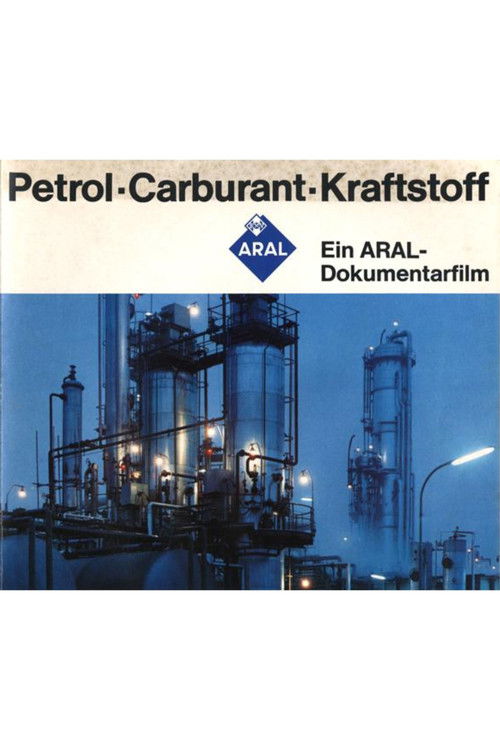
An audiovisual experiment that shows how oil is refined into gasoline and ultimately powers cars and other vehicles, accompanied by classical music and experimental synthesizer sounds. Filmed in the Libyan desert, the film traces the path and development of the gasoline, from the extraction of oil as it is drilled in the Libyan desert to the pump at the gas station, making road construction machines dance and convertibles roar through the Spessart forests. This film also drew Herbert von Karajan and Leo Kirch's attention to Hugo Niebeling, in which the director has road bulldozers "dance" to the music of Vivaldi.
Petrol - Carburant - Kraftstoff
A documentary on making cameras and photographic equipment, which turns into a philosophical visual essay on the art and nature of photography as it unfolds.
Mit Licht schreiben - Photographein

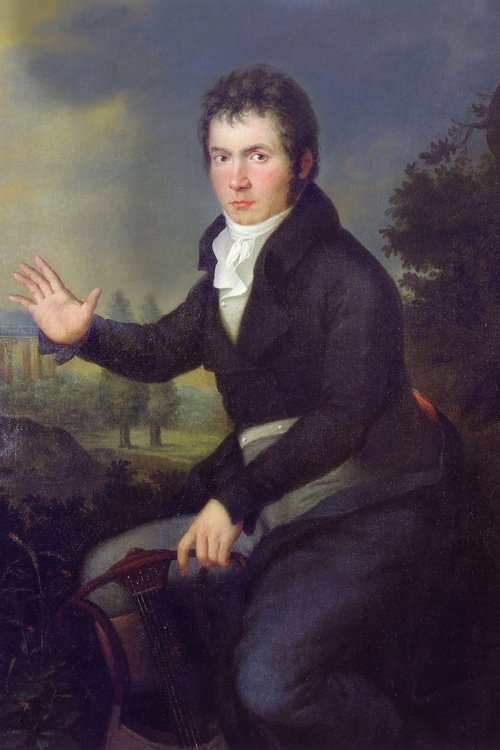
Using innovative camera- and editing-techniques and employing an original set design, this concert film sets a performance of Beethoven's third symphony to images.
Eroica - Director's Cut
A German Film Award winning documentary about the production of seamless steel tubes.
Stählerne Adern
No description available.
La valse

Recording of the Berlin Philharmonic Orchestra conducted by Herbert von Karajan playing Beethoven's 7th Symphony.
Beethoven - Symphony No. 7
No description available.
Karajan dirigiert Beethovens Siebente (Directors Cut)
An avant-garde visual poem on motion.
Allegro
No description available.
Bergmann am Hebel

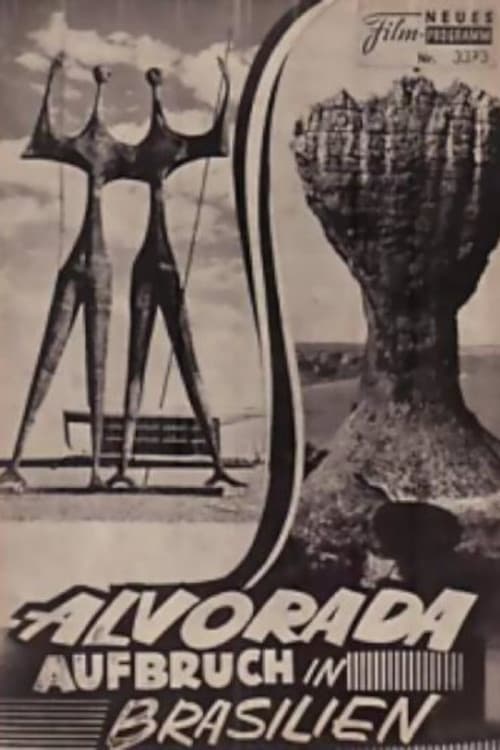
Documentary film about Brazil around the year 1960 and how it is shaped by industrial and social upheavals. The film portrays people and landscapes, modern cities as well as the art and culture of the fifth largest country in the world, which encompasses numerous nations and cultures. The focus is on the structural changes, particularly in the capital Brasilia, which was rebuilt and inaugurated in 1960. From the perspective of a European observer, a picture of the country gradually emerges from a wide variety of impressions.
Alvorada: Brazil's Changing Face

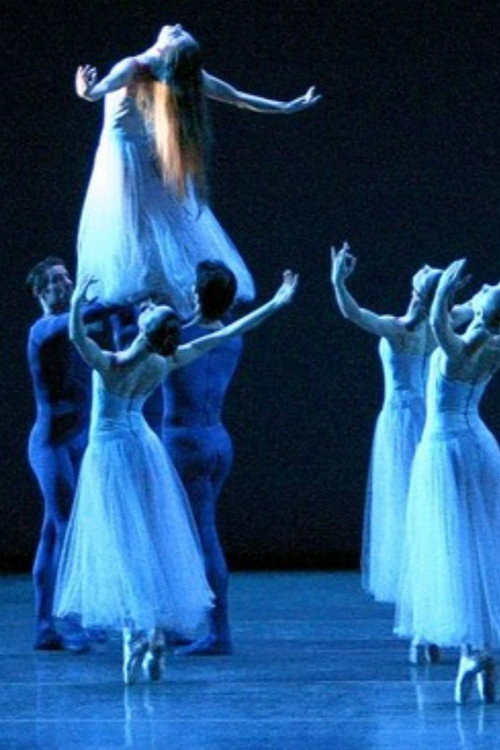
Serenade is a milestone in the history of dance. It is the first original ballet George Balanchine created in America in 1934, and is one of the signature works of New York City Ballet’s repertory. In its present form there are four movements: “Sonatina,” “Waltz,” “Russian Dance,” and “Elegy.” The last two movements reverse the order of Tschaikovsky’s score, ending the ballet on a note of sadness.
Serenade

No description available.