Acting
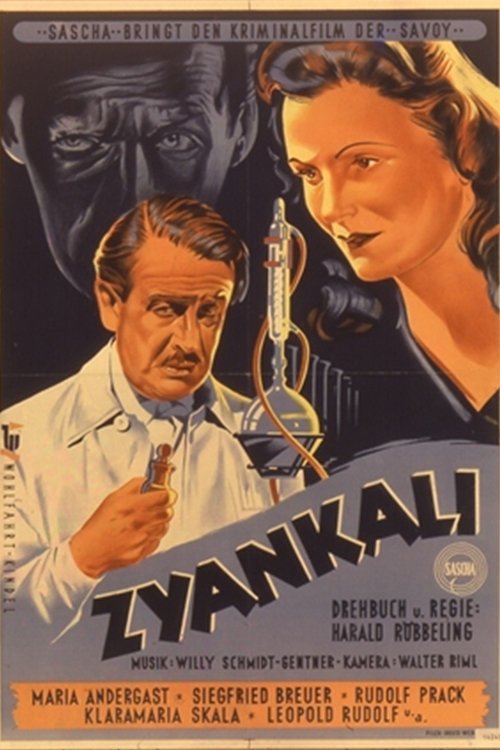
A police department, lead by an older, experienced detective solve crimes together.
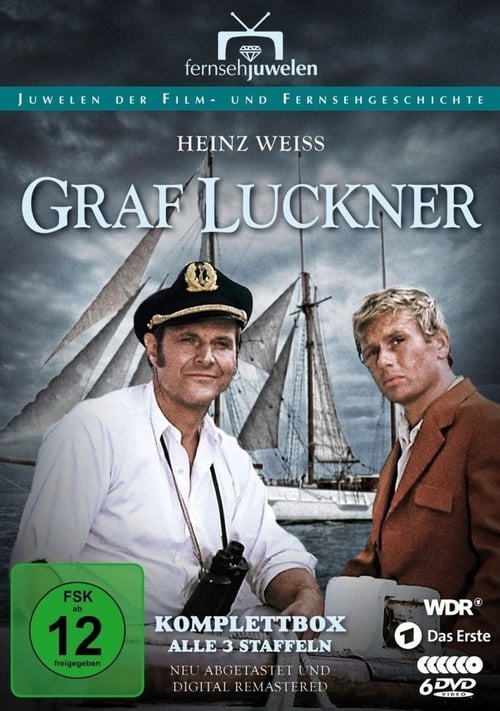
Between the first and second World Wars, we portray glorified and renown naval sea officer Felix Graf von Lucker and his fictitious ship Niobe, which is the 1887 built Amphitrite from Southampton. Von Luckner is famous for his tactical genius in the first World War, especially sinking 14 enemy ships and only losing one crewman, whilst always seeking a peaceful outcome - making him the ideal seaman.
Das Kriminalmuseum was a German television series. It ran from 1963 to 1970 on ZDF and was one of its first programs. Each episode began with a tracking shot through an unspecified crime museum, stopping at one of the displays, whose story was then told. Each episode was between 60 and 75 minutes long and featured different actors as the criminal commissioner. The best known was Erik Ode, who in 1969 moved to Der Kommissar, appearing in 97 episodes. The theme music of the series was written by German composer Martin Böttcher, who also composed the complete scores for five episodes.
No description available.
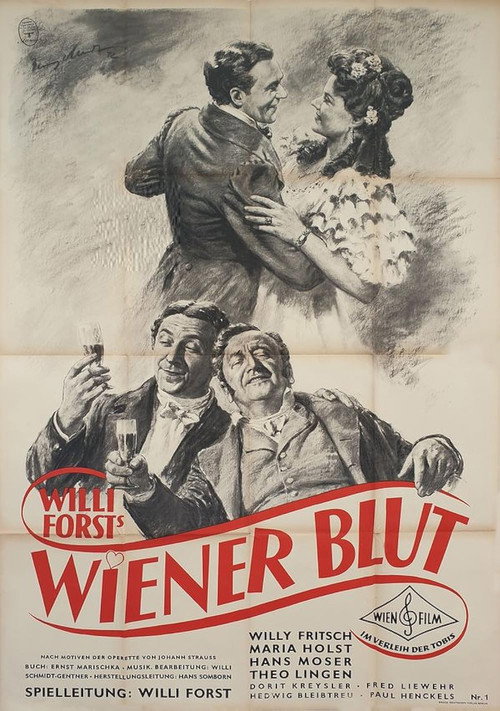
Young Count Georg Wolkersheim is sent to the Congress of Vienna to represent the interests of his country, Reuss-Schleiz-Greiz. Tensions arise between the count, his wife Melanie, and their two chamberlains, and when the four attend a court ball, Melanie leaves Georg, assumes the identity of a famous actress, and attracts the affections of Crown Prince Ludwig of Bavaria.
A drama about marriage in a small town, which takes place at the turn of the 19th into the 20th Century.
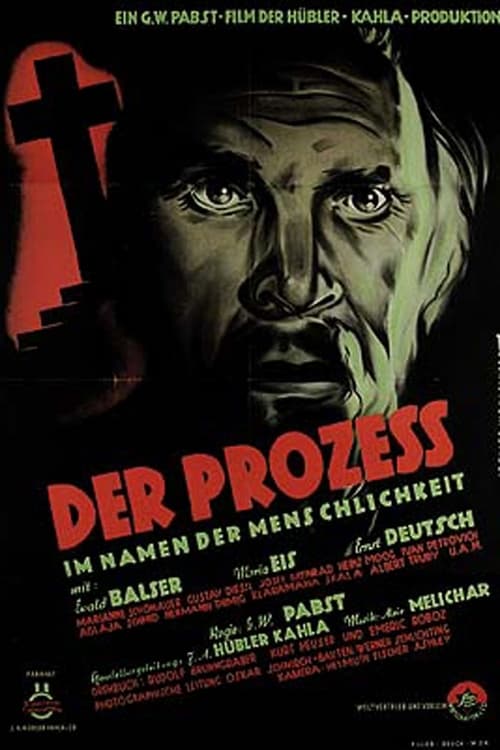
In 1882 a country girl disappears from a small Hungarian village. The inhabitants suggest that she was murdered by the Jews. Everything is done to accuse them before the trial. A study in stubbornness, racism and intolerance and how to fight against it.
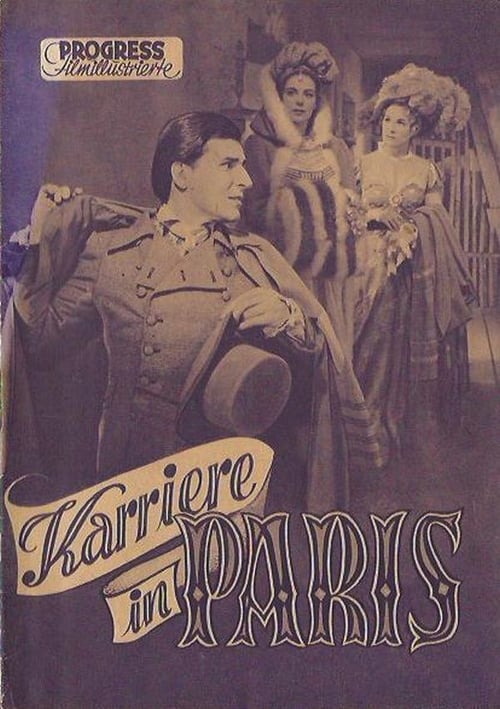
France at the time of the Restoration. The young country gentleman Rastignac comes to Paris to study. He takes up residence in a poor boarding house, where his father Goriot, who has been excluded by his daughters, also lives. The penniless Rastignac is anxious to gain a foothold in Parisian society. His cousin advises him to take the rich banker's wife Delphine, one of Goriot's daughters, as his mistress, which he does. At the same time, however, he falls in love with the laundress Yvette. He is unable to make up his mind when boarding house guest Vautrin suggests a third option: To marry Victorine, the disinherited daughter of a millionaire, and kill her brother in a duel in order to get his inheritance after all. Rastignac agrees. This is his downfall. Instead of high society, he ends up in the gutter.
Exploitation movie about a war between pimps in Cologne, Germany, in the Sixties.
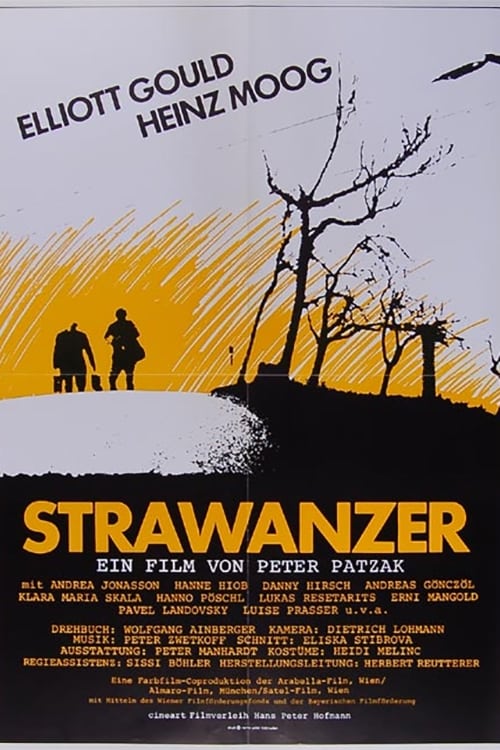
The intellectual Willie flees from his bourgeois-academic environment, leaving behind his wife, child, and job to lead a vagabond life. In Vienna, he meets the retired laborer Josef, who becomes his closest friend. Together, they drink and roam the city. Willie makes one last attempt to visit his ex-wife in Salzburg, but she turns him away. Secretly, he takes his son Tommi with him, putting him in danger when they encounter a sinister motorcycle gang.
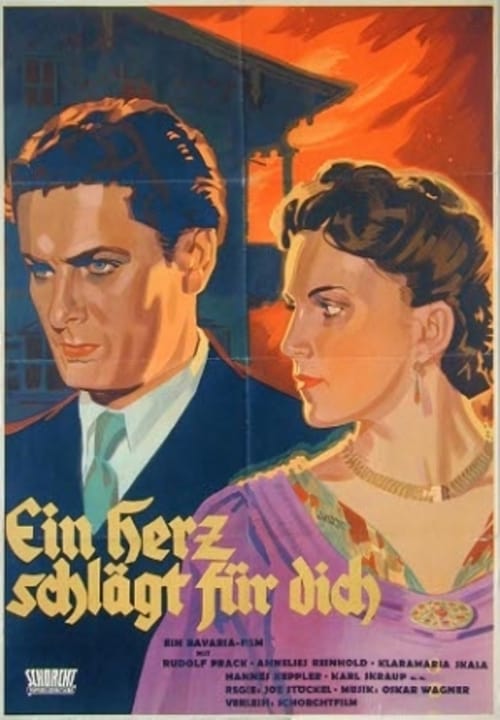
Farmer Regina suffers greatly from her childlessness, because it means that the Hallwanger farm has no heir. A former suitor, whom she rejected for Martin Hallwanger's sake, also torments her with references to her childlessness.