Writing
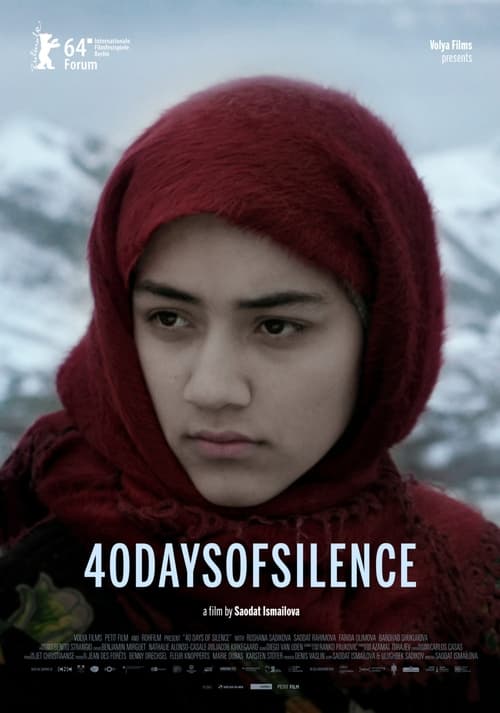
This is a passage between two faces, each the same, yet different. Bibicha’s face first appears in the dark, her eyes open and expression impassive, only her heavy breathing betraying the strain she feels. She will withstand the strain and take the vow of silence, retreating to her grandmother’s house for the 40 days to pass. The house and the landscape outside at least offer Bibicha certain sensory distractions: the taste of honey, the texture of a wall, an eye-catching bedspread, the view out over a sea of cloud, water fizzling on the stove. But it is not just her under strain, as her aunt’s frantic text messaging, her grandmother’s rueful acknowledgement of the stories of marital strife on the radio and her little cousin’s illegitimate status bear witness to. Four generations of women in the complete absence of men, yet all marked by their presence, the similarity of their fates blurring together different times and customs.
Life Kolka and his parents were not sweet. Personal happiness was not. They lived in poverty and constant quarrels. Kolka, not to see the parents scandals all the time spent on the street.
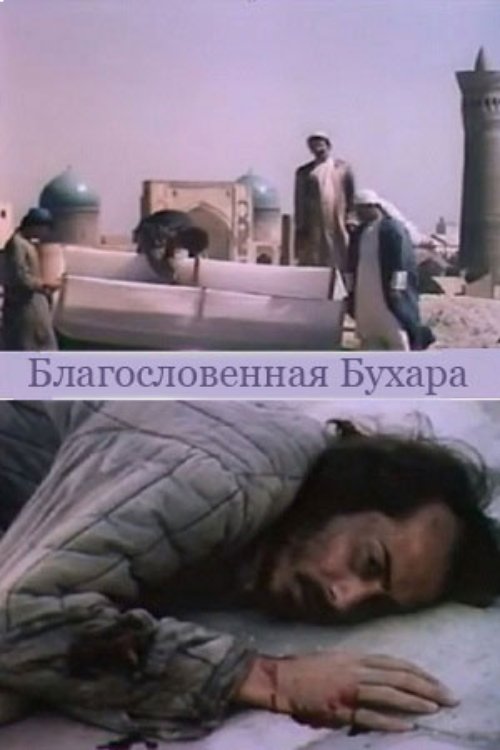
The events of the film take place in the 50s in one of the most beautiful cities in the world -blessed Bukhara. This is a story about street poets living in abandoned cemeteries, in mosques, on the roofs of houses.
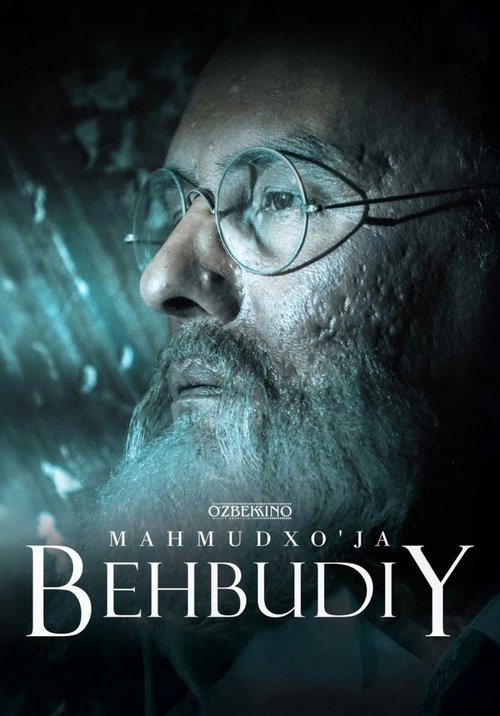
The plot tells the story of the Turkestan Autonomy, the unrest in the Bukhara Emirate, the Tashkent plague uprising, and the Andijan rebellion. The film portrays Behbudi’s interactions with prominent Jadid thinkers and supporters of that era, such as Abdurauf Fitrat, Abdulla Qodiriy, and Ismail Gaspirali. It concludes with Behbudi's sentencing to death.