Acting
Tatort is a long-running German/Austrian/Swiss crime television series set in various parts of these countries. The show is broadcast on the channels of ARD in Germany, ORF in Austria and SF1 in Switzerland.
Ein Fall für zwei is a German television series, which premiered on September 11, 1981 on ZDF. The series, located in Frankfurt am Main, features two main characters who solve crimes: a defense attorney and a private investigator. Josef Matula, a former German police officer, has gone into private business. His method of investigation is very effective and direct, and he sometimes even resorts to dirty tricks. Claus Theo Gärtner has portrayed the role since the start of the series.
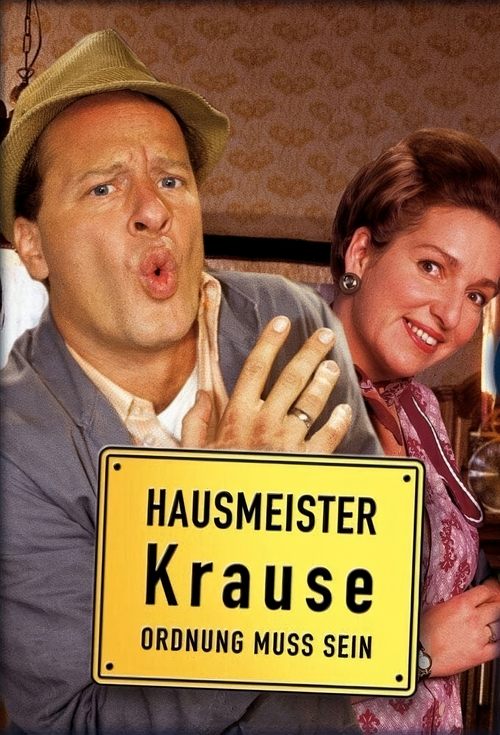
Hausmeister Krause – Ordnung muss sein is a German sitcom with Tom Gerhardt in the title role, shown from 1999 through 2010 on Sat.1. The series parodies typical German "squareness". Half-day janitor Dieter Krause is the embodiment of the German "square"; he is pernickety, blindly follows order, denounces others, is nosy, consistently puts his own interests above all else, acts subservient to his superiors and is brutish and unjust to those he deemes below him. Many plot elements — mishaps, misunderstandings, and frequent cases of mistaken identity — originate from Boulevard theatre. The characters in the series borrow heavily from those in Tom Gerhardt's film Voll normaaal, in many cases sharing names. In Voll normaaal, Tom Gerhardt played the roles of both Dieter and Tommie Krause; in Hausmeister Krause, Tommie was played by Axel Stein. Daughter Carmen is played by Janine Kunze. Other characters from Voll normaaal, such as Tommie's friend Mario, are relegated to the status of background characters. The scope of action also changed.
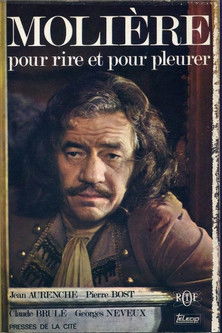
Molière pour rire et pour pleurer recounts the life of Jean‑Baptiste Poquelin, from his childhood in an artisan family to his rise as Molière, a central figure of French theatre. The series shows his difficult decision to abandon the family trade and join Madeleine Béjart to found L’Illustre Théâtre, marked by debts and repeated setbacks. While touring the provinces, he shapes his style and discovers the power of comedy. Back in Paris, he makes a name for himself with Les Précieuses ridicules, but his sharp satires provoke fierce opposition, especially during the Tartuffe scandal. Supported by Louis XIV, he continues despite attacks, literary rivalries, and tensions within his troupe, particularly with Armande Béjart. The miniseries also follows his growing exhaustion, his determination to perform at any cost, and his final breath after Le Malade imaginaire, the ultimate symbol of an artist who lived — and died — for the stage.
The series follows a group of Allied pilots who crashed in occupied territories during WWII. A network of civilians and Resistance fighters, "La Filière", is in charge of helping them pass from France to Spain so they can avoid capture.
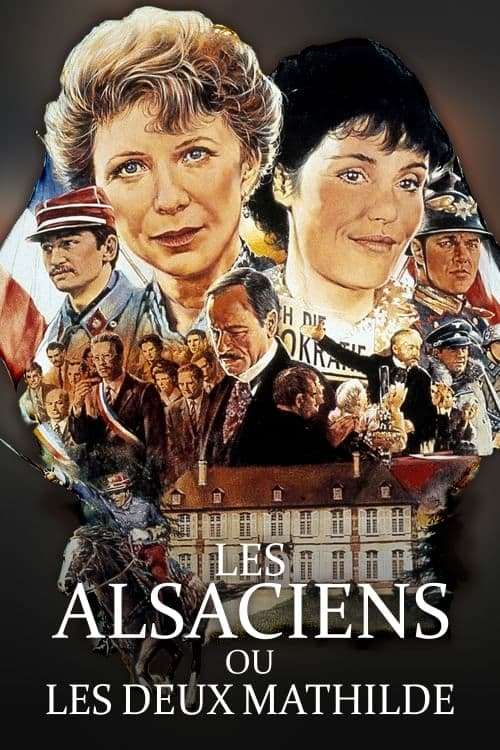
The history of four generations of a family in Alsace between 1870 and 1953. Over this time, the family and the villagers live through three wars between France and Germany and their province changes its affiliation between these countries four times. The governors from both sides do not always respect the culture and the feelings of Alsatians.
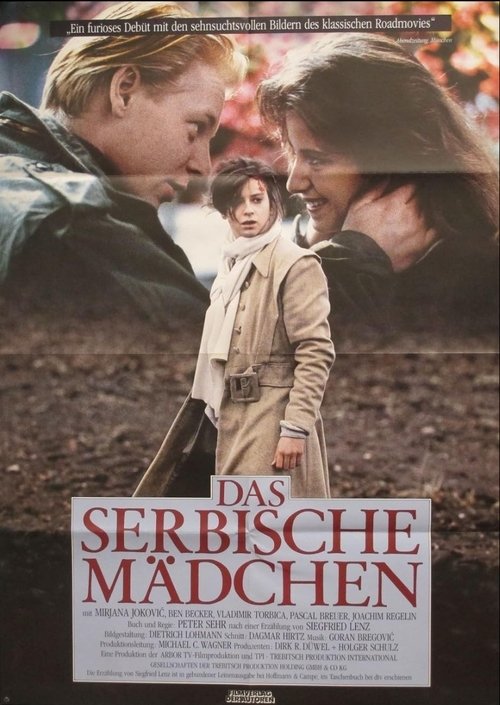
The naive 18 year old Dobrila leaves her little Serbian village to travel to Hamburg, Germany, where her boyfriend lives. The trip is not easy. Finally in Hamburg she has to realize her boyfriend is not very interested in a relationship. She doesn't tell him she's pregnant and starts on her way home to Serbia, which turns out to be even more exhausting.
Cardinal Mazarin dies, leaving a power vacuum in which the young Louis asserts his intention to govern as well as rule. Mazarin's fiscal advisor, Colbert, warns against Fouquet, the Superintendant who has been systematically looting the treasury and wants to be prime minister. Fouquet believes Louis will soon tire of exercizing power and overplays his hand by offering a bribe to Louis' mistress to be his ally. She reports this to the king who arrests Fouquet. Louis and Colbert design a brilliant strategy to keep merchants making money, nobles in debt, the urban poor working and fed, and peasants untaxed.
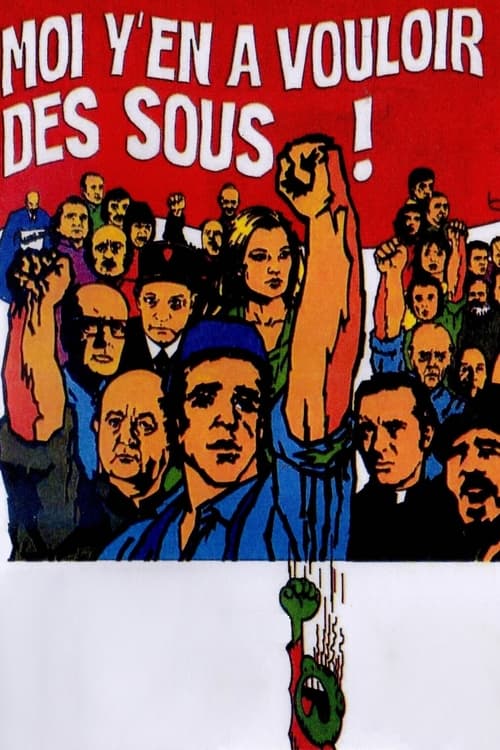
Dismissed following an unfortunate initiative, financial advisor Benoît Lepape decides to work for his uncle, a union activist. His capitalist methods will surprise at first, but quickly bring in a lot of money.
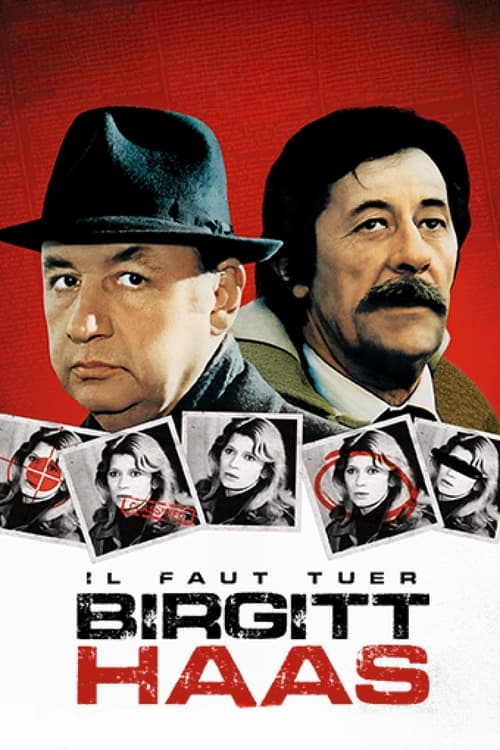
"Hangar" is a new agency whose purpose is to carry out missions even too sensitive for the police or intelligence services. The agency must eliminate a German female terrorist by the name of Birgitt Haas. The murder is to be disguised as a crime of passion, so an agent must lure Birgitt into falling in love.
A little town in the north of France, 1941. Blanche has three children. She worries about her husband Victor, who often goes out at night. Actually, Victor belongs to the Resistance. Soon, Blanche will be a resistant too. In the network, there is also Germinal, the hairdresser. His daughter Marie knows everything and asks to be part of it... Chronicle of the occupation and of the resistance through the eyes of the women.
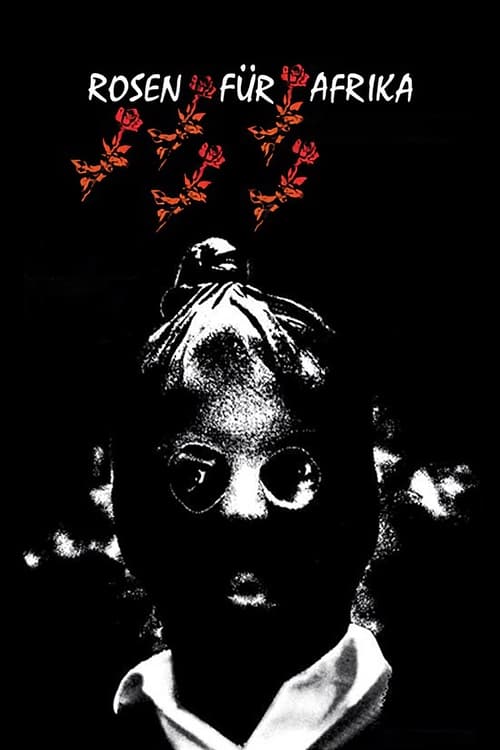
A psychodrama about how injustice is turned into oblivion about an opportunity worker and a woman from the civil house of a marriage for 30 years . Soon the relationship fails due to the aggressive, also destructive tendencies of the man who enters a deep personal crisis. When the marriage coined/shaped of force and Psychoterror goes finally into the breaks, the man looks for comfort in the alcohol and becomes criminal.
Set in Paris 1941, two Jewish boys cling to their lives by doing all sorts of odd jobs, stealing and black-marketeering.
No description available.
A series of rapes causes a stir in a German university town. A special commission led by senior public prosecutor Schildt and detective Gawilek investigates. After months of surveillance, everything points to a chaplain as the masked perpetrator, known as "Zorro". But the investigators were wrong, because "Zorro" strikes again when the chaplain is in custody. This time, charges were also filed. But not against "unknown", but against the son of the senior public prosecutor...