Hans Nieter
Directing
Known For
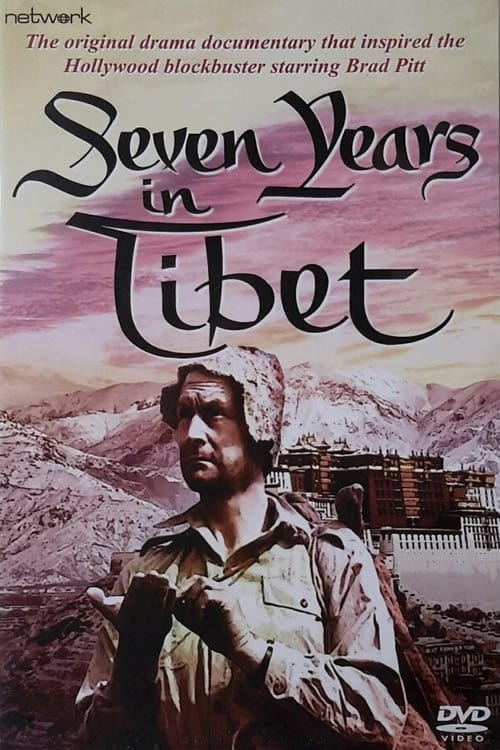
Heinrich Harrer, an Austrian moutain climber, escapes from a British POW camp in India and flees north across the Himalayan mountains into Tibet. There he meets and befriends the young Dalai Lama.
Seven Years in Tibet
Hindu temples at Benares and Belur and the mythologies associated with them.
Temples of India
Filmed in 1938, less than a decade before Indian independence, Delhi has a curious tale to tell. ‘Delhi’, the viewer is informed, ‘is the cockpit of the Indian Empire’, it provides the ‘gateway to the riches of the south’. The opening sections of the film focus upon those who have tried and failed to establish a lasting power in the capital. ‘At Delhi’, the commentator states, ‘successive cities have been built by conquering invaders – each has fallen into disuse and decay’. The camerawork focuses on the ‘impressive ruins’ of these earlier invaders. Although the film also depicts the enduring architecture of Muslim rulers, such as Akbar and Shahjahan, it is stressed that their power has been superseded. Legend has it that it will be the ninth city of Delhi that ‘will endure and will rule forever’. Shahjahan had built the eighth.
Delhi
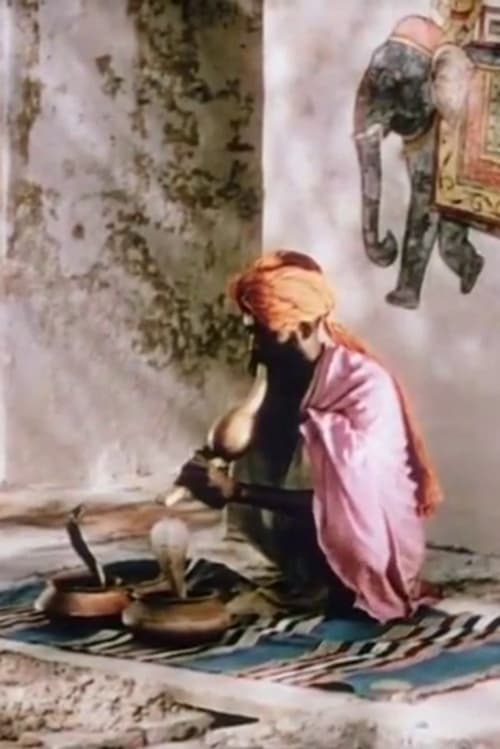
Life on the road in India, showing the traffic, people and animals.
A Road in India
“Travelogue on the city of Petra. Traces four civilisations, each of which found value in re-establishing the life of this city, whose temples and dwellings were shaped out of the caves in the cliff of a mountain range in the heart of the Arabian desert.” - BFI. Shot in Technicolor by Jack Cardiff.
Petra
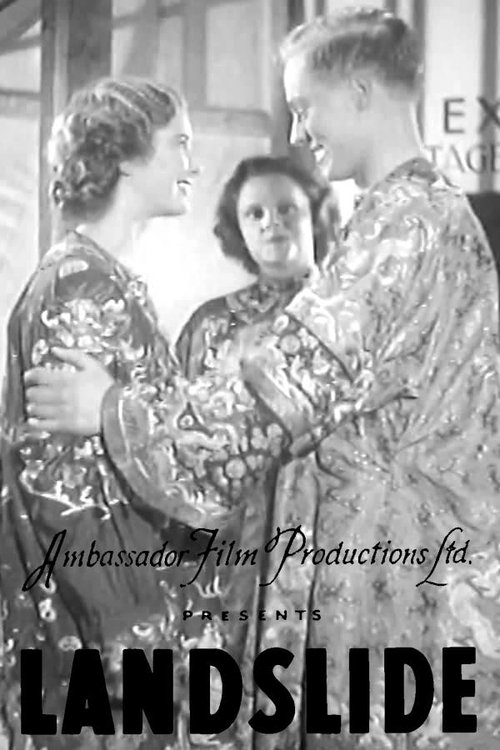
A landslide traps a group of actors in a small theatre in Wales. The cashier is killed, who will be next?
Landslide
Difficulties faced by a newly independent Austria, as well as other competitiveness and conflict between European nations.
The Forbidden Frontier
An Irish-born businessman based in London is kidnapped by colleagues as a joke and flown back to the small village of his birth. There he finds that American gangsters are forcing the local publicans to buy illegally-produced raw spirit with which to adulterate branded products.
Irish and Proud of It
A short directed by John Hanau and Hans Nieter
Arabian Bazaar
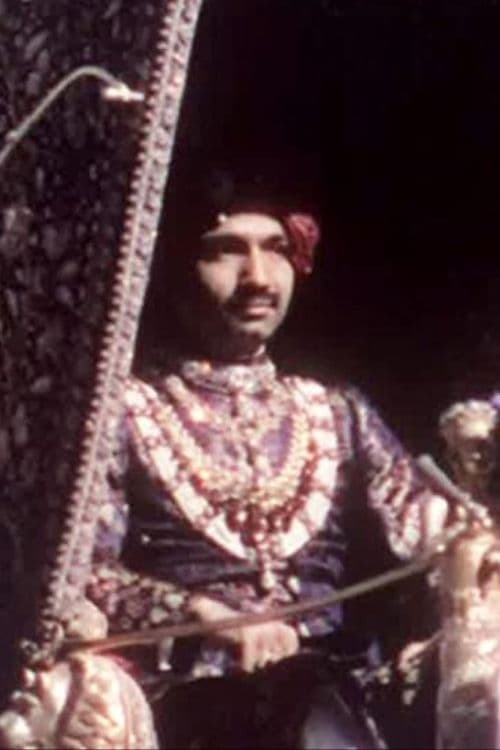
Technicolor scenes from an Indian Durbar, held for the Maharaja of Alwar in Rajasthan.
Indian Durbar
Road safety film, made for children in the late 1940's, using the fictional town of Puddle-Muddle as an example of the correct traffic and pedestrian rules.
The Puddle-Muddle Riddle
A wartime public information film about the history of blood transfusion and how blood transfusion is being used to treat wounded troops. Blood groups and the makeup of blood are explained, the development of a blood transfusion service in the UK and in other countries is detailed, and the work of the British Red Cross and the Army Blood Transfusion Service is seen.
Blood Transfusion
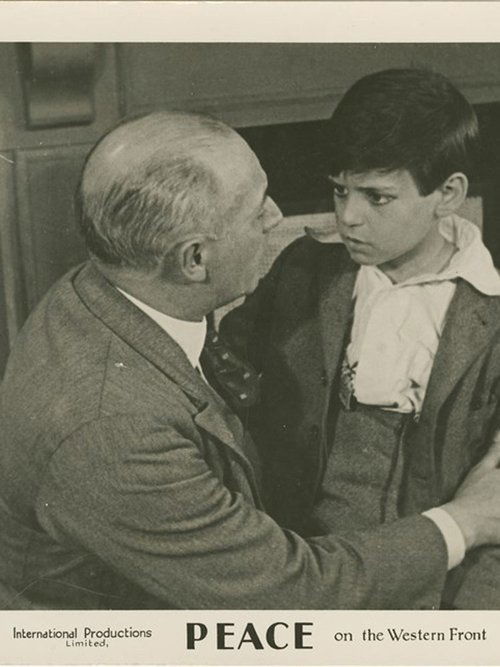
A moving anti-war drama in which a father explains the futility of war to his young son. The film includes flashbacks from the father’s own nightmare experiences alongside documentary footage from Verdun, Arras and Ypres with the message that War is not a glorious adventure but ‘“a hideous ugly thing, involving sacrifices on the part of the finest manhood of every combatant nation”.
Peace on the Western Front
A look at what Scotland offers to tourists.
A Touch of Scotland
Follows a hiker through Skye, visiting Dunvegan Castle and climbing the Cuillins.
Over the Sea to Skye

Technicolor tour of Mt. Vesuvius and surrounding area.
The Eternal Fire
Encouraging tens of thousands of people to strip to the waist and have their photo taken isn't easy. But the chest x-ray screening programme was a key part of the fight against tuberculosis, the cause of over 20,000 deaths in 1943. This film shows factory worker Mary overcoming her initial qualms, and ultimately sending a signed copy of her topless skeleton photo to her boyfriend.
Mass Radiography
British documentary on Tuberculosis.
Defeat Tuberculosis
BAFTA-nominated documentary short commemorating the Catholic Holy Year of 1950.