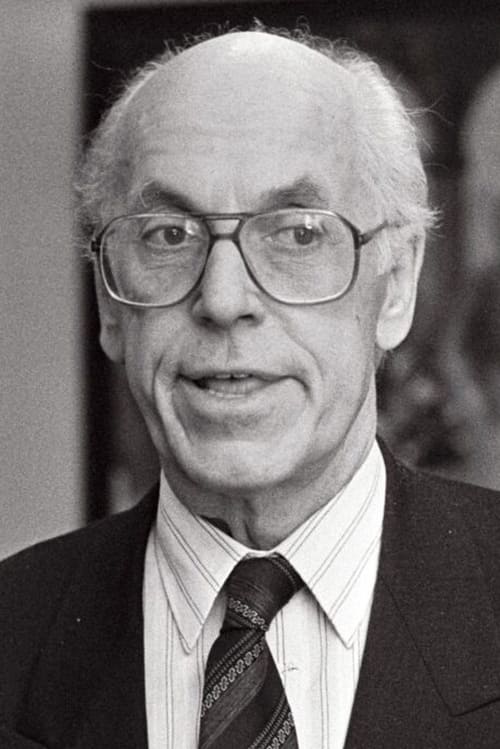
Lennart Meri
Writing
Biography
Lennart Georg Meri (Estonian pronunciation: [ˈlenˑɑrt ˈgeorg ˈmeri]; March 29, 1929 – March 14, 2006) was an Estonian politician, writer, and film director. He served as the second president of Estonia from 1992 to 2001. Meri was among the leaders of the movement to restore Estonian independence from the Soviet Union. Meri was born in Tallinn, a son of the Estonian diplomat and later Shakespeare translator Georg Meri, and Estonian Swedish mother Alice-Brigitta Engmann. With his family, Lennart left Estonia at an early age and studied abroad, in nine different schools and in four different languages. His warmest memories were from his school years in Lycée Janson de Sailly in Paris. In addition to his native Estonian, Lennart Meri fluently spoke five other languages: Finnish, French, German, English and Russian. Lennart Meri and his family were in Tallinn when Estonia became occupied by the Soviet Union armed forces in June 1940. The extended Meri family was split in the middle, half of whom opposed, the other half who supported the Soviet Union. Lennart's cousin Arnold Meri joined the Red Army and was soon made a Hero of the Soviet Union. In 1941, the Meri family was deported to Siberia along with thousands of other Estonians, Latvians and Lithuanians sharing the same fate. Heads of the family were separated from their families and shut into concentration camps where only a few survived. At the age of twelve, Lennart Meri worked as a lumberman in Siberia. He also worked as a potato peeler and a rafter to support his family. Whilst in exile, Lennart Meri grew interested in the other Uralic languages that he heard around him, the language family of which his native Estonian is also a part. His interest in the ethnic and cultural kinship amongst the scattered Uralic family had been a lifelong theme within his work. The Meri family survived and found their way back to Estonia where Lennart Meri graduated cum laude from the Faculty of History and Languages of the University of Tartu in 1953. On 5 March 1953, the day of Joseph Stalin's death, he proposed to his first wife Regina Meri, saying "Let us remember this happy day forever." The politics of the Soviet Union did not allow him to work as a historian, so Meri found work as a dramatist in the Vanemuine, the oldest theatre of Estonia, and later on as a producer of radio plays in the Estonian broadcasting industry. Several of his films were released and have since gained great critical acclaim.
Known For
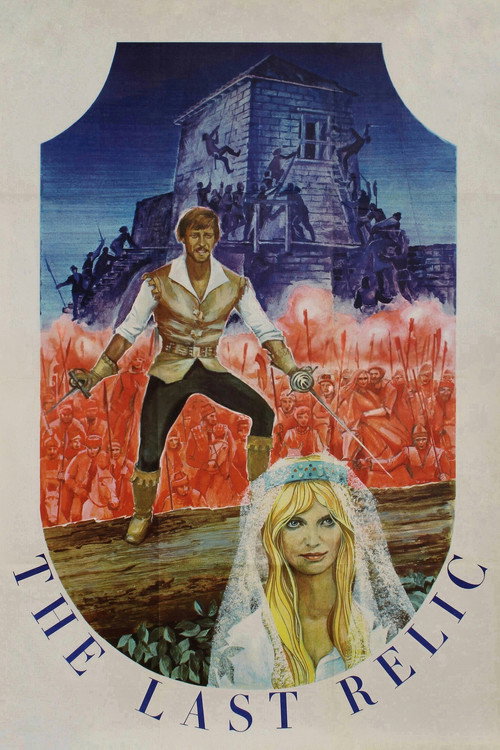
A medieval love story with lots of adventures. The times are troubled - there's a revolt of peasants going on. To secure its safety a monastery chases for a relics of a holy Brigitte. A nobleman promises to get it if he gets beautiful Agnes as a reward. But she fells in love with a handsome adventurer. The monastery has to act shrewd now and play double game.
The Last Relic

The events take place in Estonia in a summer in the 1960s. The Boy and the Girl want to go from mainland Estonia to the island of Saaremaa, but they do not have any money to buy the ticket to the ferry. They manage to hide themselves into a lorry that carries hay. Because they are smoking while they are on the lorry, a fire breaks out. The problem is, that the ferry is in the middle of the sea.
The Midday Ferry
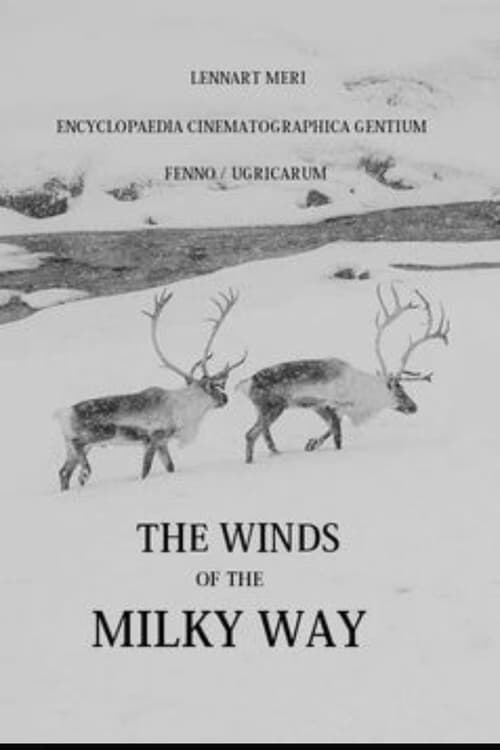
Sequel to the "The Waterfowl People". The author interprets the kinship, linguistic and cultural relationships of the Finno-Ugric peoples. Finns, Vepsians, Votes, Setos, Erzya-Mordvinians, Mansi, Hungarians, Sami, Nganasans, and Estonians appear in the film. The film was shot in 1977 on location in northern Finland, Sapmi, Vepsia, Votia, Mordovia, Khantia-Mansia, Hungary, the Taymyr Peninsula, the Setomaa region in Estonia, and on the Estonian islands of Saaremaa and Muhu. Footage was also shot in 1970 in the Nenets Okrug. The second documentary in Lennart Meri's "Encyclopaedia Cinematographica Gentium Fenno - Ugricarum" series.
The Winds of the Milky Way
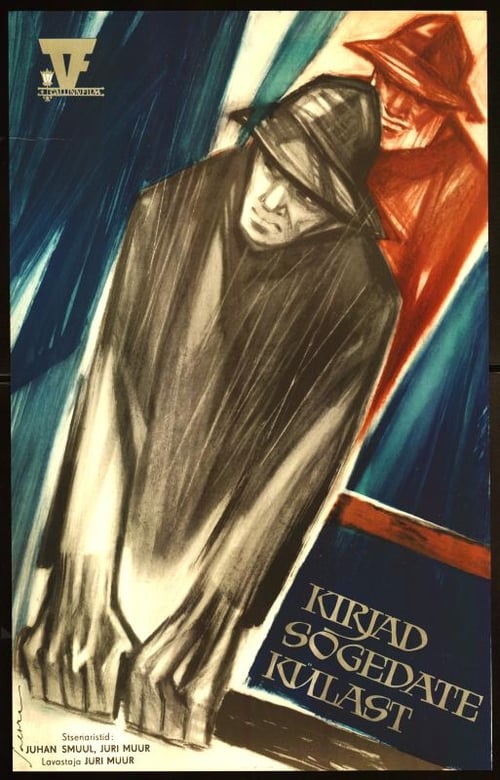
Martin Puri is an elderly fisherman who is told to retire because of his old age. When a group of people has to be saved from a boat in an autumn storm, Martin understands that one cannot act against the sea but together with it.
Letters from the Island of the Insane
In the same vein as Meri's other documentations, this one takes advantage of the glasnost policy to discuss the social and ecologic impact of the Russian oil industry on the natives and the lands they inhabit.
Son of Torum
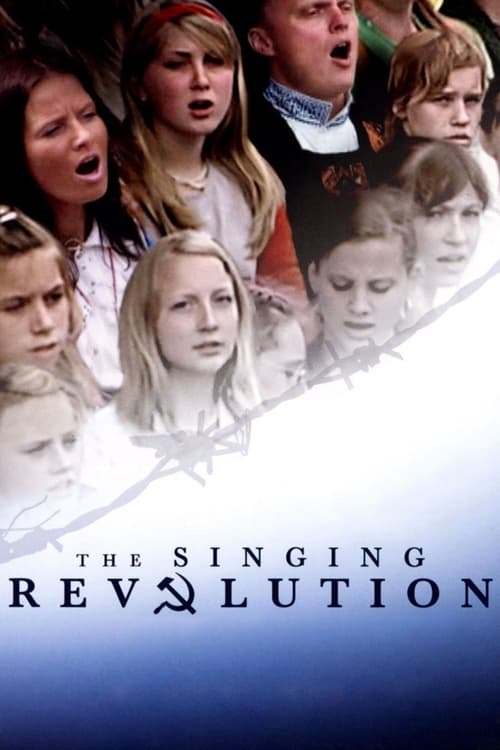
Most people don't think about singing when they think about revolutions. But song was the weapon of choice when, between 1986 and 1991, Estonians sought to free themselves from decades of Soviet occupation. During those years, hundreds of thousands gathered in public to sing forbidden patriotic songs and to rally for independence. "The young people, without any political party, and without any politicians, just came together ... not only tens of thousands but hundreds of thousands ... to gather and to sing and to give this nation a new spirit," remarks Mart Laar, a Singing Revolution leader featured in the film and the first post-Soviet Prime Minister of Estonia. "This was the idea of the Singing Revolution." James Tusty and Maureen Castle Tusty's "The Singing Revolution" tells the moving story of how the Estonian people peacefully regained their freedom--and helped topple an empire along the way.
The Singing Revolution
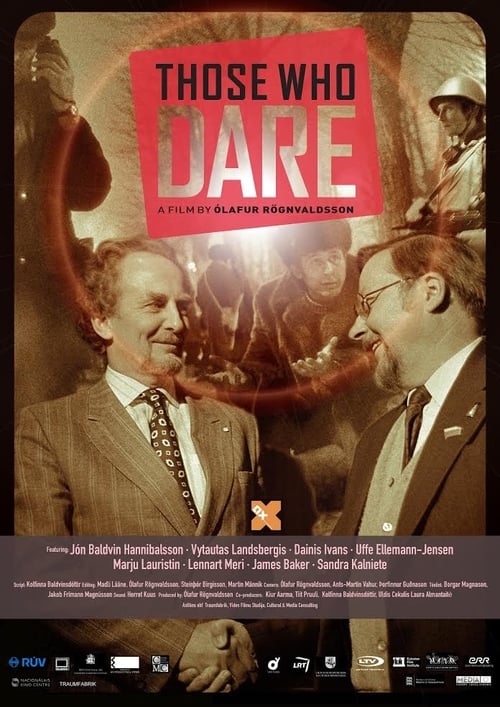
When Mikhail Gorbachev rose to power in 1985, his reform policy sparked an independence movement in Estonia, Latvia and Lithuania. But as cries for help from the Baltic States were met with silence from the international community at large, two small nations – Iceland and Denmark – answered the call, motivated by the personal connections of their foreign ministers, Jón Baldvin Hannibalsson and Uffe Elleman Jensen.
Those Who Dare
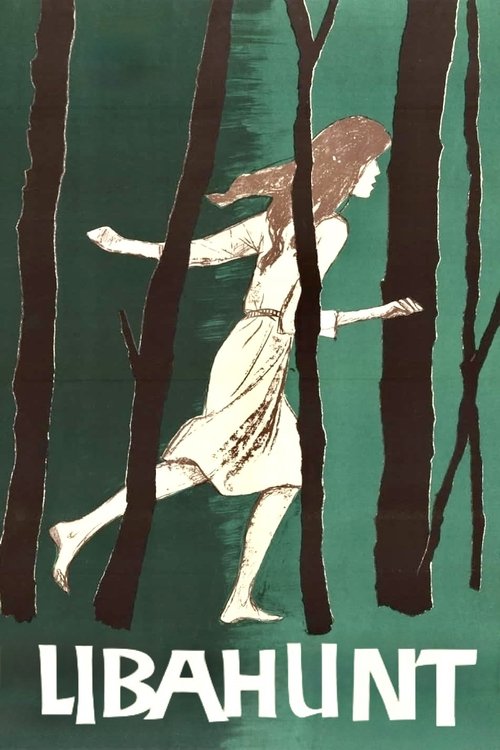
There are three children growing at Tammaru farm - one boy, Margus; and two orphan girls, Mari and Tiina. Margus' parents want him to marry Mari instead of Tiina as she is more their kind. Hotblooded Tiina is completely different from them and her mother was once executed for being a witch. Thinking that Tiina has bewitched Margus, Mari starts to publicly accuse her stepsister of being a werewolf.
Werewolf
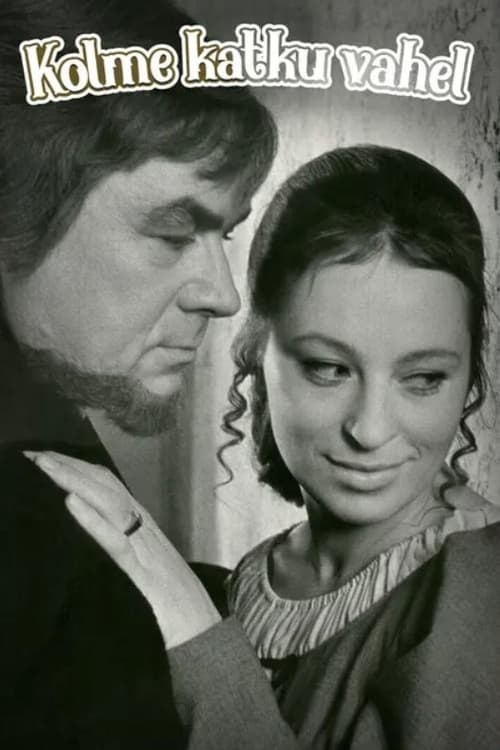
The story of Balthasar Russow, an Estonian pastor from the 16th century, his life and life's work - writing The Chronicle of Livonia.
Between Three Plagues
Through four nonlinear but interconnected Finno-Ugric storylines, approximately 7,500 years ago, traces of the Kaalo meteorite – that struck the Estonian island of Saarema – left a profound mark on the peoples living along the Baltic Sea, shaping local myths and legends.
Silverwhite
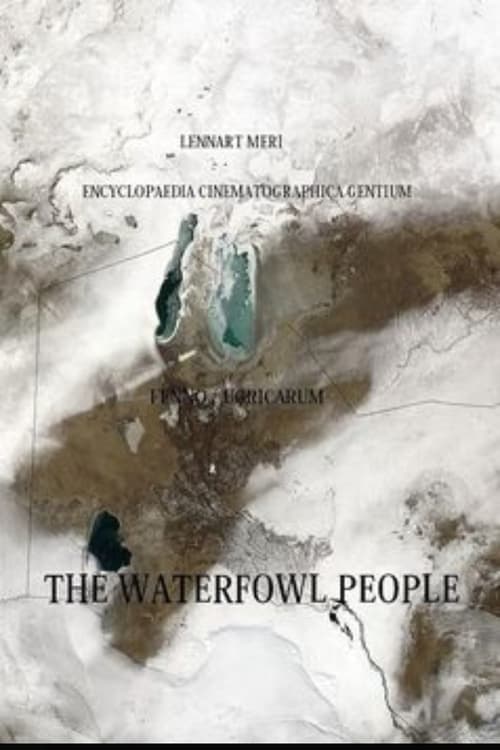
A documentary about the histoy and linguistic ties of the Finno-Ugric, and Samoyedic peoples. Speakers of the Kamassian, Nenets, Khanty, Komi, Mari, and Karelian languages were filmed in their everyday settings in the late 1960s and early 1970s. The footage was shot in Altai Krai, the Nenets Okrug, Khantia-Mansia, Uzbekistan, the Komi Republic, Mari el, Karelia, and Estonia. The first documentary in Lennart Meri's "Encyclopaedia Cinematographica Gentium Fenno - Ugricarum (1970 - 1997)" series.
The Waterfowl People
Pikk Street is one of the most important thoroughfares of Tallinn’s Old Town. The picture playfully combines hidden camera footage with more observational images, employing shots from unusual angles; these are accompanied by specific sounds and interesting musical themes. The result is a true cinematic adventure.
Pikk Street
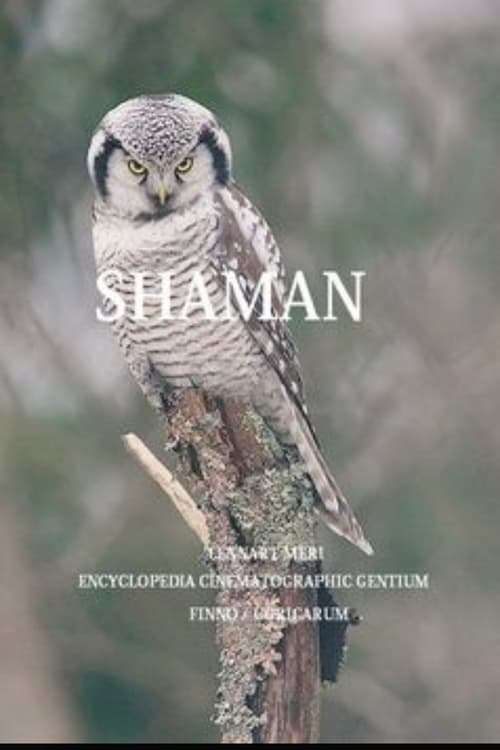
"Shaman" was filmed on July the 16th, 1977 in the northernmost corner of Eurasia, on the Taymyr Peninsula, at the Avam river, concurrently with the shooting of the documentary "The Winds of the Milky Way". The Nganasan Shaman Demnime (1913-1980) was 64 years old at the time. The documentary about Demnime's incarnation ritual was completed 20 years later. The fifth and final documentary in Lennart Meri's "Encyclopaedia Cinematographica Gentium Fenno - Uricarum" series.
The Shaman

A three-act film-essay about memory and the historical-cultural ties of the Finno- Ugric peoples. The first chapter is dedicated to ancient Bearese of memory, such as Karelian cliff drawings, Kalevala runo song and Khanty bear feast rituals. the second act portrays the visit of Elias Lonnrot, compiler of the Finnish national epic Kalevala, to Estonia and his meetings with local intellectuals. Part three re-enacts an ancient smelting and blacksmith ritual set to Veljo Tormis' cantata 'curse upon iron'. Filmed in 1985 in Uhtuo, Karelia; in Khantia-Mansia at the Agan river, a tributary of the Ob; and in Estonia (Tallinn, Kuusalu, Tartu, Voru, Litsmetsa in Voru county, Lullemae, Karula, Rongu, Narva, and at a bend of the Pirita river). The third documentary in Lennart Meri's "Encyclopaedia Cinematographica Gentium Fenno - Ugricarum" series.
The Sounds of Kaleva
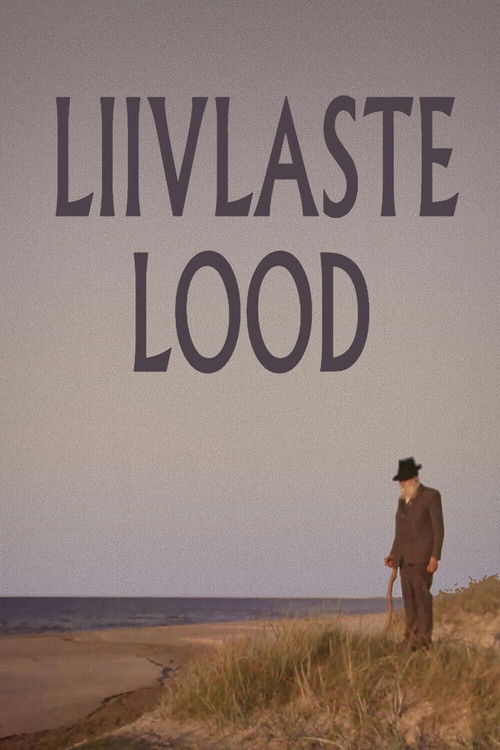
Livonians are among the smallest Finno-Ugric nations still existing today. They are the closest kindred people to Estonians and Livonian language is the closest one to Estonian language. Currently, there are only a few dozens of speakers of Livonian language left and even for them Livonian is not their native tongue. However, there are about 200 people who consider themselves as Livonians; most of them live in Riga, Ventspils and Kūolka, Latvia. Livonian coast in Courland (Kurzeme in Latvian) once had twelve villages inhabited by Livonian people - now there is no one left there who would fluently speak the language. Only a few people can speak the story of their small nation in their own native language. The documentary has been filmed in 1988 and 1990 in Livonian villages on Courland peninsula and in Riga, Latvia. Archival materials dating back to the years of 1940 and 1966 have been also used in the film.