Camera
No description available.
A story about doomed love between two people from different worlds and the impact in their lives. Based on the novel of the same name by Portuguese writer Camilo Castelo Branco.
Short film by Fernando Lopes, decisive figure of the Portuguese New Wave.
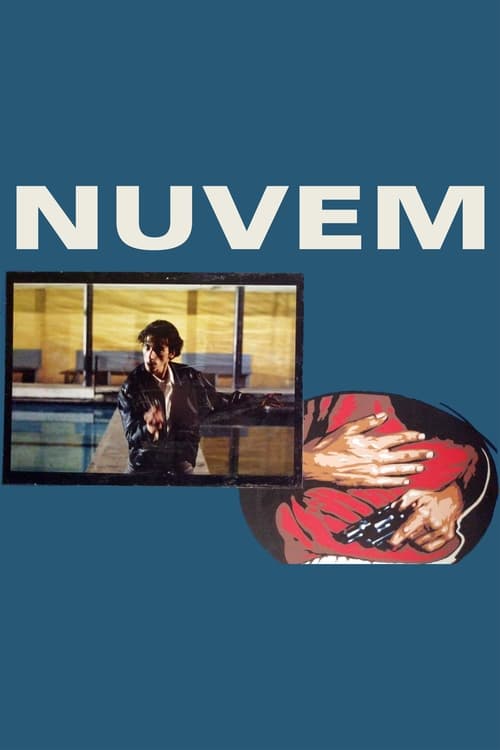
Tomás is a young teenager who fights for the leadership of a small marginal group. One night, in the world that he cannot control, his fallout leads to the death of one of the group's members. Laura, the possible witness to the crime, becomes a threat.
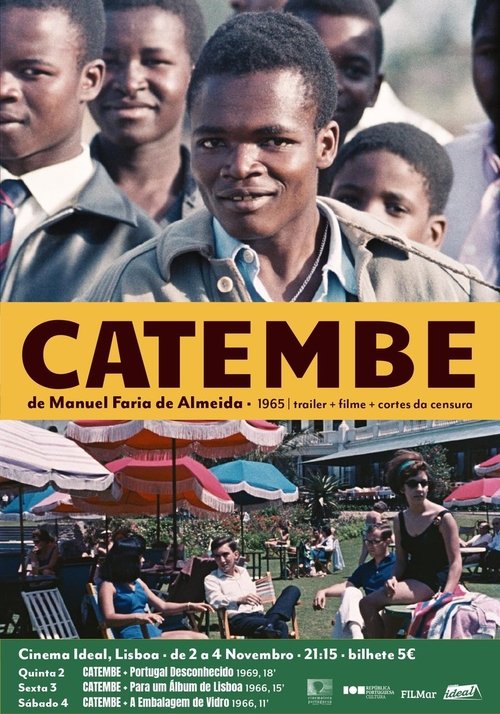
This documentary shows a typical Sunday in Mozambique's capital, tourist main attractions, an inquest in Lisbon about the perception of the people in the street about what life was like in that African colony (or, as the Government had it then, "province"), and then interviews and scenes of Lourenço Marques fishermen and a bar waitresses. African folk music and dance were used as documents and background for the text narration.
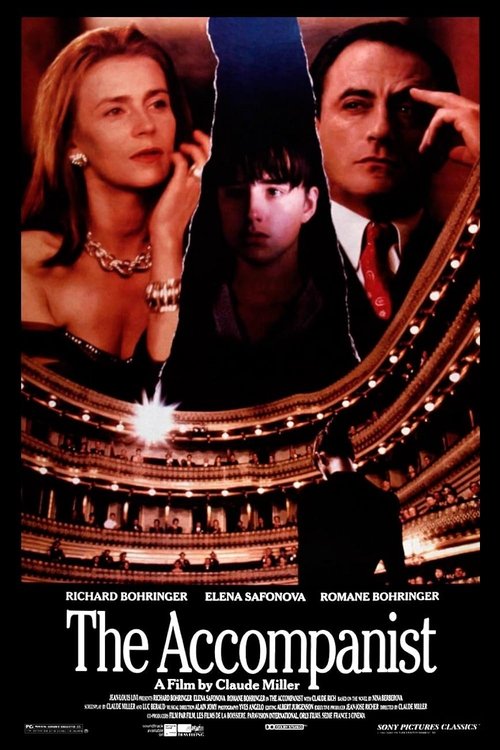
In Nazi-occupied Paris, a young accompanist named Sophie Vasseur gets a job with famed singer Irene Brice. As Irene's husband Charles, a businessman collaborating with the Nazis, wrestles with his conscience, Sophie becomes obsessed with Irene, taking on the role of maid as well as accompanist, living life vicariously through Irene's triumphs and affairs.
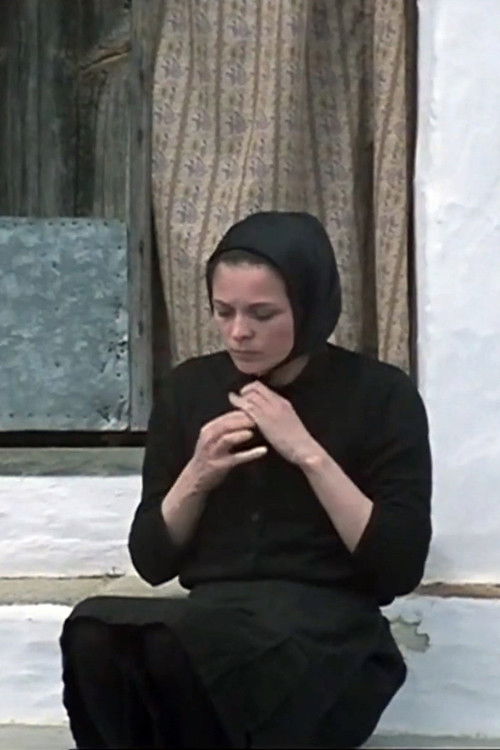
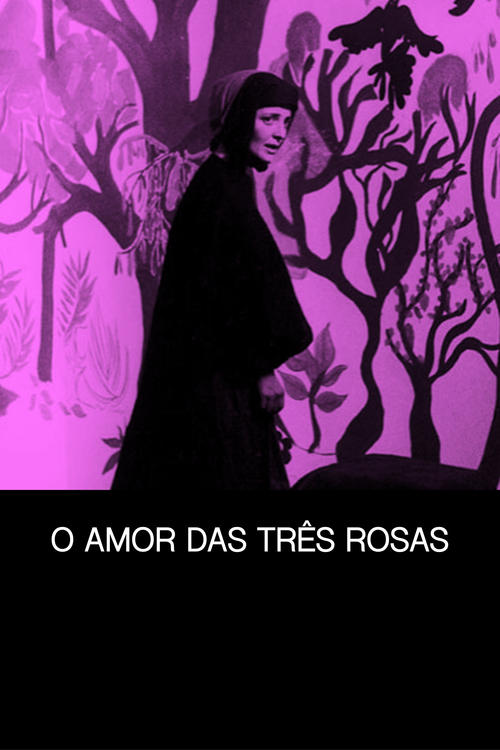
In this highly theatrical TV production, Monteiro again draws on the world of folklore – and, more precisely, on the widespread sexual connotation of the pomegranate – to tell a tale of love, envy, treason and mistaken/double identities.
Ofelia is the daughter of photographer Miguel and of deceased circus artist Lea. When her father is hospitalised with a nervous breakdown, she decides to find out the reason and in doing so discovers the truth about the relationship between her parents and the true fate of her mother.
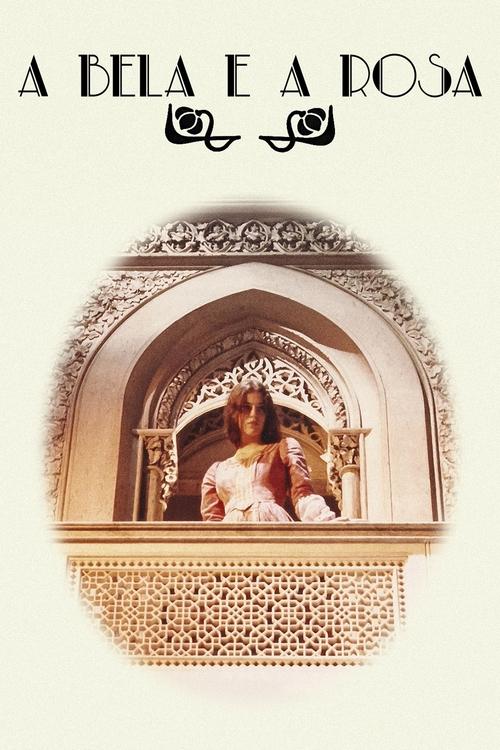
A devoted daughter, Bela, agrees to live with a magical snake to spare her father after he steals a rose from its garden.
Set in the early 1970s, Pôr do Sol no Areeiro has an excellent storyline, perfectly capturing the mindset of the bourgeoisie of the Avenidas who trade cars, feelings, and people with the ease of an amorality that was typical of Lisbon society at that time.
A story about character created by Reinaldo Ferreira (1897-1935), action reporter, mystery novelist and emotion journalist.
The Soares are a bourgeois couple, living in a good neighbourhood of Lisbon, but João, their son, is not integrating well in that pattern. He attends more political meetings than classes at the Faculty of Economy, and gets a job but that's short lived because his female boss makes him her lover. He longs for the coffee shops, and the companions of old, but he doesn't get true love from anyone.
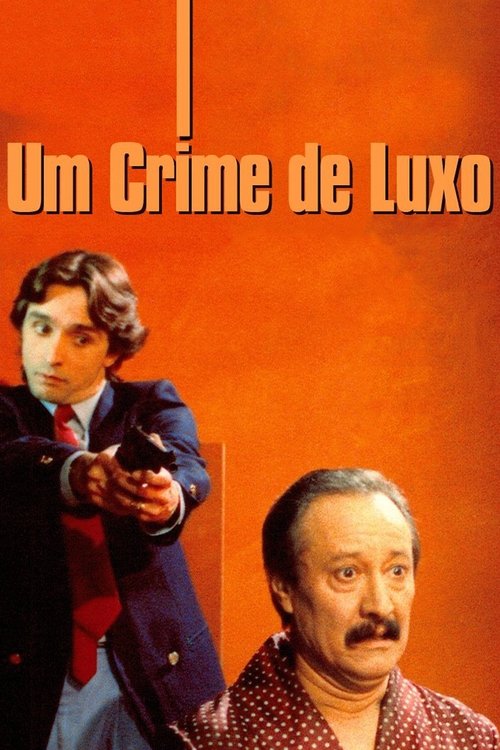
Pontius Branco was a climber of the economy, climbed by money like Mount Everest. aggressive businessman. His wife Bernarda felt betrayed. He replaced her for the orgies between the purchase intervals, sells and deceives. Here comes the train from 15:30 to Lisbon a coming emigrant from France with a five year old daughter in her arms and attacks Pontius in his stronghold, demanding recognition of the daughter of sin, Libertina that he had made her "bidonville» on the city of light. Bernarda hires a private detective to obtain evidence of Pontius's adultery with a curvaceous blonde, whose dream was to own butchers, fishmongers and vegetable places in a shopping center. Pontius who all deceived and this triangle (not Bermuda), weaves the web and bore's the head of the entrepreneur. A perfect luxury crime puts the police overtime. Time passes and only after the Seventh Day Mass is brought to light when the sky was given the eclipse of the moon ...
A story about doomed love between two people from different worlds and the impact in their lives.
The film follows soldiers escape and wander, talk, and drift aimlessly.
José Pereira, a young medical graduate, meets a young and ardent Maria Eugénia. The time is the eve of the Portuguese Revolution, on 24th April 1974 and only a short time elapses between courtship and marriage. The young pair are very much in love, but José begins to have doubts about the "honesty" of such intense feelings of love, feelings which are too intense (or hot) to him . If Maria Eugénia is like this with him, will she be the same with other men?In the meantime, the Revolution takes its course. José, who previously had been persecuted because of his opposition against the old regime, now feels "left behind" and frustrated.
A man finds a mansion with a strange inhabitant.