Acting
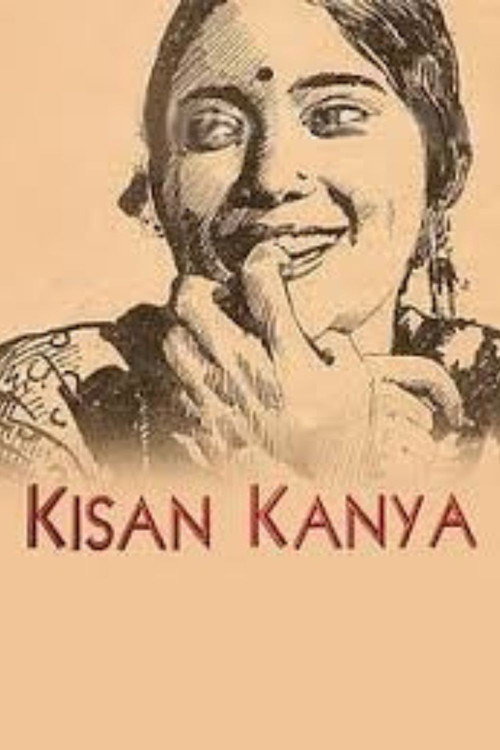
Kisan Kanya is a 1937 Indian Hindi-language film directed by Moti Gidwani and produced by Ardeshir Irani under the banner of Imperial Pictures. Made using Cinecolor, the film is based on a novel by Saadat Hasan Manto that highlights the struggles of poor farmers. The film is historically significant as India’s first indigenously made colour film. While V. Shantaram's Sairandhri (1933) featured scenes in colour, it was processed and printed in Germany, distinguishing Kisan Kanya as the first colour film entirely produced within India.
A love affair and two feuding families who play out a Romeo and Juliet type drama in 17th century India, under the Emperor Jehangir.
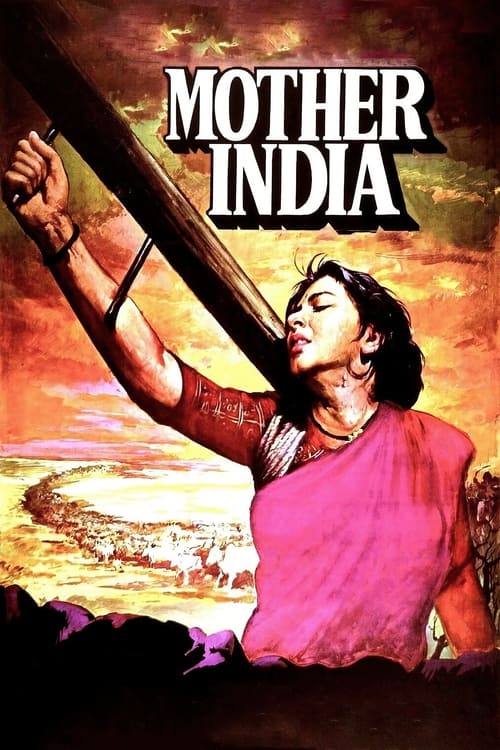
A poverty-stricken woman raises her sons through many trials and tribulations. But no matter the struggles, always sticks to her own moral code.
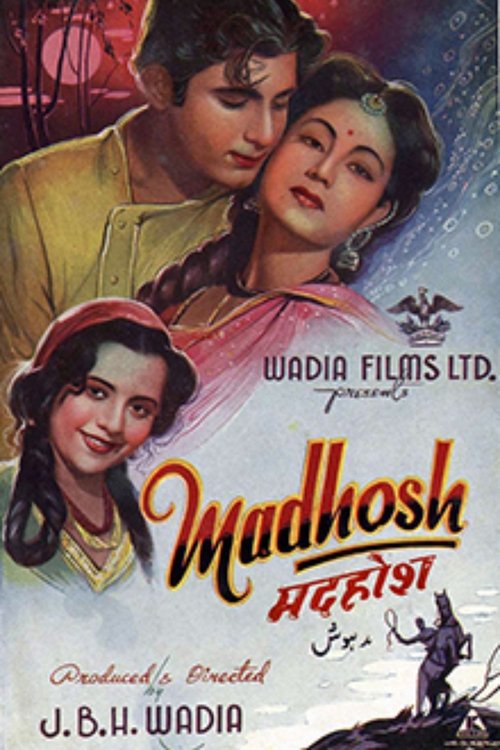
Two warring families in the town of Sajalpur find their generational conflict tested when the arrogant son of one, Raya, falls truly in love with Soni, the daughter of the other, forcing him to confront his reckless nature and sparking a dramatic rivalry with a woman from the jungle also captivated by him.
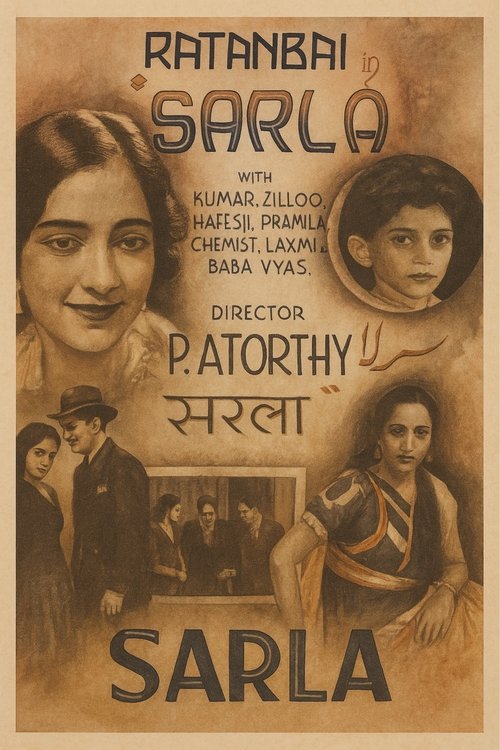
Melodrama warning women to be dutifully subordinated wives and not to be tempted by modernising trends towards individual emancipation. 'The orphaned Sarala (Rattan Bai) is estranged from her loving husband Ramdas (Kumar) by the wiles of villain Avilash (Hafizji). She runs away and, following divine intervention in the form of an earthquake, escapes the villain's clutches. Living as a beggar, she finally dies in the arms of her husband begging forgiveness.
A man's birth is foretold by an astrologer: he will follow a prostitute, wield a knife, and face the gallows. These prophecies come true in unexpected ways, as he finds salvation through a sacrificing prostitute, becomes a surgeon, and battles personal demons, all while grappling with destiny.
The King of Yemen, after gaining the ability to speak with animals, tragically discovers he's accidentally thrown his son into the ocean. He tells his Queen, then mysteriously becomes incapacitated. His only cure: a magic flower from the mouth of Princess Meherangez of Sistan. Heroic Prince Umar sets out to retrieve it.
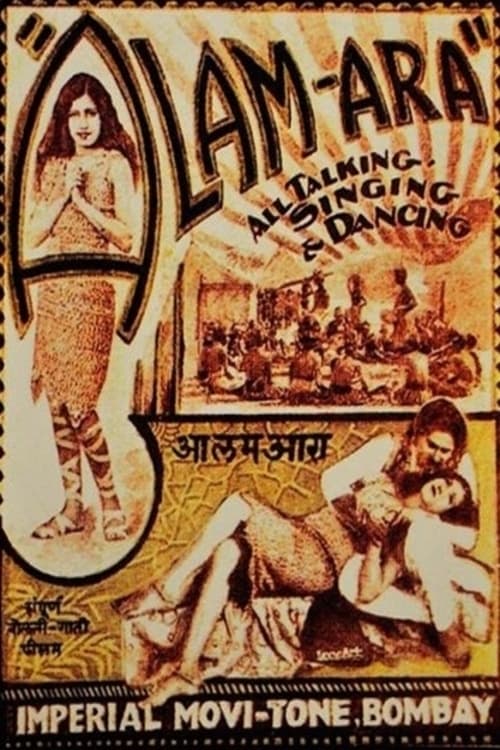
A period fantasy that told of the ageing king of Kamarpur, and his two rival queens, Navbahar and Dilbahar, and their rivalry when a fakir predicts that Navbahar will bear the king's heir. Dilbahar unsuccessfully tries to seduce the army chief Adil (Vithal) and vengefully destroys his family, leaving his daughter Alam Ara (Zubeida) to be raised by nomads. Eventually, Alam Ara's nomad friends invade the palace, expose Dilbahar's schemes, release Adil from the dungeon and she marries the prince of the realm.
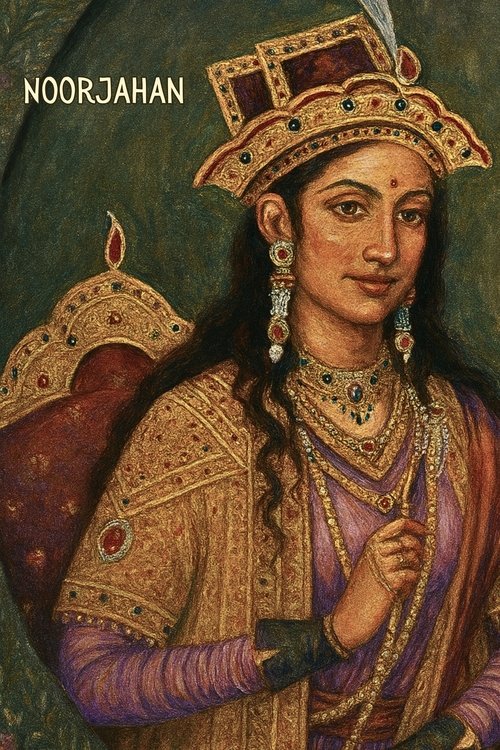
This silent historical drama chronicles the life of Mehr-un-Nissa, who rises from humble beginnings to become the powerful and influential Empress Noor Jahan, wife of Mughal Emperor Jehangir. The film explores her intelligence, beauty, and significant role in shaping the Mughal Empire.
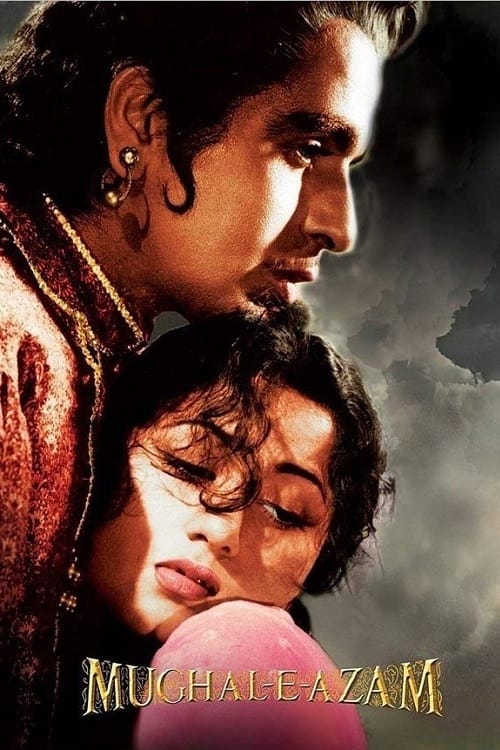
In the 16th century, when Prince Salim falls in love with a beautiful courtesan named Anarkali, Emperor Akbar's disapproval leads to a battle between father and son.
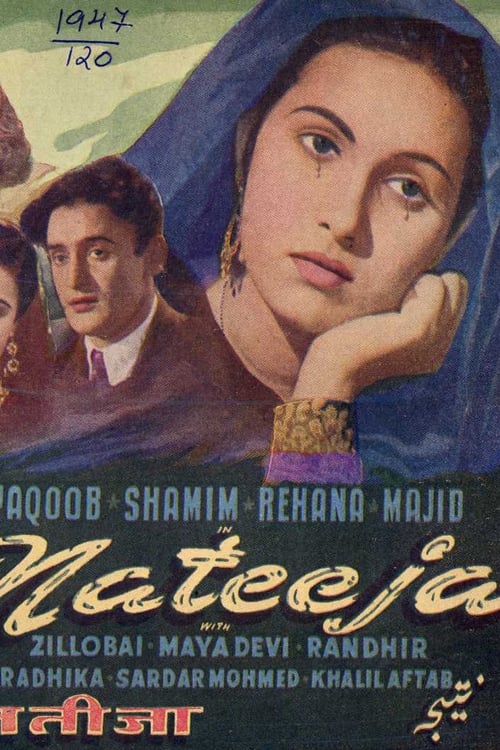
1947 bollywood film.
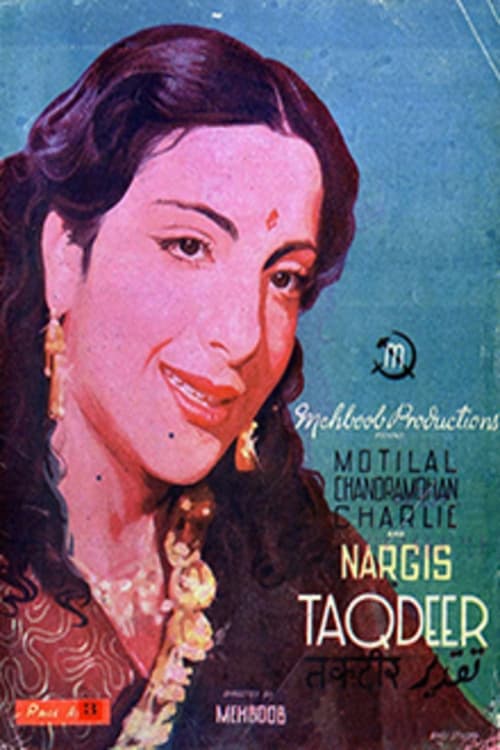
In between his more ambitious Najma (1943) and Humayun (1945), Mehboob made this lightweight comedy about Justice Gangaprasad (Chandramohan) and theatre-owner Seth Badriprasad (Charlie) who lose their daughter and son respectively in the Kumbh Mela.
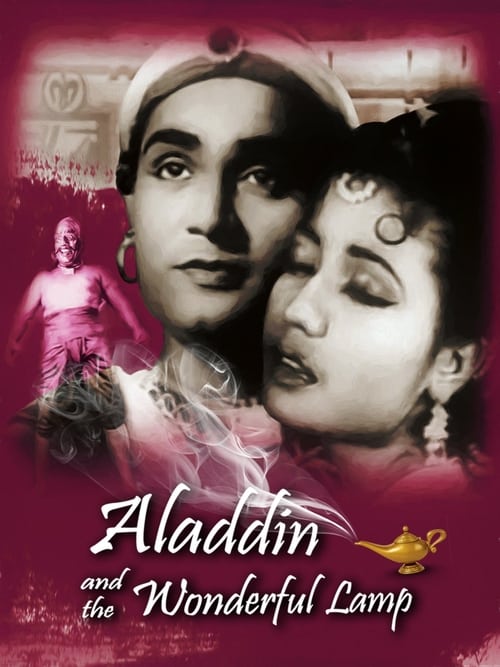
The film follows the adventures of Aladdin and his finding a magical lamp which helps him in attaining the love of Princess Badar.
A grand Mahabharata adaptation, this film focuses on Duryodhana's plot to usurp the Pandavas' kingdom. It culminates in the infamous dice game where Yudhishthira loses everything, including Draupadi, whose honor is miraculously saved by Krishna during a public humiliation.
An epic drama idealising Indian wornanhood. Prince Madan (Kumar) loves university colleague Radha (Rose). The villain Lalsingh (Mubarak) and his sister Vasanthi (Pramila) get him banned from the realm by the king (Vyas), but he marries his beloved anyway. Radha's estranged mother (Jilloo) becomes a priestess distributing free grain. When Radha goes blind, she is abandoned by her husband and unknowingly meets her mother. An earthquake restores Radha's sight and allows her to find a buried treasure. Masquerading as the wealthy Princess Chandni, Radha teaches a lesson to all her tormentors, including the king, the prince and the villain.
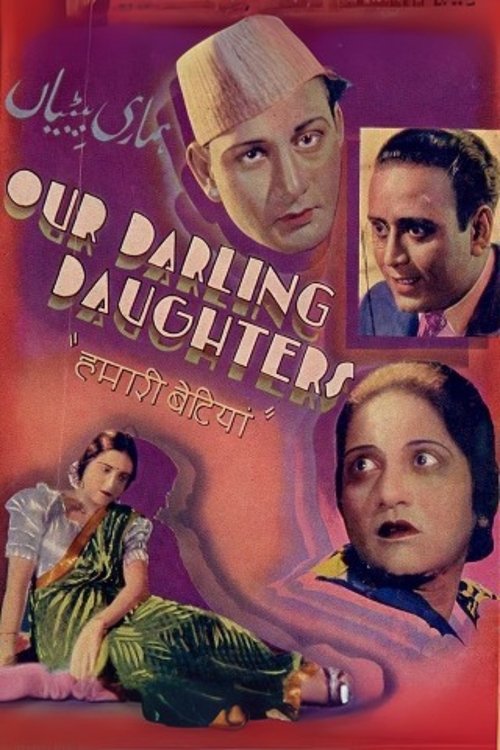
A disgraced widow is forced to work as a maid for her fatherless child.
The film begins after Alexander the Great (Sikander in Hindi/Urdu) conquers Persia and the Kabul valley and approaches the Indian border at Jhelum. Sohrab Modi plays the Indian king Puru (Porus to the Greeks). The story goes that when Sikander defeated Porus and imprisoned him, he asked Porus how would he like to be treated. Porus replied the same way a defeated king is treated by the winner (meaning killed).
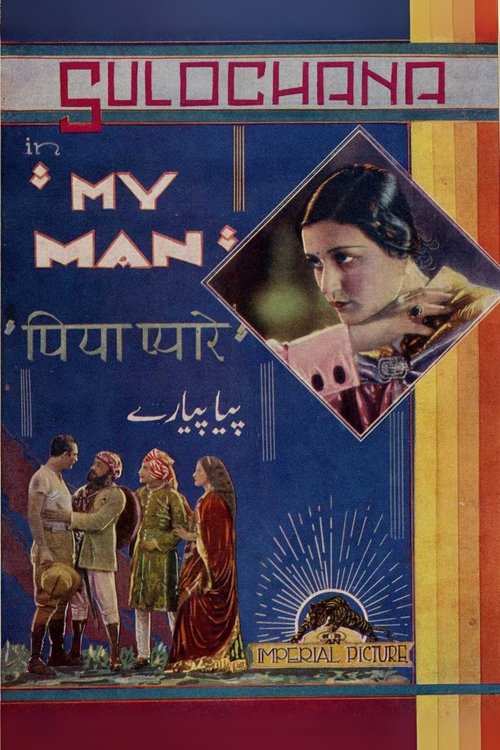
In a Rajput-style court, the king's younger wife, Taramati, is condemned for infidelity, and her son Chandrakumar is sent away. The king's elder wife has twins: Princess Chanda and the deceitful Jaisingh, who is later revealed to be an imposter. The romantic outlaw Rohil helps restore order to the kingdom, delighting Princess Chanda. It is eventually discovered that Rohil is the long-lost son of the good chief Sajjan Singh. The film features elaborate scenes of a tiger hunt and a cheetah taking away an infant Rohil.
Indian horror movie from 1925.
An honest but unemployed young man, Yogen, falls for the wealthy, independent Sadhana after a chance encounter, but his desperate circumstances lead to a crime tried by Sadhana's own father, the prosecutor, creating a profound social and legal barrier to their love.