Acting
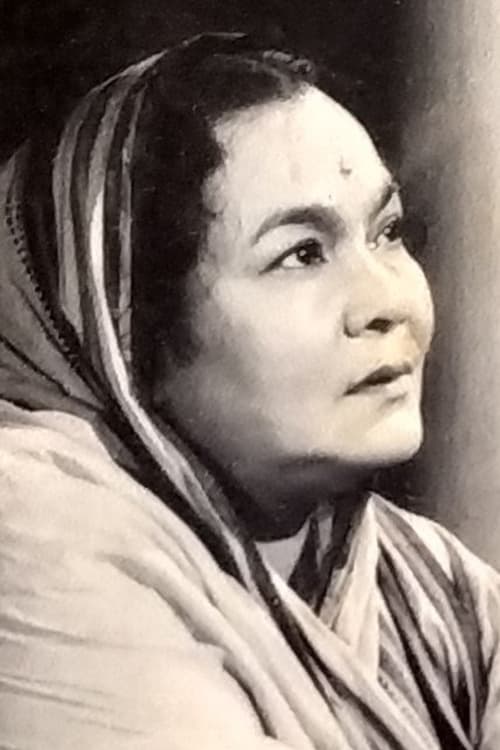
Rajlakshmi Devi is an Indian actress worked in Hindi ,Bengali & Urdu movies
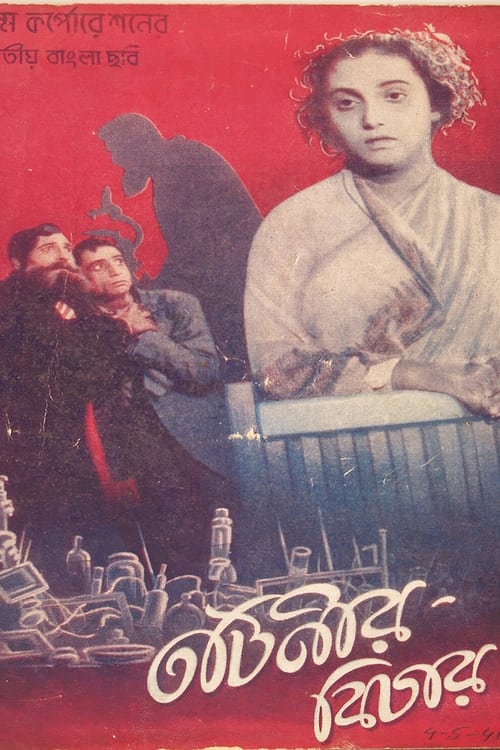
The stories of three sets of people, linked by their connection to an old suburban house in Calcutta- An orphaned young woman who desperately wants her husband to make up with his estranged parents so that she may belong to a family once more, a wayward young man desperate to find a job to support his aged father and his widowed sister-in-law, and a shadowy neighbourhood ‘madman’
The story follows a wealthy, arrogant man named Indra who undergoes a profound moral awakening after facing harsh truths about life, love, and societal justice.
A 1939 Bengali Drama Film directed by Prafulla Ray.
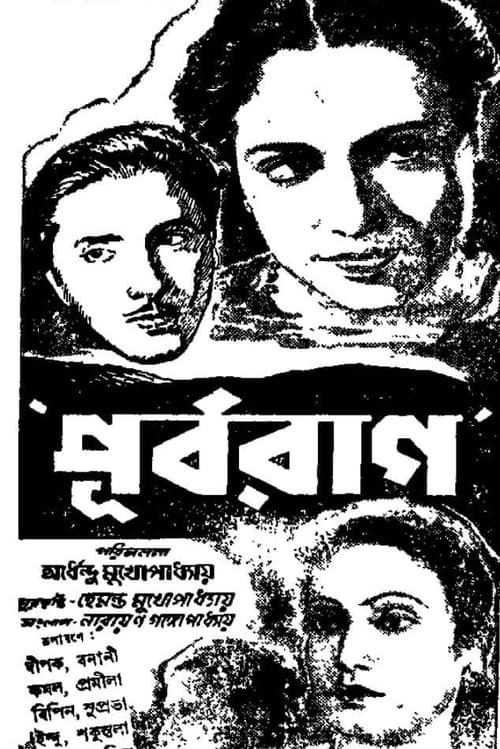
Purbarag follows the journey of Indranath, a young man deeply influenced by his early childhood experiences. Orphaned at a young age, Indranath finds solace and guidance from his teacher, Jatileswar Chatterjee, and his family. After completing his education, Indranath returns to his hometown and encounters both familiar faces and new challenges. The film explores themes of loss, love, friendship, and the search for meaning in life. Indranath's experiences reflect the societal changes and cultural shifts of the time. Through his interactions with various characters, he grapples with the complexities of human nature and the importance of personal values.
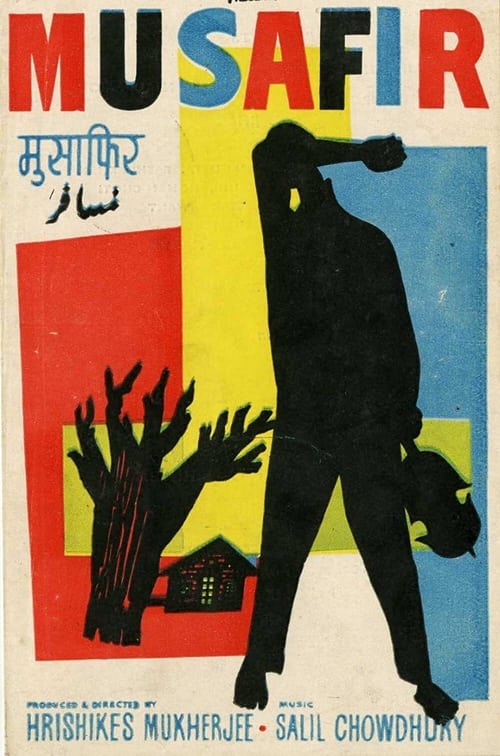
Kundan, a nomad, is offered a music deal when his songs are noticed by a pair of music directors. His lover, Rupa, convinces him to accept it but misunderstandings cause a rift in their relationship.
Four sets of friends spend Halloween weekend at the Beautiful Creekside "Kamp of Antietam". Each attending is promised a "Once In A Lifetime" experience, but there's more than just fresh air and fishing going on at the K.O.A.
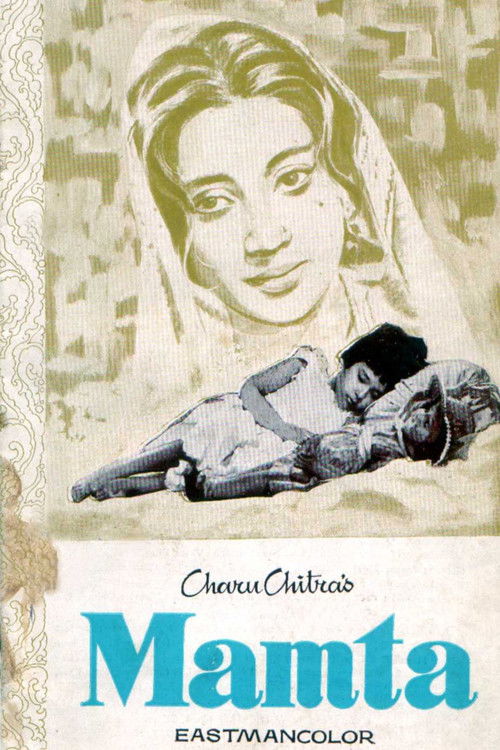
The son of a wealthy family, Monish falls in love with Deviyani, a girl from a considerably less privileged background. When Monish leaves to study abroad, the lovers plan to reunite, but desperate financial straits force Deviyani into a marriage with a philandering drunk instead. Deeply unhappy, she flees, taking her infant daughter with her and vanishing into thin air. Does fate have more than misery in store for the unfortunate Deviyani?
A working-class leader confronts a villainous factory owner, falls in love with the boss's daughter unaware of her family origins and, after many adventures and setbacks, it is revealed that the hero is in fact the official heir to the property the villain had usurped. An influential Bengali novelist acknowledging allegiance to socialism, Mitra's studio-bound film concentrates on showing the milieu of the rich while the dialogues make numerous references to the workers and the poor.
Anup loses his job writing speeches for a wealthy industrialist and decides to focus on finishing his novel. But when his former boss steals Anup’s unpublished book, he throws himself into socialist politics.
A 1949 Indian Bengali Drama Film directed by Deb Narayan Gupta.
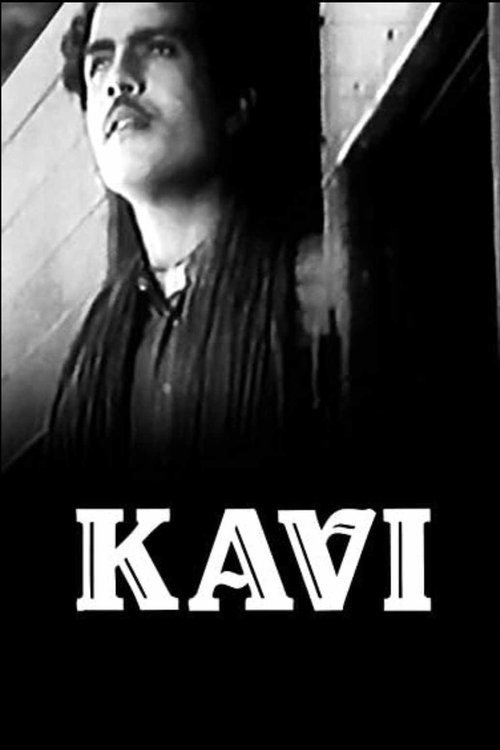
A railway porter, Nitai, gains a reputation as a poet after participating in many debates. However, his life is filled with tragedy when he gets involved with women he is not supposed to be with.
Sisir Kumar Bhaduri's Palli Samaj. A 1932 Bengali Talkie Film directed by Sisir Kumar Bhaduri.
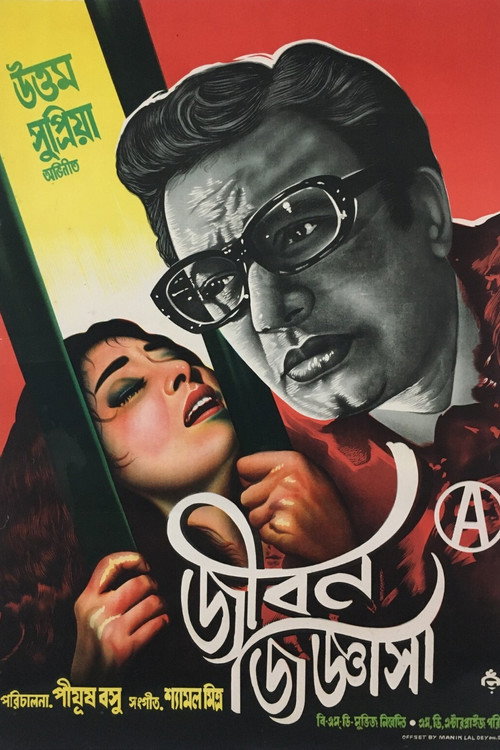
A 1960 Bengali Romantic Drama Film directed by Jiban Gangopadhyay, featuring Mahanayak Uttam Kumar & Supriya Devi in lead roles.
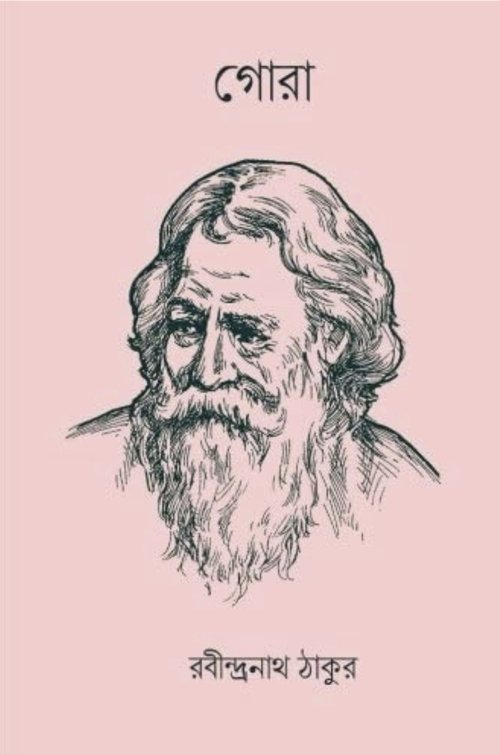
Gora and Mahim were two sons of Krishna Dayal Babu. From childhood, Bijay and Gora were friends. Through an accident, Bijay was introduced to Paresh Babu's family. Paresh was a Bramhin. So Gora did not like Bijay's visit to that house. Gora's mother was very anxious about Gora's Hindusim. Krishna Dayal was also very annoyed being an orthodox Hindu. As per his father's request, Gora went to Paresh Babu's house. Paresh babu's wife Bhadra Sundari was not happy seeing Gora there. But Gora had a real conflict with Haran Babu. The marriage of Haran Babu and Suchitra was almost fixed. The reason of the conflict was that, Haran Babu always thought of himself to be a social reformer and saviour of Brahma religion.
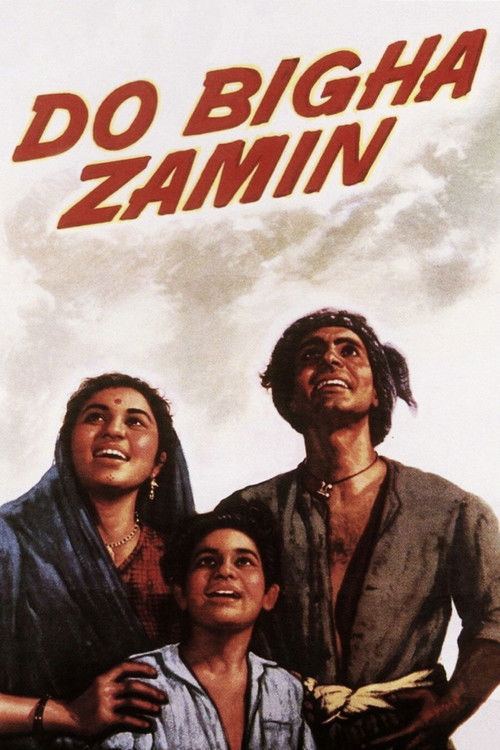
After falling for a cunning landlord’s scheme, a farmer (Balraj Sahni) and his young son (Ratan Kumar) travel to Calcutta in search of work to save money and reclaim their ancestral land.
Shankar and Buddhu are identical twins. Shankar, unbeknownst to Buddhu, has found love with a painter; Buddhu meanwhile falls in love with the painter’s sister, who works at his office. As neither sister knows her lover has a twin, and Buddhu is unaware of Shankar’s romance, confusion ensues.
Kamona is a Bengali drama film directed by Nabendu Sundar. This movie was released on 4 March 1949 under the banner of Kirti Pictures. This is the second film of Bengali actor Uttam Kumar after Drishtidan and his debut as the leading person crediting him as Uttam Chatterjee instead of Arun Kumar Chatterjee.
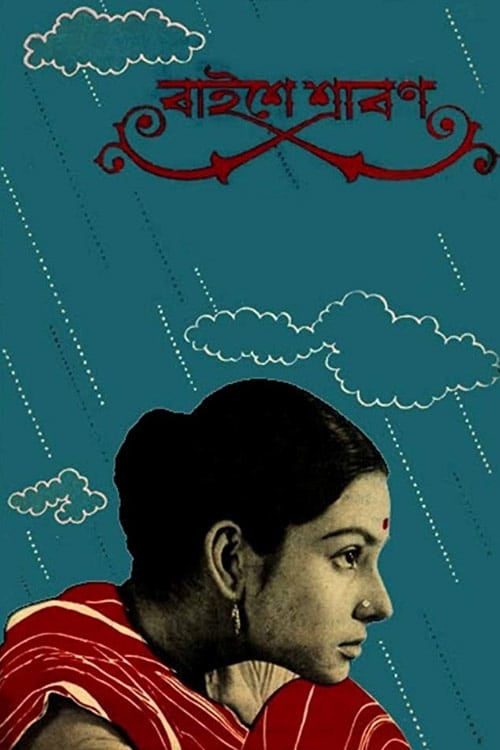
The tragic story set in the late 1930s, just before famine struck Bengal. It tells of the marriage of a dumpy middle-aged salesman of small goods to a beautiful teenager, and how, after initial days of happiness together, a series of misfortunes strike which slowly embitter the man.
Shyamali, who is both hearing and speech impaired, faces several struggles in life. While the man she marries supports her, she is not accepted by her in-laws.
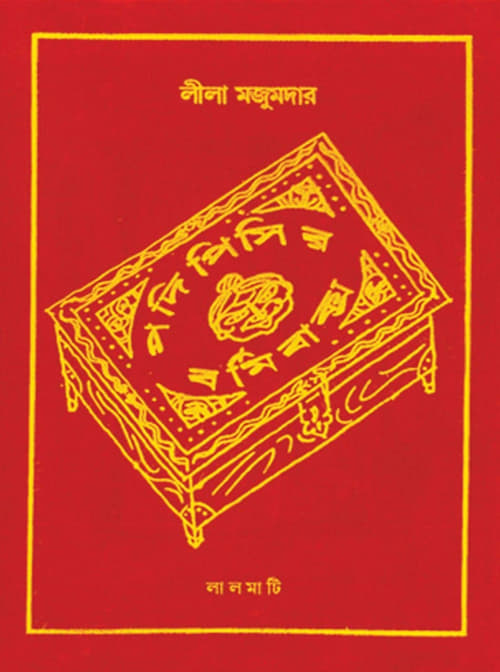
Khoka is a schoolboy who goes to his uncle's house, where he learns about the tales of Padi Pishi (Aunt Padi), a formidable widow. She had once gone to Khuro's house to meet him, but bandits attacked her. When Khuro got to know about it, he offered her bribes from his loot so that the news would not be public. Padi Pishi then took a precious Burmese box that was hidden in Khuro's house. Before Padi's Pishi's death, she did not reveal the hiding place to anyone except her son Goja. The entire family searched for the missing box but could not recover it. A private detective also searched for the box but could not find it. The story is about how it is finally discovered. Padi Pishir Barmi Baksha is an Indian Bengali adventure comedy film directed by Arundhati Devi. It is based on the children's novel of the same name by Leela Majumdar.