Directing
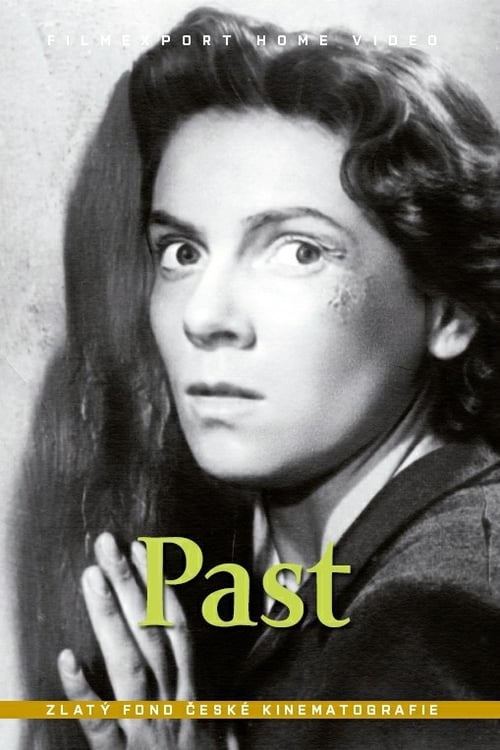
The drama from the time of the Nazi occupation begins at the train station, where a transport with German soldiers is passing. The train is stopped due to improvised sabotage by one of the railway workers. Resistance liaison Růžena Kubínová is arrested in a random raid. The cynical councilor Dönnert discovers her false documents and has her brutally interrogated. He suspects that she could contribute to exposing the entire group. He puts a informant, Herta, in her cell.
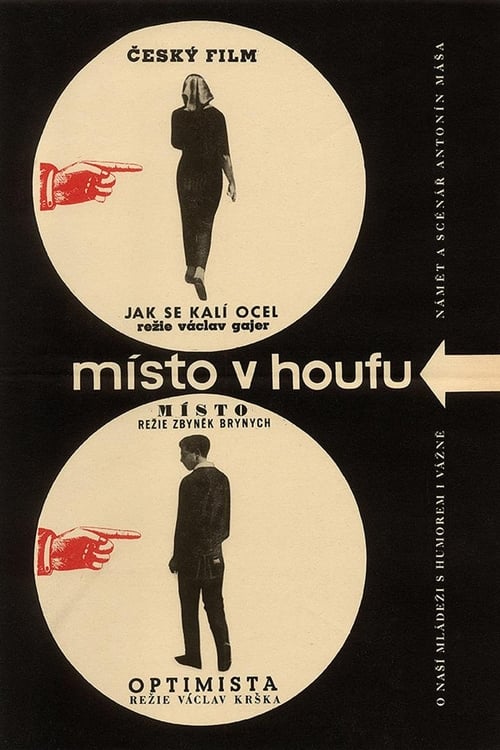
Ten-year-old Martin attends religion at school and is always an altar boy at church. That's the wish of his mother Anci, a bigoted believer. However, Martin encounters hypocrisy at every turn and begins to doubt that God exists. His older brother Eda steals money from his father with impunity, his father steals materials from the cooperative building, and even Martin's best friend Kovajs "sins" without scruples. Pastor Hornof tries in various ways to maintain his influence over his sheep, but is hindered by people with a "progressive" socialist mindset. When Martin's beloved Angora rabbits, who have done nothing wrong to anyone, die, the boy's faith is clear. He decides to join a pioneer organisation. All that's left is to keep it a secret from his mother...
Together with a group of temporary workers, a group of experienced labourers is building a land reclamation system to turn the South Bohemian marshes into a "Seventh Continent" of fertile soil.
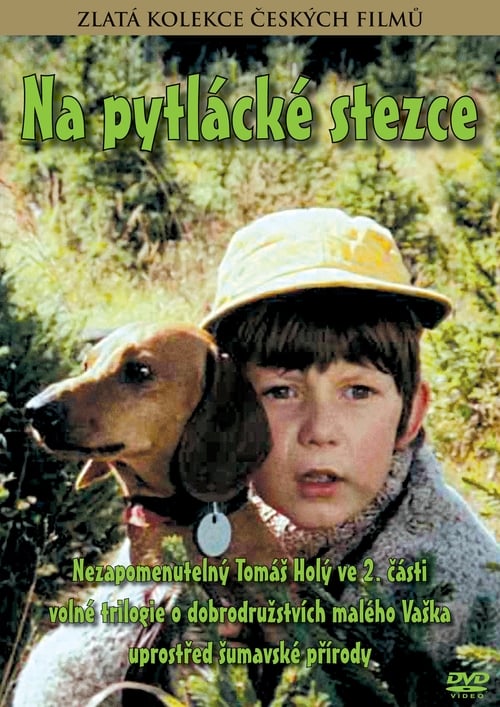
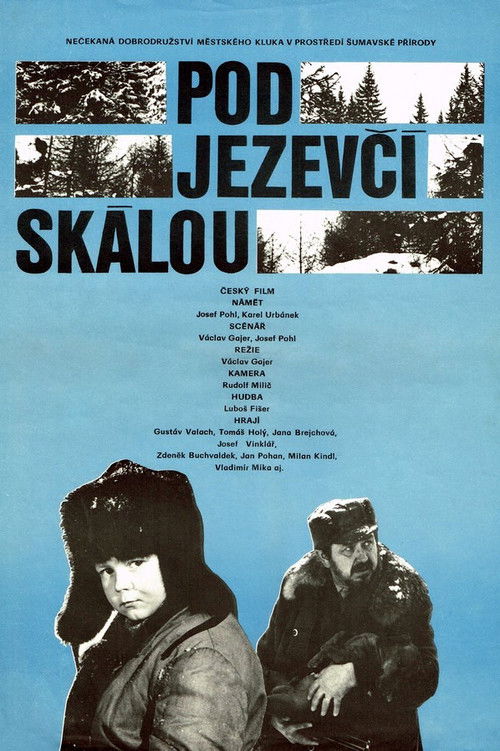
Second part of the trilogy. Vasek is expected to go to Bulgaria for a holiday with his parents during the summer vacation, but the boy finds the prospect of spending the summer with his gamekeeper grandfather far more tempting than the seaside. On the last day of school Vasek picks up his final report, but after that he takes his already packed bag and sets off for the Bohemian Forest without telling his parents. The grandfather is happy to have his grandson at his side again. In the evening, he gets a phone call from Vasek's mother. The trip to Bulgaria has been postponed and Vasek can stay with his grandfather for the time being.
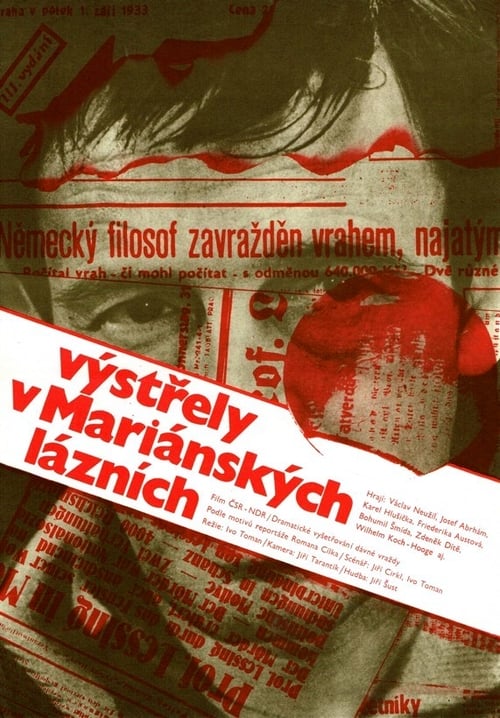
In May 1945, a woman in Marienbad reports a murder - committed in 1933 against the German emigrant Professor Lessing. She also names the murderer. Against the wishes of his superior, who does not feel responsible for this case - it was a fascist femicide - Inspector Šedý picks up the trail and arrests the murderer, the German Eckert. Eckert was a fugitive at the trial in 1933, and now the evidence is no longer available. Nevertheless, Šedý does everything he can to convict him. He finds witnesses who support him - anti-fascists, but also former collaborators who want to clear themselves. Reconstructing the case at the crime scene, Šedý is able to prove that Eckert was at least an accessory. He is convicted. After his release from prison, Eckert goes to West Germany, where he demands compensation from his former clients.
At the centre of the story is Miss Lenka Stříbrná. An attractive, but a little strange young woman. The gym teacher Vasek is shy and very clumsy with women. So he asks his friend, the editor Karel, for help. The experienced seducer willingly seizes the opportunity and tries to win Lenka for himself, but all his efforts fail due to her stubbornness. Gradually, this comedy-tinged love etude gives way to drama. It culminates at an editorial party at the Slap Dam, where all the characters in the story meet unexpectedly and editor Leden finally understands what Miss Silver's flirtation was all about.
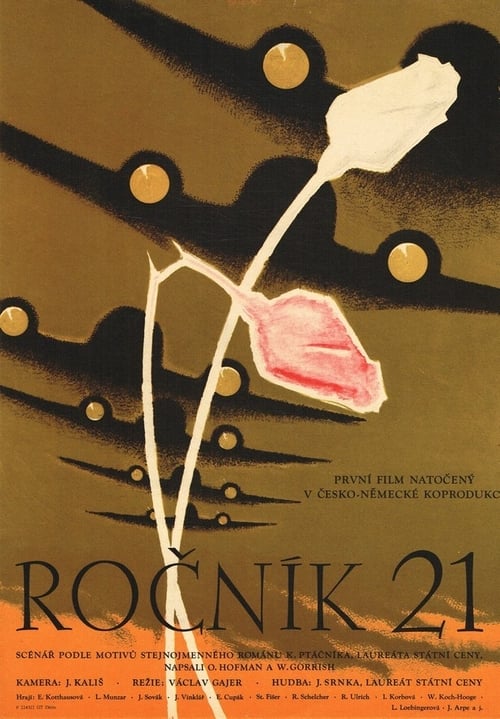
At the beginning of the Second World War, Czech music student Honsik comes to Germany from Prague to join a "foreign worker company". After rescuing a boy from the rubble of a bombed-out house, he himself is seriously injured and taken to a hospital in Stralsund. There he is regarded as a second-class citizen and the Germans are preferred to him. Nurse Käthe stands up for him, cares for him and defies all prohibitions. A love affair is kindled between the two, but it is not under a good star. Honsik tries to flee to his homeland with his comrades and Käthe supports him. At the last moment, however, Honsik realizes that his love for Käthe is stronger than his homesickness and makes his way back. Once back home, he can only watch as Käthe is arrested by the Gestapo. With the help of a resistance fighter, the young man from Prague manages to escape after all.
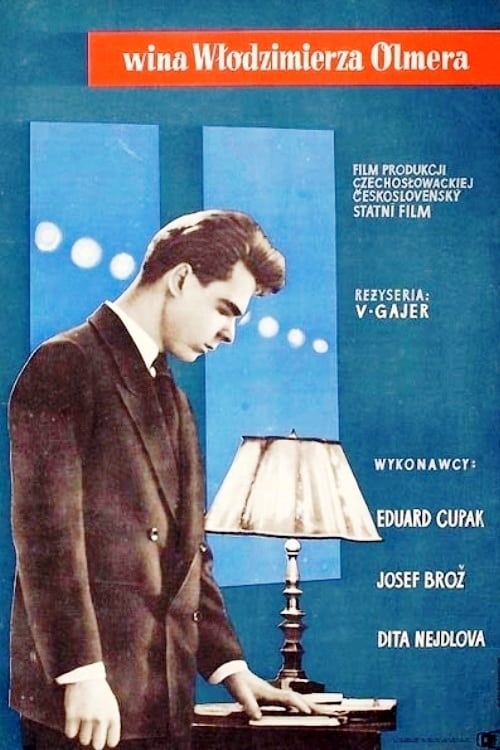
Vladimír Olmer is a student at the Faculty of Medicine. His father, a famous Prague surgeon, is rightly proud of him. One day, Vladimír accidentally meets his former classmate Emil Prokeš. He introduces him to his frivolous friends, who only care about how to earn money for an idle life without any effort. The trusting Vladimír takes a liking to his new friends, especially when the beautiful Helena shows interest in him. Soon, parties with alcohol are more important to Vladimír than his studies. Mirek, his only real friend, warns him in vain. His frivolous life ends with a fateful party at which Emil is shot. The case cannot be covered up, the security services get involved, and Vladimír is expelled from the faculty for a year.
Oldřich Daňek's play tells a love story from our ancient times about the beautiful convent inmate Jitka and the brave Břetislav, the son of the Bohemian prince Oldřich and the simple laundress Božena. This witty apocryphal uses semi-historical, semi-legendary material in a modern way.
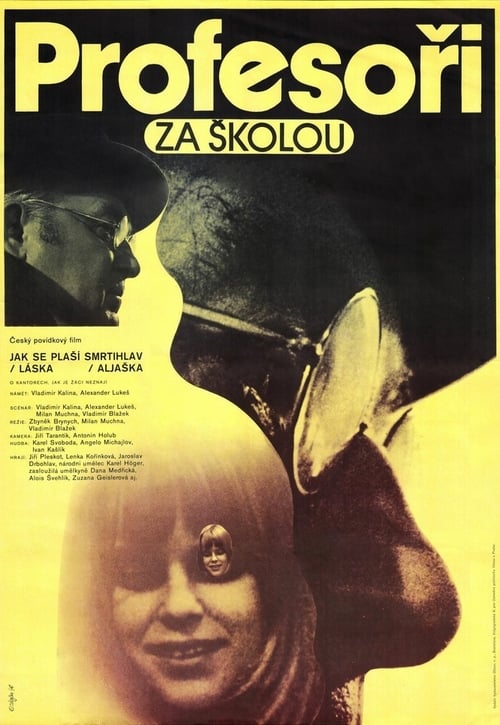
Three stories from the school environment, mostly from the perspective of teachers. In the first story we see an unnecessarily strict teacher, in the middle one a sports career is glossed over, which causes a young teacher to leave his job. In the final story, on the other hand, an experienced high school teacher goes to teach in a rural school to gain inner peace.
An attempted theft of a rare antique is uncovered at a castle that houses an apprentice recreation center. The apprentices help uncover the real perpetrators and their accomplices.
In late 19th century Czech-speaking Bohemia, oppressed workers at German-owned mines and foundries revolt against their harsh working conditions. Made shortly after World War II as Czechoslovakia was falling to communism, the film resonates in Czech resentment of the German occupation.
A film in five episodes, all based on an attempt to show the life of young people today, their feelings and relationships, their behaviour in public and private life.
In a South Bohemian village in 1951, the local rich organize acts of sabotage and try to stop the establishment of an agricultural cooperative with threatening letters and arson. A kulak's son even secretly returns from the West to terrorize the village with his brother. However, the ordinary villagers stand up to them.
The gamekeeper Straka lives by himself in the Bohemian forest hill. He has quarreled with his only son. He cannot come to terms with the fact that his son has abandoned his beloved forests and settled in a town. He has never even met his grandson Vasek. Following an illness, however, little Vasek needs some country air, and so one day his mother Jarmila delivers him to her father-in-law's cottage. At first Straka is angry, but Vasek is an unaffected lad and throws himself with verve into all the little adventures that the forest provides.
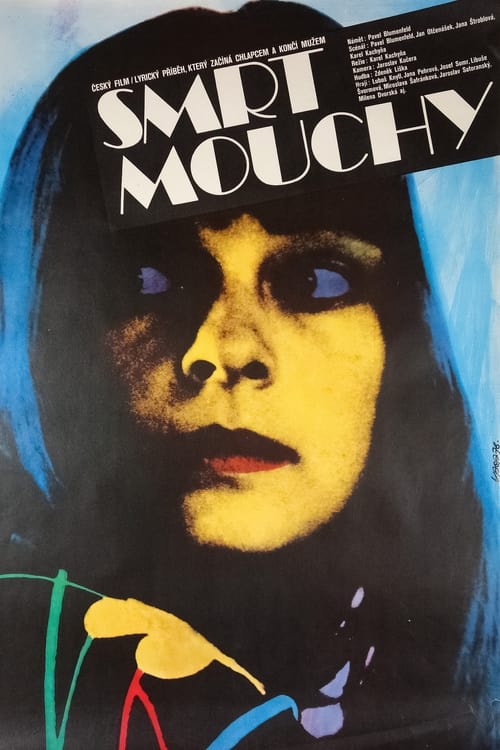
Seventeen-year-old student Milan wants to get rid of his morbid fear of flies, which originated sometime in his childhood. Only then will he feel mature and responsible for himself and his actions...
A harsh and raw story about the difficult life of a village woman and the sad fate of her three daughters...
Building a bridge is no simple matter. The city council has to decide between two competing proposals, one of which is submitted by villainous scoundrels and scoundrels who would like to enrich themselves everywhere. Although the film was made before the communist coup, it already anticipates the political diction of the stories that the approaching Stalinist period will produce.
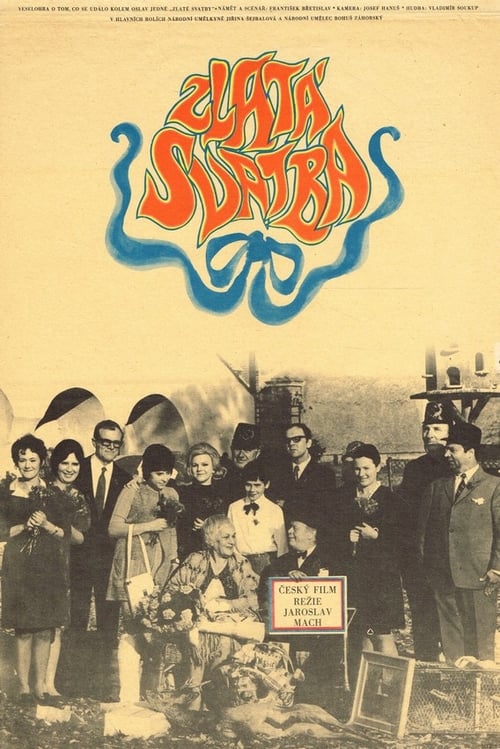
At the beginning of normalisation in the 1970s, the appearance of ideologically tinged stories intensified, but there were also attempts to create unpretentious entertainment, cut almost according to First Republic models. This film develops the confusion surrounding the preparations for the celebration of a golden wedding between a retired miner and his wife... Director Jaroslav Mach relies on situational comedy stemming from misunderstandings and confusions, as well as verbal banter, based on the constant banter between the celebrants.
In the pulmonary sanatorium, patients live out their small fates. But not everyone takes a responsible approach to their illness. For example, a young student falls in love, the lovers even take a secret flight, but the young man's condition deteriorates dramatically because of it.