Production
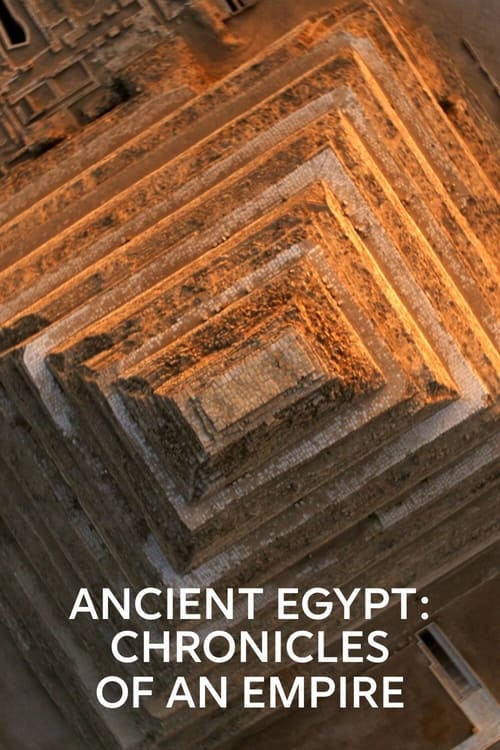
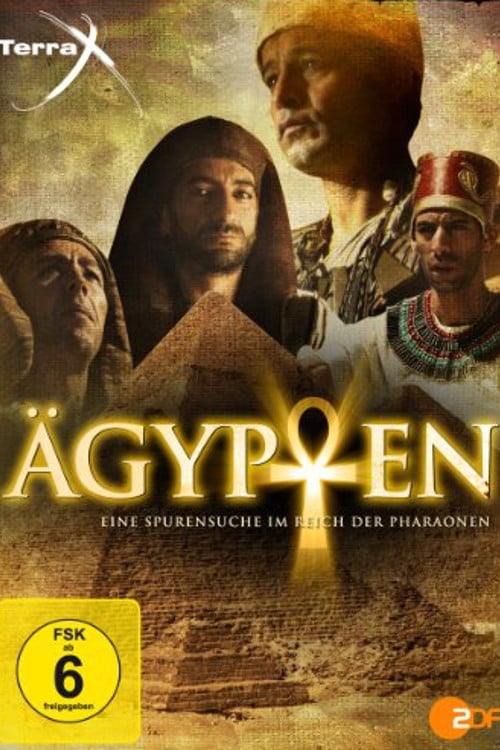
Around 5000 years ago, one of the largest and most powerful empires in history emerged on the Nile – Ancient Egypt. This mysterious era continues to fascinate us. In eight episodes, this series shows the unique achievements of the ancient Egyptians in government, culture, and society. International scientists and researchers decode the facets of this advanced civilisation. The first territorial state in history was founded more than 3000 years ago – making it older than any nation in existence today. Crises keep dividing the region and causing chaos, and it is these phases that the people on the Nile fear the most. They know that only order and stability can lead to prosperity. Egyptians are given a sense of identity and unity by their diverse cultures.
No description available.
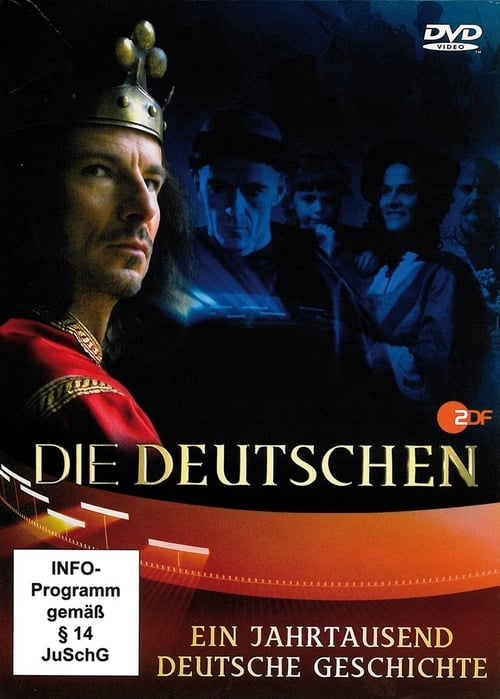
Die Deutschen is a German television documentary produced for ZDF that first aired from October to November 2008. Each episode recounts a selected epoch of German history, beginning with the reign of Otto the Great and ending with the collapse of the German Empire at the end of the First World War. In November 2010 the second season of Die Deutschen was published in German television, beginning with Charlemagne, the Frankish King, and ending with Gustav Stresemann, the Chancellor and Foreign Minister during the Weimar Republic. Historical events are recreated through a combination of live action scenes and computer generated animations. The series was filmed at over 200 different locations in Germany, Malta, and Romania at a cost of approximately €500,000 per episode.
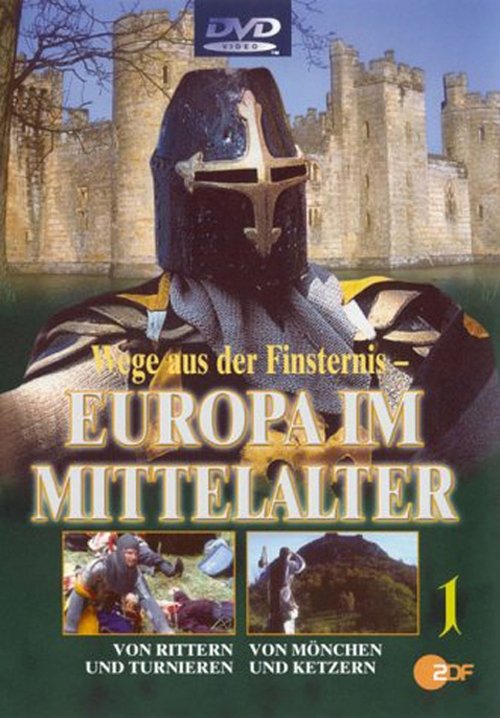
This series deals with the mass migration of Germanic tribes at the very beginning of European history, when Rome raced toward collapse.
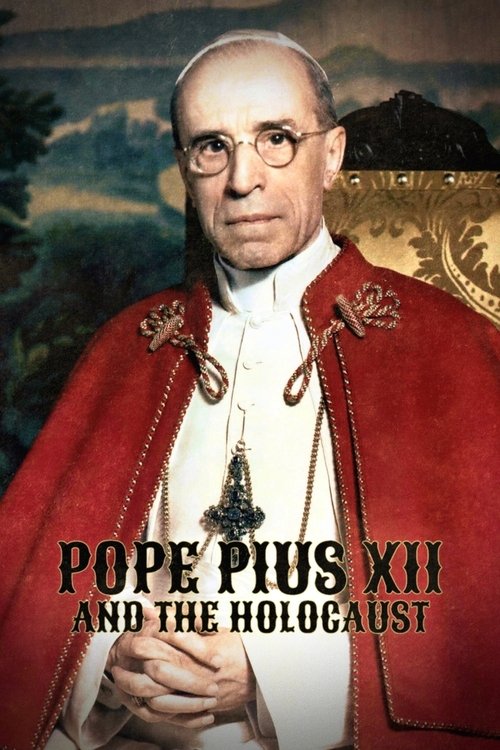
A portrait of Pope Pius XII (1876-1958), head of the Catholic Church from 1939 until his death, who, during World War II, and while European Jews were being exterminated by the Nazis, was accused of keeping a disconcerting and shameful silence.
The final decades of the Roman Republic: For nearly a hundred years, the rival aristocratic cliques that dominated politics had been fighting each other for power. The newcomer Octavian, underestimated by many, fought ruthlessly and cruelly for sole rule. He was the nephew of Julius Caesar, who allied himself with Mark Antony after his assassination. Soon, these two, too, were fighting each other. Historians have called Octavian a "butcher." Yet, with the honorary name Augustus, "the Exalted," he went down in history as a peacetime emperor.
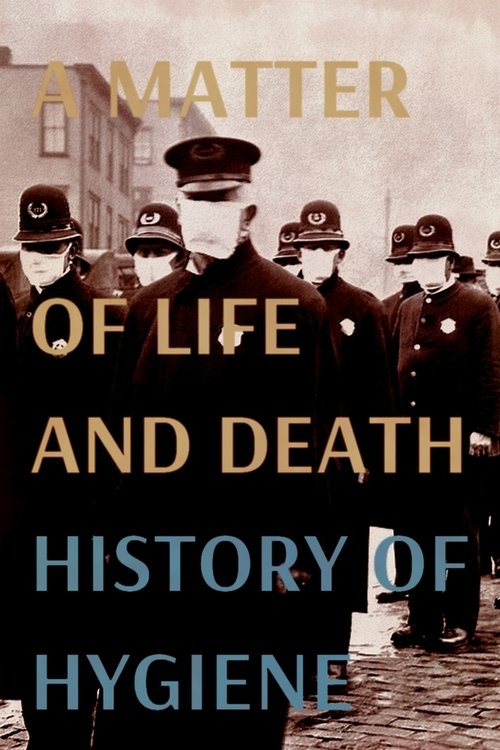
Hygienic habits are as old as the various human civilizations; but each era establishes its own customs: whether private or public, everywhere and at all times, methods of personal cleanliness have depended on cultural conventions, religious morals, political ideologies and economic interests; because the control of basic hygiene has also been and is one more tool in the infinite exercise of power over the masses.
The Taj Mahal: Symbol of India, architectural jewel, and monument to a grand passion. Built in the 17th century by the Great Mogul Shah Jahan in honor of Mumtaz Mahal, the love of his life. Before she died, legend says, Mumtaz Mahal made a wish for a mausoleum, more sublime than any the world had seen. Built on the banks of the Yamuna River in Agra, it is said to have required over 20,000 workers including the best craftsmen of the Empire. Millions of bricks were baked on site only to disappear forever under flawless white marble. A heavenly memorial to the Queen of the World, or as a poet described it: "A teardrop on the cheek of time". A love poem set in stone and the most perfect building in the world.
Augustus is reputed to have been a violent, adventurous, power-hungry and unscrupulous warlord. Yet as founder of the Roman Empire, he ushered in a period of peace and prosperity. Drawing on the analysis of several historians, this documentary traces an extraordinary destiny: posthumously adopted by his great-uncle Julius Caesar, Octavian, the future Augustus, accepted an inheritance fraught with consequences. Having made his own empire prosper, he wrote his political will at the age of 76, without naming an heir. How was the succession of this childless strategist organized?
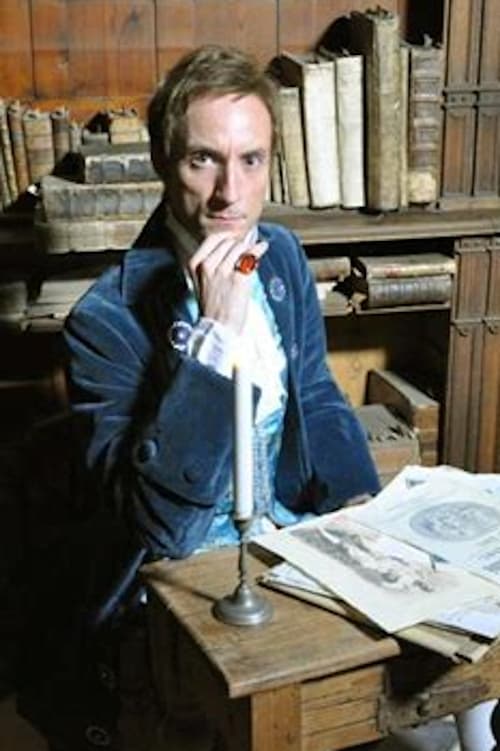
He described his love of art as his greatest inclination from his youth: Johann Joachim Winckelmann as a representative and rediscoverer of Greek and Roman antiquity. He was the father of European art history and was the victim of a robbery-murder in 1768. The documentary tells of his life, his work and his early death.