Directing
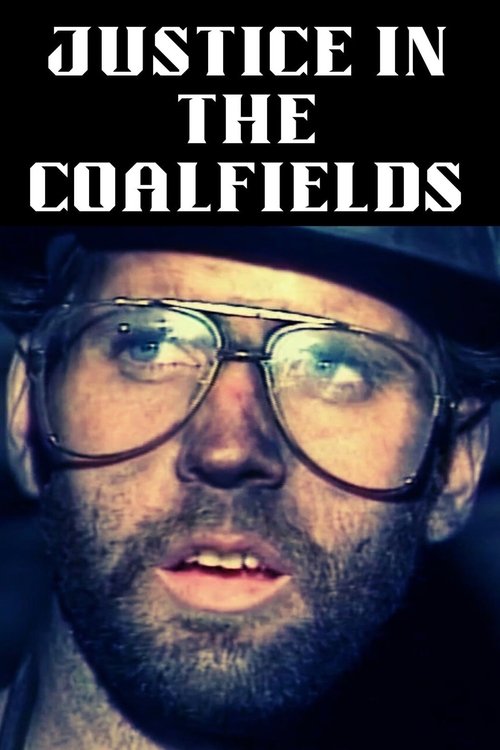
This film demonstrates how labor law has crippled the collective bargaining power of unions and weighed the scales of justice against working people. The documentary follows the 1988 United Mine Workers strike against the Pittston Coal Company that followed the expiration of their contract and Pittston's termination of the medical benefits of 1,500 pensioners, widows, and disabled miners.
Appalshop’s first dramatic film, In Ya Blood is the story of a prototypical young man from Appalachia in the summer after his senior year in high school. Randy, the protagonist, must make the difficult decision faced by many Appalachian youth‑‑whether to stay in the mountains or leave in search of a “better life.” The film follows Randy as he struggles with his alternatives of working in the coal mines or going off to college. Shot in black and white by filmmakers the same age as those portrayed in the film, In Ya Blood is highly effective as an insider’s look at the decisions faced by many teenagers as they consider their futures.
There is a constant tension between the forces of an ever-changing economy and the need to have stable communities. As technologies change, workers can lose their jobs and whole communities can be capsized. Beyond Measure looks at thousands of coal miners who are losing their jobs as newer and bigger machine moves through the coalfields. The film places the present challenges in a larger historical context and documents efforts of citizens to rebuild their communities, highlighting the beauty and challenges of living in the mountains through people's descriptions of their daily lives in their own voices. They describe how the mutual aid and support of extended families and attachments to the land are more important than the things economists usually measure, prompting questions about the true costs of economic and technological change.
Using funny, often poignant examples, Strangers and Kin shows the development and effect of stereotypes as technological change collides with tradition in the Southern mountains. The film traces the evolution of the “hillbilly” image through Hollywood films, network news and entertainment shows, dramatic renderings of popular literature, and interviews with contemporary Appalachians to demonstrate how stereotypes are created, reinforced, and often used to rationalize exploitation. Strangers and Kin suggests how a people can embrace modernity without becoming “strangers to their kin.”
The Stanley sound is true old-time, mountain style bluegrass music. This film tells Ralph's story through interviews with Ralph, fellow musicians, and those who know Ralph best. Rank Stranger, White Dove, Pretty Polly, Man of Constant Sorrow, and over twenty other songs help tell the story. Ralph performs with Dwight Yoakam, Patty Loveless, Junior Brown, Larry Sparks, George Shuffler, Ricky Skaggs, and members of the Clinch Mountain Boys.
A documentary about the working methods of acclaimed writer HARRIETTE SIMPSON ARNOW - author of “The Dollmaker.”
A native of Eastern Kentucky, Belinda Mason was, as she says,“a small town journalist, a young mother, a reliable Tupperware party guest” until she became infected with the HIV virus in 1987. She decided to go public with her condition and spent the rest of her life as a powerful advocate for AIDS prevention, education, treatment, and human rights. The film features Belinda talking about her own experiences dealing with AIDS and the support she found within her rural community, and includes a presentation she made with her pastor to members of the Southern Baptist Convention: “People ask me if I think AIDS is a punishment from God. I can’t pretend to fathom what God is thinking, but maybe we should look at AIDS as a test, not for the people who are infected, but for the rest of us.” Funny, down to earth, and never self-pitying, Belinda speaks with a moving eloquence of our need for a collective response to AIDS that is not crippled by racism, homophobia, fear or ignorance.
The Old Regular Baptist Church is one of the oldest denominations in the Appalachian mountains. Its followers cherish its traditional practices and its sense of everlasting values in a changing world. In the Good Old Fashioned Way documents a riverside baptism, foot-washing ceremonies, an Association Meeting, the music of the church, and memorial services held at a family ceremony. Widespread only among mountain people, this religion is uniquely a product of Appalachian culture — and this documentary is a rare look at its practices.