Alberto Botelho
Directing
Known For
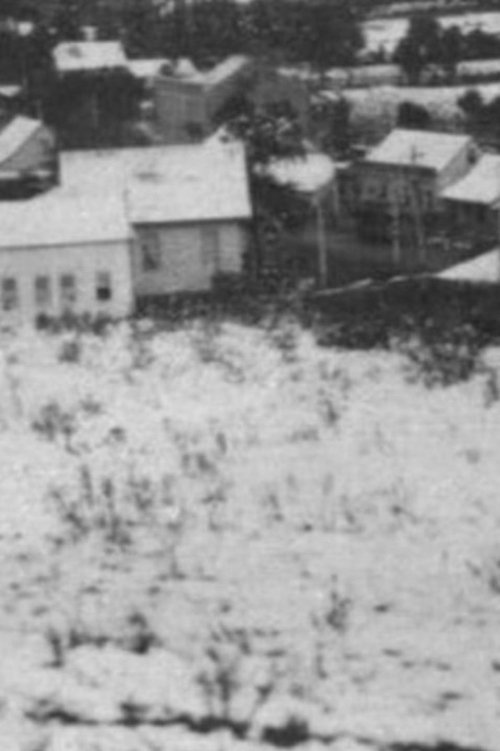
In 1928, the city of Curitiba went through a rare snowstorm. To this day, it is the harshest snowstorm to ever take place in the city. Everything was recorded by Alberto Botelho in this short documentary.
Snow in Curitiba
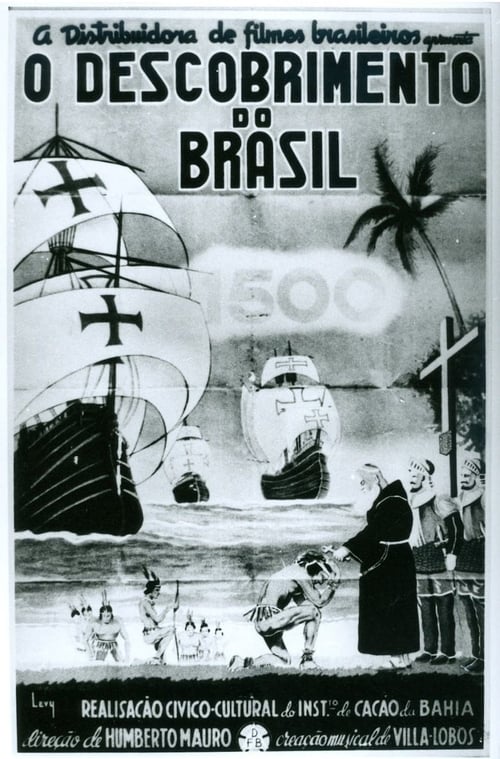
O Descobrimento do Brasil (The Discovery of Brazil) is an impressive historical epic recreating Álvares Cabral’s voyage to the New World in 1500, with a score especially written by the renowned composer, Heitor Villa-Lobos. One of the earliest examples of Brazilian cinema, this film depicts the perilous journey of Pedro Álvares Cabral’s armada from Portugal to Brazil. Though somewhat rudimentary compared to other films of the period, The Discovery of Brazil distinguishes itself with its scenes of indigenous people and Portuguese explorers on the beach, and in the imaginative lighting on board the ship. But the real star is the beautiful cantata by Villa-Lobos that permeates the film.
The Discovery of Brazil
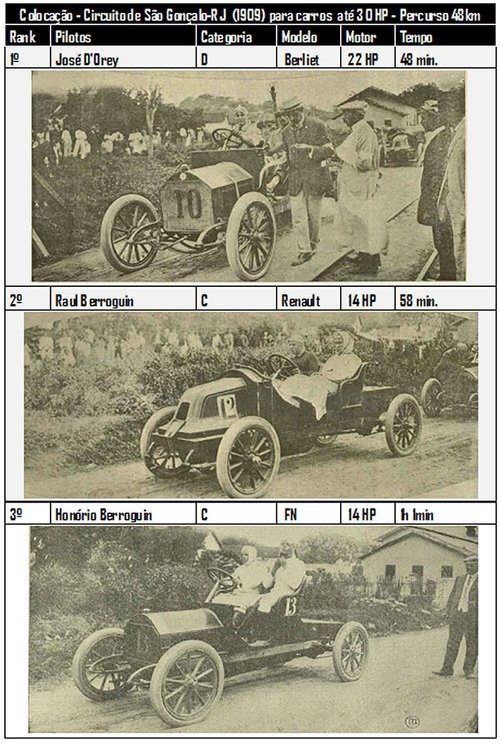
It's the oldest Brazilian movie that survived and the film that captured the first car race in Brazil.
Circuito de São Gonçalo
A Brazilian documentary short from Alberto Botelho about the first railway battalion.
Primeiro Batalhão Ferroviário
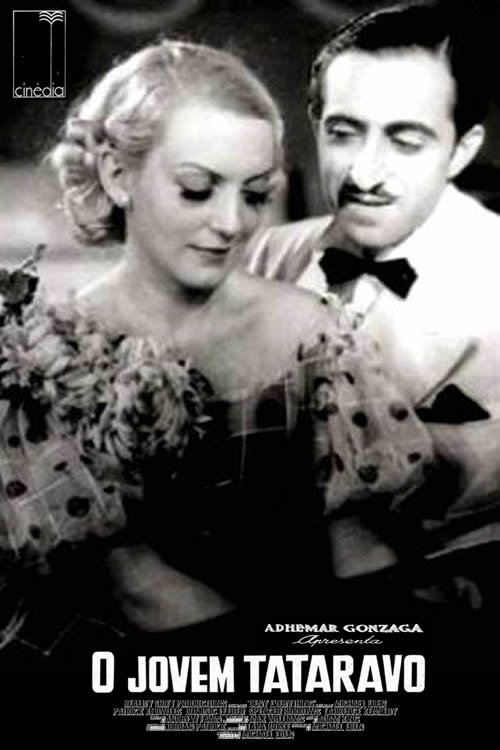
In a séance, Menezes' great-great-grandfather is brought back to life in present day (1936), over a century after his death at age 26. A free-spirited womanizer, he starts causing all sorts of trouble for the wealthy, respectable family of his descendants.
The Young Great-Great-Grandfather

No description available.
Alma Sertaneja

No description available.
O Principe Herdeiro da Italia em Terras do Brasil
No description available.
O dia do Trabalho
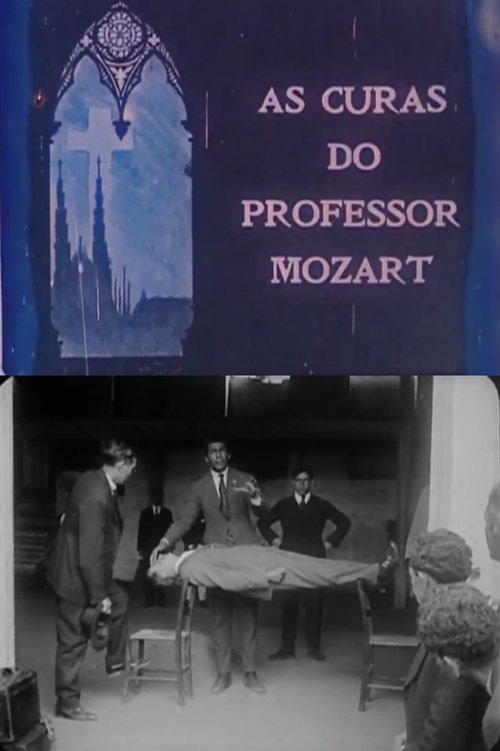
No description available.
As Curas do Professor Mozart
Departure from the funeral procession of Colonel João Batista de Melo Oliveira and his arrival at the Cemetery of Consolation, São Paulo.
The Funeral of Colonel Melo Oliveira

A horse tamer is the father of a beautiful girl who is coveted by his neighbor, a rich farmer. The farmer seduces and kidnaps the poor girl. The man, desperate, goes after him. In the end, when he tries to hit the man, he ends up hitting his beloved daughter. Not knowing what to do, he starts a fire in the farmer's forest, but when he sees that the fire is taking over his property, he decides to hang himself.
A Derrocada

Álvaro Ramos, an incorrigible bohemian, thrown out of the boarding house where he lived for lack of payment, finds fifty thousand réis on the street. He buys a lottery ticket number 013 and wins a big prize.
Zero-Treze
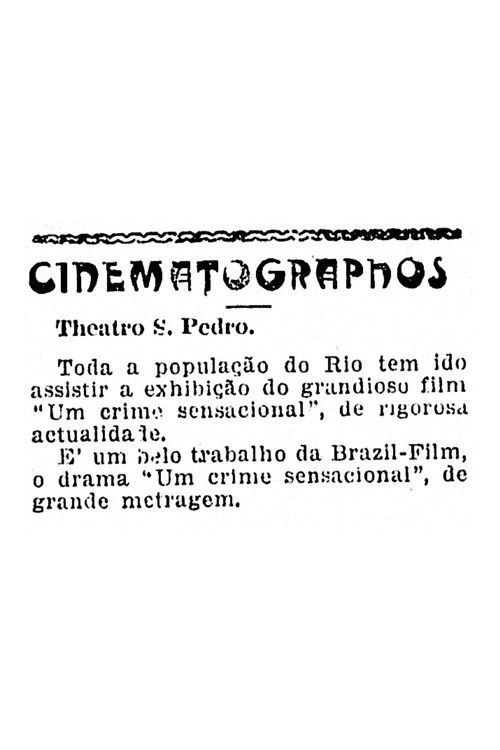
Following the trend of all world production, this was another film based on a true crime chronicle, based on the murder of industrialist Adolfo Freire by gardener Augusto Henriques, which took place in Rio de Janeiro. No copy of Um Crime Sensacional survives, only 1 image from the film is known, which was placed in the magazine "Cinemin". It is not known whether the film was a "sound" film, that is, with actors dubbing themselves live behind the screen based on already recorded images. The only proof that the film could be a sound film is a 1913 song called "O Crime de Paula Matos" by Joaquim Pacheco, which may have been used in the sound versions of the film. This song is currently lost.
A Sensational Crime
"The mourning for the Baron Rio Branco": the repercussion of the diplomat's death - flags at half a stick, the cinema Pathé and a theater room - which featured spectacle Zé Pereira - closed in mourning, other commercial establishments also closed. Facade of the Itamaraty Palace, "where Mr.'s deceased. Baron of the White River." "Curious in front of the Itamaraty," site of the wake. "Distribution of the Official Diary." The Diplomatic Body. "The Mr. Marshal Hermes and the Ministry visit the fiery chamber." "The Burning Camera." "The people visit the fiery chamber." President Hermes da Fonseca, the Ministry and the people pass through a coffin covered in flowers. "The funeral procession." Crowd, cavalry, carriage, funeral car covered in flowers, saved from gunfire. "In the Cemetery of S. Francis Xavier." Business, coffin being transported, men try to open passage, wreaths of flowers; speeches.
Baron of Rio Branco - The Nation in Mourning - The Funerals
Relation of the paintings: the last tributes; The exit of the iron from the Senate building; Representation of officialdom; Diplomatic and consular corps; Civil and military authorities of the Republic; The parade of the funeral prestite in Campo de Santana; The salvos by the Marines; Passage through the Rua Marechal Floriano; Arrival to the Navy Arsenal; Translation of the body to the board of the speedboat; Entrance to the boat.
The Funeral of Pinheiro Machado
Funerals of students Ribeiro Junqueira and Araújo Guimarães, murdered in Rio de Janeiro. You can see perfectly the exit of the coffins from the Faculty of Medicine and the great funeral procession parade through the central streets to the cemetery, as well as the moment when the academic Armando Aragão spoke from a window of the Faculty.
The Funerals of Students
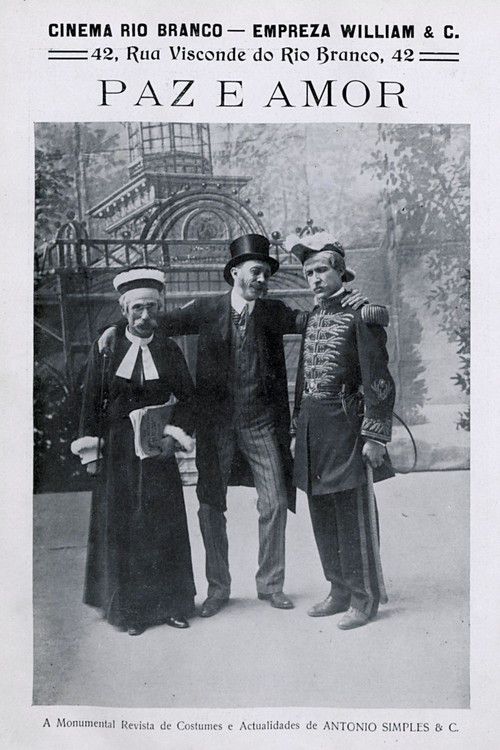
Directed by Alberto Botelho.
Love Forbids You

Filmed on the beaches and in a mansion in the then 'flourishing' Copacabana, it starred a caricaturist and several figures from the journalism of that time.
Amor e Boêmia
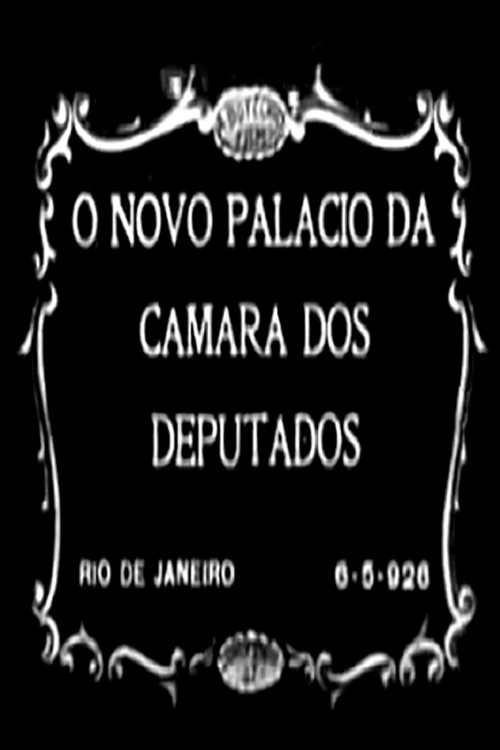
The new Palace of the Chamber of Deputies of Rio de Janeiro, still unoccupied: exteriors, interiors and facilities. The Mass and blessing of the Palace celebrated by the Archbishop of Rio, D. Sebastiao Leme. Official inauguration; speech of the mayor Arnolpho Azevedo.
O Novo Palácio da Câmara dos Deputados

An early documentary short on the Brazilian city of Rio de Janeiro, then D.C. to the country.