FEEL IT.STREAM
Stanley Hawes

Stanley Hawes

Production

Biography

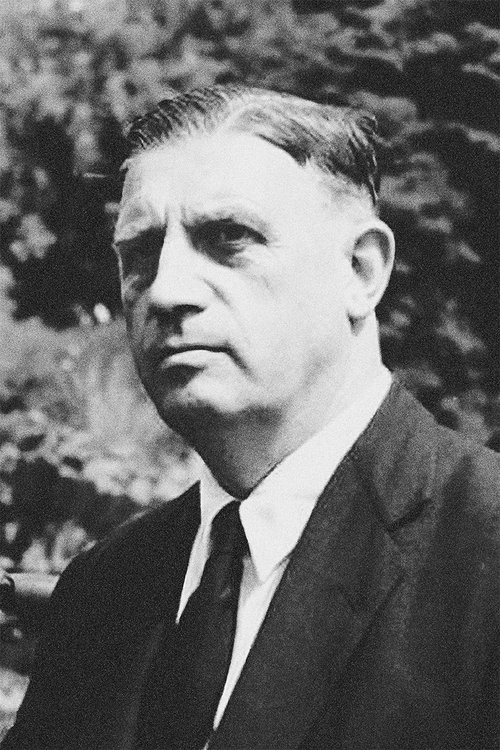
Stanley Gilbert Hawes was born in London in 1905. He spent his youth in Birmingham and worked for the city's council from 1922 to 1934. Hawes had an enthusiastic interest in cinema, co-founding the Birmingham Film Society in 1931. In the late 1930s, Hawes began producing documentary films – first at Gaumont and then at Strand Film Company. But when World War II broke out, documentary production in Britain essentially halted and Hawes found himself out of work. Fortunately, he was offered a job overseas at the newly-established National Film Board of Canada. Here, Hawes was able to produce several documentaries, focusing mainly on the Canadian war effort. In 1946, Hawes moved to Sydney to work for the Australian National Film Board (later the Commonwealth Film Unit) as the organisation's first Producer-in-Chief. Over a quarter of a decade, Hawes built up a reputation as one of Australia's most respected and acclaimed documentarians. He retired in 1970, but remained active in the Australian film community until his death in 1991.
Known For

No image
9.0

This film illustrates the difference between World War II and the war of 1914, emphasizing the importance of mechanization, and contrasting the mobile tactics with the immobility of trench warfare. The scientific approach, both to problems of military strategy and to new weapons, is all-important. The film shows some of the work done by Canadian scientists to make these weapons as effective as possible.

Battle of Brains

1941
Paper Run
N/A

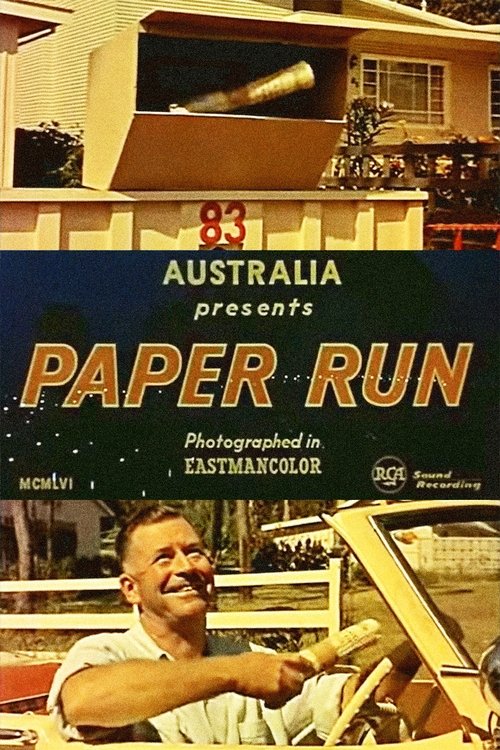
A panorama of scenic beauty unfolds as the newspaper delivery man works his run along Sydney's northern beaches of Newport and the Palm Beach area.

Paper Run

1956
The Pictures That Moved: Australian Cinema 1896-1920
N/A

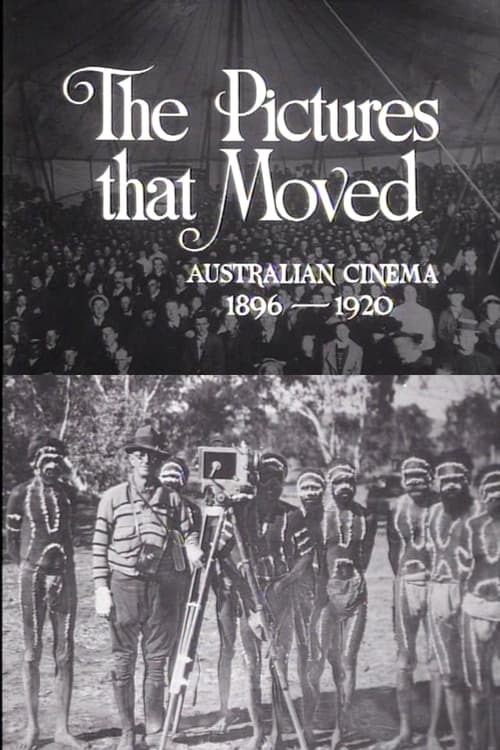
Part 1 of the History of Australian Cinema series. Australian cinema from the very beginning, from the newsreels, ethnographic and actuality films, to the controversy of "The Story of the Kelly Gang" and the success of "The Sentimental Bloke".

The Pictures That Moved: Australian Cinema 1896-1920

1968
Under Stress
N/A

Shows new methods in treating those afflicted with mental health issues. Contrasts past treatment regimes where people were locked away out of sight with the new, 1960s, psychiatric ideas of "group therapy" and talking therapy. Also shows practical behaviours aimed at returning patients to productive lives in society and outpatient services.

Under Stress

1964
Children from Overseas
N/A

A WWII film about children evacuated from Britain and sent to Canada for their safety. The film begins in England with children seeking shelter as anti-aircraft guns roar outside. On their arrival in Canada, they are thrilled by the brightly lit cities, powerful Canadian trains, hot dogs and ice cream. They find, too, that instead of becoming Mounties or cowboys, they have to go to school. The closing sequence shows them learning to ski and skate and preparing for Christmas in their new homes.

Children from Overseas

1940
Home Front
9.0

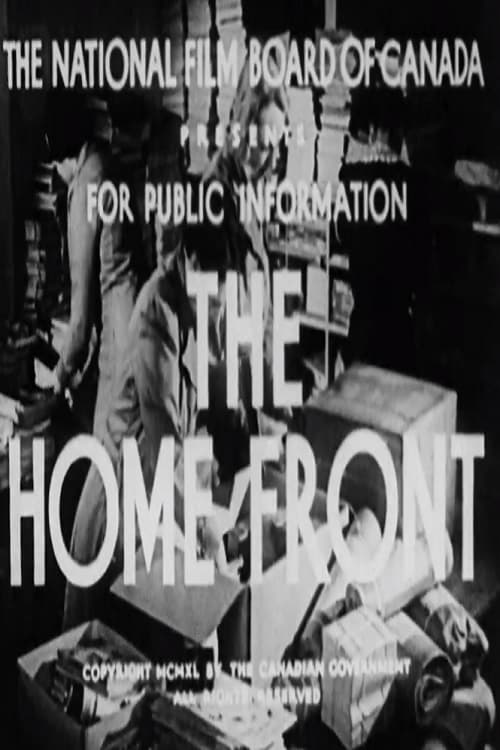
This short documentary is part of the Canada Carries On series of morale-boosting wartime propaganda films. In Home Front, the various WWII-era social contributions of women are highlighted. From medicine to industrial labour to hospitality, education and domesticity, the service these women provided to their country is lauded.

Home Front

1940
Crocodile Hunters
N/A

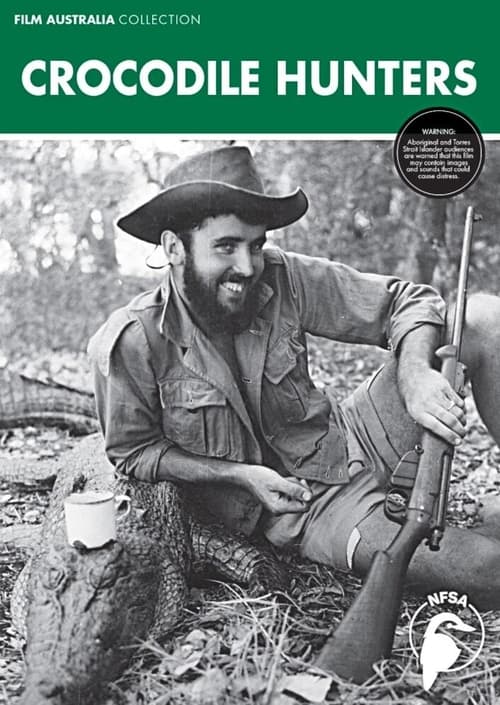
In the estuaries and lagoons of the Northern Territory, freshwater and saltwater crocodile are hunted for their hides by both Indigenous and non-Indigenous hunters. This film shows Aboriginal people using age-old hunting techniques to land crocs either for food or for skins. The methods employed by the professional hunters, who earn as much as 3000 pounds during the season, are also depicted, followed by a brief look at how the hides are skinned and prepared before being transported to the leather factories of Sydney and Melbourne.

Crocodile Hunters

1949
Suicide Trail
N/A

Shot with a big cowboy nod to the Western genre, this road safety film shows the danger of speeding on an unknown country road at night.

Suicide Trail

1960
Christmas Under the Sun
7.0

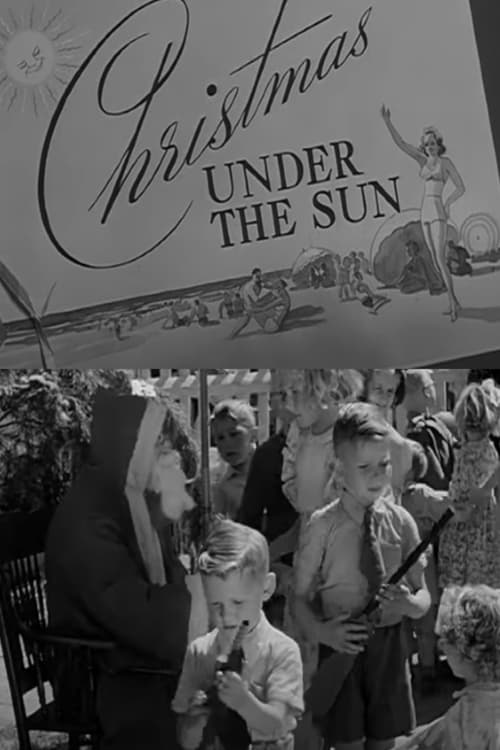
Made by The National Film Board 1947. Directed by Catherine Duncan. Christmas in Australia is a mid summer festival, with temperatures rising high. Over the years many of the traditional northern hemisphere Christmas customs have been modified to fit the climate. Cool drinks have taken the place of hot refreshments and much time is spent out of doors but the spirit of Christmas is unchanged and Santa Clause still arrives with snow glistening in his beard!

Christmas Under the Sun

1947
School in the Mailbox
6.5

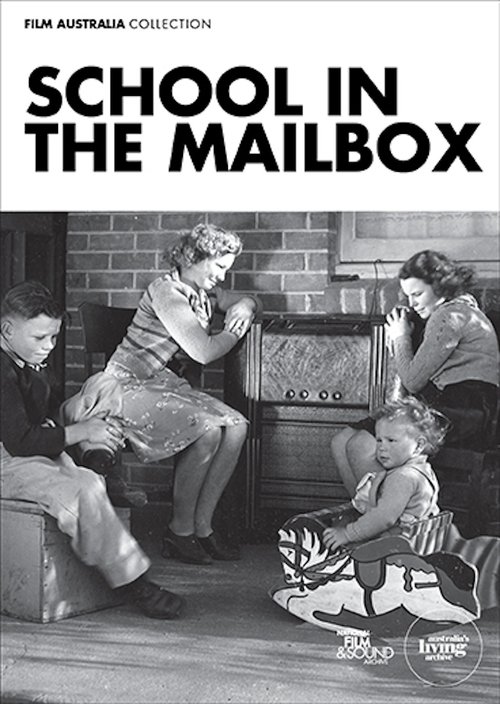
In Australia, children live in the Outback, too far from others to travel to any school. The Australian government has a school with no student only teachers that correspond with their pupils and teach those children at their own pace.

School in the Mailbox

1947
No image
N/A

The Valley is Ours is a tribute to Australia's greatest river and the valley that it supports. Homage to post-war progress, this classic film celebrates the abundance of the Murray River Valley; from agriculture to timber, fishing to mining, fruit picking to shipbuilding. Proud and optimistic, it also celebrates the spirit of the people as they overcome problems of erosion, bushfire and drought and makes a plea for further development, arguing that at least another million people could find happy homes in this fertile territory.

The Valley Is Ours

1948
Switch on Bigga
N/A

The introduction of electricity into the village of Bigga in New South Wales.

Switch on Bigga

1953
The Pearlers
N/A

Beautifully filmed in black and white, this classic short film looks at pearling in the late 1940s. It goes on board the boats that work off the coast of Broome, Western Australia, from March to December each year. Crewed mainly by Aboriginal, Malay and Chinese men, they work six days a week from sun up to sun down—replenished occasionally by supply boats that also take away their hauls of pearl shell. The film captures the atmosphere, the detail and the danger involved in the search for shell as the divers in huge metal helmets and layers of clothing under their suits dive two at a time, each with one person tending their airhose and another their lifeline.

The Pearlers

1949
No image
N/A

Here is the Land: A film of land settlement for the unemployed. Filmed in 1937.

Here Is the Land

1937
No image
N/A

Produced to celebrate the Jubilee of Federation, Cavalcade of Australia provides an historical review of the development of the nation between 1901 and 1951. The film opens with the visit of the Duke and Duchess of York (later King George V and Queen Mary) to Australia in 1901 to open the first Commonwealth Parliament. Through the use of historical footage, the film not only covers notable events in the Commonwealth story but also social development, fashions and economic growth over the period.

Cavalcade of Australia 1901-1951

1951
The Karri Forest
N/A

Pemberton Forest, a karri forest in the southwest region of Western Australia, is the site of a youth camp for school children. In this film, forest officers explain various aspects of forestry and associated industries to the children.

The Karri Forest

1962
No image
10.0

This black-and-white archival film outlines the importance of Canada's forests in the national war effort during the Second World War.

Timber Front

1940
No image
8.0

This short documentary from the Canada Carries On series celebrates the contribution of Canada’s railroads to the war effort. The film includes a sequence from Buster Keaton's 1926 silent comedy The General, as well as a re-enactment of Lord Strathcona driving the final spike into the Canadian Pacific Railway Line.

Trans-Canada Express

1944
No image
N/A

The film examines the organisation of civil aviation in Australia, from passenger flights to freight and utility aircraft. It includes planning and control procedures before and during each flight, safety measures established by the Department of Civil Aviation, training of pilots and maintenance staff, and plans for future development.

Flight Plan

1950
Women Are Warriors
9.0

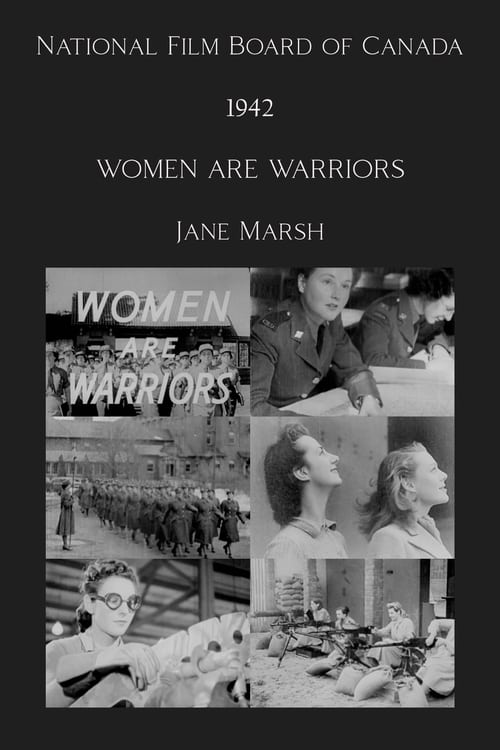
Highlights the increasingly important roles women occupy on the various fronts of WW II. In England, their more active jobs include ferrying planes from factory to airfield and operating anti-aircraft guns. In Russia, they are fighting on the front lines as well as acting as parachute nurses, army doctors and technicians. In Canada women have joined active service auxiliaries, and thousands labour day and night in factories turning out the tools of war. From the Canada Carries On series.

Women Are Warriors

1942