Writing
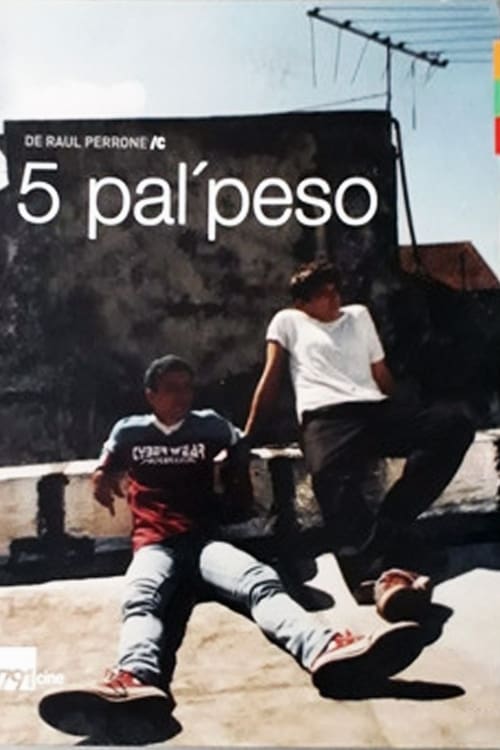
It is the history of a group of boys around twenty years old of the suburban district. They stroll for the quarter, look at videos, listen to rock. Nothing happens, but it goes on from everything and they are basically alone in the world. As well as there is another "American dream", there is another “Argentine dream”
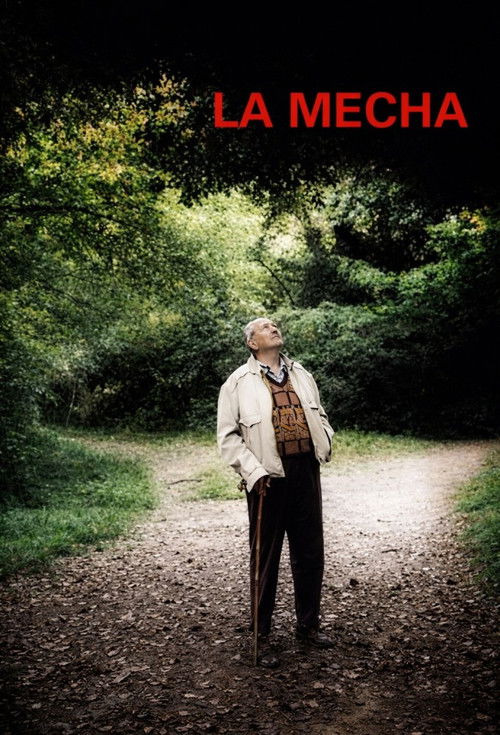
An old man drivesdriven around town trying to find a wick for his old heater during the long months of the Argentinean winter.
Today, thirty years after her kidnapping and confinement at the Naval Mechanics School, Miriam Lewin is a renowned journalist. Through her story, the documentary brings us closer to the stories of other survivors: that of the couple Ana María Soffiantini and Ricardo Coquet, who met during their confinement; and that of Victoria Donda Pérez, who was born in captivity and is the daughter of disappeared parents, appropriated by her uncle, who was linked to the forces of repression; and the sister—unbeknownst to her—of Victoria Grigera, also the daughter of a disappeared militant.
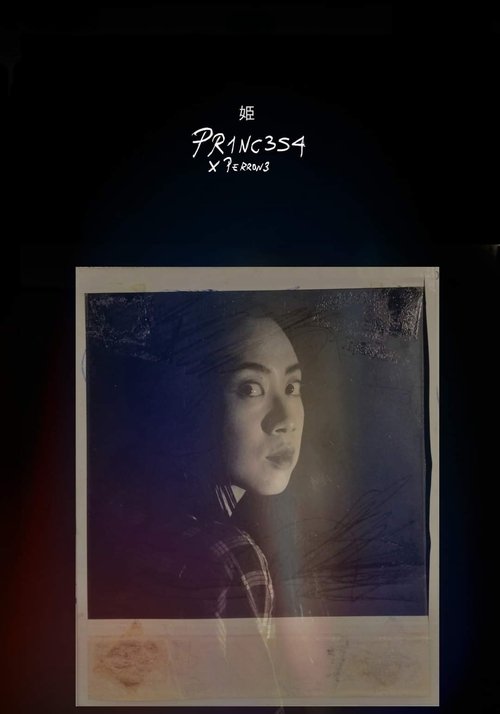
In his new cinematic adventure, Raúl Perrone makes a new incursion into the Japanese out of Ituzaingó in order to shape the variations of a story that revolves around a woman who cuts dead people’s hair, a samurai with an intolerable mission, a nosy burglar, a feudal lord on the verge of insanity and a giant metal fish. The film is freely inspired in the original version of Rashomon –written by Ryūnosuke Akutagawa– and, as usual in his filmography since P3ND3JO5 (2013), Perrone blends different elements from classical film; in this case, visible ghosts from Kurosawa’s cinema and certain aspects of Japan’s traditional culture melt with nightmarish distortions and machinistical irruptions, typical of a future that may never come. “The avant-garde is in the past” he once said in an interview. In his reimagining of film history, Perrone again finds an inexhaustible field of expression.
Apocryphal documentary about a supposed visit by James Dean to film a movie in Ituzaingó, a suburban town in Argentina near Buenos Aires.
No description available.
Pedro, the father of the family, overcome with wine, embarks on futile ventures. María, the mother, transformed into an apple farmer, can barely bear her burden. Her teenage children, Bebo and Sole, have the destiny of suburban youth, between mischief and tragedy.
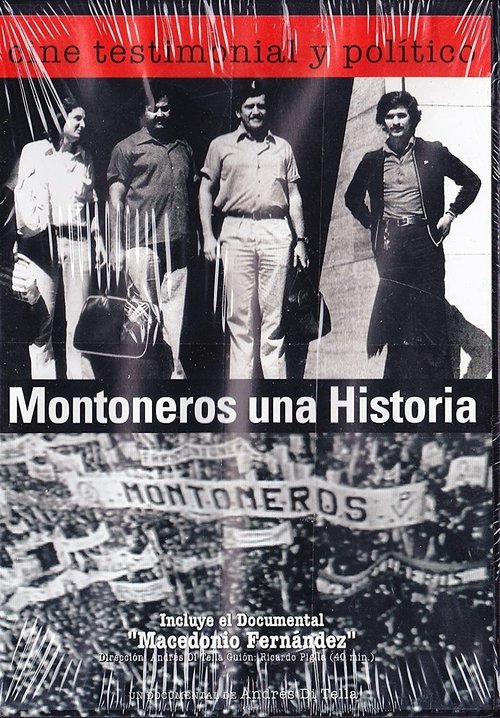
The history of Argentine Montoneros guerrilla group , since its founding in the early seventies, until its dissolution under the military dictatorship of 1976 .
Nominal movie. Description of the world of young people of Ituzaingó, in which they survive and fight without going out of his locality dominated by pizzerias, lounges of pool and low houses.