Luiz de Barros
Directing
Biography
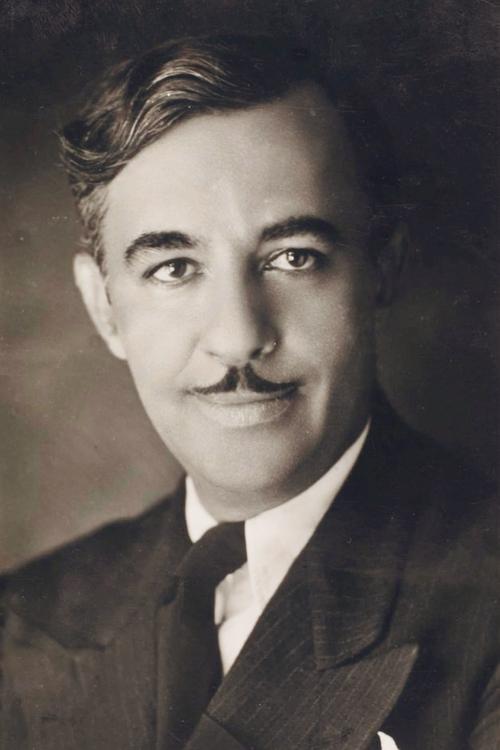
Luiz de Barros (Rio de Janeiro, September 12th, 1893 — Rio de Janeiro, December 3rd, 1982) was a Brazilian filmmaker, producer, actor, screenwriter, cinematographer and editor. He also worked in the theater as a set designer, producer, artistic director and a playwright, besides serving as a decorator and artistic director for famous shows of the Cassino da Urca and Cassino Atlântico. His career in film began in 1914, when he directed A Viuvinha. He directed the first Brazilian sound film, Acabaram-se os Otários (1929), made with a synchronization technique he devised himself. From 1914 to 1980, he made about 250 films.
Known For

No description available.
Fuzileiro do Amor

An ordinary thief and two accomplices invade a mansion whose owners traveled to Buenos Aires. They settle there with the whole family, until the real owners return. The owner's natural son saves the thief's situation when he threatens to reveal some compromising documents.
O Samba da Vida

No description available.
Malandros em Quarta Dimensão

A man is looking for a radio singer named "Dulcineia." For this, he goes through the biggest hassles and problems. The plot, in fact, is an excuse for the exhibition of the musical numbers of the greatest Brazilian Radio artists.
Hello, Hello, Brazil!

No description available.
Salário Mínimo

Three couples, two already living in Rio; and the third, with 'the one who hates carnival', coming to visit an aunt. One of the women bets that all husbands are unfaithful. They send invitations to their husbands to the carnival ball. They find a pretext to be able to attend. They, in turn, go in disguise, just like the maid. Hence the confusion at the ball, each one dating the other's wife.
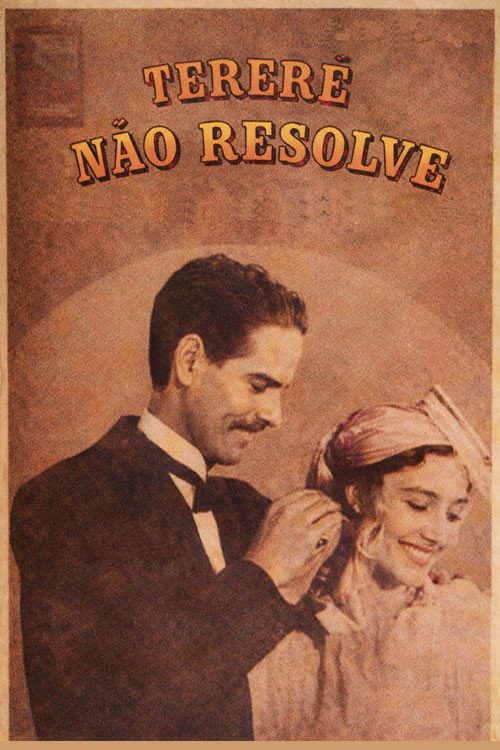
Tererê Não Resolve

No description available.
O Rei do Samba

The life at the Military Academy of Agulhas Negras, with a cadet living remarkable moments during school times.
Here Come the Cadets

No description available.
Black Diamonds

Ubirajara, chief of the Araguaias, is engaged to Jandyra. One day, however, he falls in love with Aracy, daughter of Itaquê, chief of the Tocantins and sister of Pojucã, his prisoner. He frees Pojucã so he can declare war on Itaquê and retrieve his daughter. Itaquê is wounded by other enemies and goes blind. The two tribes unite and elect Ubirajara as chief.
Ubirajara

No description available.
Samba em Berlim

No description available.
Mud Angel

No description available.
Caídos do Céu

No description available.
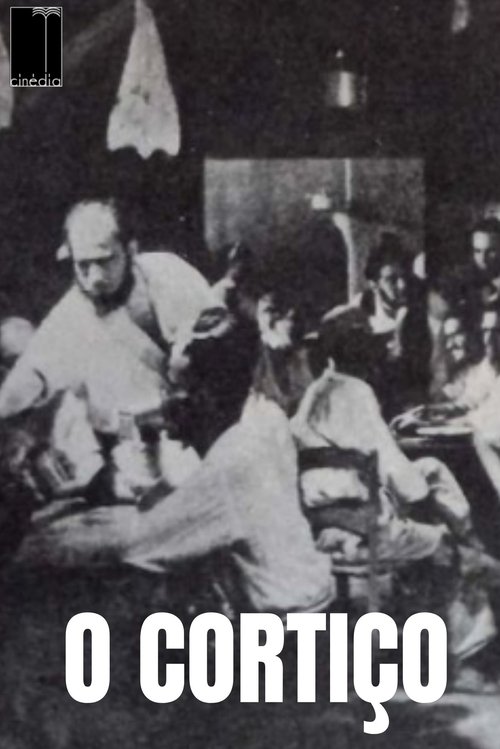
O Cortiço

No description available.
Quem Sabe... Sabe!

In a séance, Menezes' great-great-grandfather is brought back to life in present day (1936), over a century after his death at age 26. A free-spirited womanizer, he starts causing all sorts of trouble for the wealthy, respectable family of his descendants.
The Young Great-Great-Grandfather

Returning from a pleasant horseback ride, two lovers on their way home contemplate each other, entranced by the modesty inherent in the rigid customs they were raised in. The hero feels an irrepressible desire to come to Rio. In the capital, interested in a theater star, he heads to Buenos Aires to win her heart.
Entra na Farra

A farmer from the countryside goes to Rio de Janeiro with his family in search of his daughter's fiancé, who was in the Federal Capital gambling, going to cabarets and dating a ballerina. The farmer also gets involved in many adventures. In the end, he and Gouveia, the fiancé, regret their decision and return to their family.
A Capital Federal

No description available.
Pif-Paf

A pampered girl decides to marry in a different way: buying a husband.