Rose Lowder
Directing
Biography
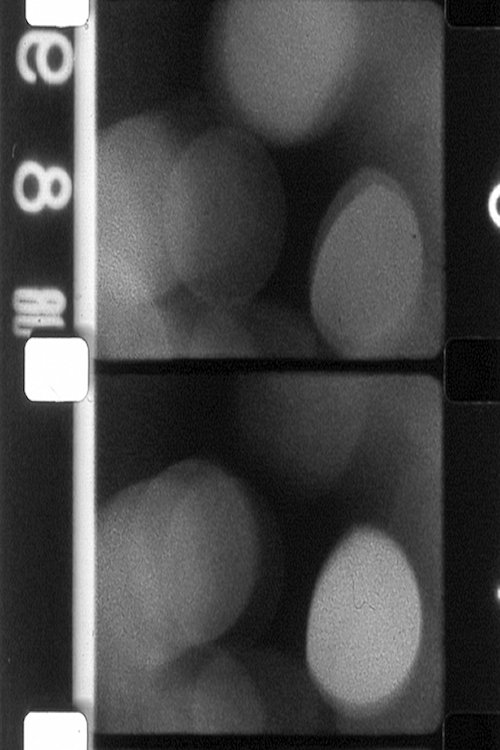
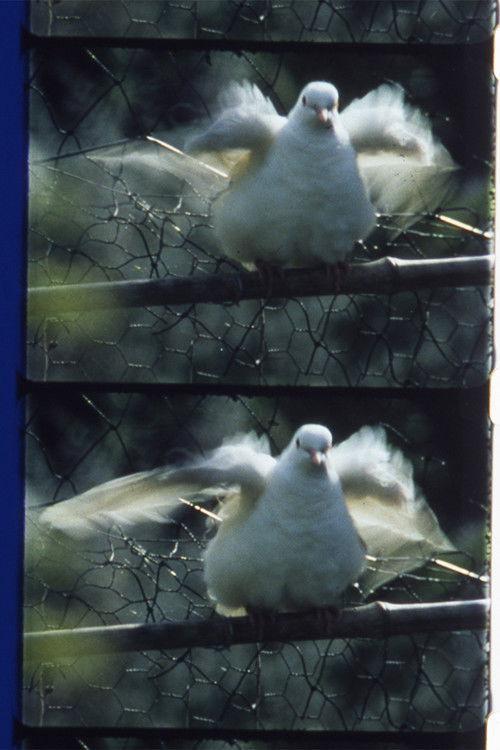
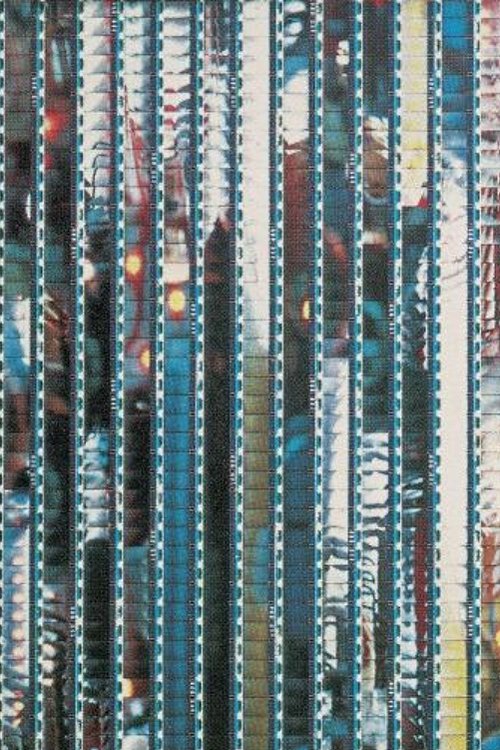
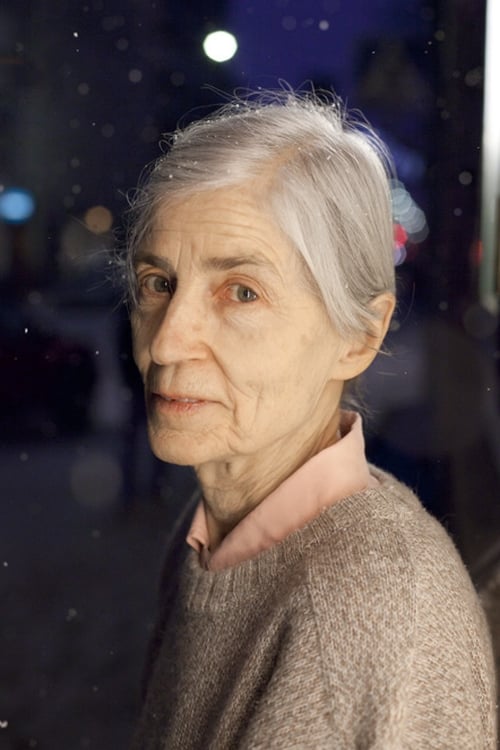
Rose Lowder (born in 1941 in Miraflores, Lima, Peru) is a French-Peruvian filmmaker. From 1947 to 1958, Lowder studied at the Colegio San Silvestre, Miraflores. She then specialized in painting and sculpture studies in artist’s studios and art schools in Lima, Peru (The Art Center (1951-1957), La Escuela de Bellas Artes (1957-1958) then in London (Regent Street Polytechnic, 1960-1962), Chelsea School of Art (1962-1964). While in London, she pursued artistic practice while working as an editor in the film industry (1964-1972). After 1977, Lowder worked on the visual aspect of the cinematographic process and had Jean Rouch, as well as his department from the Université Paris X, and presented a part of her research for a PhD entitled ‘Le film expérimental en tant qu’instrument de recherche visuelle/Experimental film, a tool for visual research’ (1987). In action since 1977, she has been programming rarely shown films as the co-founder of the Archives du film expérimental d’Avignon (AFEA, 1981), aiming to acquire 16mm films and paper documents, as well as publishing several books; Lowder was thus able to make these works more accessible to the public: ‘La part du visuel, films expérimentaux canadiens/ The Visual Aspect, Canadian expérimental films’ (AFEA, 1991), ‘L’Image en mouvement’ (AFEA, 2002), ‘Images/discours’ (AFEA, 2006). From 1996 to 2005, Lowder was an associate professor at the Université de Paris I and taught practice, history, theory and aesthetics. By focusing her research on visual perception in relation to the cinematographic means of expression, Lowder concentrated on the various ways in which one can alter the graphic and photographic visual features of the images as it metamorphoses in time. As a result of this work, she was able to compose the image in the camera by interweaving the frames as the film strip passes the lens several times. This method of working is meticulous and complex because it consists of recording a series of images, frame by frame, in the camera, in order for them to appear simultaneously when projected on the screen.
Known For

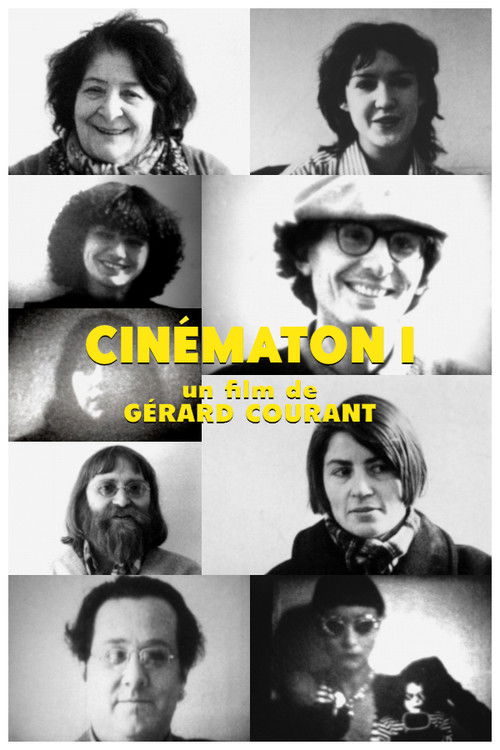
Cinématon is a 156-hour long experimental film by French director Gérard Courant. It was the longest film ever released until 2011. Composed over 36 years from 1978 until 2006, it consists of a series of over 2,821 silent vignettes (cinématons), each 3 minutes and 25 seconds long, of various celebrities, artists, journalists and friends of the director, each doing whatever they want for the allotted time. Subjects of the film include directors Barbet Schroeder, Nagisa Oshima, Volker Schlöndorff, Ken Loach, Benjamin Cuq, Youssef Chahine, Wim Wenders, Joseph Losey, Jean-Luc Godard, Samuel Fuller and Terry Gilliam, chess grandmaster Joël Lautier, and actors Roberto Benigni, Stéphane Audran, Julie Delpy and Lesley Chatterley. Gilliam is featured eating a 100-franc note, while Fuller smokes a cigar. Courant's favourite subject was a 7-month-old baby. The film was screened in its then-entirety in Avignon in November 2009 and was screened in Redondo Beach, CA on April 9, 2010.
Cinématon

Rose Lowder is an artisan of cinema. Her 16mm camera takes the place of a loom for the weaving of images. She has consecrated her life to these tapestries, these embroideries whose motifs have for many years come from nature, in a state of incessant becoming. Like her elders, the Impressionist painters, she renders her bouquets stroke by stroke, image by image, color after color, to give life to her pointillist compositions in motion.
Cinexpérimentaux #5 : Rose Lowder

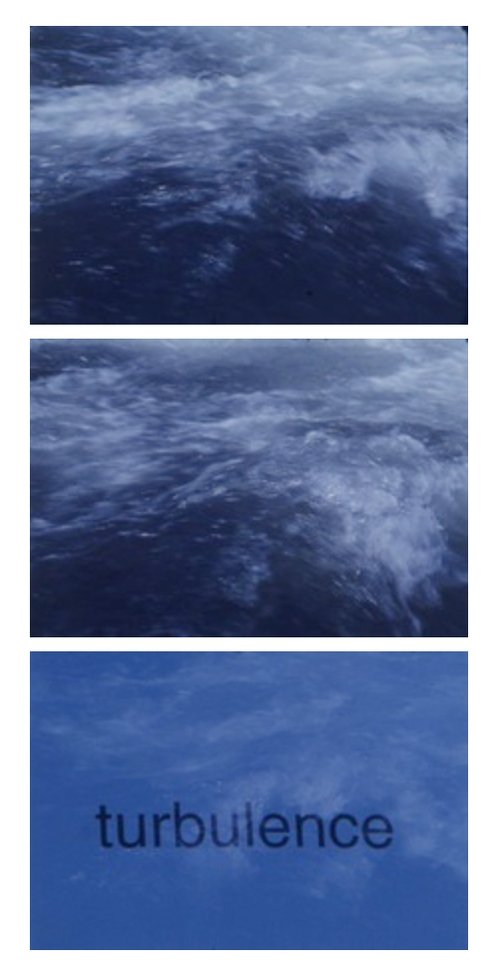
"Turbulence was filmed in the medieval town of Alet les Bains [...] In the middle of the peaceful city, with a warm and relaxing climate, known for its thermal baths, one can see [...] a small waterfall, the images of which, as well as the title of the film refer to the present state of the world today." - Light Cone
Turbulence
The latest in an ongoing series of portraits including inventors Maurice Seddon and Hugh de la Cruz. Here, filmmaker Rose Lowder prepares a macrobiotic meal in her tiny flat in Paris in October 2005. As Rose describes what she is cooking and why, we hear about Rose's childhood spent in Peru through to her current life in Avignon and glimpse a singular creator.
What Did You Eat Today? Rose Lowder

The magnificent garden we see in the film is part of the Brière Regional Nature Park, in the heart of the Guérande peninsula (in Loire-Atlantique), and covers over a hectare. Comprising a vegetable garden, an ornamental garden, a copse and two ponds, it is a space in constant flux, but also a visual melting pot that invites cinematic exploration. The film was shot as a tribute to the creators of this beautiful place, Annick Bertrand-Gillen and Yves Gillen.
Jardin du marais
Far from the reverberations of contemporary society, the Guérande Salt Marshes have a rhythm of their own throughout the year. After winter restoration work, the mosaic of shallow salt pans are prepared, which let water circulate; combined with the effects of the sun and the wind, these allow the salt to crystallize. By the end of the process, as at the end of the film, the fine salt flower crystals float on the surface above the bigger crystals on the bottom in all directions at once.
Sea Salt Flower

Bouquets 1-10 is Lowder’s first collection in an ongoing series of one minute episodes, each composed of footage shot around a general geographic location that has been alternately woven, frame by frame, into a single film reel and connected through the interstitial still life image of a flower that cues the beginning of each integrated film Bouquet. Each bouquet of flowers is also a bouquet of frames mingling the plants to be found in a given place with the activities that happen to be there at the time. Lowder uses the film strip as a canvas with the freedom to film frames on any part of the strip in any order, running the film through the camera as many times as needed.
Bouquets 1-10
Sources originated from Thomas the Gardener’s wish to celebrate the 30th anniversary of his making vegetable pâté. Leaving urban life behind him in order to renew a relationship with the land, Thomas started up an organic garden in the beautiful area of hot and cold springs, lakes and rivers, in the upper Aude Valley. In the middle of making his pâté, the gardener is surrounded, as the water sources of the Aude river rush by, by one of the sources for his recipies, the flowers and spices from his garden.
Sources
The film is composed of twelve reels, each filmed on a different day throughout a six-month period along the eponymous street, joined in a slightly nonchronological order to avoid accentuating anecdotal aspects of the scene. The focus of each image, recorded frame by frame in the camera, is adjusted to highlight different items in each moment.
Rue des Teinturiers
Six poetic pictures, five based on the sun, the wind and the sea, while the last lingers on a small park left fallow.
Salt Garden
BOUQUETS 21-30 is a part of the ecological BOUQUETS series, consisting of one-minute films composed in the camera by weaving the characteristics of different environments with the activities there at the time. The filming basically entails using the film strip as a canvas with the freedom to film frames on any part of the strip in any order, running the film through the camera as many times as needed. Thus each bouquet of flowers is also a unique bouquet of film frames.
Bouquets 21-30
An entry, filmed in Italy, Switzerland and France, in Rose Lowder's series collecting one minute episodes, each composed of footage shot around a general geographic location that has been alternately woven, frame by frame, into a single film reel. In spite of its numbering, this collection was completed later than Bouquets 21-30 (delayed, Lowder explains, "by the weather and a series of related technical/aesthetics incidents").
Bouquets 11-20

the fishing boats are out in the water the fish are caught. brought into shore the men haul the catch off the boat. the boat once again goes out to catch and the cycle continues. for centuries this pattern has repeated it's cycle like the tides which roll in and out a story which draws its energy from the sun the moon draws the tides the men work and die and it continues take a moment stretch your eyes and imagine just imagine all stories are true. (CB)
L’Invitation au Voyage
The film presents a field of sunflowers. The focus is adjusted frame by frame in succession according to a series of patterns on particular plants situated in different parts of the field. The diverse configurations placed on separate frames of the film strip appear, when projected successively, simultaneously on the screen. Thus, filmed one after another at different focal lengths, the sunflowers combine during projection to form one spatiotemporal image. LES TOURNESOLS COLORES is a capricious version of the film. - Film Makers' Coop
The Sunflowers

Fugitive images of the northwestern city of France.
Souvenirs/Rouen
In this film Lowder moves away from the notion of a work based on a preconceived filming procedure, adjusting the visual characteristics of the image in order to approach the temporal dimension of a pond full of frogs. In front of creatures that tend to be elusive, how can one record moments that are meaningful? How can one render a living moment visible and connect different recorded moments together?
Habitat, Batrachian

Couleurs mécaniques presents, in the order they were filmed, six different viewpoints of a merry-go-round. In each case the focus is adjusted so as to select, isolate and inscribe parts of the filmed scene onto the film strip in a way that allows elements of color in movement to be recombined in a particular manner during the projection of the film.
Couleurs mécaniques

Reel 1 of Gérard Courant's on-going Cinematon series.
Cinématon I

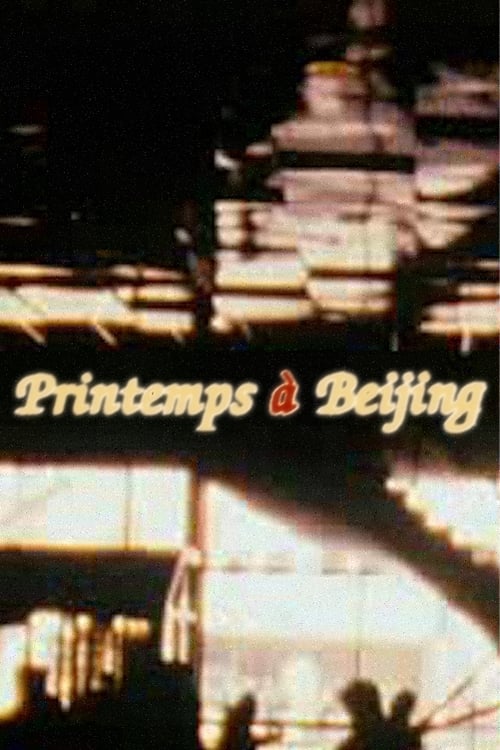
"One year before the massacre of Tian An Men [...] a few hundred meters from this immense square, where the tanks were going to crush the resistance, under the debonair gaze of Mao [...] I was loaned a tiny, autofocus camera, allowing me to shoot without framing, the lens wedged on my right hip. Everything is captured in clusters of images, edited directly into the camera. The diary of a stroller who travels through Beijing on foot and by bicycle - a cyclist among the cyclists who circulate in slow and tight flows." - Sudre
Printemps à Beijing

Little is necessary for everything to appear differently. The date, the hour, the weather, the space's layout, one's glance or presence of mind . . . can make everything change. The boats sail out of the Vieux port in Marseille to be amongst the poppy fields.