Takumã Kuikuro
Directing
Known For
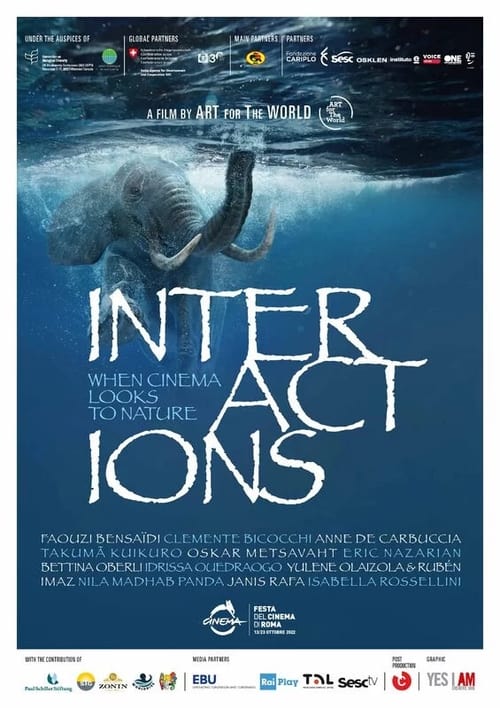
Twelve international filmmakers create connections between humans and animals, through biodiversity, ecosystem, climate change, environment and water risks.
Interactions - When Cinema Looks to Nature

In the Kuikuro homeland of the Upper Xingu in central Brazil, the community is called upon to make preparations for the Jamurikumalu ritual: a traditional festival of singing and dancing that is performed only by women. However, complications arise when an elderly woman is seriously ill. With refreshing frankness and exuberance, this extraordinary documentary follows the Kuikuro people in a race against time to preserve the knowledge of their elders and the practice of their traditions before they are lost forever.
The Hyperwomen

No description available.
Território Pequi
A story of the Kuikuro people of Alto Xingu-MT, where their brothers Kangagatü and Kangagahangü fight over a girl his girlfriend.
Os Encantos do Rio

The shaman and his family go fishing. While fishing, a jaguar approaches and starts screaming, scared, looking for help. Her scream is a warning. The forest burns in flames. The shaman immediately returns to the village and warns his people about the approaching danger. He seeks spiritual strength in shamanism as his concern grows. The fire invades the forest and the animals flee looking for shelter, but many cannot resist and die.
A Febre da Mata
The film portrays a shaman and his family fishing when a jaguar suddenly appears, roaring in distress and seeking help. The shaman alerts his community about the danger and turns to shamanism for spiritual guidance. However, the forest is set on fire, causing the animals to flee and leading to many deaths. The resulting drought is severe, highlighting the consequences of human actions on nature and the need for spiritual and environmental awareness.
Jungle Fever
The indigenous elder of the Karipuna people, Dona Alexandrina, also known as Xandoca, tells a little about her history and about the village Santa Isabel, Terra Indígena Uaça, in the municipality of Oiapoque, in Macapá.
Xandoca
No description available.
Ngune elü, the day the moon menstruated
ITO, fire, in the Karib indigenous language, is a documentary that deals with integrated fire management and presents different strategies to prevent forest fires in the Xingu Indigenous Land, exposing the knowledge of the Indians about the fire regime and the problems faced in the villages, due to the change in this regime. Sober and delicate, ITO shows that, through the dialogue between tradition and technology, in favor of the conservation of the environment, it is possible to prevent major forest fires.
ITO
No description available.
Pele de Branco

ETE LONDON follows the journey made by Indigenous filmmaker Takumã Kuikuro to the heart of one of the busiest cities in the world: London. Leaving for a month his family and people in the Xingu Indigenous Reserve, Takumã arrives in Europe with a camera in his hands, the passion for visual recording and the desire to explore the similarities and differences between his culture and that of the Hiper-whites, a term used by Kuikuro to designate non-Brazilians. A humorous and anthropological documentary about society and its many tribes hiding under skyscrapers.
ETE Londres: London as a Village

Takumã Kuikuro leaves his village located in Alto-Xingu, Mato Grosso, with his wife, Kisuagu Regina Kuikuro, and sons Kelly Kaitsu, Ahuseti Larissa and Mayupi Bernardo Kuikuro to live in Rio de Janeiro. The film shows 2-year-old Bernardo Mayupi Kuikuro discovering the beach and other places in the big city. They do many things, everything is new and, while they live this experience, the part of the family that stays in the village is afraid because the news from Rio de Janeiro are not always good, which causes concern and restlessness. A portrait of the Brazilian contrasts between the imaginary of the tribe and the reality of a metropolis.
Karioka

Inspired by the 18th article of the Universal Declaration of Human Rights, which says that everyone has the right to freedom of thought, conscience and religion, the documentary shows how Agahü is traditionally made and used in the Upper Xingu by the Kuikuro people. Xingu salt feeds the spirit of nature, rituals and people, strengthening souls.
Agahü: O Sal do Xingu
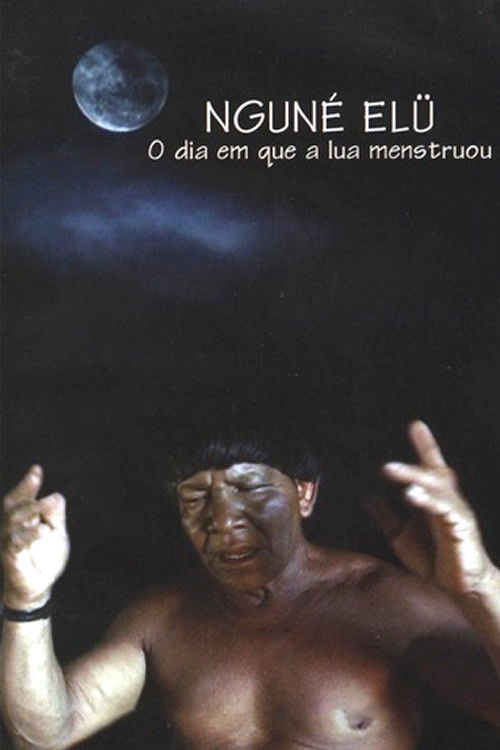
During a video workshop at the Kuikuro village, an eclipse happens. Suddenly, everything changes.