Acting
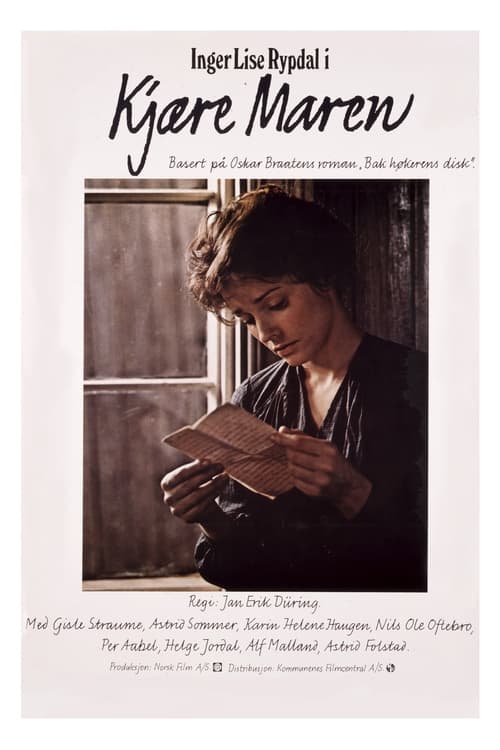
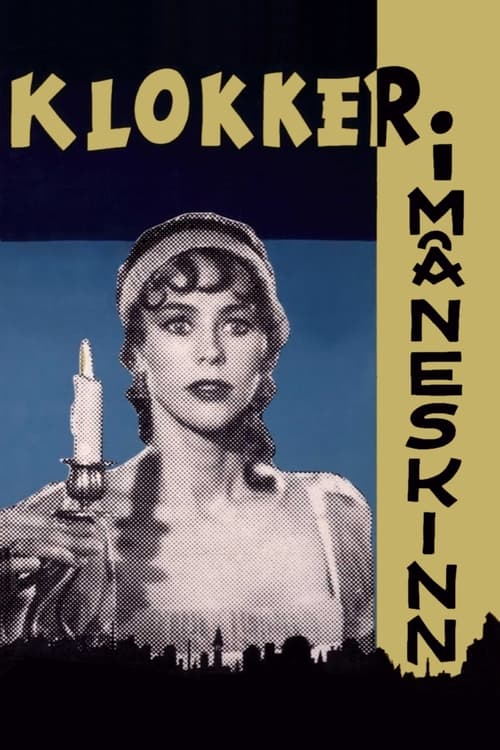
Set in Rodeløkka of Kristiania eastside around the year 1900 and is a rough sketch of how it was to be young and unmarried working girl at the time.
A group of migratory rail road workers arrive in a small town in Norway, and cause social conflict. One of the men, Sjugur, stands apart as a strong, independent man. The girls like him, but he has set his sights on the daughter of a wealthy landowner.
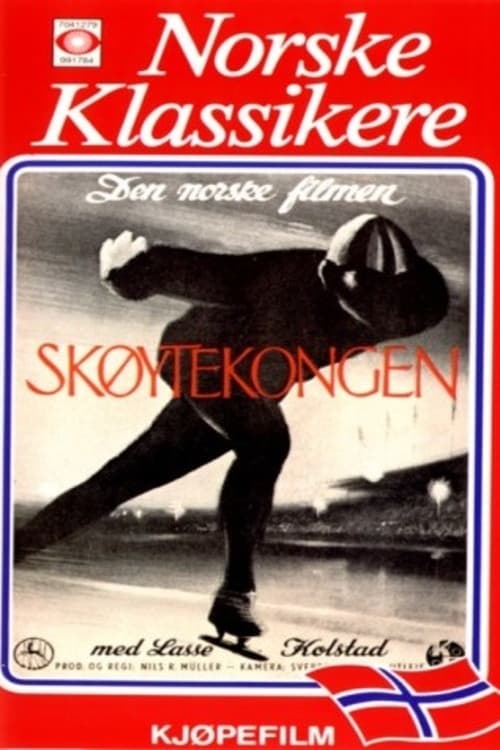
The throne of ice skating sees a change of regent when Hans takes over as “The King”, and the sports press can’t seem to get enough of him.
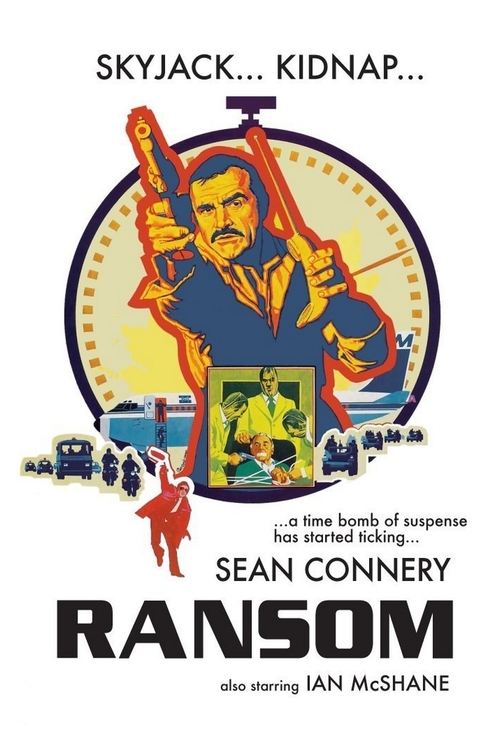
Following a series of bomb attacks in London, a group of terrorists seize Britain's ambassador to Scandinavia. With the ambassador now a hostage in his residence, another group hijacks an airliner at the capital's airport, announcing that the passengers will not be freed until their demands are met. Colonel Nils Tahlvik, Scandinavia's resourceful and ruthless head of security, seeks to take an uncompromising stance against the terrorists yet his attempts meet resistance from unknown forces at every turn...
Young sailor Edmond Dantès is wrongfully imprisoned, escapes, finds treasure, and reinvents himself as the wealthy Count of Monte Cristo to exact revenge on those who betrayed him.
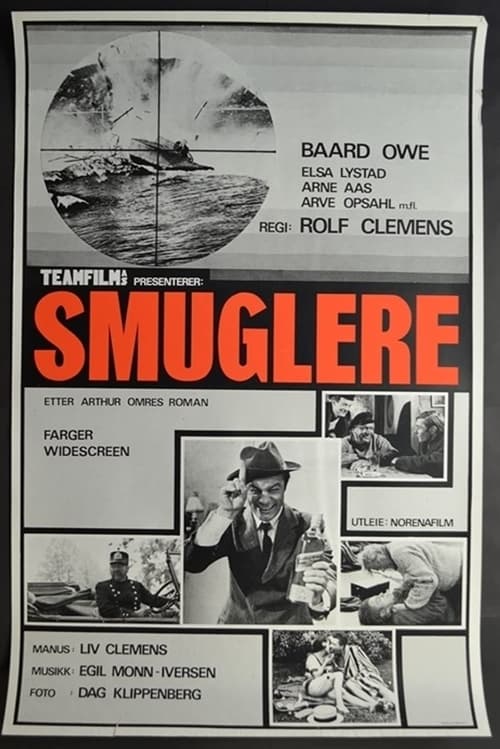
For many, the happy twenties were not very happy, with high unemployment, poverty and a bitter disillusioned youth. But at the same time there was prohibition in Norway, with large-scale smuggling and easy-earned money. Ernst, an unemployed architect, stumbles onto the smuggler path, and replaces a gray, boring life with a lush, rowdy and colorful world. Klara, the girl he loves, walks away from him, and Jenny becomes his new girlfriend. Together with Hugo and Elsa, these four make a number of smuggling trips by car - with big profits - but it's not enough. So Ernst invests in boats, and that's when the really messy smuggling starts. He operates in the entire Oslo Fjord, all the way down to Rotterdam, pursued by police and customs, with his infamous torpedo boats. We follow Ernst all the way to the so-called Bygdøyslaget, where smugglers and police brutaly clash together.
Mountain climbing and its dangers get a different twist in this standard drama by Norwegian director Tancred Ibsen. When one of two climbing buddies returns from an attempt to scale Eagle Peak, he is happy to claim his award for being the first to reach the summit. But his celebration is short-lived after his friend comes back down from the mountain with another version of his "victory" climb. This second version has the supposedly successful climber cast as an attempted murderer. The story behind the climb comes out in flashbacks as the Alpine Club reviews the accusation.
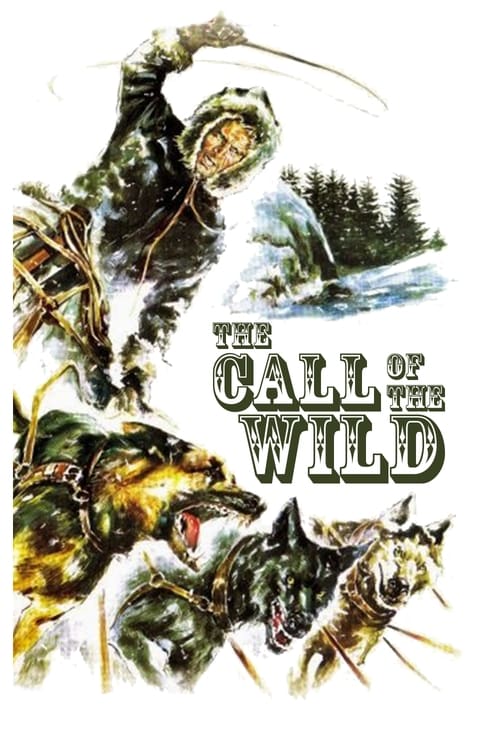
John Thornton, is a fearless man who's after more than gold; he wants to do what's right. Thornton works for the U.S. mail and is the only person daring and smart enough to figure out how to travel the deadly 600 miles from Skagway to Dawson, Alaska in the icy winter. His incredibly dog Buck is by his side and part of how he survives.
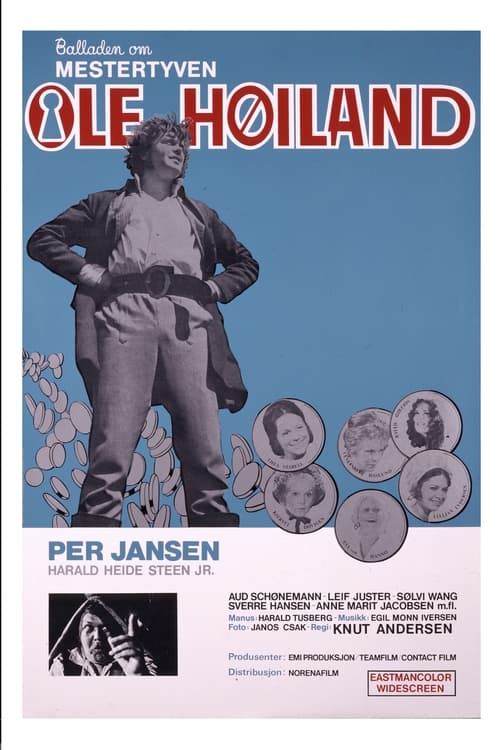
Ballad of the Masterthief Ole Hoiland (Norwegian: Balladen om mestertyven Ole Høiland) is a 1970 Norwegian drama film directed by Knut Andersen, and starring a broad cast of notable Norwegian actors, headed by Per Jansen as Ole Høiland. Ole Høiland was an actual Norwegian Robin Hood-figure in the early 19th century. He steals from the rich and gives to the poor, enjoying numerous affairs with attractive women along the way. The story culminates in the ambitious burglary of Norges Bank, Norway's central bank.
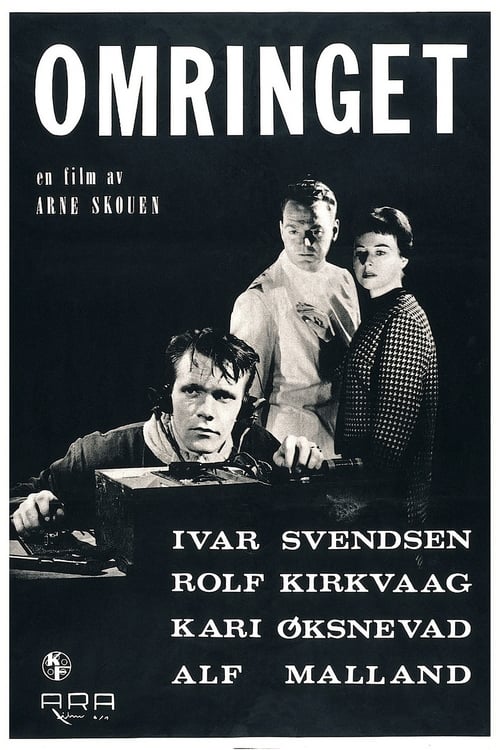
The film describes how resistance fighter Knut Magne Haugland operated an illegal telegraph station on the roof of the National Hospital in 1944 during World War II.
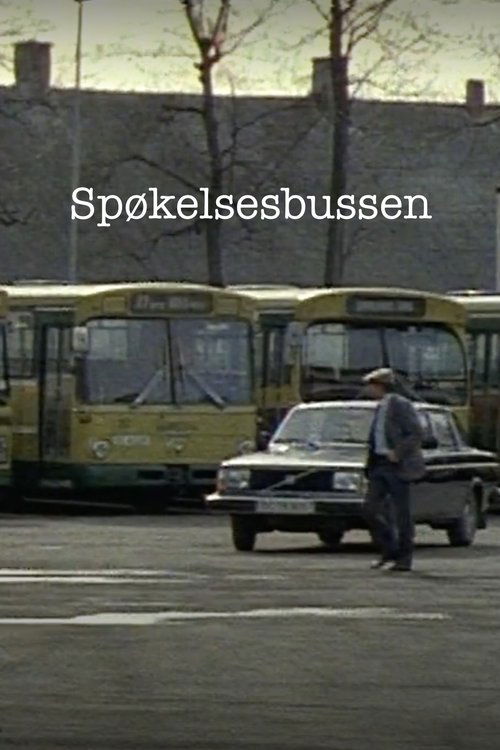
Pakistani Ali Reza is found dead under a bridge, with a stab wound in the back. He was last observed boarding a bus the night before.
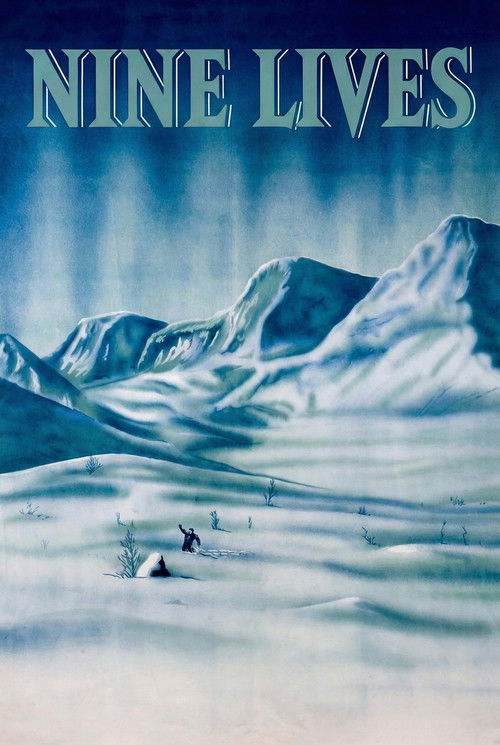
The movie takes place during World War II and depicts the true story of Jan Baalsruds amazing escape from the German army from the coast of Northern Norway and across the border to the neutral country Sweden.
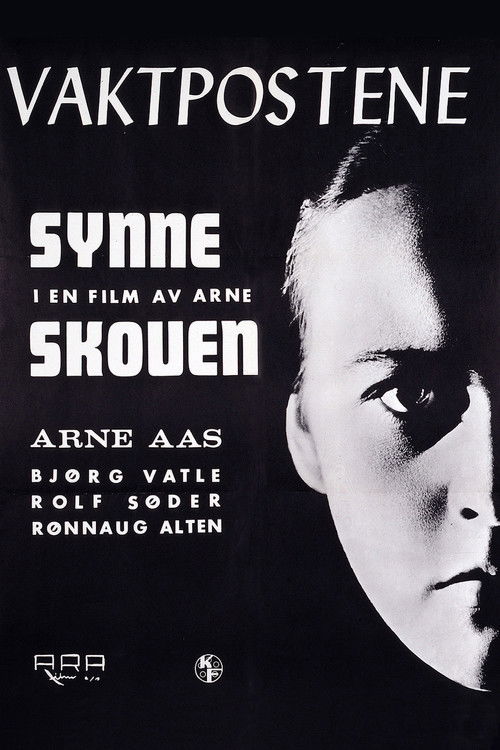
A hand is pulling the emergency breaks on a train, and a young military recruit has his live all changed. No one can answer a girl's question in court. What colour are dreams? A gathering of destinies. Can anyone answer why things happen?
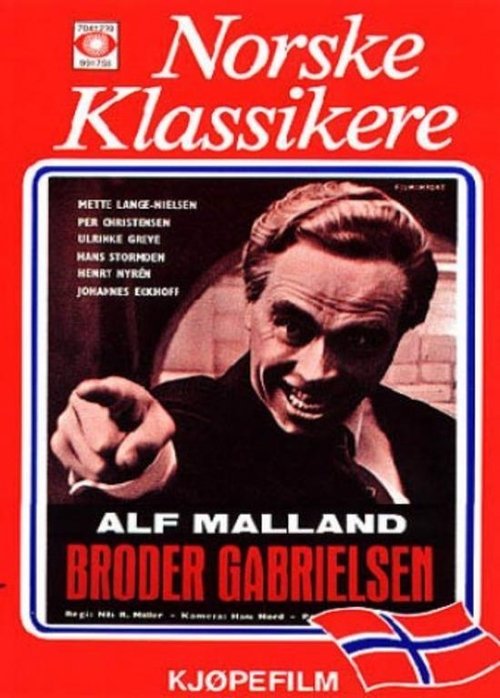
" Broder Gabrielsen " in its time awoke a major debate , and already during the shooting of the film went high waves in the press . The film points a strong warning against religious fanaticism and against contemporary preachers, and it met then also strong opposition from some of these . In the film we meet the piecemeal lay preacher , Brother Gabrielsen ( ALF MALLAND ) , who discovers how modern music , rhythms and ecstasy gives great success when it comes to getting listeners to his preaching . He will soon get his big break , and keeps ecstatic revival meetings with tongues and " healings " through prayer . It ends in discouragement and defeat then wonders absent for Gabrielsen , and personal tragedies for those who were misguided .
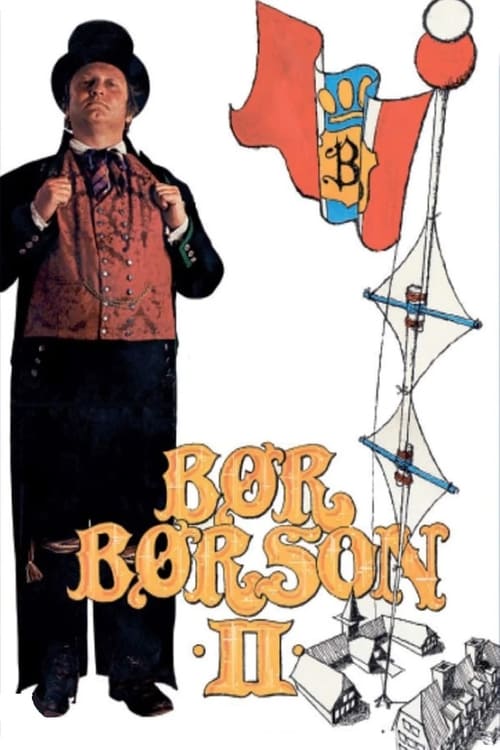
Bør is startled when he discovers that his father-in-law is becoming more Norwegian than he is. The father-in-law is about to raise the village's highest flagpole. Bør can't sit still and watch, and that's why the fight and the intricacies are underway.
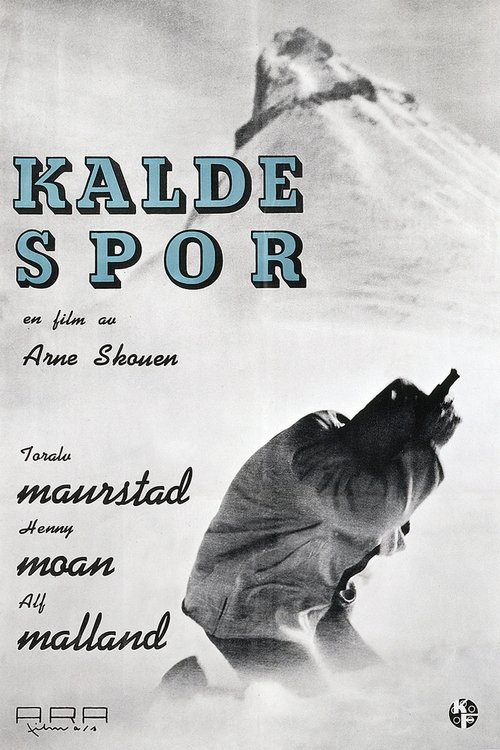
Guilt and sexual jealousy are the main dynamics behind Skouen's gloomy and intense tale about Oddmund, a former Resistance leader who caused the death of 12 refugees during the war.
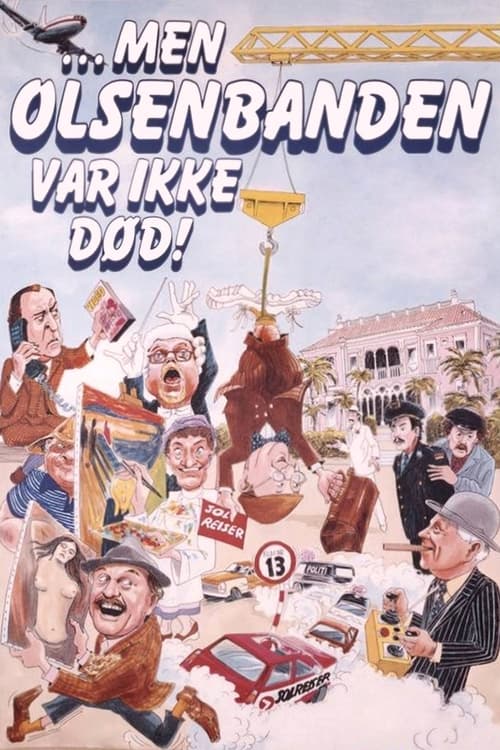
The Olsen Gang has traveled south after the success of their last coup, but there's still someone who hasn't given up catching them.
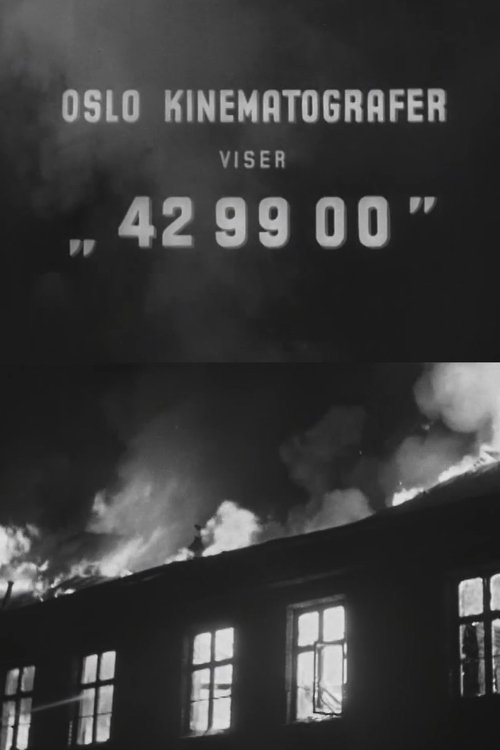
A short film about the fire unit in Oslo. ***** Oslofilm was a series of public information films about life in and around Oslo, produced between 1940 and 1980. Funded by the state, the films offer valuable insight into postwar Norwegian society. A wide range of Norwegian filmmakers contributed to the productions, resulting in a rich variety of styles and expressions. Several of the films also possess notable cinematic qualities, standing out as more than just informational material. The Oslofilms represent a unique and important chapter in Norwegian film history.
Four men are gathered to play a game of bridge, when the conversation turns to unnatural and occult events.
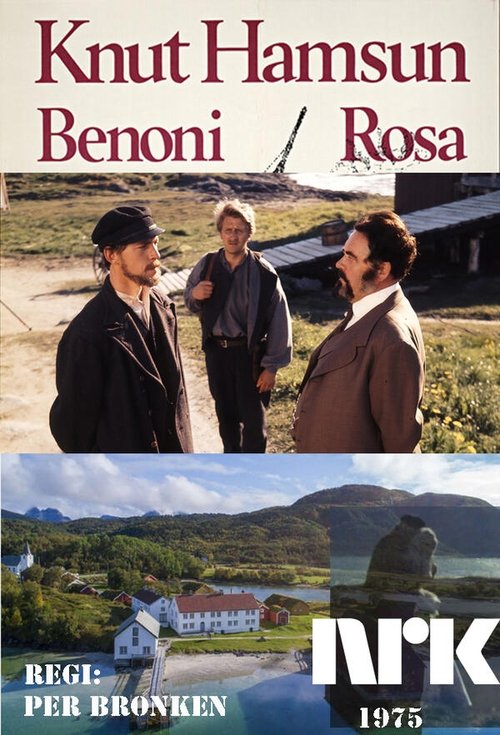
Set in the township of Sirilund in northern Norway, "Benoni and Rosa" follows the journey of Benoni, a young postman and fisherman, as he grows richer and rises through the ranks to the merchant class, and strives to propose to the beautiful priest's daughter, Rosa.