Directing
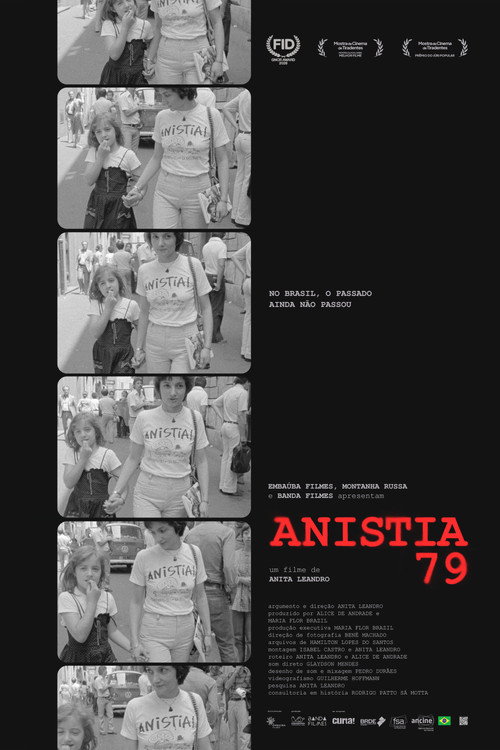
In Rome, in June 1979, the International Conference for Amnesty in Brazil is filmed, a major gathering of the Brazilian left in exile. Viewed in the present day, this archive revisits with rare vitality the question of political strategies in the face of state repressive apparatuses.
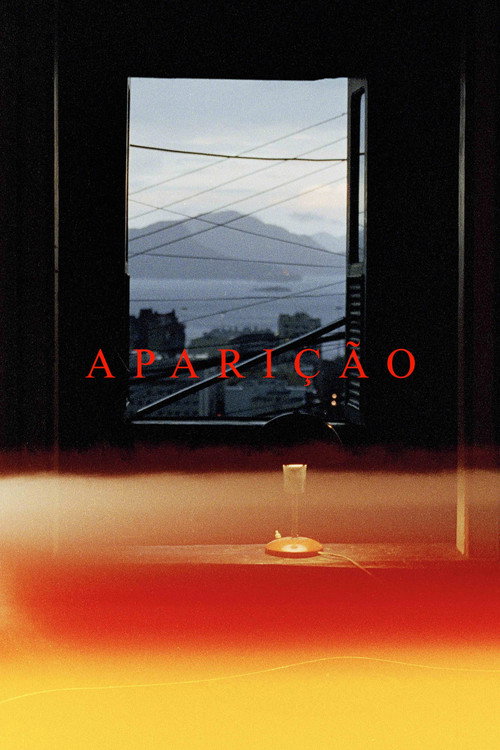
The story of my grandmother's first encounter with a "caboclo," a spirit rooted in Afro-Brazilian traditions, is passed down from generation to generation. Like an invocation, it becomes the narrative matrix for other visions and accounts, especially among the women in the family. Beyond the visible spectrum, Aparição reflects on vision as a collective sense.
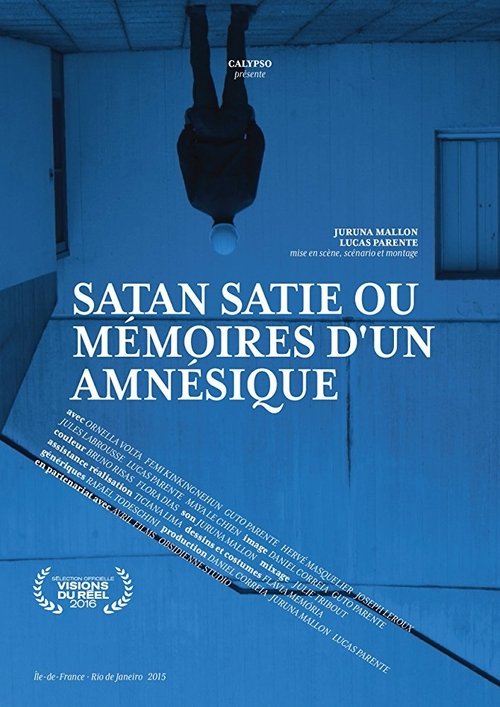
Erik Satie’s work is at the heart of modern music. However, who was Satie? An elusive genius or a visionary misanthrope? The film tries to sketch an identikit of the musician through his notes and the places he lived in. Musicologists mostly agree in describing Satie’s music as inhabited by voids and holes. The long pauses between one musical passage and the other are musical structures unto themselves; therefore, the filmmakers create a dissonant Satie-like universe in which empty spaces are adjacent to eloquent passages. Like a mysterious flower visible only to the eye that is willing to dance with its charm, the film unfolds little by little through mental associations and creative juxtapositions. There are no answers in the universe inhabited by the ghosts of Satie’s creations. Architectural forms and recollections from desires and acts of creative hubris compete to create a new world, which ultimately is the image of a new and more seductive pleasure principle.
The daily life of a family in which countless factors are disturbing: the father is unemployed, the members need to move house, the mother is abducted, and life continues as if nothing had happened.
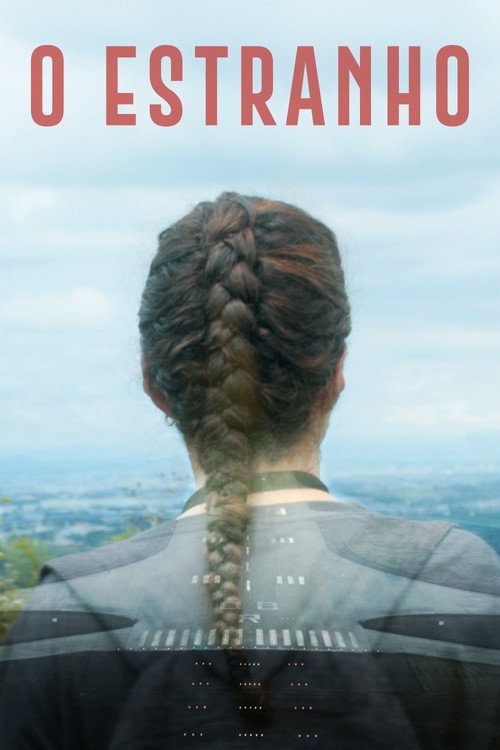
The name of Brazil’s biggest airport, Guarulhos, references the fact that it was built on indigenous territory. In a blend of realistic and stylised scenes, the film follows a member of the ground staff as she seeks her roots beneath the runway.
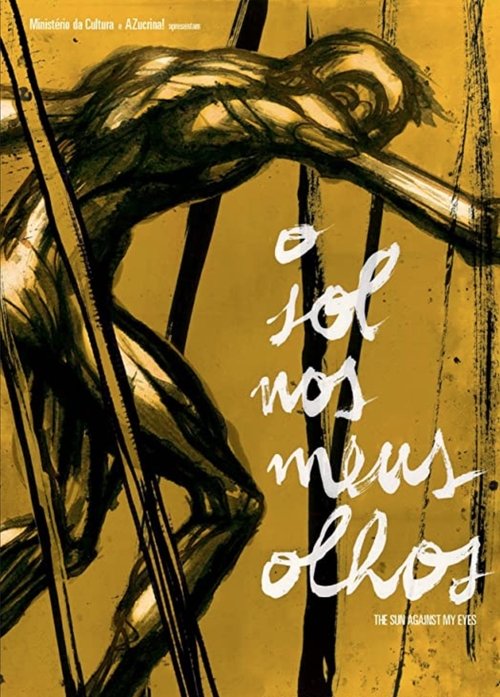
A man gets home and finds his wife dead. In a silent impulse he takes her body and plunges on the road. This man had never left his hometown, Brasília. When his wife dies, he leaves pushed by this emotional collapse, and submerges the road and it’s fortuity, searching to reconstruct his own reality. She survives in his memory. The road and its environment play an essential part in this man’s process: the landscape and the people, spontaneously. The Sun Against My Eyes follows this trip, from the countryside plateau to the fluminense hills.
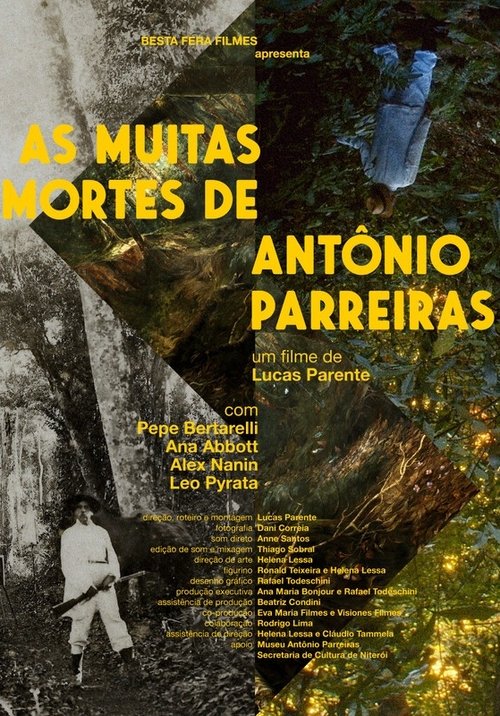
Freely inspired by the life and work of the painter Antônio Parreiras (1860-1937).
A return not to the origins, but to a place already filled with memories.
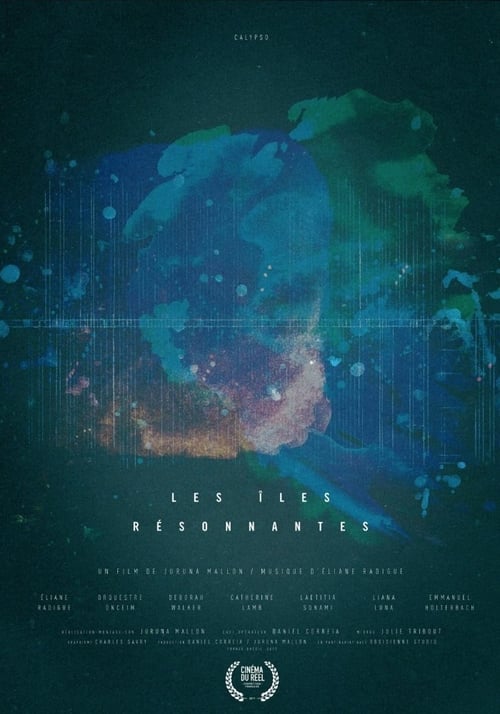
This intimate look at Éliane Radigue, French pioneer of minimalist and electro-acoustic music, explores the sensory singularity of her "sound sculpture" and its meditative virtues.