Michael Gregor
Directing
Known For
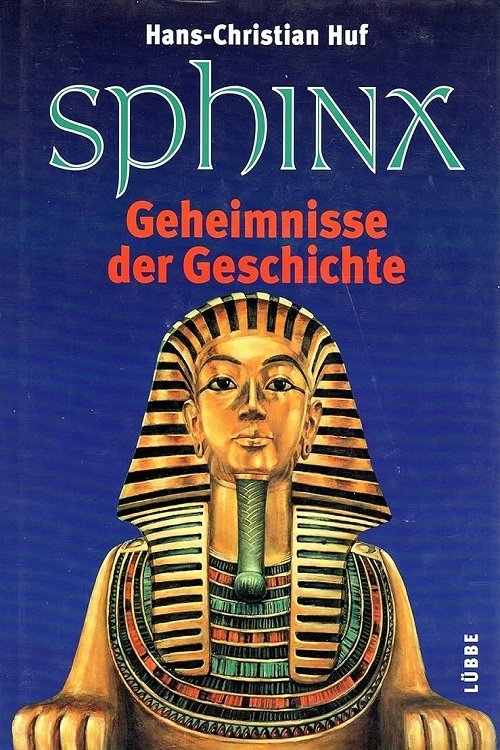
This German format is not a series properly speaking, as it has no permanent cast or script continuity, but presents each time a 45 minutes documentary, usually in part presented as a docudrama (not faction, as close to scientific knowledge as possible, but visually attractive), elaborating a specific historical theme, widely varied, often exotic in the sense of a far time (as far back as prehistoric times) and/or place (around the globe), although some episodes fit together well, chronologically or thematically, but always fit to be watched separately. Usually authentic locations are used, as well as scenes from and/or interviews about the scientific research it is based upon.
Sphinx – Secrets of the History
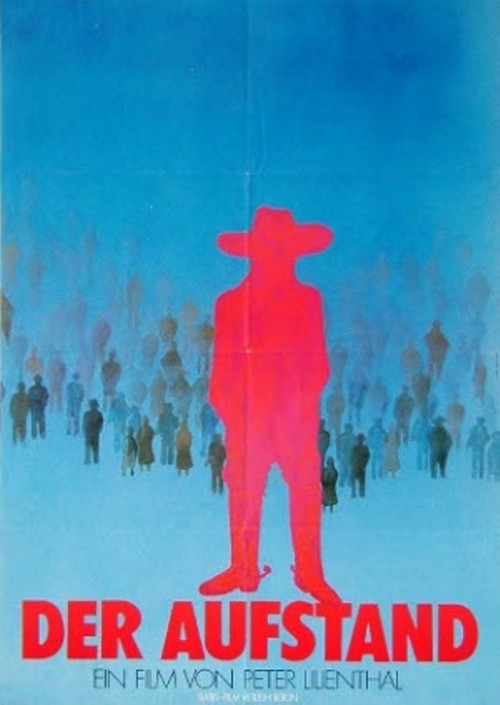
In Nicaragua, 1977, corruption and abuse of power are everyday occurrences under the Somoza family’s dictatorship. Eruptions of violence lead to a civil war, which the Sandinista revolutionaries win – at least for the time being. Against this backdrop, the conflict between a young soldier of the Somoza regime and his family, who sympathize with the insurgents, is illustrated.
The Uprising
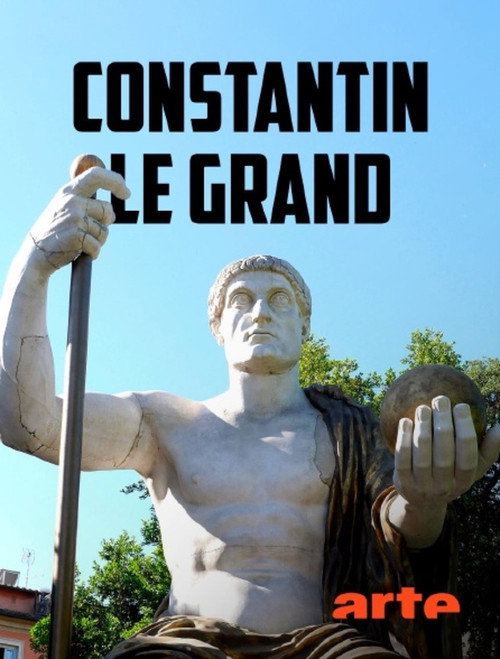
No description available.
Konstantin der Große: Auf Entdeckungsreise in Europa
No description available.
Flüsse des Lichts
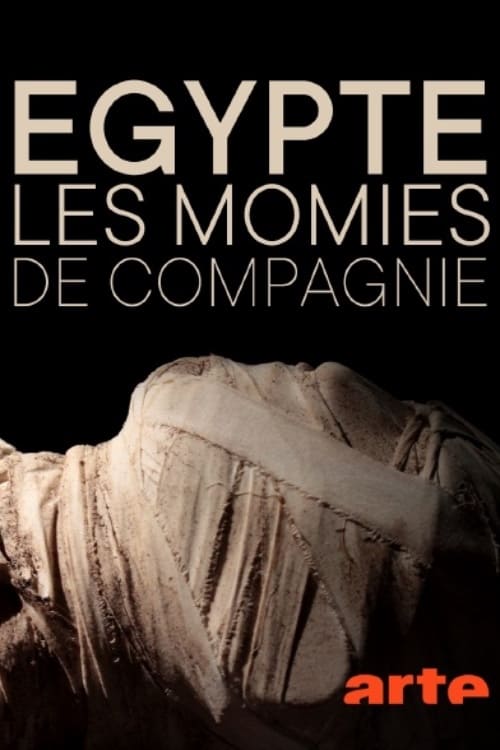
In Pharaonic Egypt, animals held a special place. Venerated, they were sacrificed to serve as intermediaries between their tutelary deities and mankind. Countless animal mummies lie in ancient tombs. Still little-known, this rite is the subject of international archaeological research. In Middle Egypt, Melanie Flossmann and her German-Egyptian team are excavating the labyrinthine corridors of the Tounah el-Gebel necropolis, once attached to a temple dedicated to Thoth, the god of the moon and knowledge. Thousands of ibises and baboons, the deity's sacred animals, buried in terracotta urns, litter the underground galleries. Researchers have discovered that some specimens contain simple piles of linen or incomplete remains.
The Mysterious Mummified Dogs of Ancient Egypt
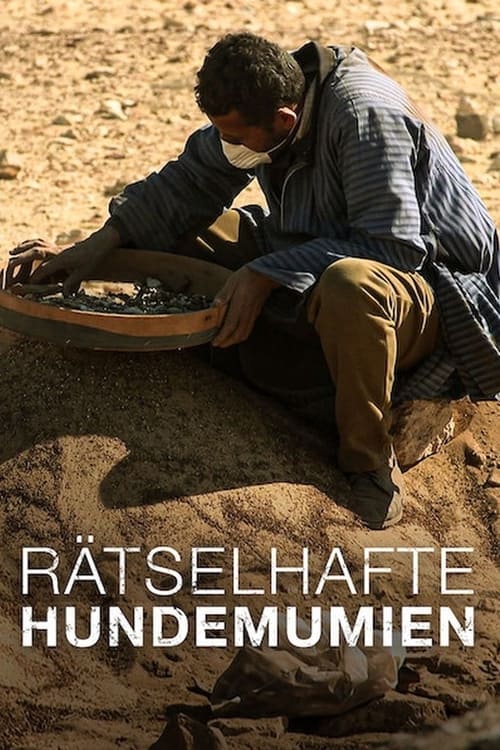
This documentary examines the mysterious practice of mummifying animals in ancient Egypt as researchers explore the labyrinth of Tuna el-Gebel.
The Mysterious Mummified Dogs of Ancient Egypt

No description available.
Le disque de Phaistos
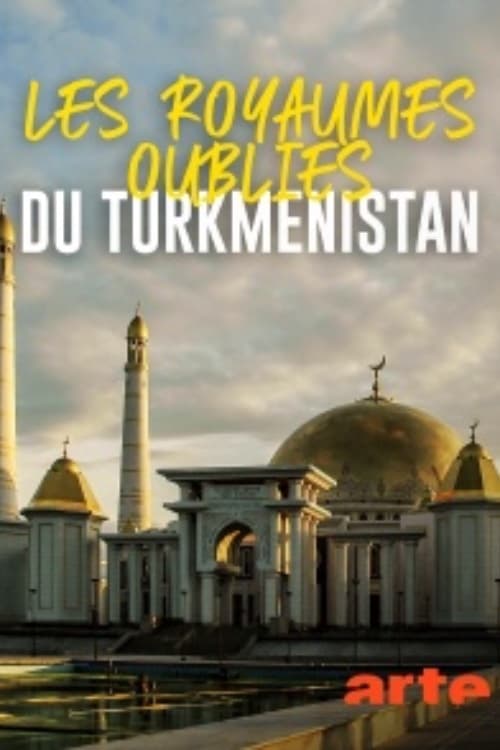
To outsiders, Turkmenistan is one of the world's least known countries. For the first time in ten years, a film crew has been free to visit spectacular excavation sites and follow international researchers into areas that have long been off-limits. Once considered the poorest part of the Soviet Union, oil and natural gas have brought new wealth to Turkmenistan today. A little known fact in the West is that 4,000 years ago, the country was home to one of the ancient world's centers of power. Although it flourished around the same time as the advanced civilizations of Mesopotamia and Egypt, the Margiana empire was later largely forgotten. Since the fall of the Soviet Union, the country has been slowly opening up to international researchers, and its astounding cultural heritage is coming to light.
Turkmenistan's Cultural Treasures
Documentary about the relationships between the collection, processing and marketing of human blood plasma, primarily by American companies.