Toni Nogueira
Directing
Known For
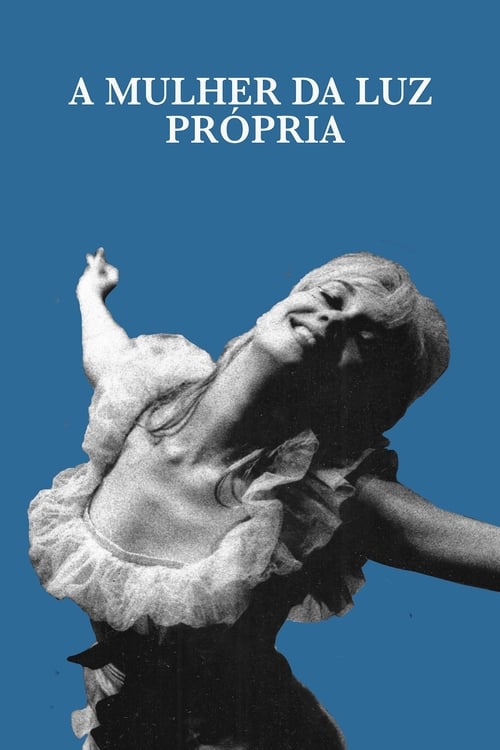
Helena Ignez is one of the main female figures of Brazilian cinema. She developed a new style of acting. Nowadays, she directs independent films. The documentary tells some of the History of Brazilian cinema, its political context and Helena's trajectory.
A Mulher da Luz Própria

Young directors are filming “The Exhibitionist” in the middle of a farm in a paradise-like region. The film poetically investigates the Brazilian soul, with the Amazon as the center of the world, reflecting on existential issues, the right to sexual freedom and individuality.
Ralé: The Lower Depths
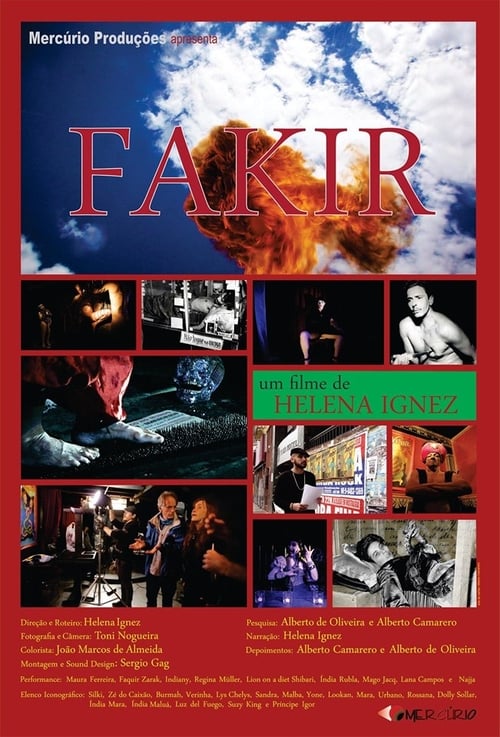
The feature-length documentary Fakir portrays the success of fakirism in Brazil, Latin America and France. This circus art origin show is presented and analyzed through archives that reveals the success of these presentations with their pain resistance championships and the great public presence, including politicians and government officials. Fakir spans current footage from contemporary artists who keep this art alive in performances and shows.
Fakir
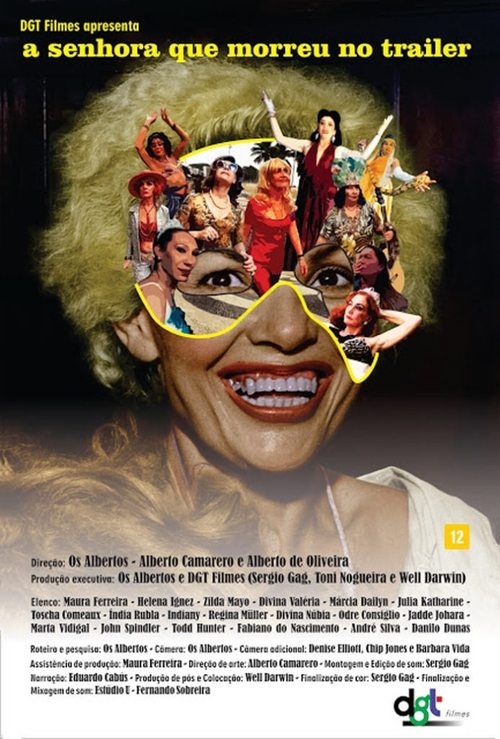
After being born Georgina in the outback of Bahia, she became known as Diva Rios in São Paulo’s Boca do Lixo and Rio de Janeiro’s Lapa, as well as Suzy King in the nights of Copacabana, but died as Jacuí Japurá on the border of the United States and Mexico. Four names for just one woman: fascinating, moody and very creative. Singer, songwriter, actress, ballet, folk, burlesque and exotic dancer, snake charmer and fakir were only some of the artistic endeavors she tackled during her life. Found dead on the trailer where she lived in August of 1985, in California, she left behind stories without conclusion, lost remainings of her troubled trajectory and a trail of mystery. Three decades later, two historians gather fragments of her tale with the goal of piecing together the complex puzzle that was her life. Actresses, singers, musicians and performers join them to rescue the poetic aspects of her unique personality. A question resounds throughout the entire movie: Suzy King, who are you?
The Lady Who Died in the Trailer
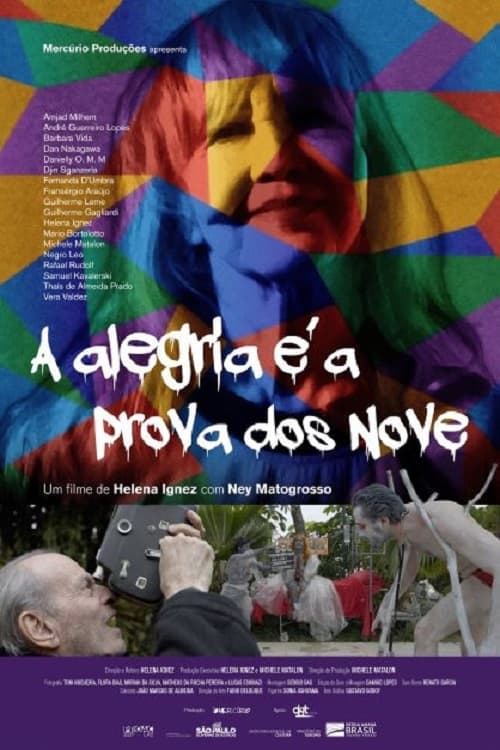
A film about love, also a memoir, about the trip made in the 1970s to Morocco by Jarda Ícone, an artist, sexologist, and octogenarian rocker, as she defines herself, and Lírio Terron, a human rights activist. In fact, a journey that is not over in their lives. Jarda Icon teaches classes on how women can obtain their own orgasm. With her group of disciples and friends Ana Brasil, Sheyla Fernanda, Caroline Sylvie and Lakshmi she develops self-sustainable feminist and artistic projects. The film is political, but not at all politicized in the traditional sense. It is an ode to the underground and counterculture movements, it is a hymn to freedom, and its title is also a tribute to Oswald d Andrade, one of the main names in Brazilian modernism.
Joy Is the Acid Test
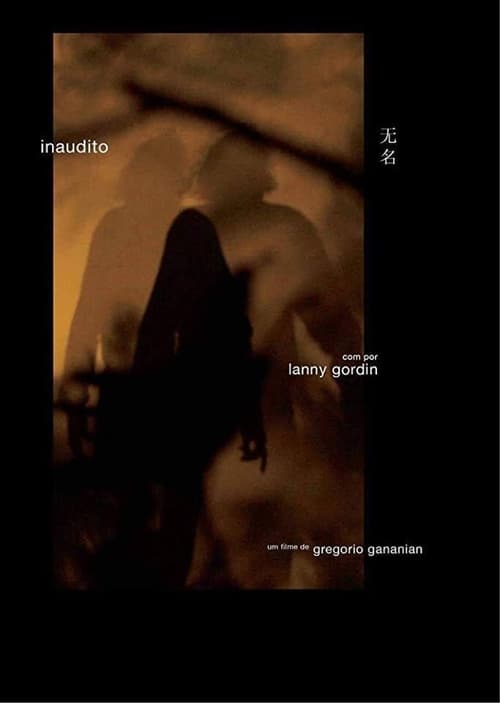
Guitarist Lanny Gordin was one of the fundamental characters in the transformation of Brazilian music from the 1960s onwards. He electrified Gal Costa, Gilberto Gil, Caetano Veloso and Jards Macalé, among others. Lanny reveals his libertarian process of composition and current thinking, embarking on an unusual odyssey through China, his birthplace, and Brazil, the country where he lives.
Inaudito

Making movies is the opposite of isolating yourself. NOTHING I WANTED TO SAY is a feature film shot indoors during the confinement of the 2020 pandemic. While they are involved in making a film about isolation, two brothers, 21 and 19, exercise their gaze towards what is near. Four months confined in a 60 m2 apartment, where they share the loneliness, anticipation and anguish of this strange time. A reflection on isolation during the Covid-19 quarantine and on reconnecting with one's inner self.
Nada que eu Queria Dizer

No description available.
Profissão MC
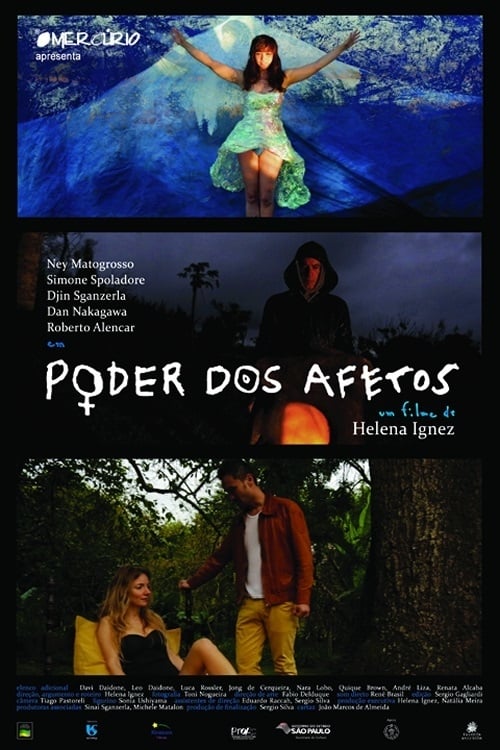
A study that unwraps a paradisiac scenery, reaching the subjects of Brazility and its force in the change of habits, breaking taboos and bringing out a magical and original reality throught its characters.
Poder dos Afetos
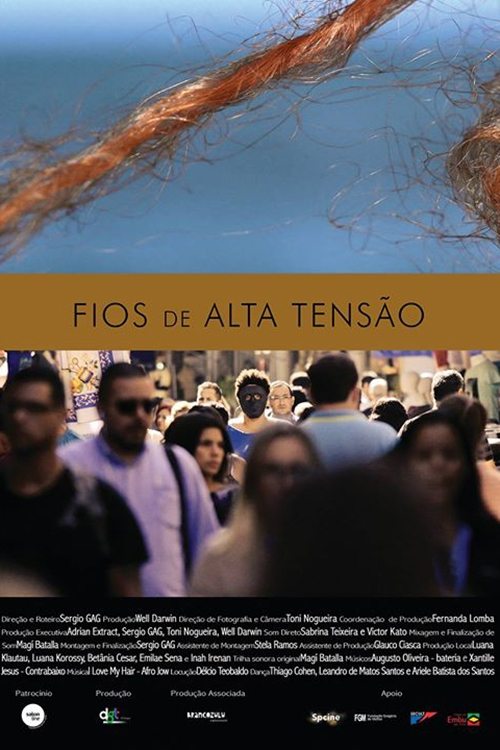
What does your hair say about you? With this question, we approached more than forty people in Salvador, Belém do Pará, Rio de Janeiro and São Paulo and the answers reveal stories of resistance, conquest, affirmation and overcoming. Based on ethnic, age, socioeconomic and gender diversity, we can draw an original portrait of contemporary Brazil from the hair of Brazilians.