Rex Miller
Directing
Known For
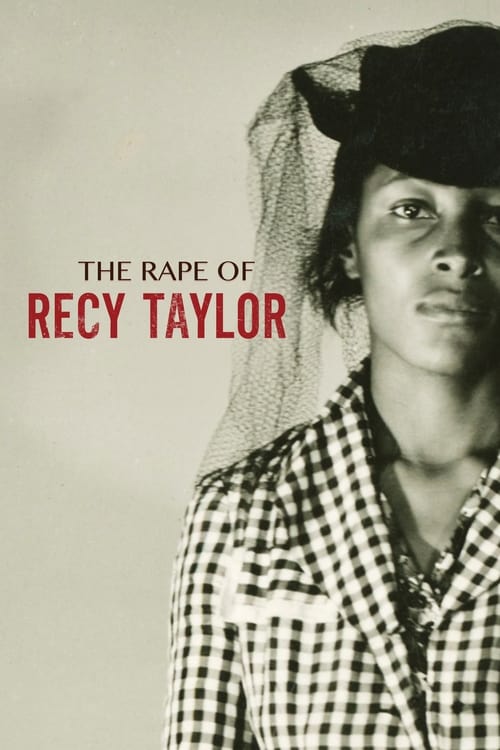
Recy Taylor, a 24-year-old black mother and sharecropper, was gang raped by six white boys in 1944 Alabama. Common in Jim Crow South, few women spoke up in fear for their lives. Not Recy Taylor, who bravely identified her rapists. The NAACP sent its chief rape investigator Rosa Parks, who rallied support and triggered an unprecedented outcry for justice. The film exposes a legacy of physical abuse of black women and reveals Rosa Parks’ intimate role in Recy Taylor’s story.
The Rape of Recy Taylor
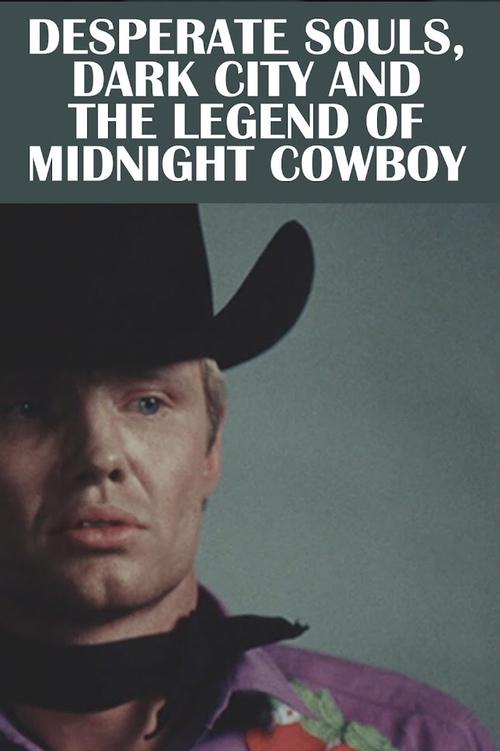
This is not a documentary about the making of Midnight Cowboy. It is about a humane and groundbreaking masterpiece and the flawed but gifted people who made it. It is about a troubled era of cultural ferment, social and political change, about broken dreams and strivers, then and now. It is about an era that made a movie and a movie that made an era.
Desperate Souls, Dark City and the Legend of Midnight Cowboy
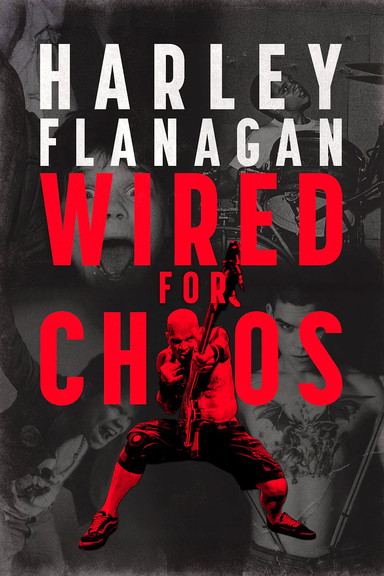
From his harsh childhood in the burnt-out Lower East Side, musician Harley Flanagan burst onto the punk music scene at age 11 as drummer for his aunt’s band, the Stimulators. The founder of the Cro-Mags tells his incredible story, while interviews with hard rockers and icons like Flea, Ice-T, Henry Rollins, and Anthony Bourdain add insights. Featuring gritty footage of NYC’s downtown 1970s and ?80s music scene, this passionate film showcases Harley’s against-the-odds transformation from chaos to peace, driven by music, family, and personal growth.
Harley Flanagan: Wired for Chaos

Althea Gibson’s life and achievements transcend sports. A truant from the rough streets of Harlem, Althea emerged as a most unlikely queen of the highly segregated tennis world in the 1950s. Her roots as a sharecropper’s daughter, her family’s migration north to Harlem in the 1930s, mentoring from Sugar Ray Robinson, David Dinkins and others, and fame that thrust her unwillingly into the glare of the early Civil Rights movement, all bring her story into a much broader realm of the American story.
Althea
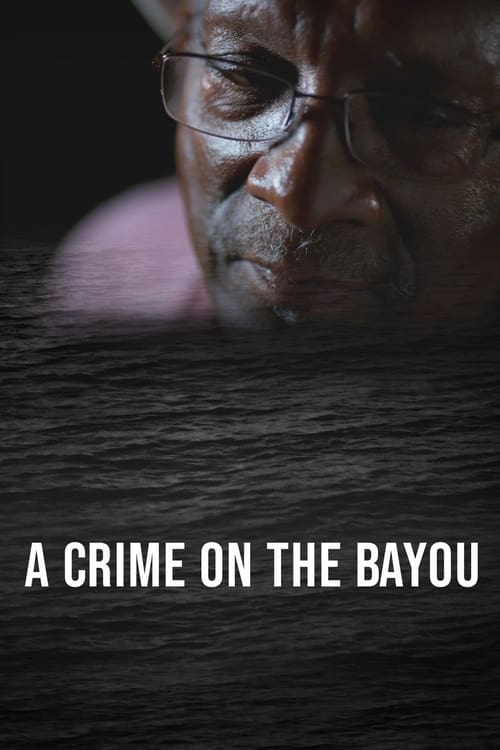
A Crime on the Bayou is the story of Gary Duncan, a Black teenager from Plaquemines Parish, a swampy strip of land south of New Orleans. In 1966, Duncan tries to break up an argument between white and Black teenagers outside a newly integrated school. He gently lays his hand on a white boy’s arm. The boy recoils like a snake. That night, police burst into Duncan’s trailer and arrest him for assault on a minor. A young Jewish attorney, Richard Sobol, leaves his prestigious D.C. firm to volunteer in New Orleans. With his help, Duncan bravely stands up to a racist legal system powered by a white supremacist boss to challenge his unfair arrest. Their fight goes all the way to the U.S. Supreme Court, and their lifelong friendship is forged.
A Crime on the Bayou
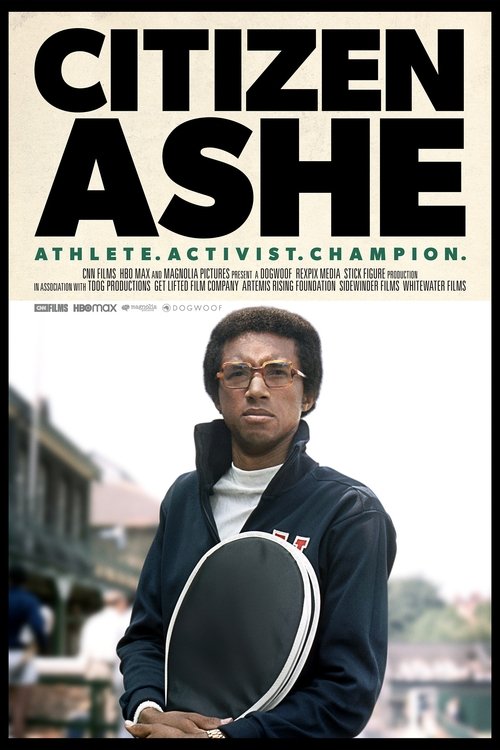
Follows the life and career of Arthur Ashe.
Citizen Ashe
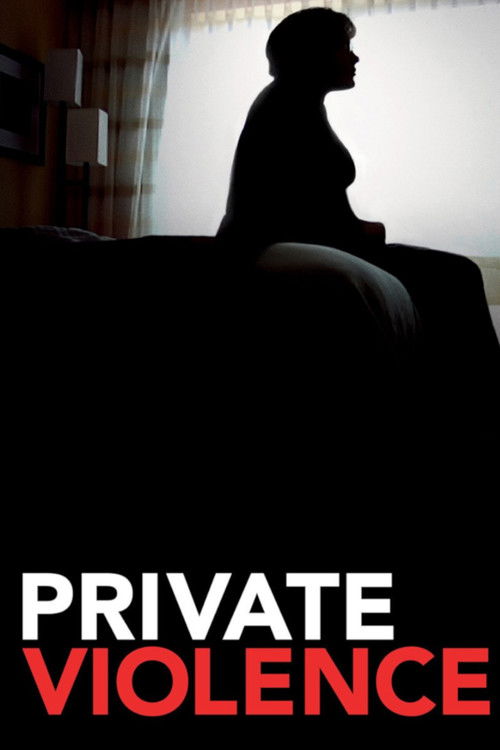
One in four women experience violence in their homes. Have you ever asked, “Why doesn't she just leave?” Private Violence shatters the brutality of our logic and intimately reveals the stories of two women: Deanna Walters, who transforms from victim to survivor, and Kit Gruelle, who advocates for justice.
Private Violence
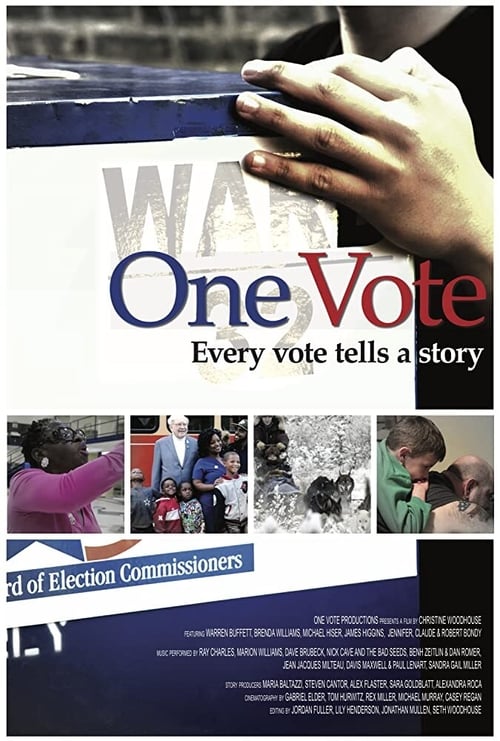
Filmed in five locations on a single day, One Vote captures the compelling stories of diverse voters on Election Day 2016. At times funny, surprising and heart-wrenching, the film eschews partisan politics in favor of an honest portrayal.