Directing
No description available.
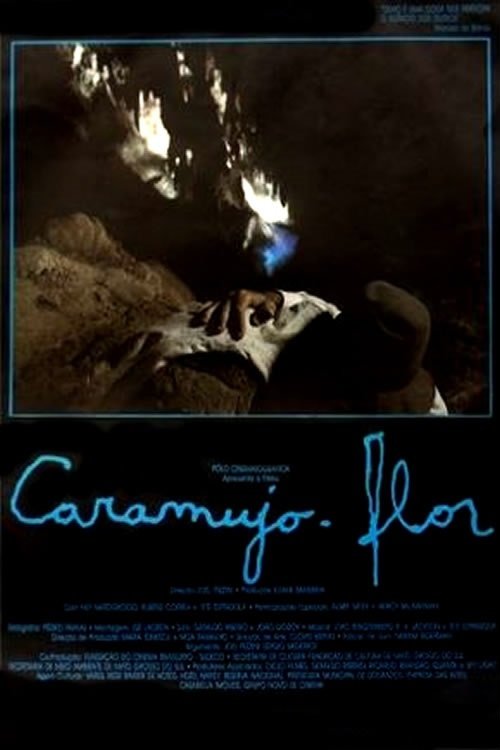
Film based on Manoel de Barros poetry. Story about poet's life in the swamp area of Brazil (Pantanal) and its wildlife; & his obsession with the sea and his new life in the big metropolis in Brazil.
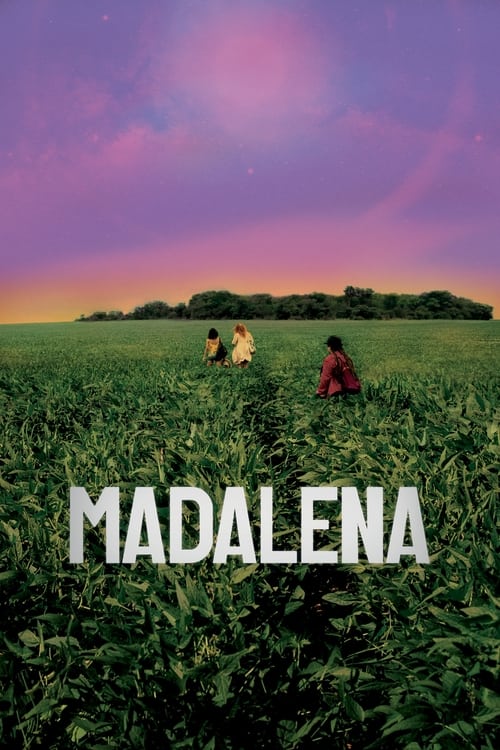
The body of a trans woman lies lifeless in a soy plantation and three lives react to her missing and presumed death.
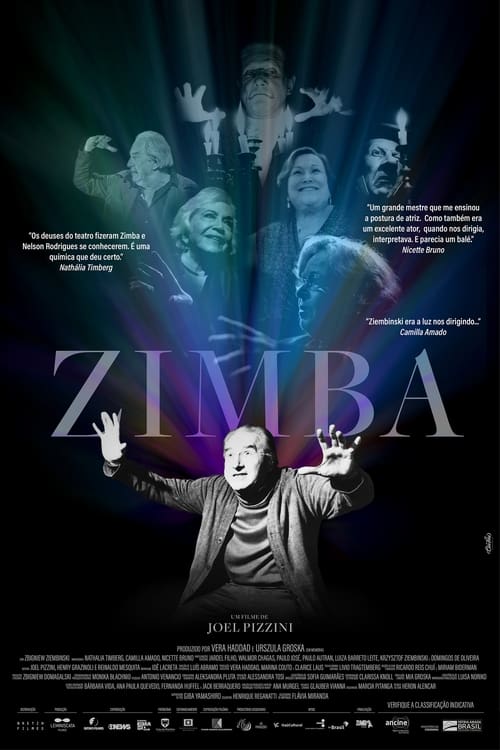
The trajectory and artistic imagery of actor and director Zbigniew Ziembinski (1908-1978), precursor of modern theater in Latin America and master of generations of Brazilian actors. The polyphonic montage builds on vast unpublished material, covering half a century of performances, teletheaters and interviews by Zimba, as he was known – before and after fleeing Poland, on the eve of the invasion of Warsaw – and recreates fragments of Wedding Dress , a play by Nelson Rodrigues which the Polish-Brazilian director won a revolutionary montage in 1943.
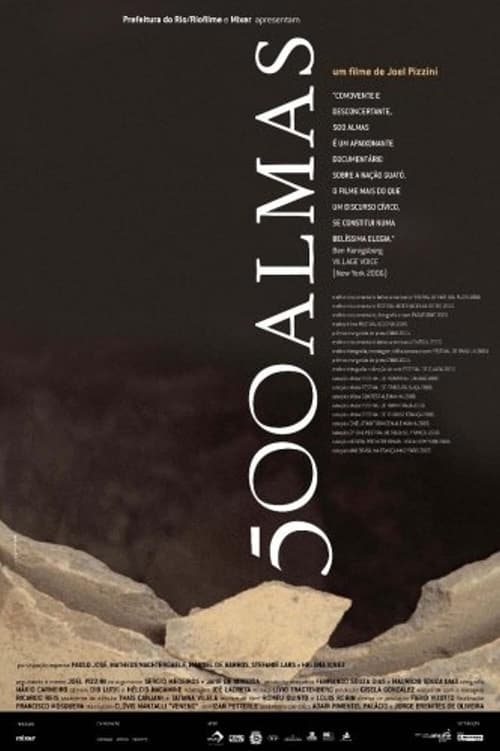
The delicate process of rebuilding the memory and identity of the Guatós Indians, currently scattered throughout the Pantanal region.
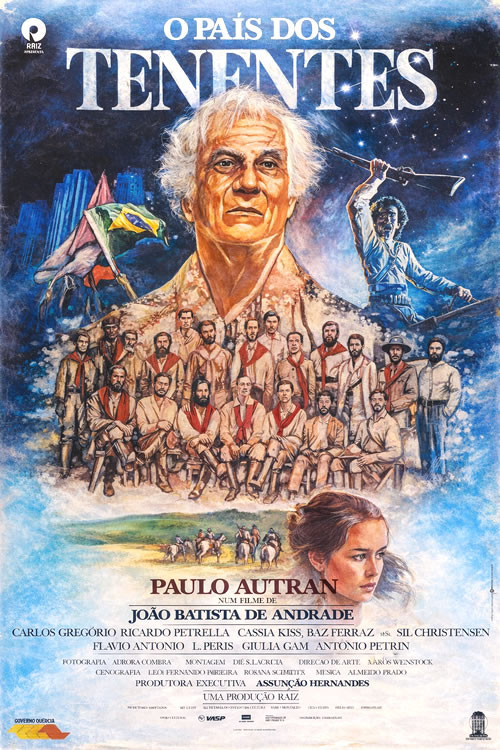
With death getting near, a retired officer remembers the most important passages in his life and his participation in historical events in Brazil, such as the Lieutenants' Movement, and the 1964 coup.
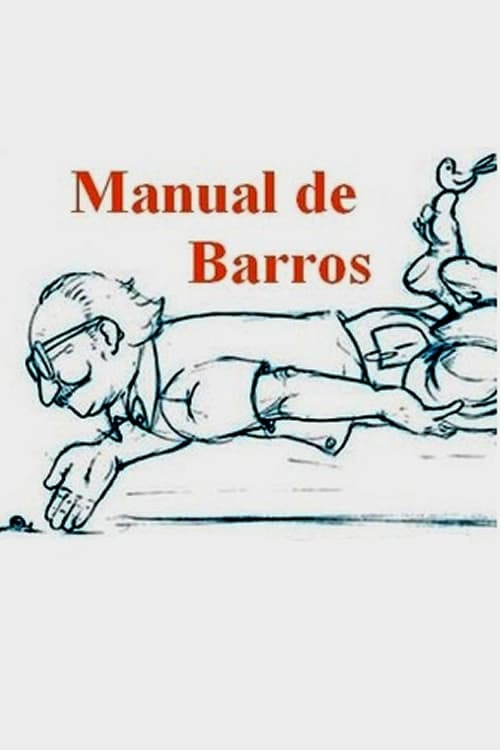
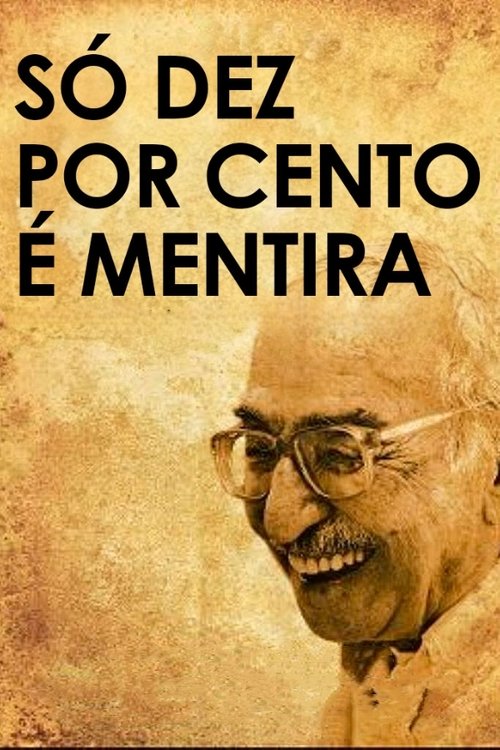
The life and literature of Mato Grosso do Sul poet Manoel de Barros. Alternating sequences of interviews with the poet, verses from his poetry, and statements of connoisseurs of his literature, the film portrays a revealing panel of the author's language. Manoel de Barros, age 91, with some 20 books published, lives in Campo Grande. Acknowledged, the winner of several literary prizes, he is the Brazilian writer who accounts for the greatest sale in poetry in Brazil.
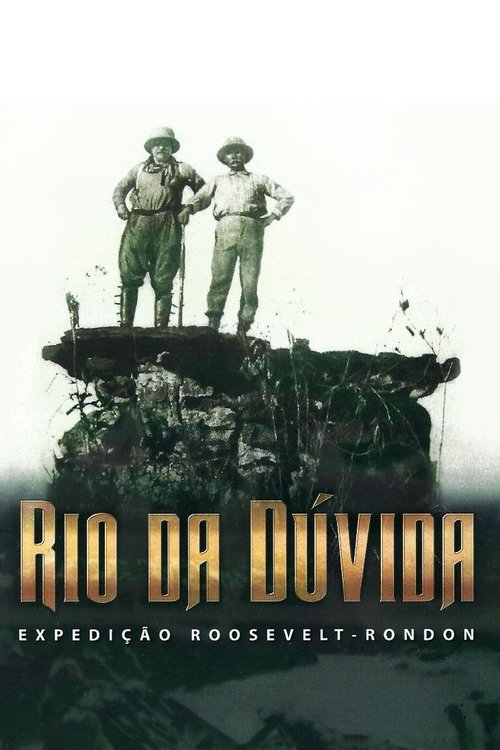
The film recreates the Roosevelt-Rondon Scientific Expedition (1913-1914), commanded by the Brazilian colonel Cândido Mariano da Silva Rondon and former US president Theodore Roosevelt. Together, they crossed the Pantanal and Amazon Rainforest to explore the mysterious Doubt River.
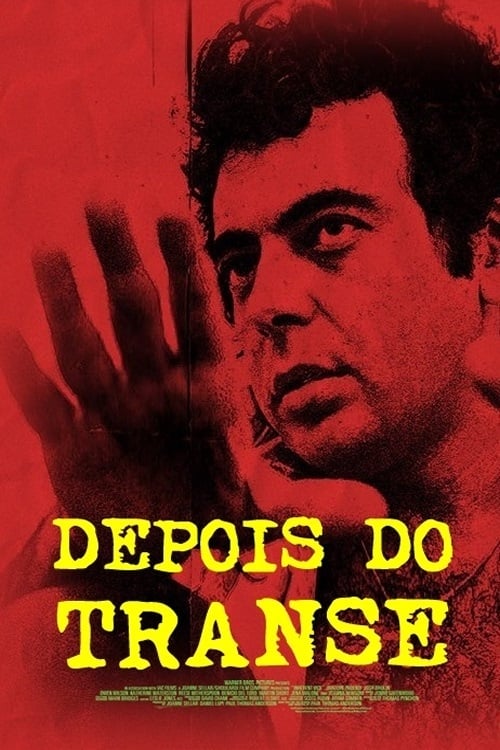
The documentary "Depois do Transe" covers the entire process of creating the masterpiece "Entranced Earth", which was released and awarded at the Cannes Film Festival in 1967. "Entranced Earth" charmed the world and won great admirers such as filmmaker Martin Scorsese and the writer Marguerite Duras, who at the time considered a "fabulous filmic opera."
Documentary on "Antonio das Mortes", Glauber Rocha's 1969 film.
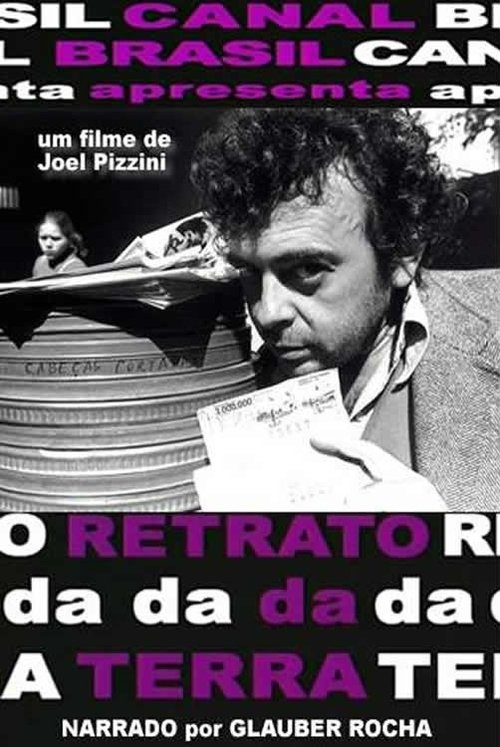
A behind-the-scenes look at the making of Glauber Rocha's 1980 production "A Idade da Terra" (The Age of Earth), including unedited clips taken from the sixty hours of recovered raw footage.
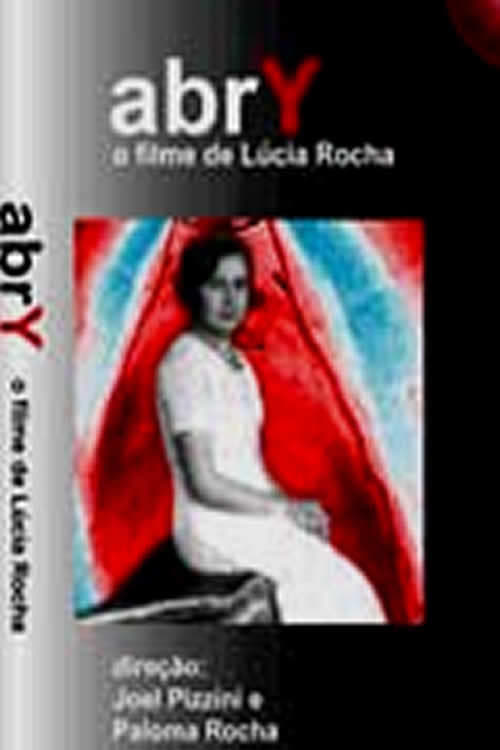
At 84 years of age, Lúcia Rocha admitted herself to a hospital in São Paulo to undergo heart tests. Upon receiving the news about the risk to her life, Lúcia, laconic, tells the doctor: 'Then open it'. This is the second time she has undergone bypass surgery. From this gesture, the documentary Abry was born (with y, sign of the unconscious, according to the nomenclature invented by his son, Glauber Rocha). To relate her memories, she invites filmmaker Joel Pizzini, who offers his mini camera as an instrument to amplify Lúcia's imagination. Abry is a poetic dive into Lúcia Rocha's fabulous universe, reconstructing her trajectory in Brazilian cinema through sounds, images and characters with whom she lived closely.
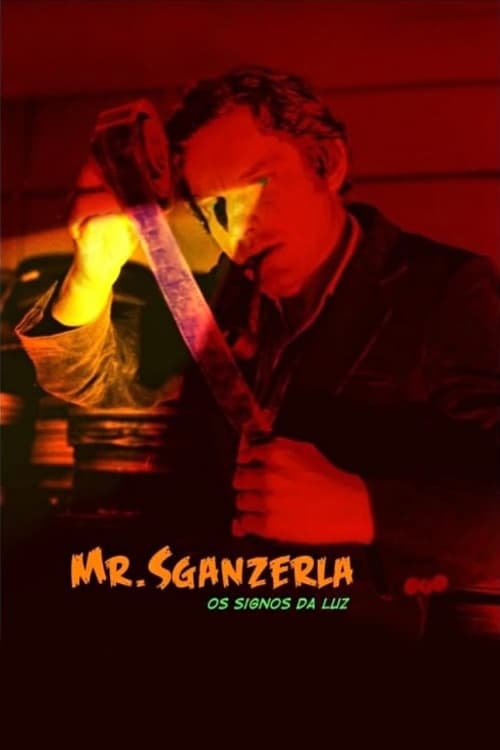
A documentary on prolific underground Brazilian filmmaker Rogério Sganzerla.
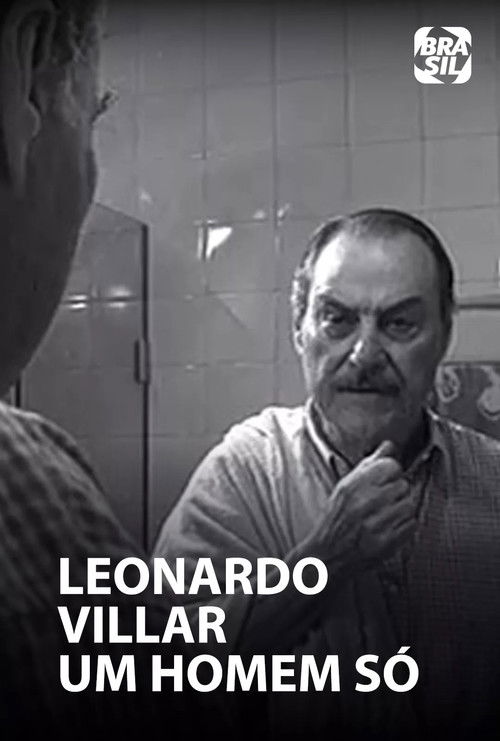
A tribute to the actor Leonardo Villar who, in his debut on the big screen, immortalized one of the most memorable characters in Brazilian cinema, Zé do Burro from the classic O Pagador de Promessas.
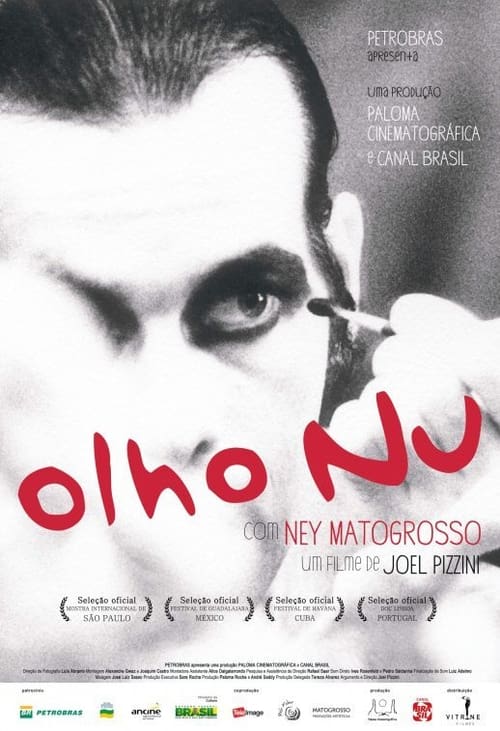
“Naked Eye” is a film-documentary of long-length of the artistic and existential universe of the singer Ney Matogrosso, which proposes to recreate through archive’s images in counterpoint with the current production of the artist, thirty-five years of career marked for inventive and transgressing spectacles, always symphonize with its time. Through a coherent boarding with its intransigent trajectory, the film intends to translate the language musical-corporal of Ney Matogrosso, trying audiovisuals resources that express signs evoked poetical politicians and in the repertoire of the singer. A film-song that that looks for to, ultimately, embody the voices of an artist who searches for a nation.
Documentary about Der Leone Have Sept Cabeças