Giedrė Žickytė
Directing
Biography
Giedrė Žickytė is an EFA nominated film director and producer based in Vilnius, Lithuania, and the founder of the production company Moonmakers. She graduated with a Master’s degree in Visual Arts from Vilnius Art Academy in 2007 and since 2010 started working in the international field of documentary cinema. Her latest film The Jump (Lithuania, France, Latvia) won Best Documentary Feature Award at Warsaw IFF 2020, Grand Prix at EIDF (South Korea), Main Jury Award at Salem Film Festival 2021 (USA), and more. In 2015, her feature documentary Master and Tatyana was awarded Best Director, Best Documentary, Best Cinematography, and Best Editing at the Lithuanian Film Academy Awards. I'm Not From Here (co-directed with M. Alberdi, Chile) was nominated at the 2016 EFA Awards and won over a dozen awards. Giedrė is a member of the European Film Academy, Lithuanian Filmmakers Union, alumni of Berlinale Talent Campus, and more.
Known For

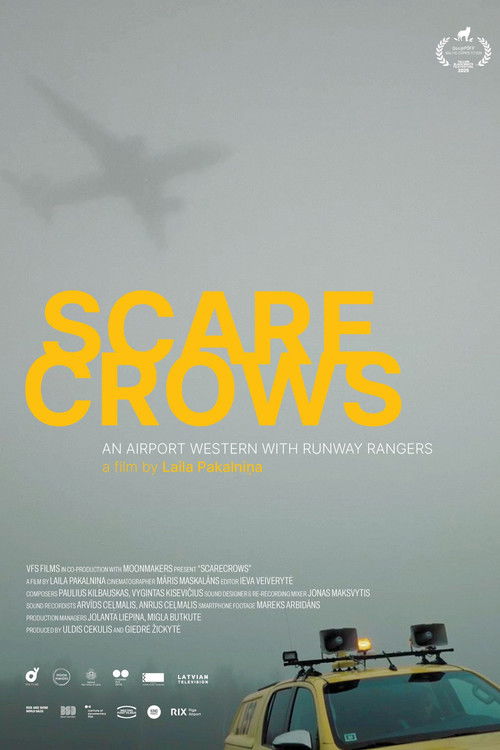
Those of us who fly in airplanes probably don’t think about those who fly through Riga Airport on their own wings. But on any given day, up to 30,000 birds might visit the airport. And it would only take one… Airport wildlife control employee Mareks would like to go to church and light a candle for luck before he goes to work every day. In fact, all of us need that luck – it’s just that we’re not aware of it. Maybe that’s a good thing. Understanding wildlife that might turn up at the airport and making sure that the paths of birds, animals and airplanes don’t cross is a very real job.
Scarecrows

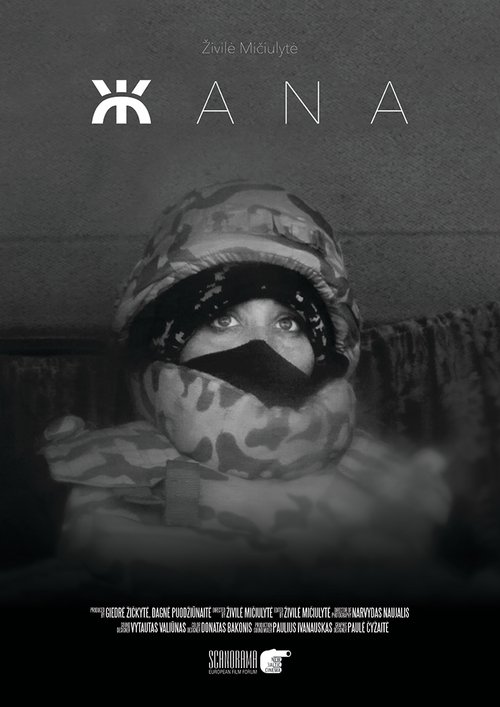
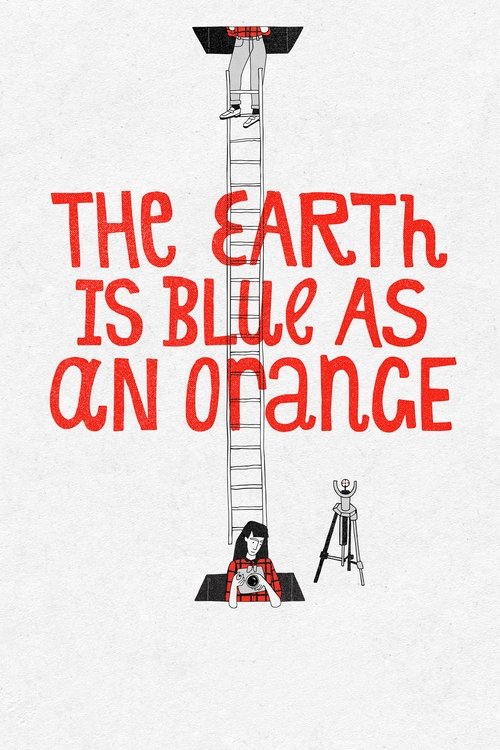
Single mother Anna and her four children live in the front-line war zone of Donbas, Ukraine. While the outside world is made up of bombings and chaos, the family is managing to keep their home a safe haven, full of life and full of light. Every member of the family has a passion for cinema, motivating them to shoot a film inspired by their own life during a time of war. The creative process raises the question of what kind of power the magical world of cinema could have during times of disaster. How to picture war through fiction? For Anna and the children, transforming trauma into a work of art is the ultimate way to stay human.
The Earth Is Blue as an Orange

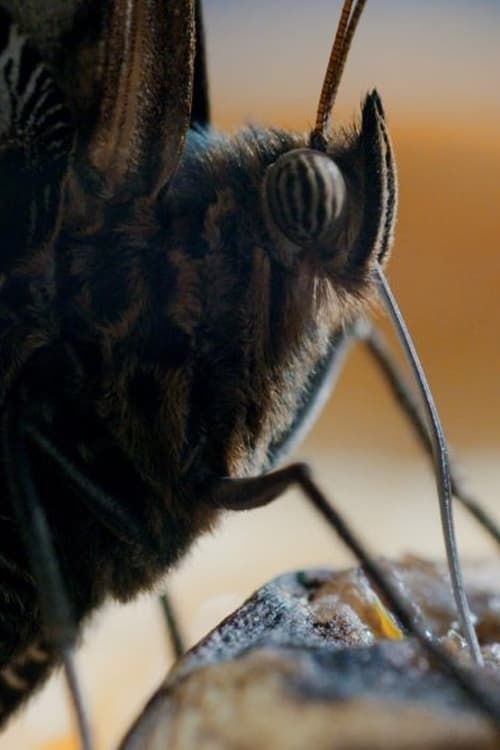
In a private farm, a butterfly is born only to be sold as a prop for a concert. Its journey to the music hall reflects the struggle to survive in the modern-day civilization.
One Life

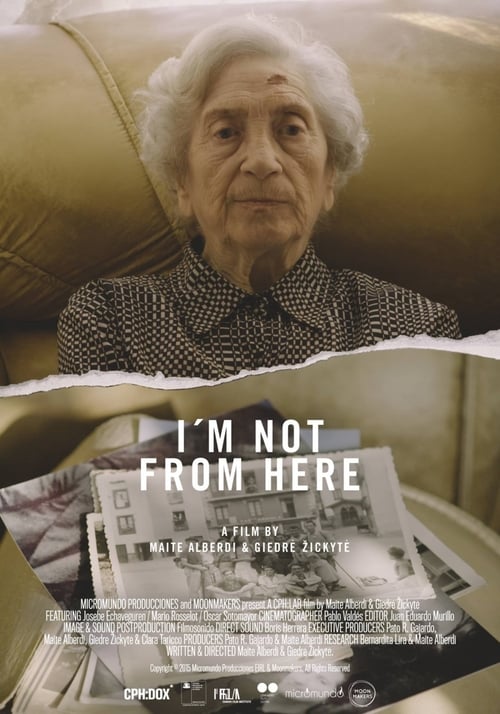
Day after day, an elderly woman recalls the Spanish Basque country of her youth — while forgetting she is consigned to a retirement home in Chile.
I'm Not From Here
In the small Lithuanian town, a prison transforms into a migration center amidst a significant crisis. Housing men from the Middle East, South Asia, and Africa, it becomes a modern-day Tower of Babel. Residents find solace in communal activities like cooking and praying, connecting to their roots. It's only in sleep that they break free from the migration center, dreaming of their homelands - the plains of Africa, bustling streets of India, and war-torn cities of the Middle East. Over time, as walls are repainted and relationships form between migrants and staff, the center changes. A year later, it empties suddenly, leaving behind a silence and a reminder of the impermanence of life.
Under Heavens

A touching tribute to the distinguished Lithuanian cultural figure Irena Veisaitė. Having survived the Holocaust and lost her loved ones, but refusing to give in to hatred, she chose forgiveness over revenge, dialogue over silence, and love over hatred, becoming an inspiration to many.
A Goodnight Kiss

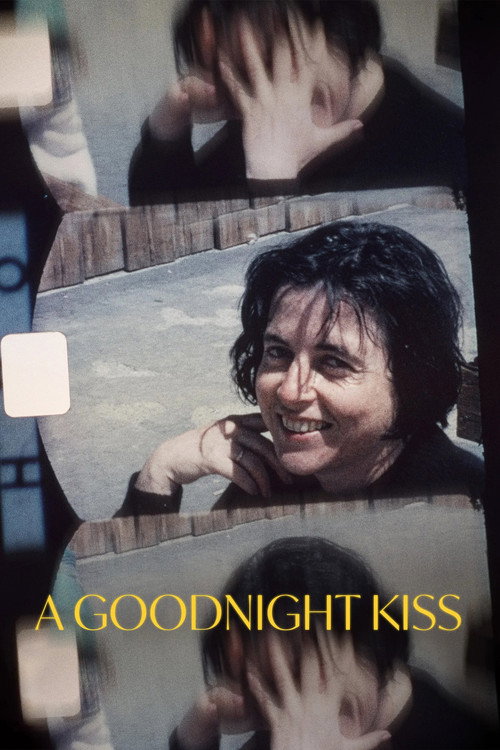
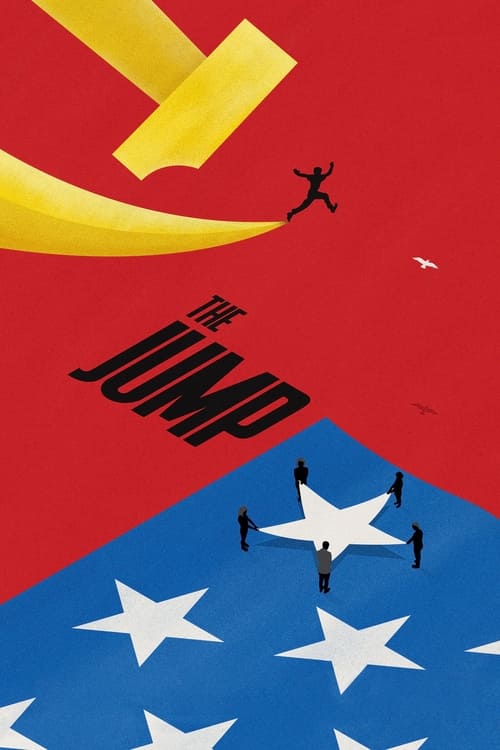
In the Cold War years of the 1970s, an American patrol boat meets a Soviet ship off the east coast of the United States for talks about fishing rights in the Atlantic. In the midst of this, while Russian commanders are aboard the U.S. Coast Guard vessel where the talks are being held, a Lithuanian sailor jumps across the ten feet of icy water separating the boats. Crash-landing on the deck of the American ship, he desperately begs for asylum. Though they try, the Americans ultimately fail to provide protection and the Soviets are allowed to capture him and brutally return him to their vessel. Thus begins a stranger-than-fiction story of imprisonment, discovery, fame, and freedom. Through rare archival footage and a dramatic first-person re-enactment of that fateful day by Simas Kudirka, the would-be defector himself, this tale of one of the biggest Cold War muddles takes us on a journey of uncanny twists of fate, and the emotional sacrifices of becoming a universal symbol of freedom.
The Jump

Joan is 25 years old. She finished actors’ studies in Lithuanian Academy of Music and Theatre and was about to start acting in Russian Drama Theatre. But a war started in Ukraine and she decided to go there. Joan collects and transports materials for the soldiers to the battlefield in Ukraine. Joan tries to keep balance between being one day in war, another in peace. The film is a journey from one world to another and the line between these worlds is not clear. You must reconsider the meaning of “reality”. Everything is mixed up: the war is “there”, but it could be “here” anytime.
Joan

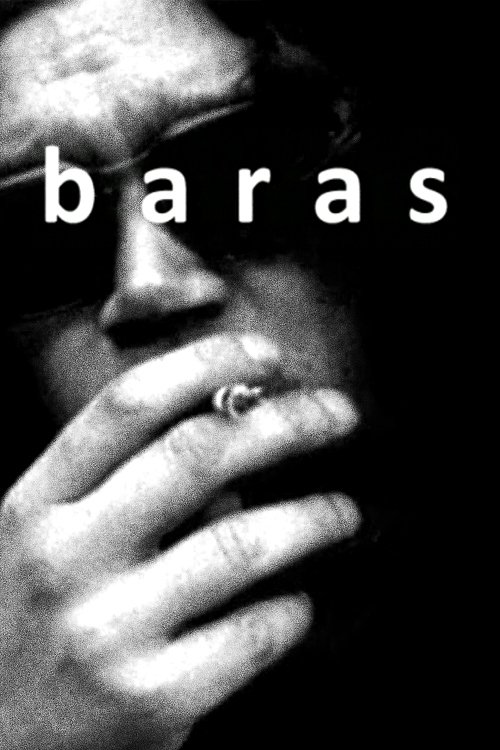
Arturas Barysas-Baras - film artist, actor collector of music, literature, etc, the leader and vocal of avantgarde music band "And Everything what is Beautiful is Beautiful", Vilnius citizen. Some people thought he was a simple tramp. Others considered him liberty ambassador sending to the world signs of freedom - form creative ideas to western books and music records. He was one of the most vivid soviet Lithuanian underground people who were not afraid to declare freedom when all of its forms were forbidden. But when soviet system collapsed he could not find himself in a world because "freedom" does not like to be put I in any kind of system no matter how liberal it is. Five years after his death Baras' best friends meet to find the answers who was Baras and how has his beloved Vilnius changed being without him.
Baras

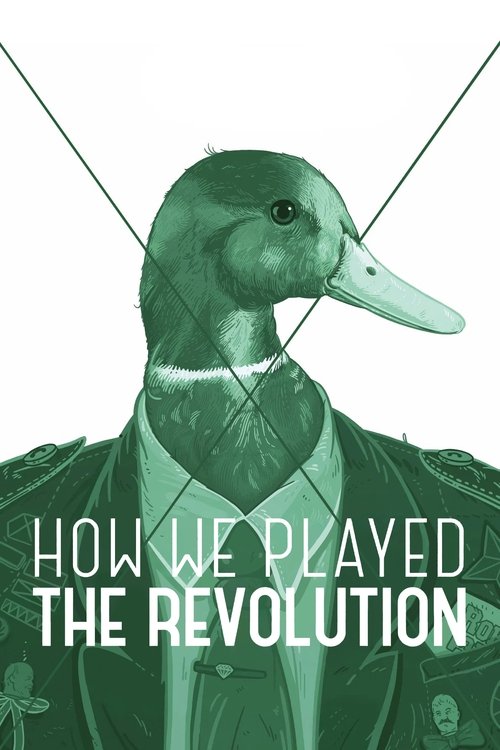
It was the year 1984 when a group of architects decided to organize a one night music band as a New Year's party joke in Kaunas, Lithuania. The joke proved to be so good that rumors about the new exciting rock band spread from lips to lips and soon their intellectual circus grew into the Rock Marches - massive events involving thousands of people - that transformed into the big meetings for Lithuanian Independence later named the Singing Revolution. This is the story about the people who raised their independence with the smiles and songs regardless of the danger of the situation.
How We Played the Revolution

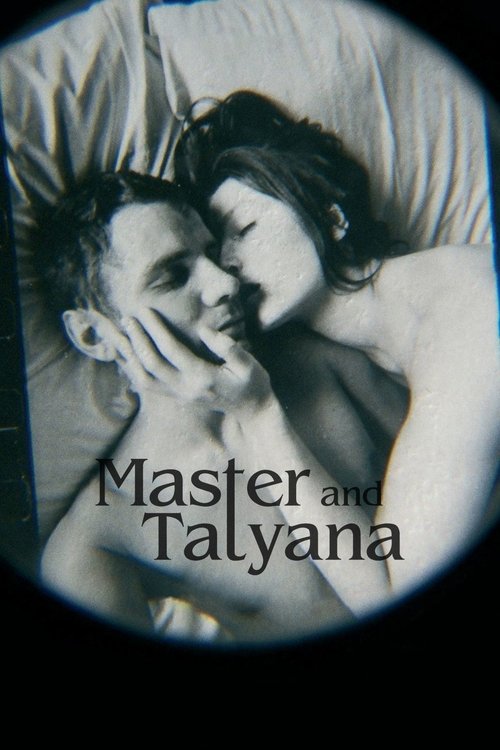
Lithuanian photographer, the legend of Soviet Sixties' generation Vitas Luckus tragically passed away in 1987. Yet the life and times of the talented rebel still impassion and lead us to a journey questioning why, at all times, we are wary of those who are really free.
Master and Tatyana
Thomas is popular among women, but can not tie a normal relationship and love.
Born Innocent
Talented and charismatic, Lithuanian photographer Virgilijus Šonta was brutally murdered, the perpetrator never found, and the case closed. Thirty years later, we embark on a detective’s journey, delving into the enigmatic life and tragic double existence encoded in his photographs.