João Bethencourt
Writing
Known For

Brava Gente was a television series aired by TV Globo in Brazil between 2000 and 2003, initially as a special year-end. The program was adapted from stories and national stories, and plays by famous playwrights, screenwriters and signed by a number represented by several actors and actresses. The genres of the stories varied each week with the style of each director or author. Brava Gente in the stories ranged from comedies and dramas. In all 53 episodes were shown, broadcast on Tuesday nights.
Brava Gente
No description available.
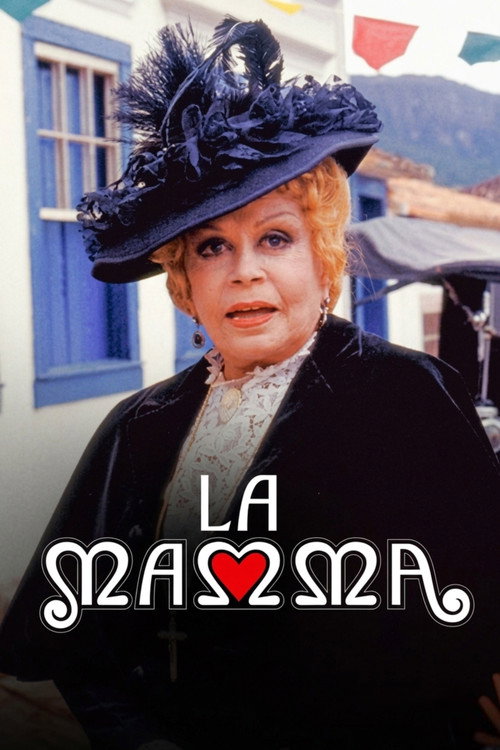
La Mamma
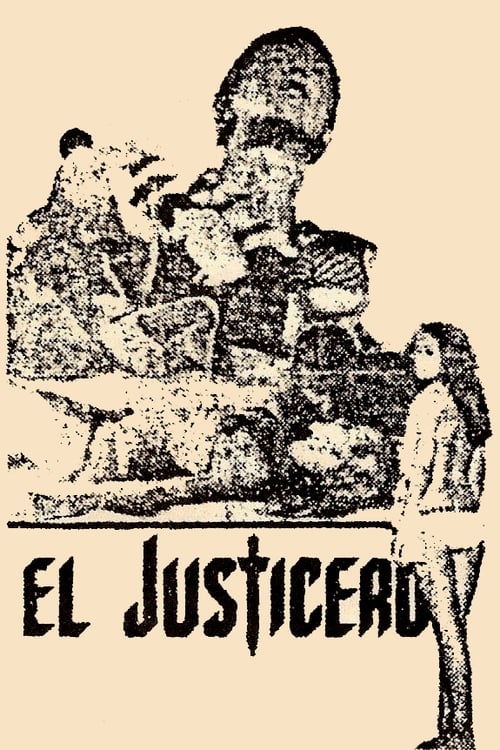
A shockingly irreverent follow-up to the rural austerity of Barren Lives, dos Santos’ Godardian social satire owes more than a nod to the self-conscious antics of the French New Wave. The pampered son of a general, El Justicero is a hipster playboy who fancies himself a James Bond/Jean Paul Sartre urban hero. “Archetypical” yet “full of contradictions,” he sees that justice is achieved for the disadvantaged while taking advantage of certain bourgeois perks. His exploits are closely followed and eventually directed by his biographer who decides a film is not only more lucrative than a book, but it gives him the luxury of reviewing previous scenes. Unlike Bond, El Jus eventually experiences an awakening which threatens to compromise the entertainment value and glamour of his life story. - Harvard Film Archive
El Justicero
The news that frames the two days in which the whole story takes place is bad. At first glance, these don't seem like the happiest two days. And yet, they are filled with comedy that is so entertaining and full of twists and turns. What's more, it's a comedy that finds strength in the hope that there is kindness and a deep desire for understanding and openness hidden in each of us. It's a story of our times (as the radio news reports quoted suggest), and yet it transcends our times; after all, it's not every day that the pope is kidnapped.
Den, kdy unesli papeže
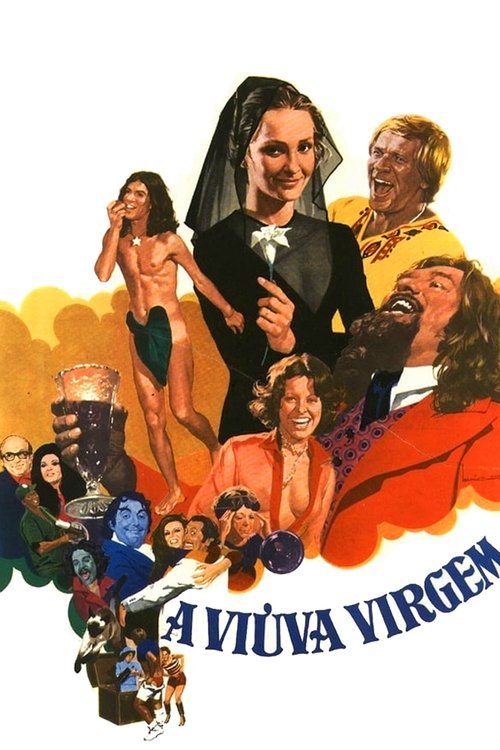
In Minas Gerais, the powerful "colonel" Alexandrão gets married with the young and virgin Cristina and promotes a huge wedding party in his farm. He eats and drinks a lot along the day, but in his "first night" with the bride, he dies before consummating his marriage. The marital status of Cristina becomes very unusual, being a virgin widow. Her doctor advises her to travel to Rio de Janeiro to rest, and she moves with her aunt to an inherited apartment in Leme. Once in Rio de Janeiro, the rascal Constantino, who is aware of her wealth, courts her and borrows money, clothes and a Mercedes Benz from his friends, pretending he is businessman man. His friends release "stocks" in a parallel stock market, based and supported in the expectation of the possible marriage of Constantino with Cristina. However, the ghost of Coronel Alexandrão appears for her whenever she intends to have sex with Constantino.
A Viúva Virgem
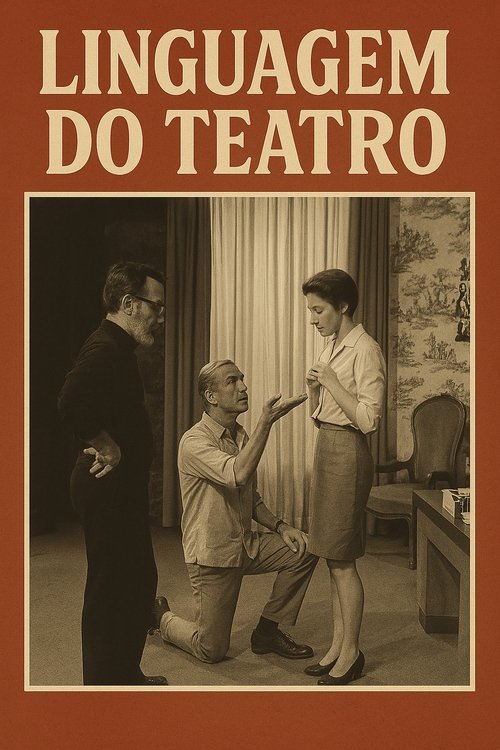
All the magic of the theatre is revealed to viewers as they follow the challenges involved in the various stages of putting on a play – from selection and reading to rehearsals and, finally, opening night before the audience.
The Language of Theatre
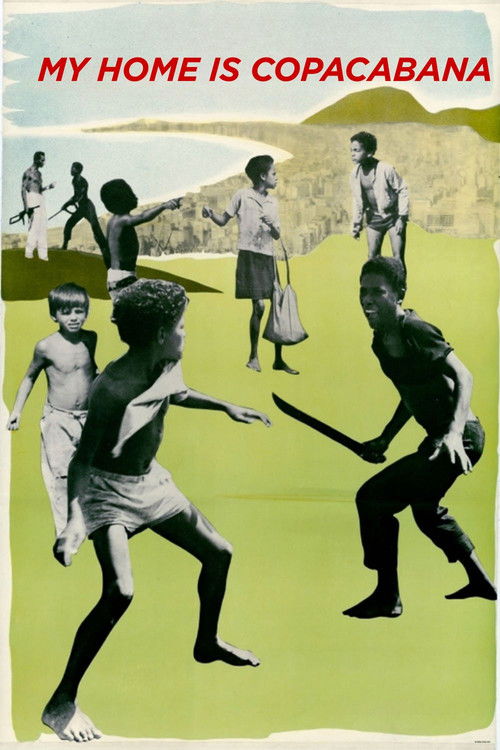
Arne Sucksdorff’s drama follows four homeless children—Jorginho, Rico, Lici, and Paulinho—struggling to survive in the Rio de Janeiro slums. They shine shoes, scavenge food, and pickpocket while dreaming of escape from the streets. When Rico, once escaped from a brutal institution in Caxambu, falls ill, he chooses to return there rather than die outside. A somber portrait of poverty and resilience, the film was selected for the 1965 Cannes Film Festival.
My Home Is Copacabana
No description available.
Arne Sucksdorff: Uma Vida Documentando a Vida
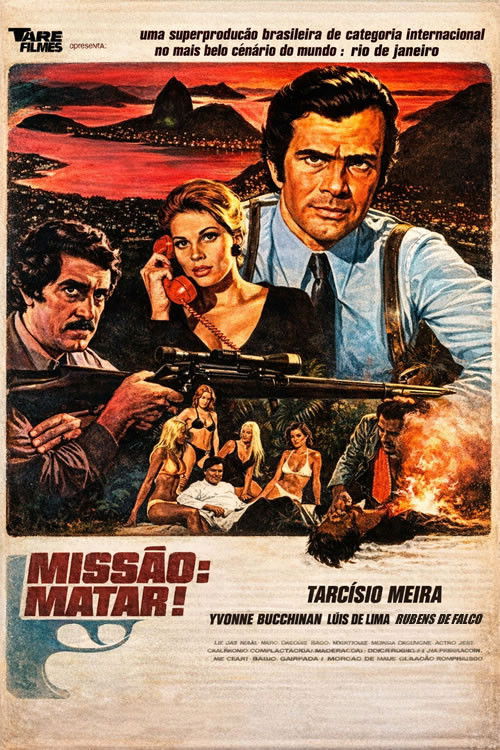
A professional hitman returns to Brazil and is hired to eliminate an Argentine Delegate in a Rio de Janeiro convention. Inspector José da Silva realizes the plot and starts to pursuit him.
Missão: Matar!

A long time public servant is told by an angel that he will die at midnight of the following day.
As Duas Faces da Moeda
No description available.
Fragmentos de Dois Escritores

A wife dissatisfied with her husband's vagrancy asks her father, who lives in Paraíba, for help. He then sends two henchmen to Rio to make his daughter a widow, but she reconciles with her husband and needs to prevent the tragedy. Based on the play by João Bethencourt.