
Mara Mattuschka
Directing
Biography
Mara Mattuschka is an award-winning filmmaker, actress and visual artist.
Known For
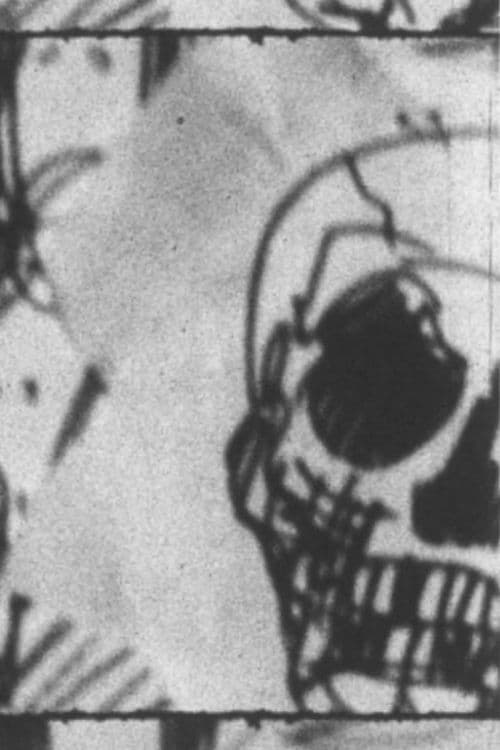
On the 28th of October 1884 Daniel Paul Schreber, candidate of the National Liberal Party in Chemnitz, suffered a heavy defeat at the elections of the German Reichstag. He was taken up in the mental clinic of the Leipzig University soon afterwards. To his rehabilition he wrote an extensive piece of work, "Denkwürdigkeiten eines Nervenkranken" (Memoirs of My Nervous Illness), which was published in 1903 and led to his temporary dismissal. Hereby Schreber became the most quoted psychiatric patient in scientific literature. The third part was realized by Peter Tscherkassy based on a concept by Ernst Schmidt Jr.
Memoirs of My Nervous Illness, Part 3
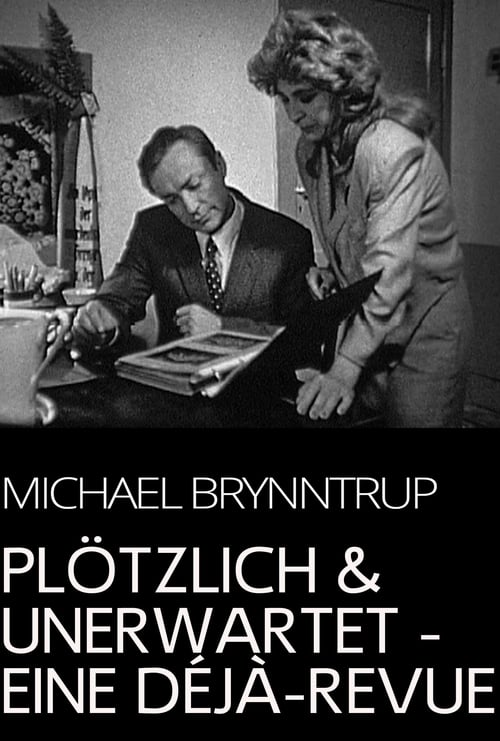
A short film by the German experimental filmmaker Michael Brynntrup from 1993. The film describes a surrealistic and absurd cycle of activities in a hermetically sealed cemetery from which the actors cannot break out.
Plötzlich und unerwartet - eine Déjà-Revue
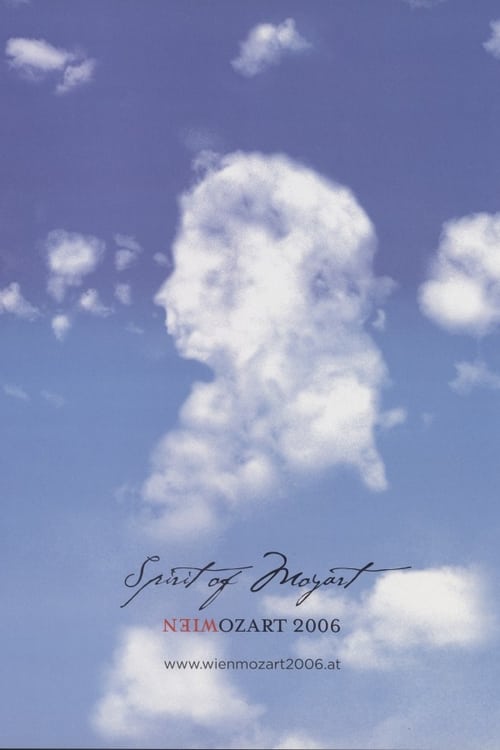
Twenty-eight well-known filmmakers living and working in Austria were invited by WIENER MOZARTJAHR 2006, to produce associative miniatures on Mozart. Requirement: they had to be one-minute artistic short films. The directors come from a whole range of different backgrounds, ranging from animated, experimental and short film to documentaries and feature films. The result is a multi-facetted sampler of diverse formal and contextual positions with regard to Mozart’s person and his influence on today’s society, art and culture. The contributions run the gamut from experimental-conceptual statements through socio-critical and documentary observations to pithy short feature films.
The Mozart Minute
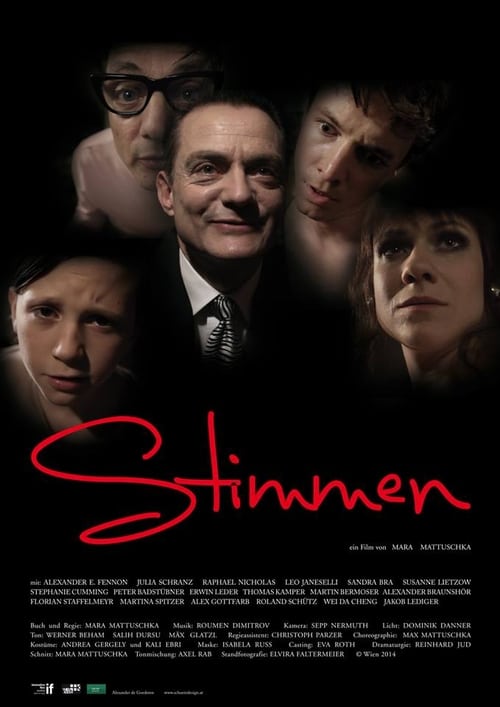
Opera countertenor Alex Gottfarb is not alone – his inner self is crowded. Some other personae live within him – shy Alexander, sexy Sandra, teenager Lex and a seven-year-old prodigy Xandi. Each one of them has different ideas of what life should look like and yet they are all extremely dependent on each other. With the help of Helene, who loves him, Alex succeeds to get in touch with his cohabitants. Cascades of turbulent events and tragicomic misunderstandings accompany Alex’ struggle for identity, love and freedom.
Voices
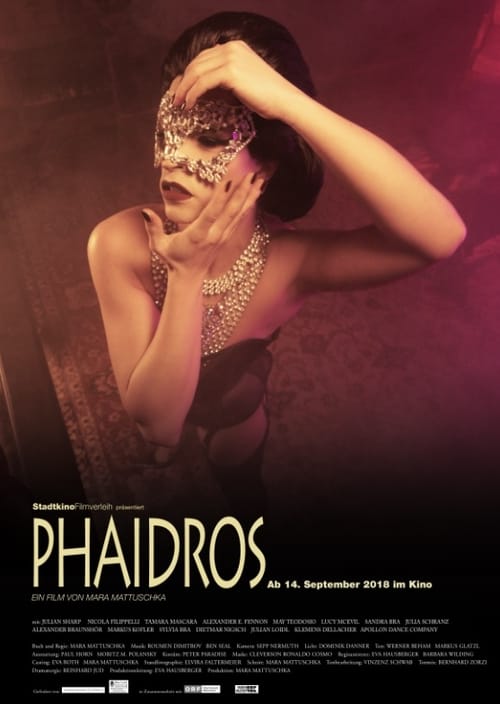
Phaidros is based on Plato's eponymous dialogue and plays in an LBQT+ milieu of a present-day metropolis. The actor Emil is meant to embody the character of the poet Phaedrus in a battle of words with Werner Maria, who slips into the role of Socrates. When the borders between friendship and sexual initiation soon blur beyond the events on stage, too, the shrill, carnivalesque scenario turns into grotesque love triangles and quadrangles, which ultimately even cause a casualty.
Phaidros
No description available.
Burning Down The Palace
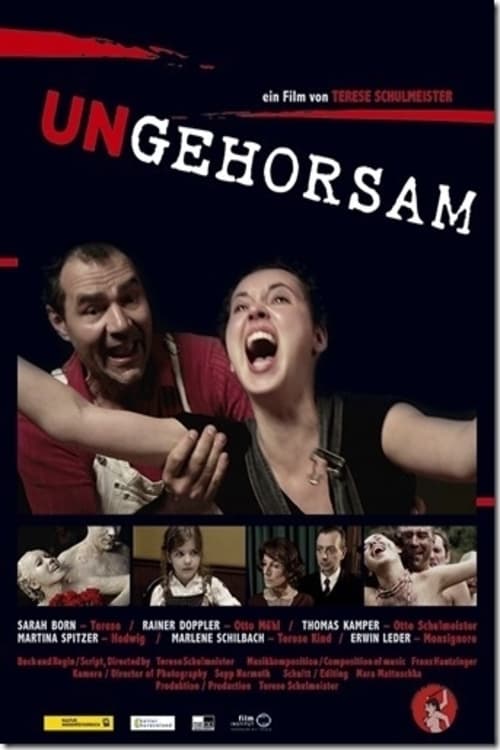
"Disobedience" - tells of the loss of illusions and utopias. Growing up in a Viennese family, marked by the father's vivacious dominance and public fame as editor-in-chief of the 'press', as well as by the mother's puzzling grief for husband and children, Terese seeks another life and joins the commune of action artist Otto Mühl. However, the initially seemingly free love and life experiment fails increasingly.
Ungehorsam
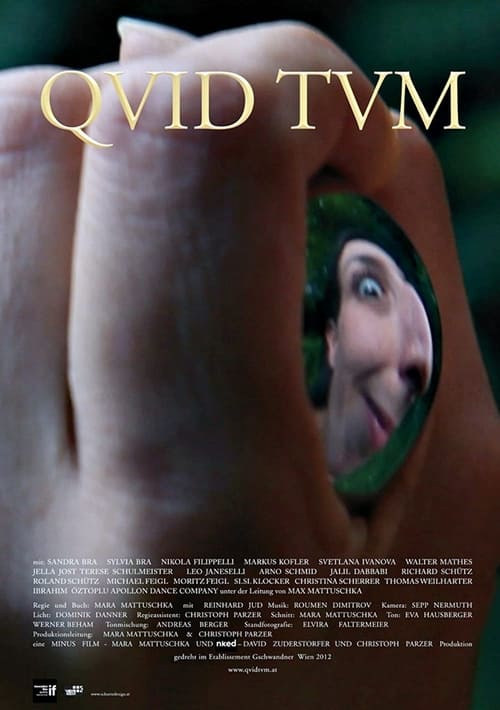
Mara Mattuschka's experimental film lures the viewer into a singular. powerfully illustrated and colourful picaresque world. Gucki, the landlady's daughter, has never forgotten this place of carnal pleasures and reconstructs her vision of spiritual and bodily devotion through observations of theatrical practise. QVID TVM is an excessively existential parable about the myriad crossing of paths between people - from humiliation to punishment, fulfillment to bliss.
Qvid Tvm
The filmmaker and artist Mara Mattuschka and the composer and musician Elisabeth Schimana have a rendezvous. Mara Mattuschka hears nothing and Elisabeth Schimana sees nothing. They have, however, agreed on a common line, on a text to be written together that, like a score, will serve as this common line for a 50-minute AV performance. The text is about strings that oscillate in the body, tubes through which the body receives nourishment and air, skins that are made to vibrate like a membrane.
Blind Date
No description available.
Das Siebenfache Melonium
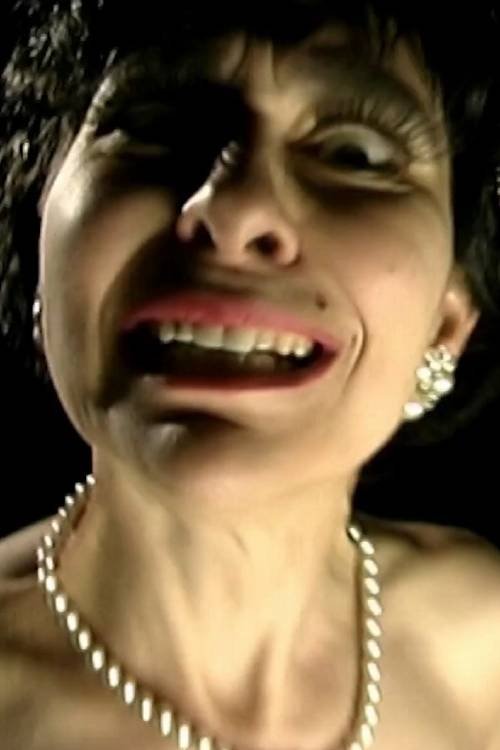
Without any kind of warning or introduction, the Queen of the Night's aria explodes rock music of its time. The famous coloratura parts are as ecstatic as a sung orgasm. The Queen of the Night sings women's names: She is all women, she addresses them all by name. A call and an appeal. Like a hurricane, a night owl, a sexual diva, she flies toward the camera before a starry night sky with a full moon. – M.M.
Königin der nacht
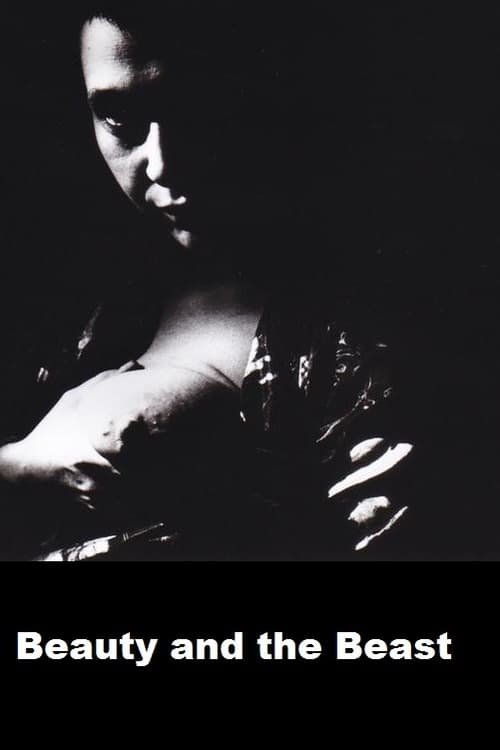
Autobiographical notes about bringing up children. A birth, the bite in the umbilical cord, a baby between sheets of music. Mimi fiddles educationally on a violin without strings, offers her breast and enjoys the little king with an improvised hysterical performance, and suddenly starts with Dadaistic oracles, letting the blead dance and carrying the child out into big wide world.
Beauty and the Beast
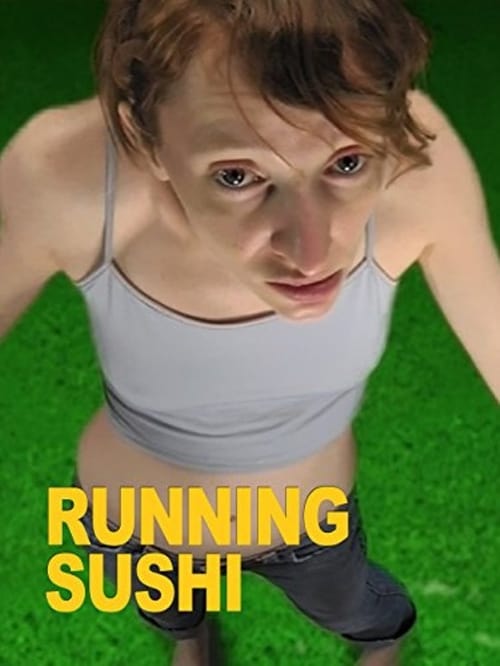
We enter a constructed setting, against the background of a video wall that suggests we are in a restaurant. A Japanese restaurant, as can be concluded from the conveyor belt which forms part of the fittings. Running Sushi consists of a casual conversation between Steffi and Johnny in a sushi restaurant, while the parallel world of thoughts and sensations of both characters takes the stage. Each new dish has major consequences in the grotesque dream reality.
Running Sushi
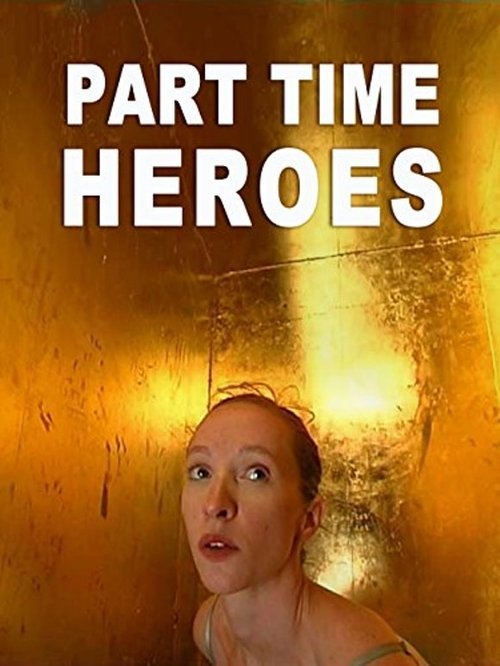
In the experimental short film PART TIME HEROES film artists Mara Mattuschka and Chris Haring stage a ballet of vanities with retro flair. The search for fame elevator goes up and down and egos bust and boom. Each character is isolated in an anachronistic, film-star dressing room, left alone, subjected to sinister fittings. The golden room with the greatest striptease talent who constantly undresses yet is never naked... The film checks these beings, isolated through their hero competition, into the lonely heart hotel where they eavesdrop on one another through thin walls.
Part Time Heroes
An opera diva (Mimi Minus) makes her grand solo appearance. The individual stages of her transformation in the dressing room are celebrated with glamorous gestures. A meditative ritual becomes a trigger for the appearance of a second, identical opera diva. This one, however, immediately transforms through the deployment of the most wonderful Mattuscha animation techniques into an aged, wrinkled version of the star with less than zero glamour appeal. A Freudian dream game begins.
Comeback

A body junkie: man must lay bare his hidden ingredients, dismantle his body, his integrity, his presence, and his identity in order to create a challenge both physical and metaphysical.
Legal Errorist
In NavelFable Mara Mattuschka subjects herself to a second birth through endless pairs of tights. Her body struggles so hard and in such a deformed manner from out of the layers of nylon that the sheer struggle for survival becomes visible.
NavelFable
The aria is the climax and the plot is as follows: the Tower of Babel, the home of the termites, collapses. The whore (Babylon) - now without home - resides in the canals of an imaginary city, opens a bar and casts pearls before swine. We accompany a not so young couple for a little stretch of the desperate life on their odyssey through the canals : one more down here = one less up there! They land before the meat pots of Babylon that invite them for a cannibalistic dinner. Babylon can sing EVERYTHING and must leave.
Suvlaki is Babylon: Come, Eat with Me
Two women scientists investigate the various stages of evolutionary development. Drawn by the scientific linguistic system, they become enmeshed in the anal circuit.
Unternehmen Arschmaschine

Manuela, the mermaid, is annoyed: The only thing her counterparts in the self-awareness group are interested in is the question, "Where is your clitoris?".