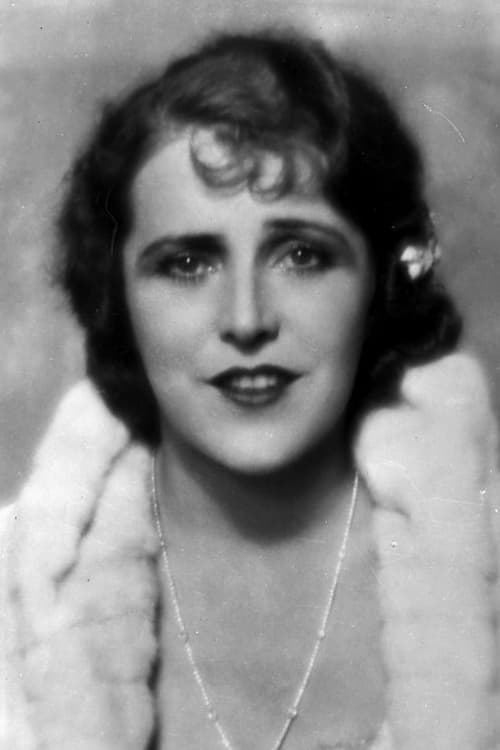
Ruth Roland
Acting
Biography
American actress and film producer. Most famous for her starring roles in adventures serials produced by her own production company.
Known For

Felicia Brett is married to Alexander W. Brett, a bullying and unfaithful man who openly flaunts his affair with Rita. Pushed to her limit, Felicia travels to Reno, Nevada, to establish residency and file for divorce. While in Reno, Felicia encounters her old childhood flame, Dick Belden. Alexander, desperate to avoid a settlement and gain sole custody of their young son Bobby, follows Felicia to Reno. He attempts to manufacture evidence of adultery by trapping Felicia in a compromising situation with Dick. Alexander initially succeeds in using this falsified evidence to take custody of Bobby. However, the story reaches a melodramatic conclusion when Alexander is killed in a sudden avalanche. Because the divorce had not yet been finalized, Felicia becomes Alexander's widow rather than his ex-wife, which grants her both her son and the freedom to marry Dick.
Reno
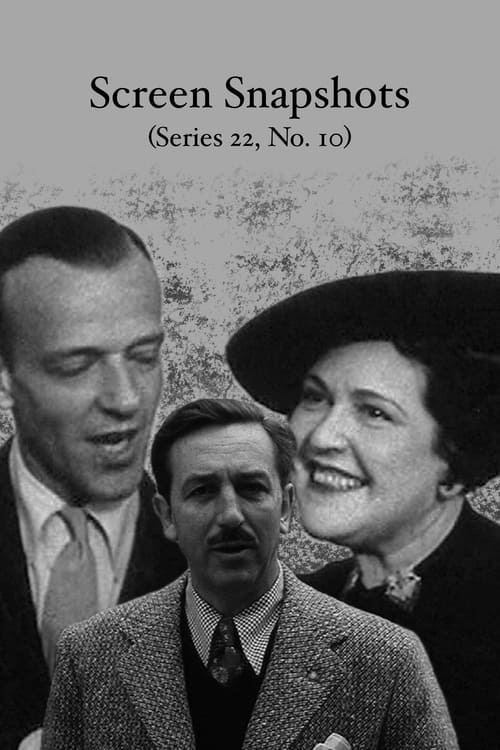
The edition of Screen Snapshots celebrates 25 years of production. It looks at the content of edition #1, then a tribute to movie people who have died in those 25 years. Finally there are tributes to the Screen Snapshots series by Cecil De Mille, Walt Disney, Louella Parsons and Rosalind Russell.
Screen Snapshots (Series 22, No. 10)
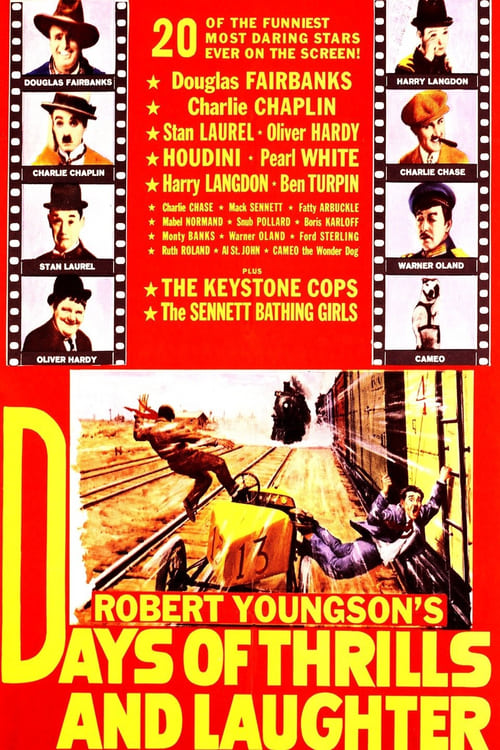
An appreciative, uncritical look at silent film comedies and thrillers from early in the century through the 1920s.
Days of Thrills and Laughter
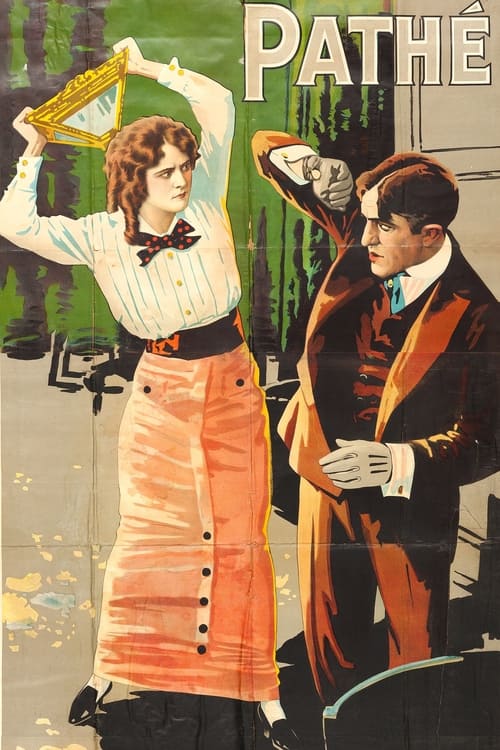
Who Pays? was a series of twelve three-reel dramas, released between March and July 1915. Henry King and Ruth Roland starred in each episode, playing different roles each time, with a variety of supporting players who varied from one episode to another. Each episode told a complete and individual story, but they were all inter-related by a uniform theme. Although there were no cliff-hanger endings, each episode did, in fact, end with a challenge to the audience: Who was responsible for the misfortune of the principal characters? The titles of the twelve episodes were: #1: The Price of Fame; #2: The Pursuit of Pleasure; #3: When Justice Sleeps; #4: The Love Liar; #5: Unto Herself Alone; #6: Houses of Glass; #7: Blue Blood and Yellow; #8: Today and Tomorrow; #9: For the Commonwealth; #10: Pomp of Earth; #11: The Fruit of Folly; #12: Toil and Tyranny.
Who Pays?
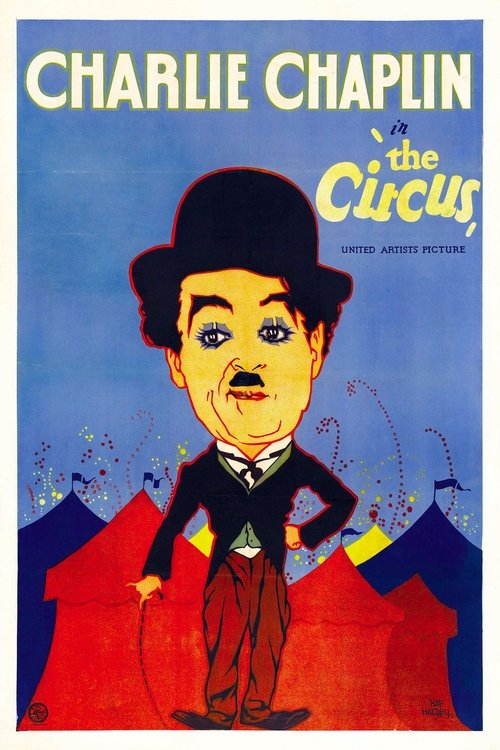
Footage from the premiere of Charlie Chaplin's 1928 film 'The Circus'.
The Circus: Premiere
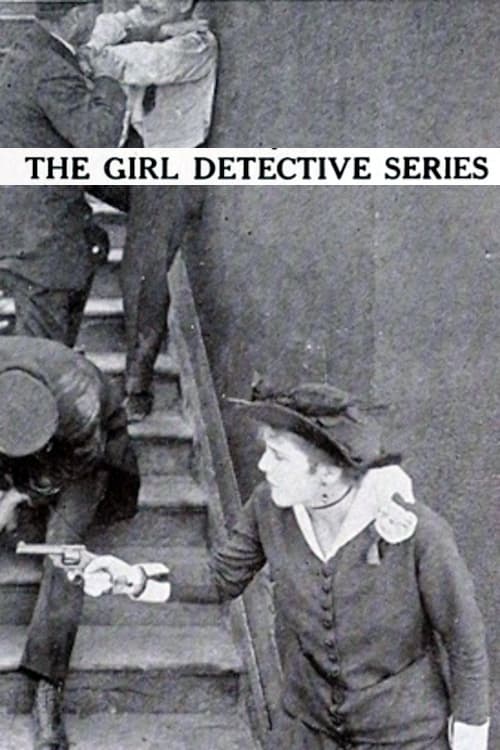
A series of 2-reel thrillers in which a society girl has a position as a special investigator for the police and works on various cases where her unique talents can help to solve crimes. Each episode is complete in itself.
The Girl Detective
A compilation of thirteen rare silent films digitized by the Library of Congress, selected for the 2022 Domitor conference theme “Copy/Rights and Early Cinema.” Drawn from nitrate and safety film, the program spans comedies, trick films, and dramas exploring censorship, invention, adaptation, and social rights. Titles include: Pruning the Movies (Nestor, 1914); Imperial Japanese Dance (Edison, 1894); Early Edison Camera Tests (Edison, c.1890s); Censorship and its Absurdities (Edison, 1915); In Wrong (Crystal, 1914, dir. Phillips Smalley); Tillie’s Tomato Surprise (Lubin, 1915, dir. Howell Hansell); Indian Land Grab (Champion, 1910); The Stolen Play (Falcon Features, 1917, dir. Harry Harvey); And the Villain Still Pursued Her (Vitagraph, 1906, dir. J. Stuart Blackton); The Doll’s Revenge (Hepworth, 1907, dir. Lewin Fitzhamon); The Disintegrated Convict (Vitagraph, 1907); The Mexican Joan of Arc (Kalem, 1911, dir. Kenean Buel); and Fads and Fashions of 1900 (U.S., 1940s).
Copyright Comedies and More
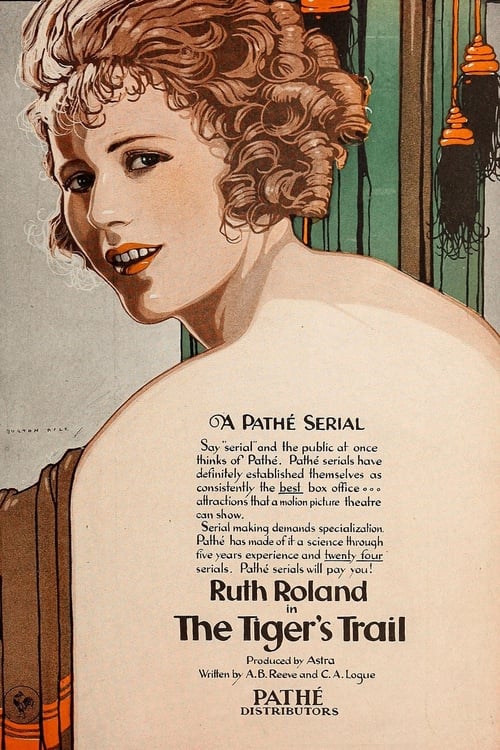
A cult of Hindu tiger worshippers and a gang of Western outlaws try to cheat a young woman out of rich mines that belong to her.
The Tiger's Trail
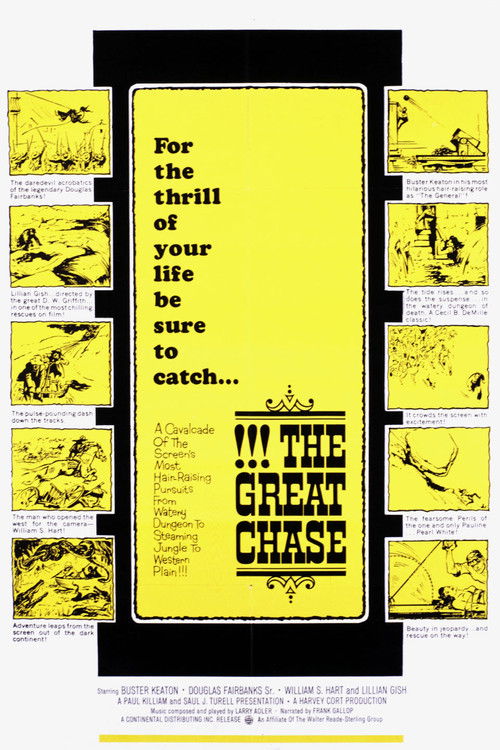
A rollicking compendium of the greatest hits of silent-cinema chase sequences
The Great Chase
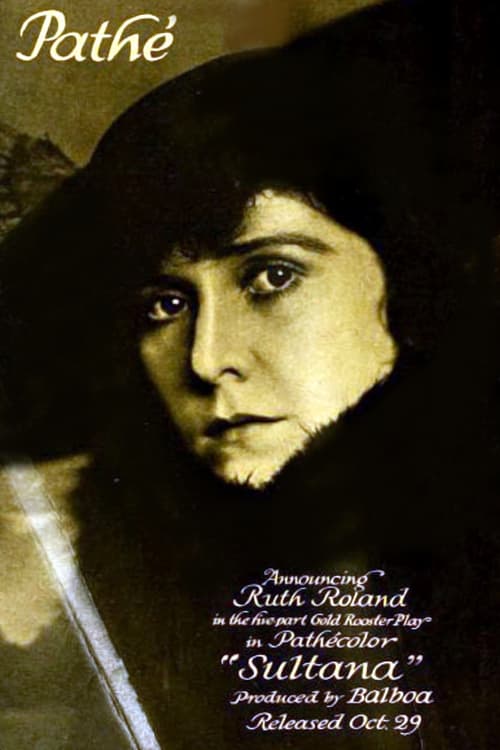
Rich young playboy Gregory Kirkland reads a newspaper story about a daring robbery, and bets his friends that he can steal a famous diamond tiara, The Sultana, from its designer and then secretly return it without being caught. Robert Sautrelle, who designed the tiara, visits Kirkland's home, and Gregory does indeed steal it. However, he gets cold feet before he returns it and convinces a woman he knows, Virginia Lowndes, to return it. Unfortunately, things don't work out exactly as Gregory had planned.
The Sultana
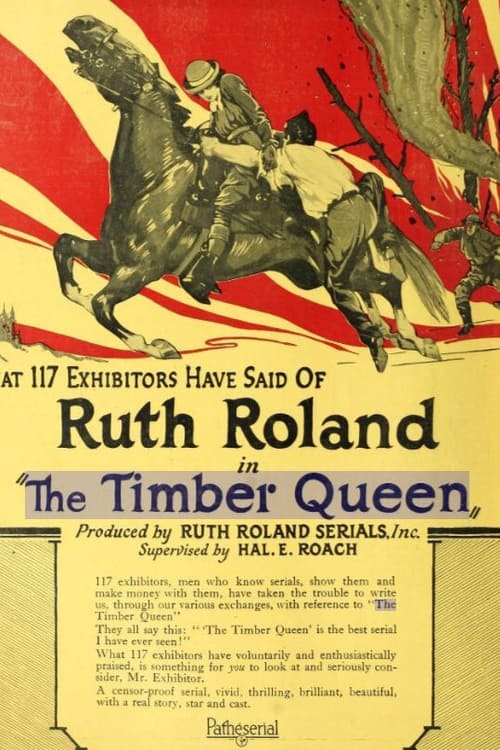
The Timber Queen follows Ruth Rowland as the inheritor of a wealthy timber business who tries to stay independent of a cruel man who wants to marry her and steal her wealth. The UCLA Film and Television Archive has preserved episodes one, four, eight and nine, and distributor Harpodeon has preserved episode twelve.
The Timber Queen
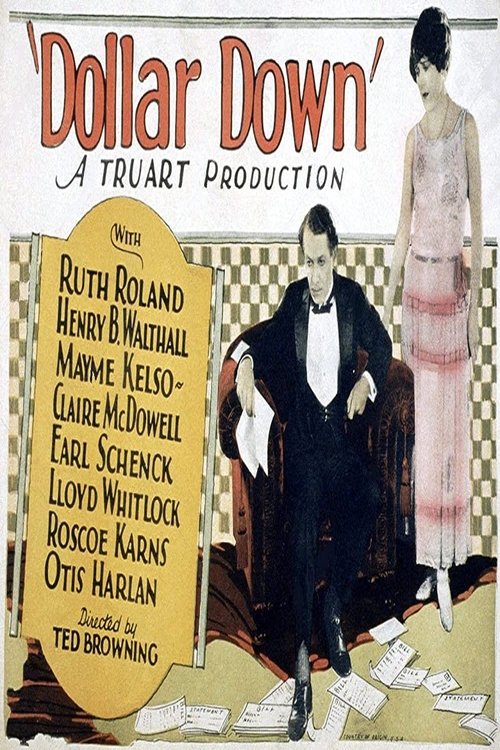
Just before he propelled the crime melodrama to new, macabre heights in The Unholy Three, Browning directed this partially lost morality tale pertaining to a different kind of horror: that of a middle-class family living beyond their means and falling prey to moneylenders. Produced by and starring Ruth Roland for FBO Studios, a small operation that later became RKO Pictures, Dollar Down follows Roland as the spendthrift daughter of a manufacturing firm’s general manager (Henry Walthall), who pawns a ring purchased on credit to throw an extravagant party and sends the family’s livelihood into a tailspin. Because its last reel completely disintegrated before it could be copied, the film remains an ultra-rare curio that nonetheless captures an important chapter in Browning’s career before his successful string of films made for MGM.
Dollar Down
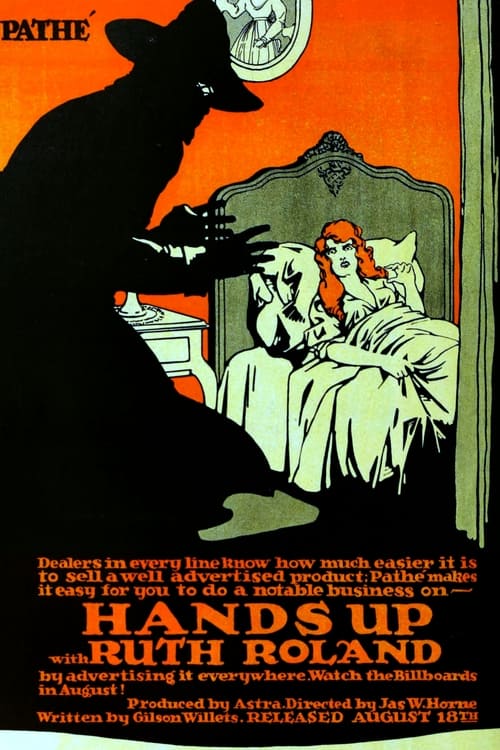
A newspaperwoman finds trouble aplenty when an Inca tribe believes her to be the reincarnation of their long-lost princess.
Hands Up
Ruth Roland comes in crashing in on George E. Stone as the host for the 13th installment of The Voice of Hollywood, with Charles Irwin, Davey Lee and Jack Benny among the guests.
The Voice of Hollywood No. 13
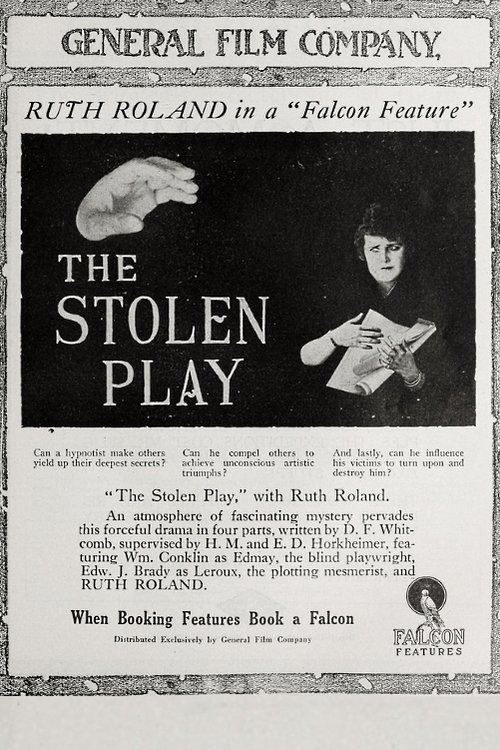
A blind playwright is engaged to his assistant, and the two are close to completion of a new play, which is so dark and morbid that they find themselves on the brink of breakdowns. A greedy agent who has admired the playwright's previous work will stop at nothing to secure the play for himself.
The Stolen Play
A father's strict upbringing of his beautiful but innocent young daughter may backfire on him when he finds she is being pursued by a lecherous cad who is determined to take her virtue.
The Devil's Bait
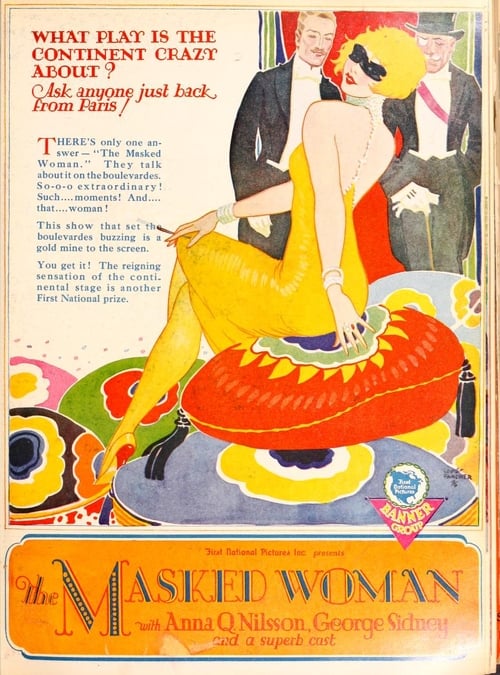
Baron Tolento lusts for Diane Delatour, his physician's wife, and donates money to their favorite charity, a children's home, in hope of gaining her favor. When Delatour is called away, Tolento inveigles Diane into attending a party at his house. There he threatens to ruin her husband if she does not submit to his demands within three months. Diane retaliates by showing him a letter proving that Tolento has only three months to live, according to a specialist. Delatour learns of his wife's presence at the party from one of the baron's women, and when Tolento makes Diane heir to his fortune, he becomes convinced of her infidelity.
The Masked Woman
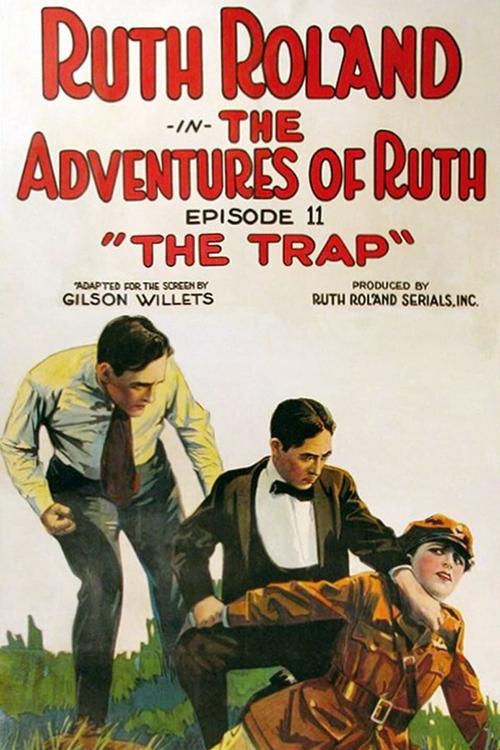
Daniel Robin has become mixed up with a band of criminals known as "the 13," and is shot when he refuses to do their bidding. His daughter Ruth, brought home from boarding school, reaches his bedside before he expires. He tells her that she will be given thirteen keys. Instructions will be provided with each key and, if she follows the instructions, she will eventually fully learn of her birthright. Many adventures then follow as Ruth attempts to solve the puzzle of each key and establish her true birthright.
The Adventures of Ruth
Chief of Police Ivorytop and Chief of Detectives Sherlock Bonehead, of Rottenport, fall in love with Helen, a girl from the city
Sherlock Bonehead
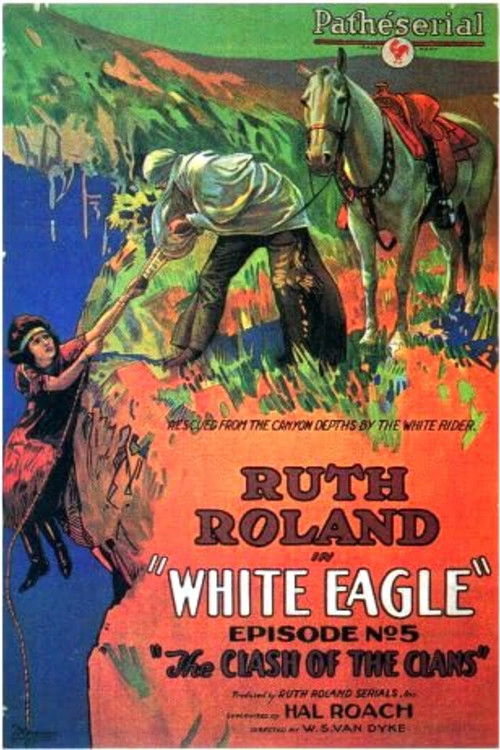
Two factions struggle to gain and keep possession of a pool of molten gold.