Sara Ishaq
Directing
Biography
a Yemeni-Scottish filmmaker, born in Edinburgh and raised in Yemen. She pursued a higher education in Scotland first with an MA General in Humanities & Social Sciences and later, an MFA in Film Directing at the Edinburgh College of Art. During her studies, she returned to Yemen as the country's 2011 uprising was unfolding, and produced the critically acclaimed film Karama Has No Walls (2012). The award-winning short documentary was later nominated for an Academy Award for Best Documentary (Short Subject) in 2014 following a nomination for a BAFTA Scotland New Talents Award (2012). In 2013, she completed her award-winning feature documentary film The Mulberry House, which deals with her relationship with her Yemeni family against the backdrop of the country’s 2011 revolution.
Known For
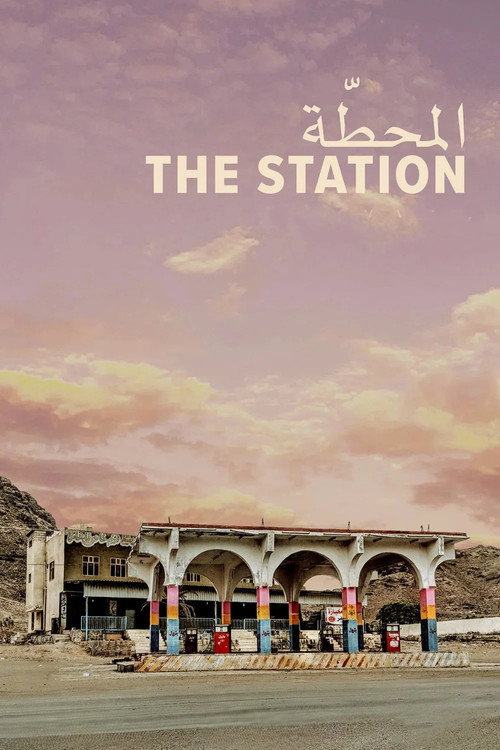
As Layal runs a women-only fuel station in a segregated war-torn town, she is faced with her 12-year-old brother’s growing desire to break free and become a ‘man’. When Layal’s estranged sister unexpectedly shows up with a proposition for their brother, the siblings’ relationship is put to the test.
The Station

'Karama has no walls' is set amidst Yemen's 2011 uprising. The film illustrates the nature of the Yemeni revolution in stark contrast to the gross violations of human rights that took place on Friday, March 18th 2011. Juma'at El-Karama (Friday of Dignity) marks a turning point in the Yemeni revolution as the tragic events that took place on this day -when pro-government snipers shot dead 53 protestors - shook the nation and propelled hundreds of thousands more to flock to the square in solidarity with their fellow citizens. Through the lenses of two cameramen and the accounts of two fathers, the film retells the story of the people behind the statistics and news reports, encapsulating the tragic events of the day as they unfolded.
Karama Has No Walls

We follow the journey of former soldier Nassif, who fled the war in Iraq by hiding in dark cinemas. During this time, he used to watch his favorite film, “Papillon” (1973), starring Steve McQueen. Nowadays, he is looking for this film among the Iraqi cinemas’ ruins. The search for this lost film copy in the old and obsolete cinemas becomes the sole purpose of Nassif and his primary motivation to leave his house. “Take me to the Cinema” allows us to discover Baghdad through Nassif’s eyes as he takes us to streets that contrast with his silent and quiet world. A lot has changed in today’s Iraq. The street where cinema theaters were is now a market that sells military uniforms. It is crowded with young men, fitting military shirts and shoes. The quest for “Papillon” becomes the quest of character, who does not want to acknowledge the transformations of his city, and who wants to cling on to its luminous past through the light of cinema and his inner world.
Take Me to the Cinema
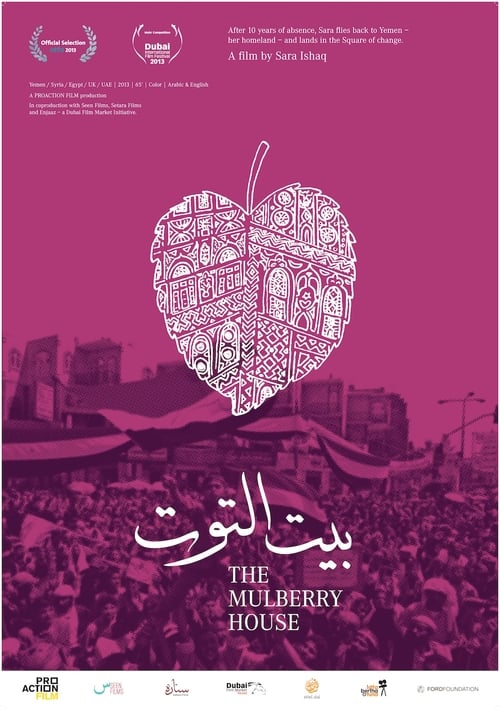
Sara grew up in Yemen to a Yemeni father and a Scottish mother, and at age 17, finally decided to move to Scotland. Ten years later – 2011 – Sara returns to Yemen as a different person, geared up to face the home of her past and reconnect with her long-severed roots. But against all personal expectations, she returns to find her family and country teetering on the brink of a revolution.
The Mulberry House
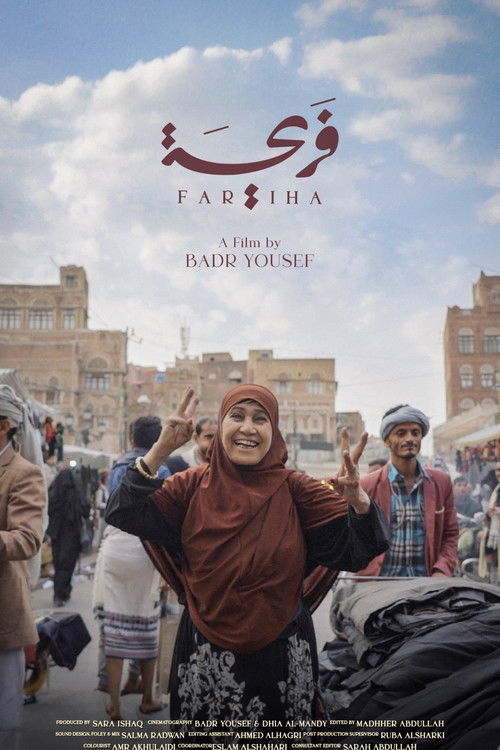
Fariha – a 70-year-old woman from Yemen – stepped out of the limelight of a burgeoning singing career in the 80s after a series of set-backs within a male-dominated society and industry. When filmmaker Badr stumbles upon her singing in her kiosk in downtown Sana’a, he insists on following her with his camera to learn about her past and ultimately tries to convince her to return to her long-lost passion: performing on stage!