Acting
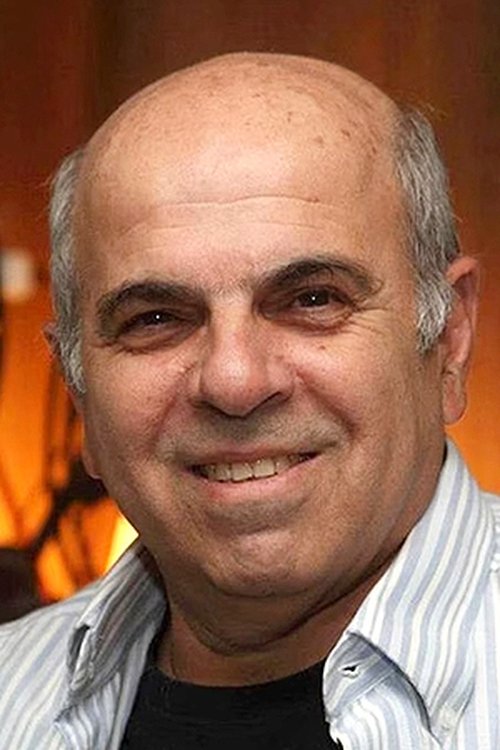
Marcio Curi (Niterói, 1947 – November 22, 2016) was a Brazilian director and producer.
No description available.
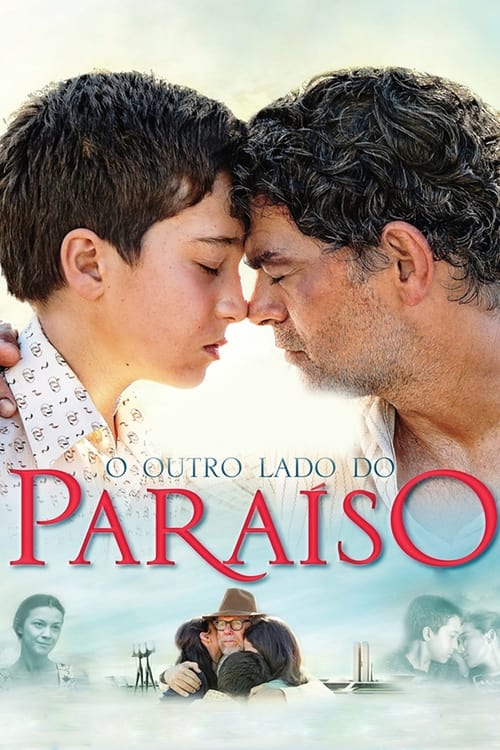
Nando, a 12 year old boy, narrates the adventures of his father Antonio, during the 60s in Brazil, who leaves the inland of the state of Minas to go to Brasília, a recently inaugurated city, but still with construction works in progress.
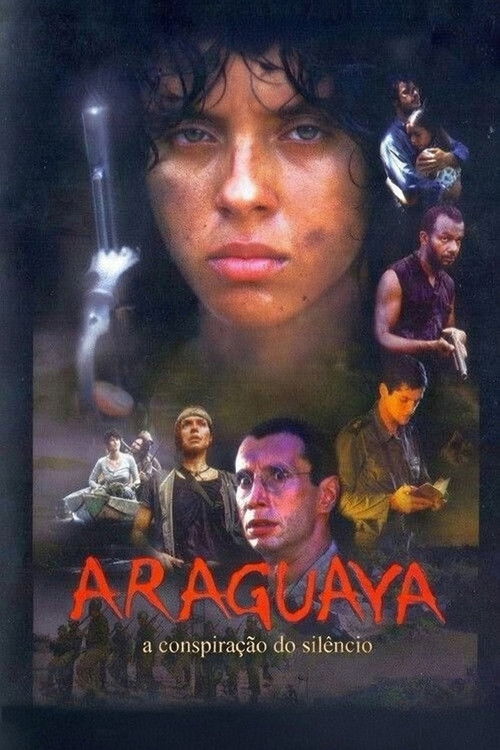
Film about an important episode in Brazilian History: the Araguaya guerrilla. In the 1970s, when Brazil was ruled by a military dictatorship, some left-wing militants and peasants took arms against the Army, in the Amazon. Right in the middle of the conflict, there stood a French priest who had come to the region in the 1960s, and got involved in the events leading to the rebellion.
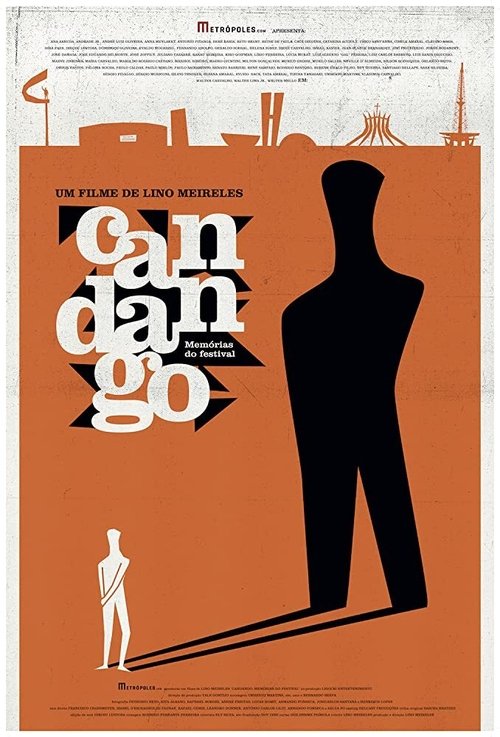
In 1965, a year after the military coup in Brazil, an oasis of freedom opened in the country's capital. The Brasília Film Festival: a landmark of cultural and political resistance. Its story is that of Brazilian cinema itself.
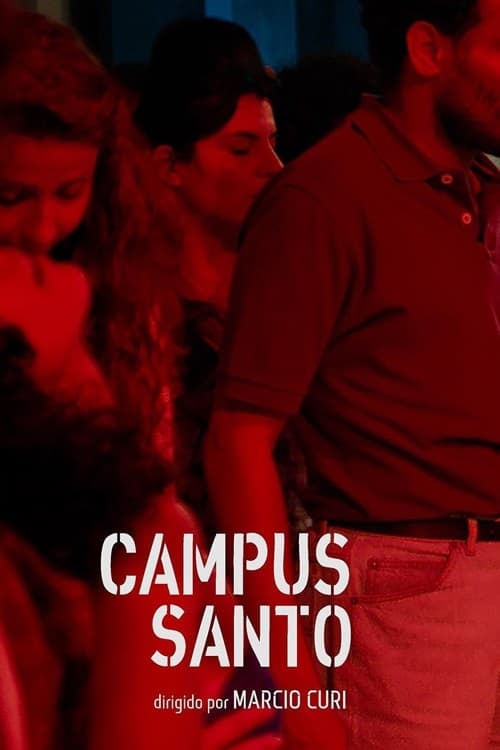
In Bahia, in the late '60s, the alienated college student Lula spends his time protesting in the university, but without political orientation, wandering on the streets, smoking grass, trying to be an actor and having sex. Meanwhile, a common young man stalks women on the streets trying to have intercourse with them.
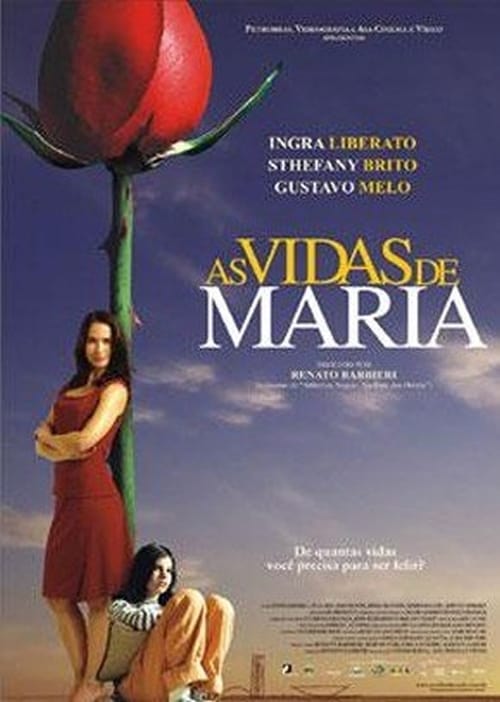
Maria was born on April 21st 1960, the same date as the inauguration of Brazil's new capital, Brasília. The film shows parallels in the lives of both Maria and Brasília.
The film addresses the condition of sex workers in the city of Juazeiro in the 1980s.
The life of a Lebanese immigrant through 50 years in Brazil.
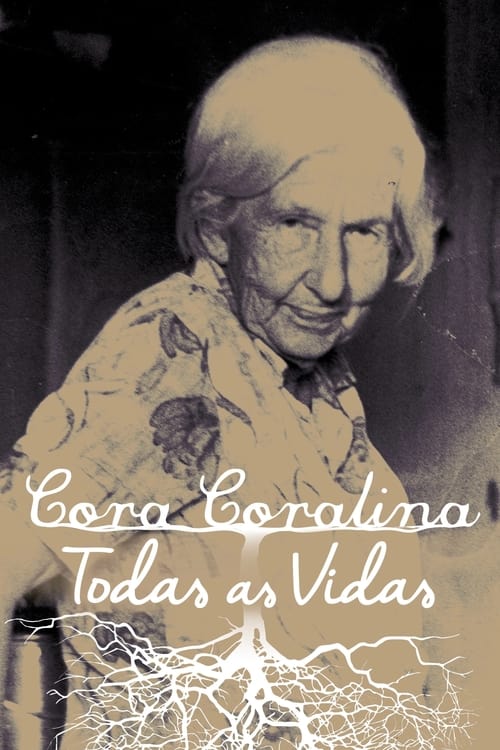
All the lives of Cora Coralina in a poetic narrative in the voices, feelings and interpretations of six generations of great Brazilian actresses. A polyphony of the voices that inhabited Cora, revealed in prose, verse and images with its immense literary talent and human content. The film reveals the trajectory of Cora Coralina, from her childhood years to getting married and leaving Goiás, from the long period of 45 years lived in different cities in the state of São Paulo and her return to the City of Goiás, when she revealed herself to Brazil with the strength of his poetry.
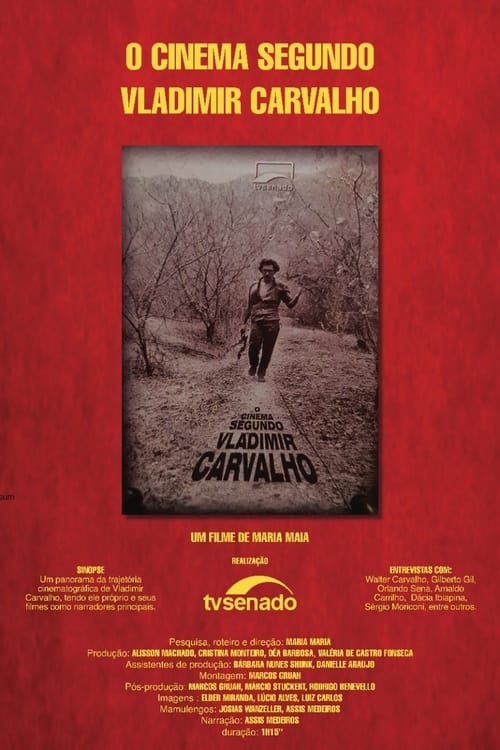
The documentary presents an overview of Vladimir Carvalho's cinematographic career, from the very beginning, as a co-writer of “Aruanda” (1960), directed by Linduarte Noronha, to the present day. With Vladimir himself as the main narrator and illustrated by scenes from his films, the documentary also features interviews with Gilberto Gil, Orlando Senna, Arnaldo Carillo, Dácia Ibiapina, Fernando Duarte, Sérgio Moriconi, among others.