Arthur Omar
Directing
Known For

In this "fake documentary", a doctor returns to Brazil after his studies in Paris. Setting out to practice Medicine, he becomes an indigenous messiah and, in time, a cannibal.
Triste Trópico
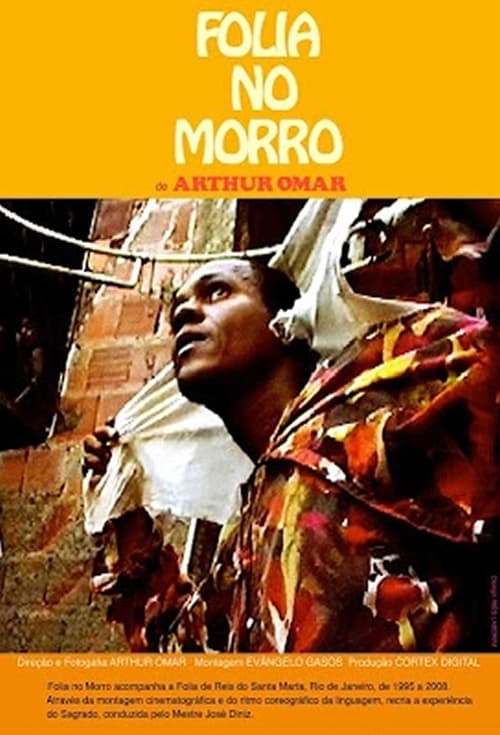
An ethnographic documentary following the Folia de Reis party that is celebrated every year at Morro de Santa Marta on Rio de Janeiro.
Folia no Morro
An experimental ethnographic documentary that criticizes the colonizer view of anthropology.
Congo
No description available.
Fragmentos de um Discurso Amoroso
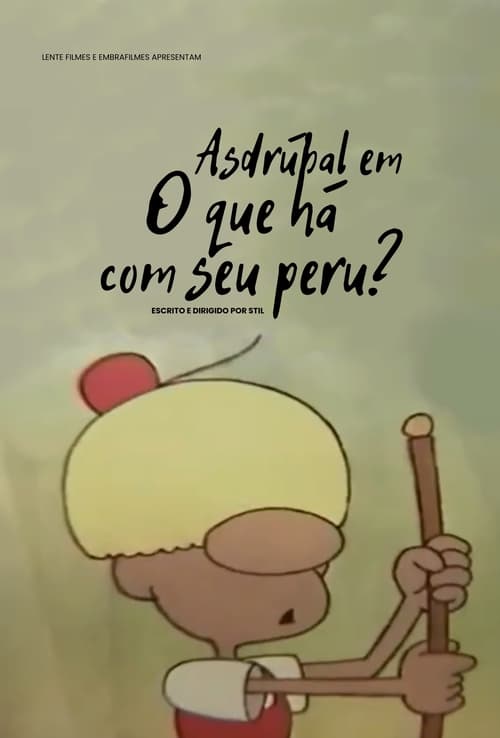
Asdrúbal is the zoo sweeper, the handyman. One day, when he was feeding the turkeys, he noticed that one of them was talking.
Asdrúbal, O que há com seu peru?
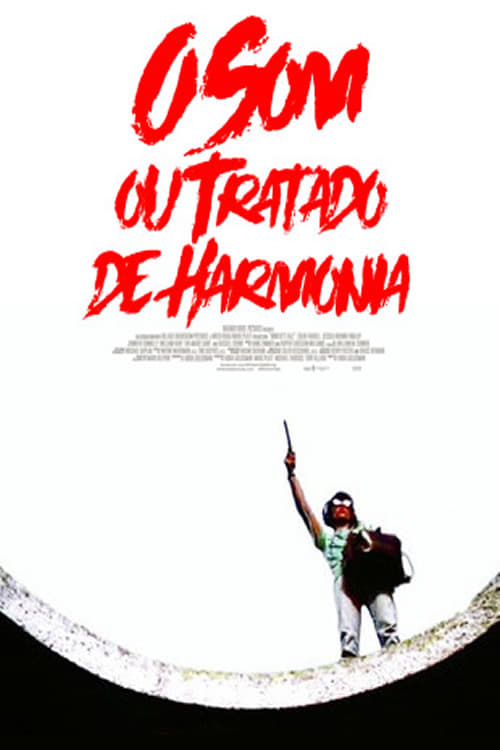
film about the desire of listening. An intermingling of voices from childhood, dreams, history, sex and politics. A visual essay about the universe of sounds. What is sound? What is the sound experience? Sound placed and replaced as Energy. Nothing more should be said. The final conclusion, while the spectator flies over an infinite sea, talks about spreading fragility open. That is the Sound.
O Som, ou Tratado de Harmonia
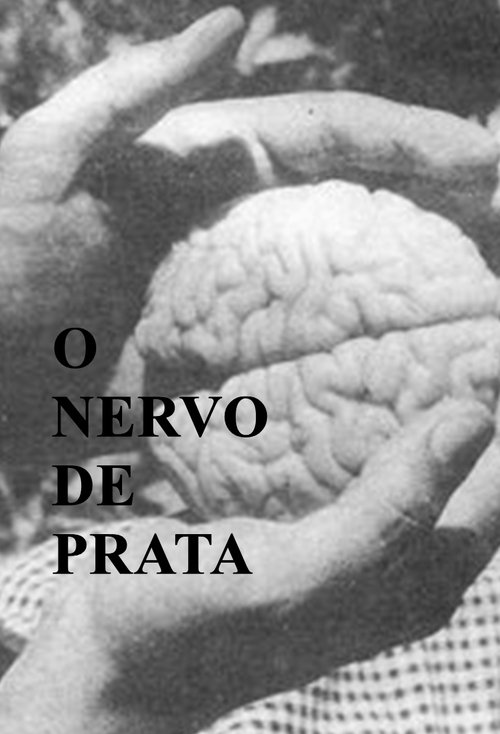
No description available.
O Nervo de Prata
No description available.
O anno de 1798

Made for the signature clothes brand Estúdio M. Officer, a web of audiovisual relations is spun from elements of a performance by the visual artist Cabelo, featuring women wearing fake pregnant bellies and set to music by Naná Vasconcelos. The camera creates an atmosphere of beauty, suspense, and ecstasy. Fashion is appearance, art is disappearance.
Pânico Sutil
No description available.
Sumidades Carnavalescas
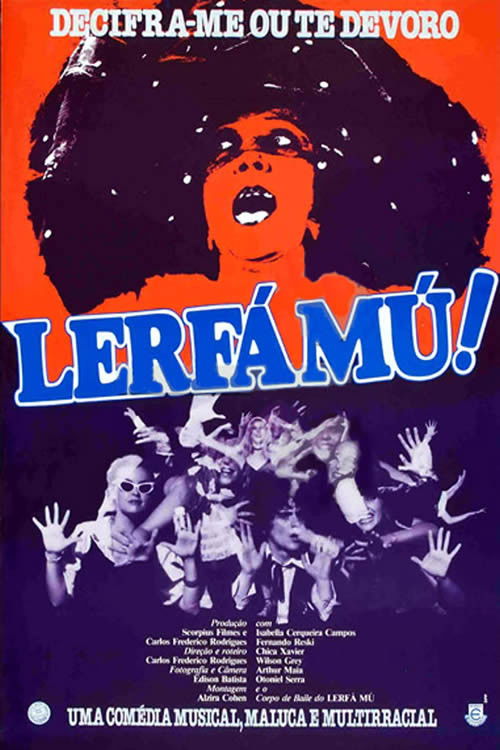
Strange graffiti on the walls of Rio de Janeiro, with the meaningless words Lerfá Mú, become the talk of the town, and cause for concern for the authorities.
Lerfá Mú
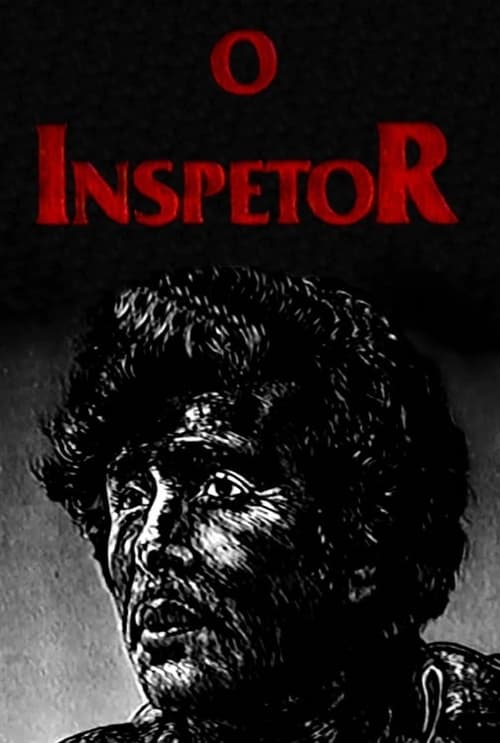
Crime and crime-fighting in Rio de Janeiro. With the master of disguise, the great police inspector Jamil Warwar, playing himself in the film. Jamil became famous by solving the Caso Cláudia, denouncing the involvement of politics and famous personalities of Brazilian society with the international drug traffic. He was punished by his superiors, being transferred to an obscure small town of the hinterlands. The psychology, the methods and philosophy of a detective known as the Brazilian Baretta. A sort of popular Hamlet, a lone star lost in the very dangerous galaxy of the police of Rio de Janeiro.
The Inspector
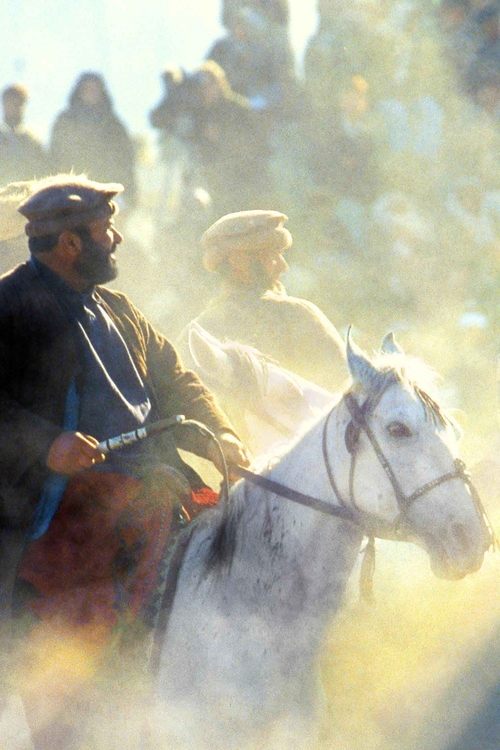
Our perception of reality through movement.
Alquimia da Velocidade
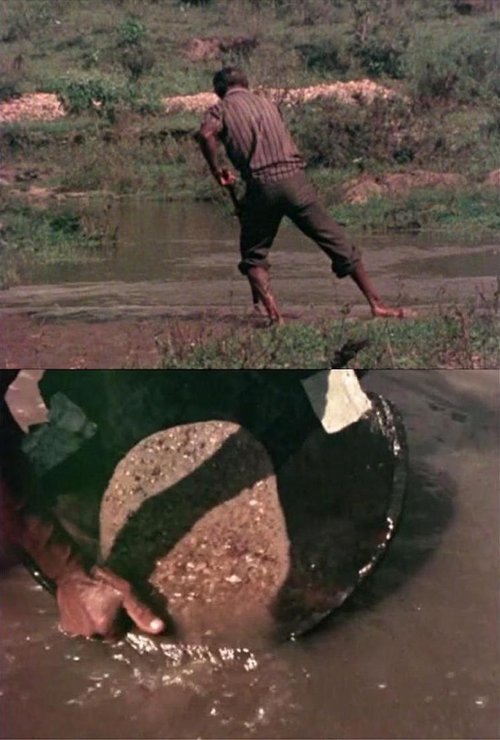
Experimental documentary about the baroque school of music that flourished in Minas Gerais, hinterland of Brazil in the eighteenth century, formed mostly by mulatto musicians. Original baroque music and electronic music by Arthur Omar.
Música Barroca Mineira
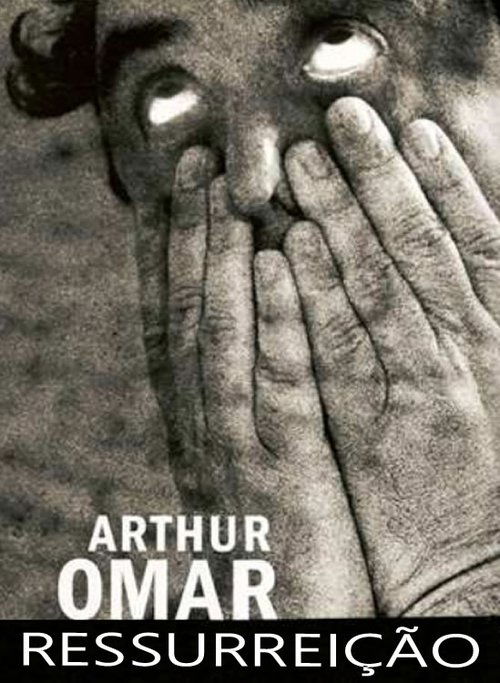
A montage of photographs (from police archives and newspapers) of tortured and murdered victims from the slums of Rio de Janeiro. The strange positions of the slaughtered bodies give a critical meaning to two traditional religious hymns that sing praise to the glory of God and the Virgin Mary. The strange postures of the mutilated bodies establish an ironical meaning to the traditional verses, while the voices of singers Agnaldo Timóteo and Ângela Maria add a pathos of deliriously popular, in an atmosphere of joy and triumph of the Virgin Mary. Film-shock. Basically an investigation about the force of gravity upon dead bodies. A small hymn of love to the mannerist art of sixteenth century.
Resurrection
Omar, one of the main figures of the Brazilian avant-garde whose film Triste Trópico (1974) is a delirious interpretation of Lévi-Strauss’ anthropological ideas, made this experimental film as an homage to his friend Raúl Ruiz. In this film, Omar explores the political and artistic differences between both of them, while reflecting on cinema and their respective countries: Brazil and Chile.
The Raoul Book
A tribute to the filmmaker Alberto Cavalcanti and a celebration of the 50th anniversary of his film En Rade. Made in the style of the lyrical documentaries of the 1920s, this is a work on the movement of all things. The youth of the image and the treasure of sound. The image pulsates through the special photographic effects. Electronic music composed by Arthur Omar.
Tesouro da Juventude
Video Montage