Writing
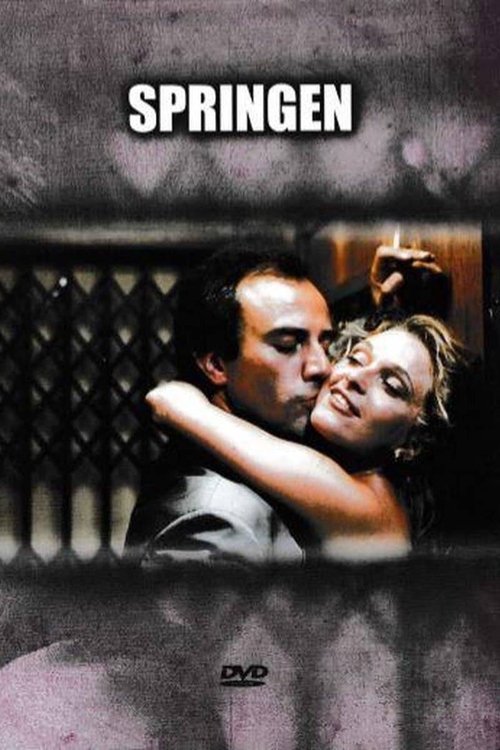
Springen (Jumping) is an absurdist comedy set inside 'Sempa Vivax', an exclusive and highly unusual retirement home housed in a castle.The facility caters specifically to wealthy elderly residents, offering them the unique opportunity to fully realize their wildest, final fantasies and unfulfilled dreams. Under the guidance of the home's eccentric staff, the residents engage in bizarre and extravagant activities, which range from reenacting passionate past romances to staging a simulated atomic war for entertainment.The narrative unfolds through the various subplots of these residents as they navigate their surreal daily lives, attempting to escape the realities of old age and mortality through illusion and play. The story explores the chaotic dynamics between the elderly elite, their families, and the staff members who facilitate their increasingly elaborate delusions.
Set on the eve of World War I, this poetic coming-of-age drama follows Elias, a sensitive twelve-year-old dreamer living on an isolated country estate. Raised by an eccentric, overprotective family detached from reality, Elias finds refuge in nature and his vivid imagination to escape his internal struggles. His fragile childhood bubble is shattered when he learns he will soon be sent away to a strict boarding school. During his final summer at home, Elias experiences a bittersweet emotional awakening shaped by three relatives: his older cousin and close companion Aloysius, his young cousin Hermine, who harbors a subtle infatuation for him, and his beautiful, melancholic Aunt Henriette, who serves as a dramatic muse. Based on Maurice Gilliams’ modernist classic, the film is a nostalgic, melancholic portrait of a boy forced to leave his idyllic fantasies behind and face the adult world.
Father Daens returns to Aalst, where workers suffer from poverty, child labor, and exploitation in the textile industry. Driven by his sense of justice, he takes their side, even if it means confronting the church and the upper class. A detailed historical drama about the fight for justice.
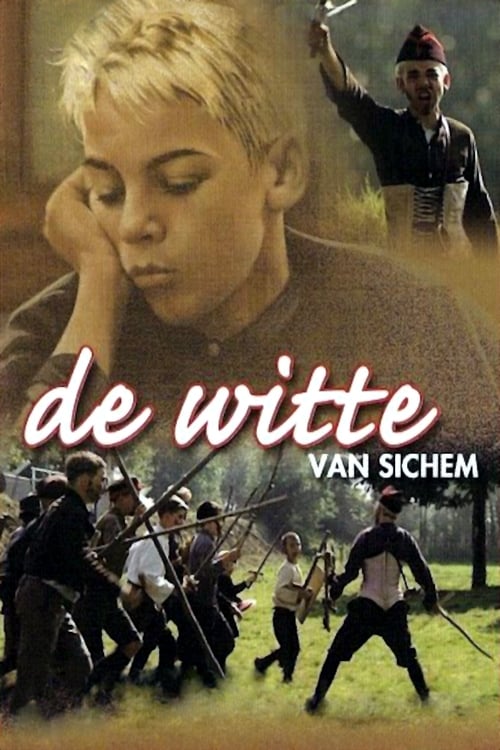
The second movie version, now in color, of Flemish (heimat-)author Ernest Claes' classical novel, titled after the nickname (Dutch 'the White', referring to a blond male) of the main character. The smart but naughty farmhands son's eternal mischief, pranks and disobedience drive his elders (especially teachers, family and father's grumpy employer, a rich farmer, but also neighbors and even the kind curate whose liturgical server he is) and classmates to despair in a time when a boy's punishment was still inevitable, swift and often severe; thus when his mother catches him skinny dipping she takes all his clothes home, forcing him to a long walk of shame, dreading dad's wrath all the way. This version also stresses the story's social and Flamingant aspects.
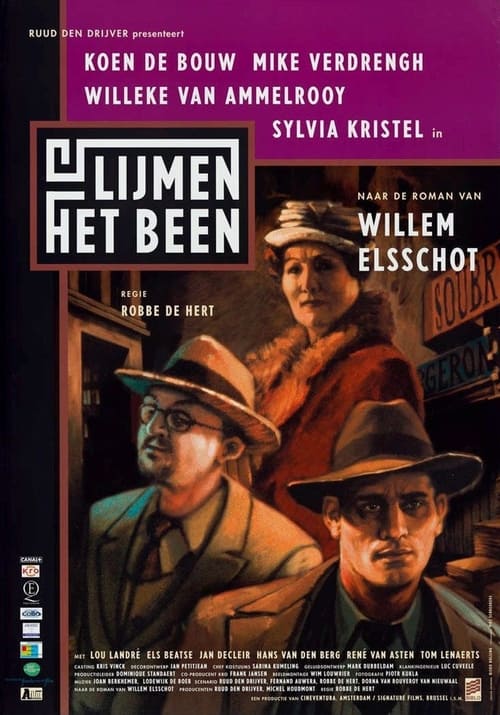
Story of two con men, Boorman and his younger assistant Laarmans, who are trying to sell companies their non-existing magazine.
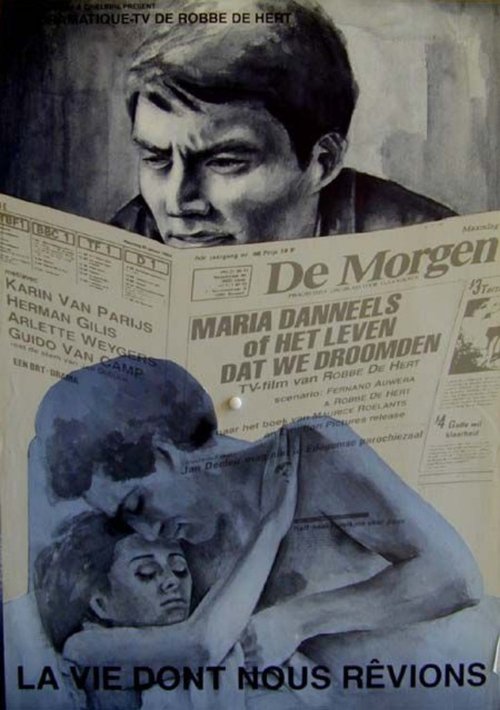
Antwerp. Someone is making a feature film. After shooting the scenes on location, the filmmaker wanders to the railway station. He's having difficulties with his material, it's a commissioned film. The story is giving him trouble too. But he cannot abandon the project. He now wants to introduce a male character so that he can explain his problems.
Gaston Vandermeerssche is a young, resourceful Flemish action hero of the Belgian resistance during World War II: he coaches surviving allied pilots trough occupied Belgium and France to Spain so they can regain England, each time a dangerous adventure as their poor mastery of local languages and customs add to the ever-present risks of trying to outsmart the Nazi troops and Gestapo agents. After a mess-up in the coordination from London he himself gets caught by the dreaded secret police for ruthless interrogation...