Directing
No description available.
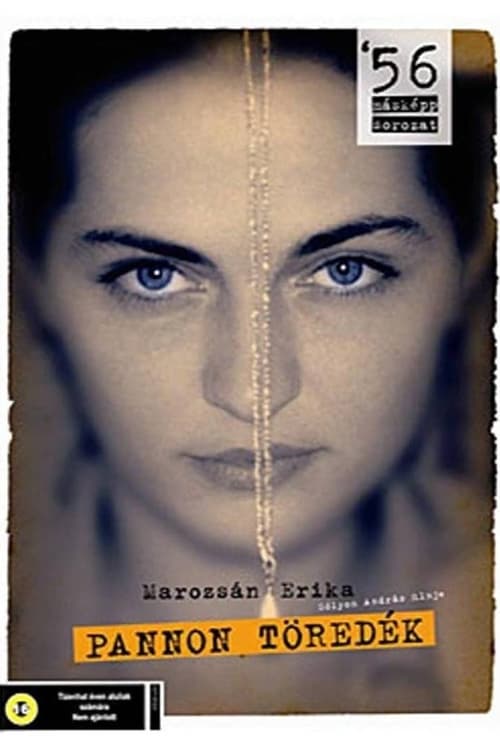
Peter falls in love with Lena, a Bulgarian female student in the days of the 1956 revolution. They were both involved in the events of the Revolution, enthusiastically recount their experiences of an American journalist. The boy's parents leave the country, but he did not go with them.
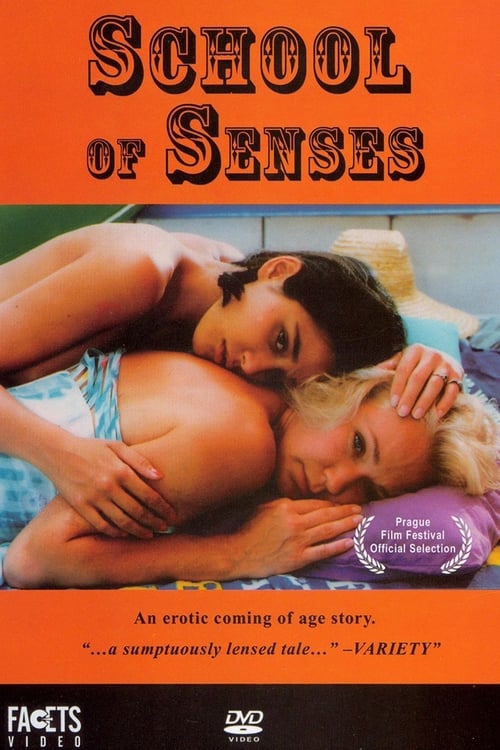
Hungarian erotic thriller based on the novel Erzekek Iskolaja. Lily, a young gypsy girl, falls madly in love with a dashing salesman who introduces her to life's pleasures. When Lili discovers he is engaged to another, her life begins to spiral downward.
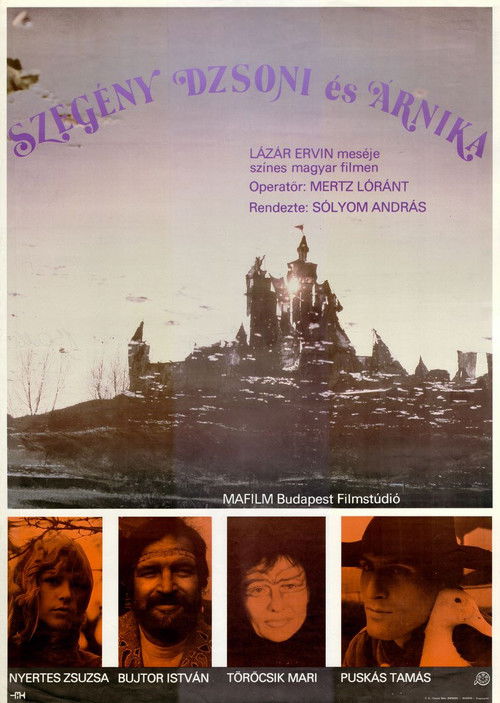
The poor but carefree vagabond Johnny meets the princess Árnika and they fall in love. An evil witch casts a spell on them which turns one of them into a duck. In order to be free of the spell they embark on a long journey to meet King Ajahtan Kutarbani, the only one who can lift the spell.
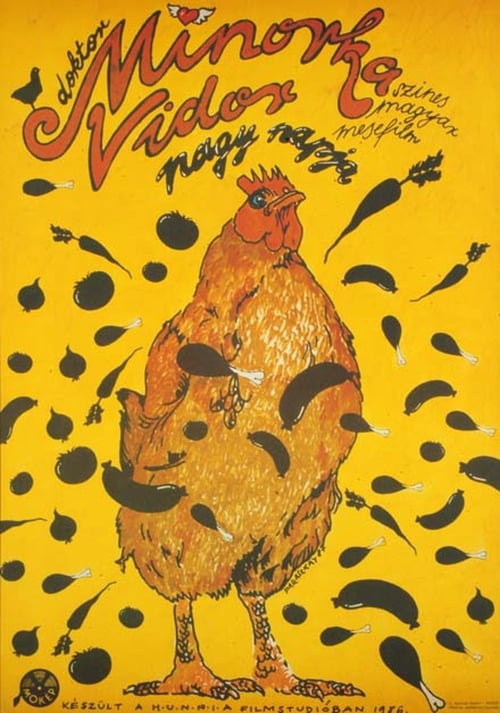
One day, Dorka, one of the main characters in the fairy tale, goes to the market with her aunt. They buy a big chicken for the soup. The aunt sees a long-coveted white feather duster, but the vendor refuses to sell it, so the feisty aunt snatches it out of his hand and shoves it away. The spell that has kept the market peaceful is broken, and the ancient war between kofas, butchers and fishermen rages once more. Neither Minorka Vidor, a doctor of philosophy disguised as a hen, nor Emilia, a neurotic fairy godmother, can restore order until Auntie waves her feather broom again.
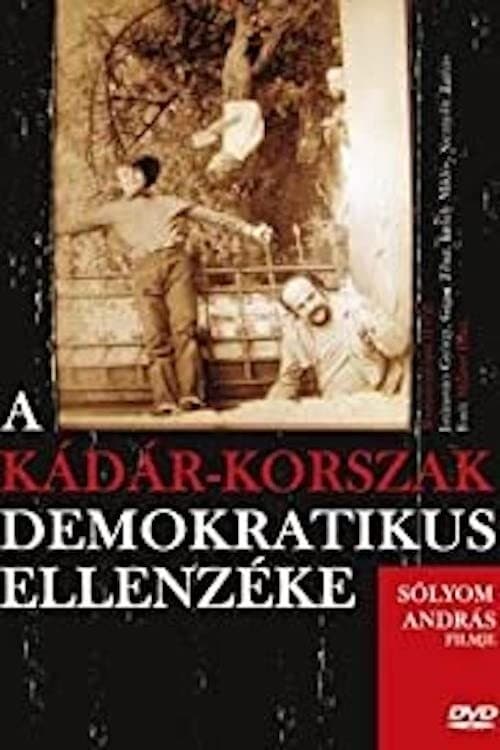
A documentary about the Democratic Opposition of socialist Hungary.
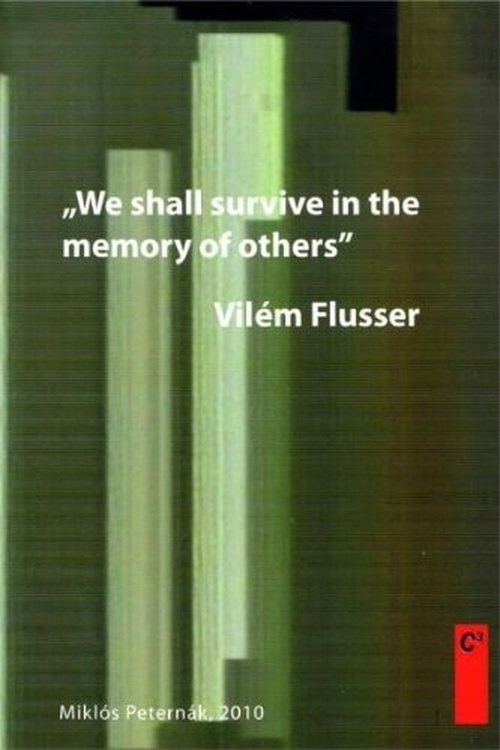
Flusser presents here theories that focus on the believability of the electronic image, the role of religion and memory, as well as the new language systems and apparatus of the digital avant-garde era. — Television Image and Political Space in the Light of the Romanian Revolution (Lecture, Budapest, the 7th of April, 1990) — On technical images, chance, consciousness and the individual (Interview by Miklós Peternák in München, the 17th of October 1991) — On religion, memory and synthetic image (Interview by László Beke and Miklós Peternák in Budapest, the 7th of April 1990) — On writing, complexity and the technical revolutions (Interview by Miklós Peternák in Osnabrück, European Media Art Festival, September 1988)