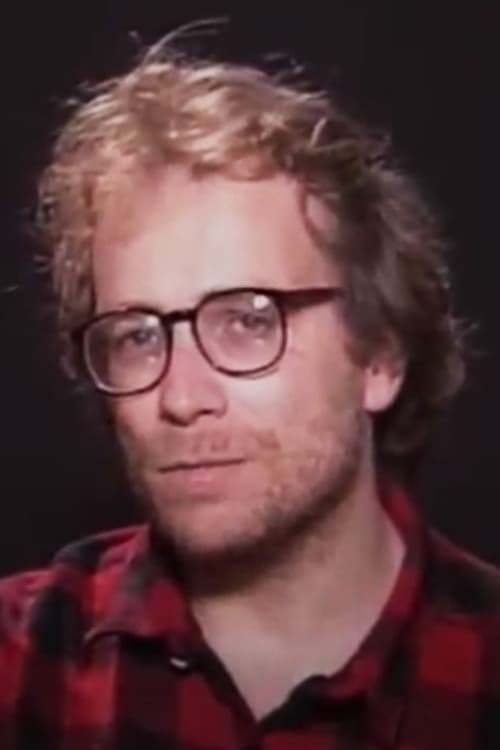
Enrico Ghezzi
Directing
Known For

No description available.
Cinecittà Cinecittà
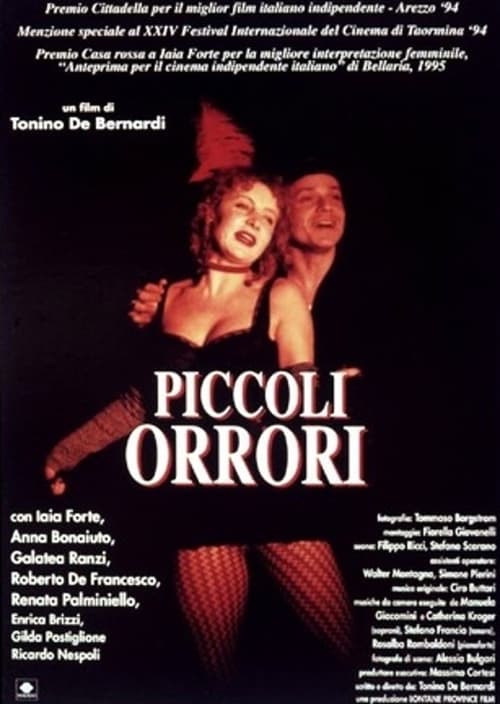
A woman in her flooded kitchen thinks of Ophelia and death by drowning. A nun wonders about her vocation. A girl, dumb by choice, walks around in Naples. A ballerina in a wheelchair. Three youths around a bonfire in a little island. A man secluded in a tower waiting for the end of the world. And many other stories.
Little Horrors
The film is a rendition of Resurrection, Tolstoy’s last novel. It begins with a reading of the beginning of the first part in Naples, in September 2012. It moves on to Berlin, Locarno 2013, Oneglia, Paris, Casalborgone, and it ends in Milan with the beginning of the second part. The places and times change, and so do the people doing the reading. But also, in the middle, real people and voices surface, like Adamo Vergine at his home and Jean François Neplaz in Marseilles. The film searches for the possible faces of Tolstoy’s two protagonists in Oneglia, Procida, and Casalborgone.
Resurrection
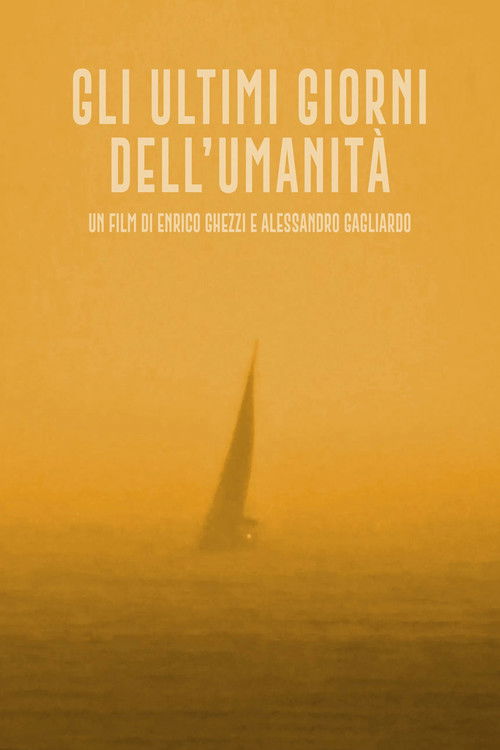
The panorama of human affairs encounters the “man with a movie camera”. His playground has no boundaries, his curiosity no limits. Characters, situations and places pitch camp in the life of a humanity that is at once the viewer and the thing viewed. But what are the last days of this humanity? Have they already passed? Are they now or still to come?
The Last Days of Humanity
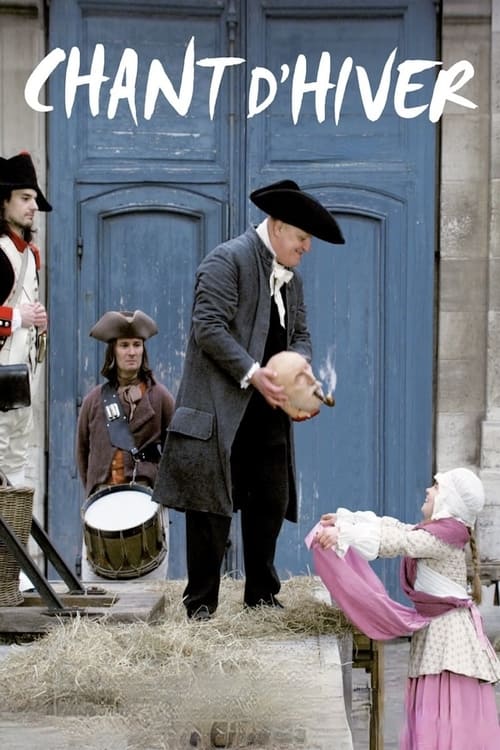
Two old friends have urban adventures connected to the skull of an executed French aristocrat.
Winter Song
No description available.
Parola (su una data)
Anthology of urban stories form seven Italian directors.
Provvisorio, quasi d'amore
An old patriarch at the gates of death, who has been married five times, reunites his family and indulges in a sadistic game with them.
Barbablù, Barbablù
No description available.
Marco Melani - The Man With The Golden Eye : Scheggia dall'ultima versione
"The Man With The Golden Eye" tells the extraordinary figure of Marco Melani through a live projection of materials collected in over ten years of research. Found footage, unpublished interviews with cinema and television personalities, fragments of films, extracts from television programs, photographs, readings and interventions by the author, intertwine giving voice to a chorus of precious testimonies.
Marco Melani - The Man With The Golden Eye
Enrico Ghezzi cuts out porn magazines looking for a fake cataloging criteria, while Sergio Grmek Germani, off screen, reads and comments on a pornographic filmography edited by Marco Giusti (published by Italian magazine Filmcritica), correcting errors and underlining his insufficient pornophilia.
Pornomi
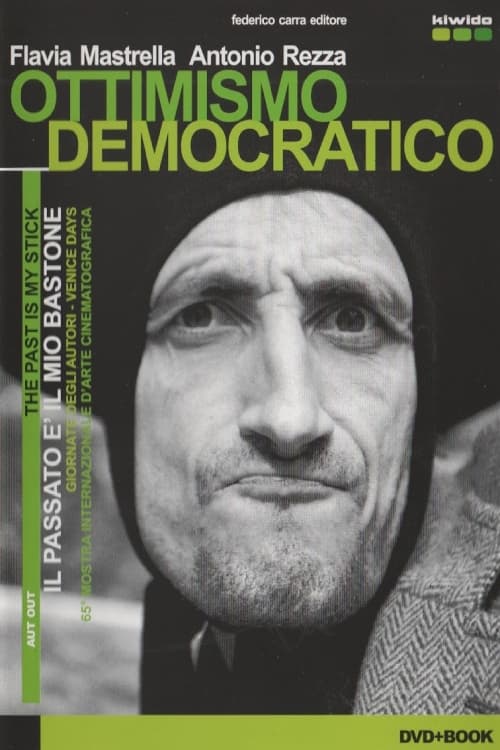
No description available.
Ottimismo democratico
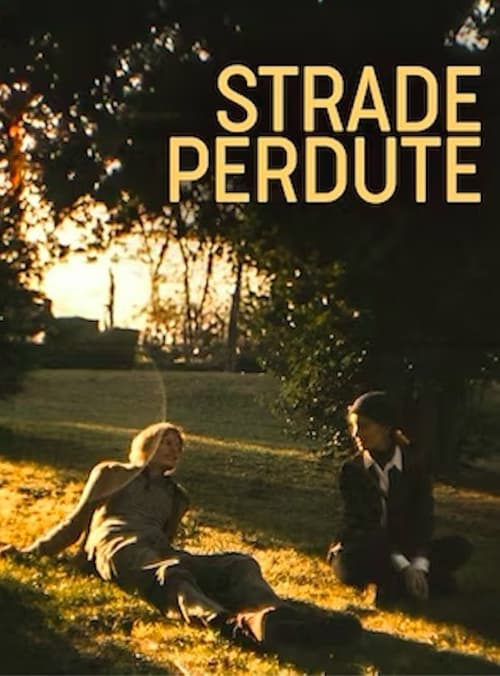
For Filmmaker Film Festival (2023), Fulvio Baglivi and Cristina Piccino asked some filmmakers (R. Beckermann, J. Bressane, D’Anolfi/Parenti, T. De Bernardi, L. Di Costanzo, A. Fasulo, F. Ferraro, M. Frammartino, S. George, ghezzi/Gagliardo, C. Hintermann, G. Maderna, A. Momo, A. Rossetto, M. Santini, C. Simon, S. Savona) to give us their own "lost road," that is, a sequence, scene or piece of editing that did not later find its way into the final version of one of their works. Each fragment has its own accomplished presence, often has a different title from the film it was made for, which is not necessary to have seen in order to find meaning; on the contrary, those who set out thinking they know the world they are walking through will find themselves displaced.
Strade perdute - Filmmaker 23
A young woman wanders down an endless corridor, while other people knock at a door at night. A man takes a picture of Montmartre, two women hand him some money, while a patron manages from rue de Mhyra a network of Italian call girls. Adiba sings an ancient Moroccan song in a room full of children, while Vidya is performing her daily puja in Pune (India). Giuli sings to herself as she drives at night through Turin and runs to the station at day. Parallel stories where every character is caught “in a situation,” closed.
Home Sweet Home
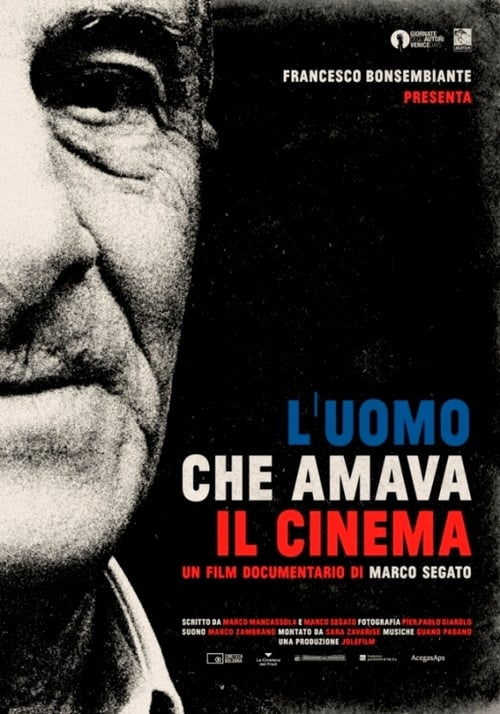
Piero Tortolina has been a point of reference for a whole generation of film lovers. Pioneer of cinema-clubs and great film collector, he has been an invisible protagonist in the history of italian cinema.
L'uomo che amava il cinema

No description available.
Quiproquo
La Balena di Rossellini origins from one of the most beautiful Roberto Rossellini's dreams, an exemplary project for his autorial path. The film conceived, but never realized, by Rossellini took shape in his notes after a trip to Chile conducted in May of 1971, a trip made to conduct an interview-portrait of Salvador Allende, then actually carried out by the director of "Rome, Open City". October 28, 1971: Rossellini, back from Santiago, Chile, reads a newspaper reports of a beached whale on the Pacific coast near a poor village inhabited by fishermen. From this simple news comes a film script for a fable about wealth and poverty. A film whose shooting Rossellini would have been entrusted to the young student Claudio Bondì, just graduated from the Experimental Center of Cinematography.
La balena di Rossellini
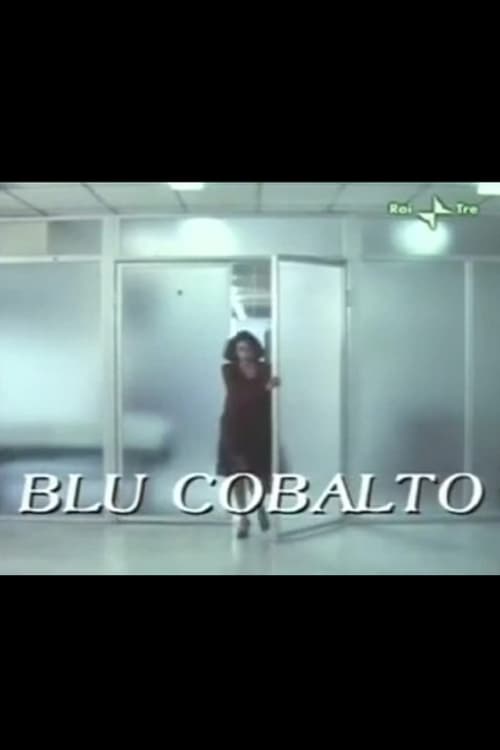
Docu-drama about cancer patients. An elderly farmer, believed to be mad by his family, dispenses wisdom to the other patients; an actress takes advantage of the hospitalization to shed light inside herself; a young doctor lives with schizophrenia his condition as a patient.
Blu cobalto
No description available.
Il vento del cinema
Inspired by the "The wind of cinema" festival which every year deals with issues relating to the relationship between cinema and philosophy, it shows a conversation between the critic Enrico Ghezzi and some directors including Werner Herzog, Amos Gitai, and the philosopher Boris Groys. The theme addressed is the "Catastrophe".