Directing
Aivars Freimanis was a prominent Latvian film director and writer.
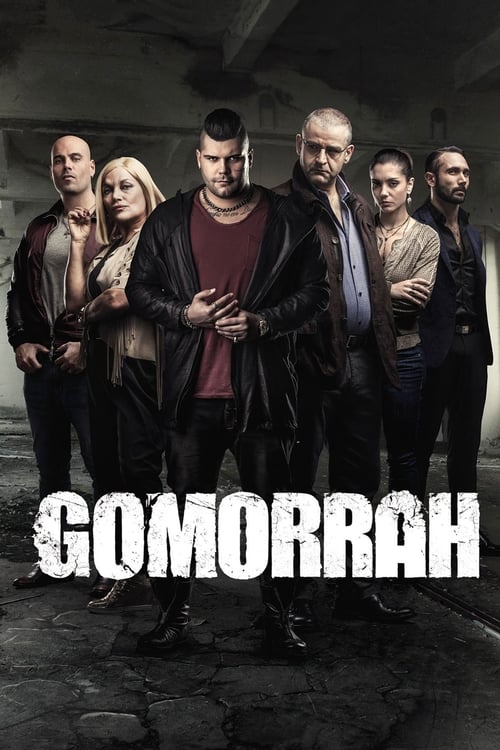
Based on Robert Saviano's bestselling book, this gritty Italian crime drama paints a portrait of the brutal Neapolitan crime organisation the Camorra, as seen through the eyes of Ciro Di Marzo, the obedient and self- confident right-hand man of the clan's godfather, Pietro Savastano.
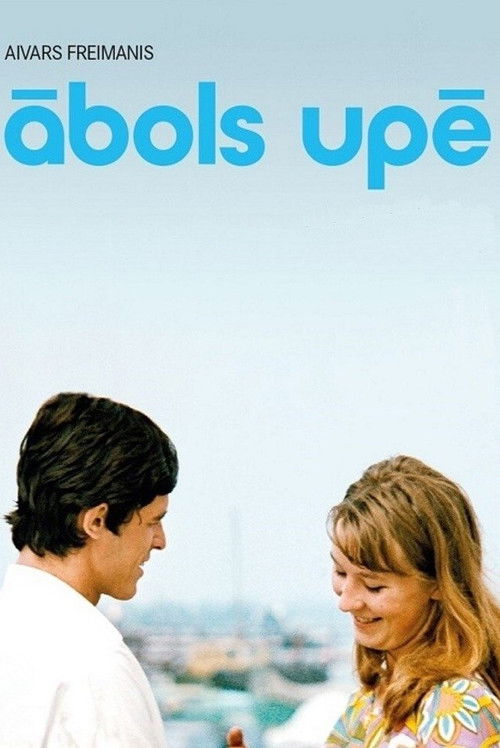
Two people fall in love. A film that started as a documentary.
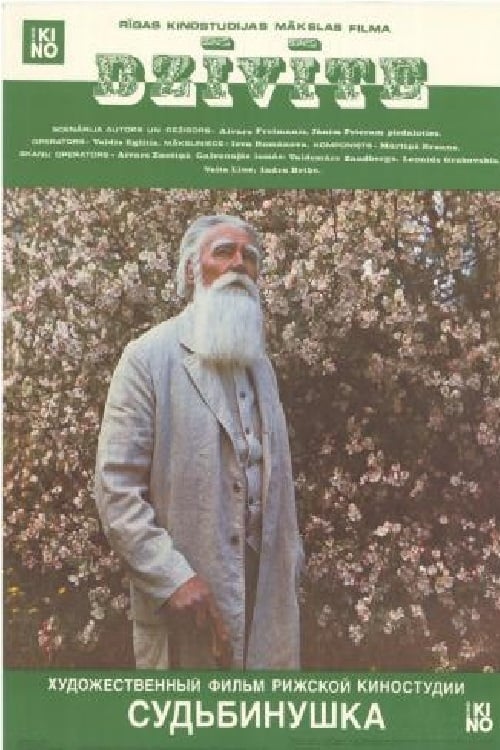
Latvia, late 19th century. Farm-hand boy Jancis lives on a homestead with his mother, grandfather and grandmother. His world does not reach beyond the horizon, and life progresses according to the seasonal cycle – from winter through spring, summer and autumn to the next St. George's Day when farmhands often had to move to the next farm.
On the fate of the Livonian people in Latvia.
At the beginning of the 1960s, when the French pioneers of cinéma vérité set out to achieve a new realism, and when direct cinema in Québec began to vie for notice, the Baltics wit-nessed the birth of a generation of documentarists who favored a more romantic view of the world around them. This meditative documentary essay – from a Latvian writer and Lithuanian director whose composed touch has long dovetailed with the stylistically diverse works of the Baltic New Wave – pushes adroitly past the limits of the common his-toriographic investigation to create a portrait of less-clearly remembered filmmakers. The result is a consummate poetic treatment of the ontology of documentary creation. Also a cinematic poem about cinema poets.
A tragicomic story about the passions and commotions behind the closed doors of communal flats in Riga.
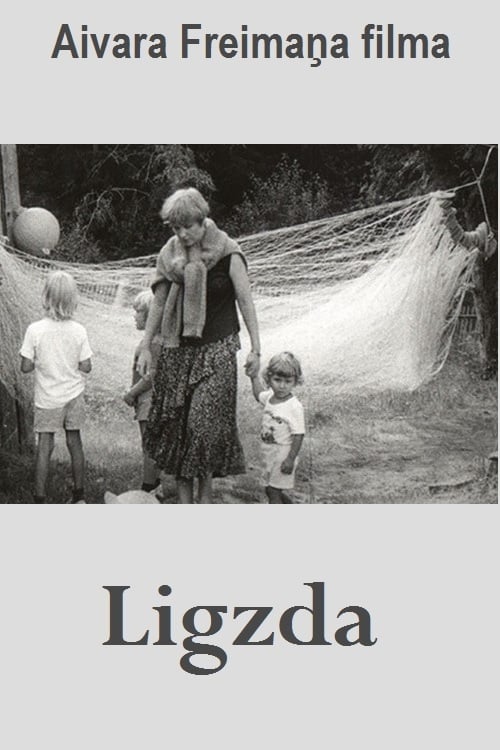
A young couple of biologists and their two children move from Riga to a nature reserve where they're provided with an old country cottage. They start to repair the cottage and feel at home, but the former owner of the house suddenly returns from Canada. When he realises that the present inhabitants have kept the spirit of the place alive, he gives up his rights to the cottage. The film then concentrates on him coming to terms with his memories of his time as a guerilla, when he found his first love, his 'sister-in-arms', who betrayed him fifty years ago. The film also investigates the relationship between the young biologists and nature, and the process of reaching adulthood. The title of the film, The Nest, stands for the surroundings of living nature (the forest, the marshes, the coast) and more generally for the small fatherland that has to maintain its position among great powers such as Russia, Germany and America: countries that largely shape the fate of the characters.
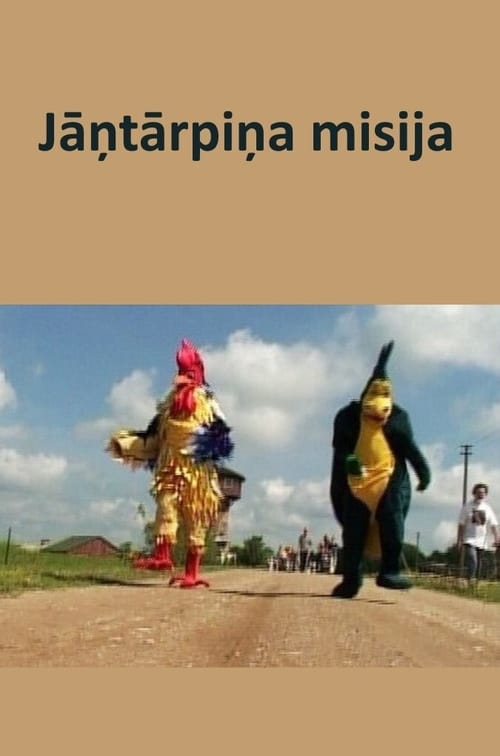
A story about the backstage of travelling Latvian puppet theatre "Maska". The group consists of three actors and a tiny bus. They travel around the county performing at clubs in the countryside, schools, kindergartens...
On the history of Latvian photography from the late 19th century to 1917.
An observation of life, people, and surroundings in the towns of Kurzeme — Talsi, Kandava, and Sabile.
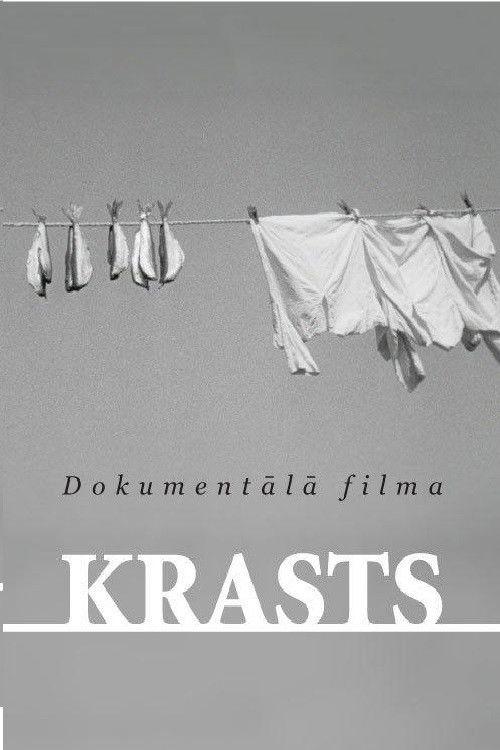
A poetic documentary observation of everyday life in a Latvian fishing village, where centuries-old traditions and wind-hardened men and women live alongside the optimism of new construction and the smiling faces of the new generation.
A leisurely message about the people of the Zvejnieks collective farm, created in the style of Riga's poetic documentary cinema.
A homage to Krišjānis Barons and his life's work – to collect and catalogue Latvian folksongs or dainas,thus creating the encyclopaedia of Latvian life, a poetic reflection of the knowledge of life accumulated over the centuries. The film is based on Krišjānis Barons' life during late 1800s and early 1900s – his childhood and youth in Latvia, studies and work in St. Petersburg and other places in Russia, his relationship with his faithful wife Dārta, and the awakening of the Latvian self-awareness.
The short experimental documentary tells the story of an old rifleman living in the middle of the forest.
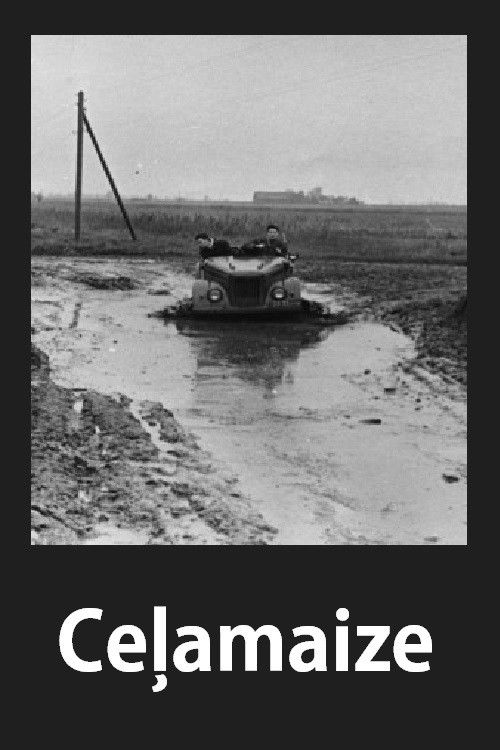
While shooting a documentary about a 'Komsomol' class who all went to save a struggling kolkhoz, the filmmakers also shot mud, broken tractors, flooded fields. The film turned scandalous and was not screened, because of it allegedly being anti-Soviet: defamatory of collective farming.
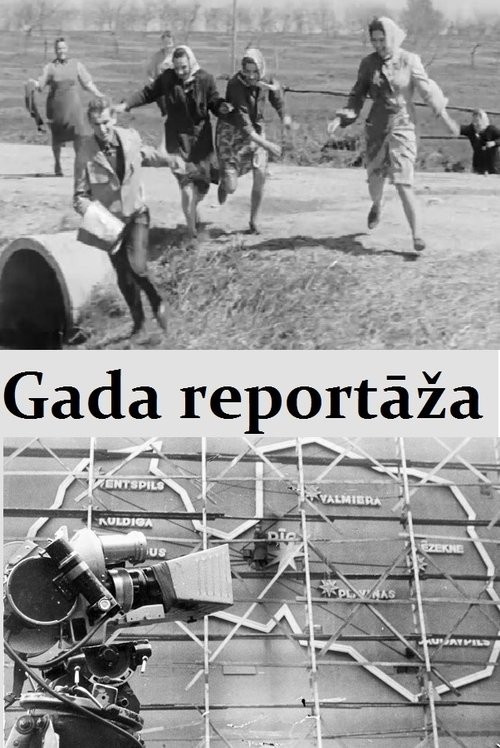
Filmmakers of Riga poetic documentary school, Freimanis and Seleckis, were designated as the creative core for this documentary to be shot in honour of the 25th anniversary of the Soviet Latvia. The team was joined by the heavyweight poet Imants Ziedonis and Herz Frank as script writers. Instead of one of the old, merited, medal rattling ‘combat camera- men’, “Year in Review” is an unusually vivid and unique film for the time. The creative team were awarded the State Prize for the film.
A documentary about Indulis Ranka, a Latvian sculptor.
A Latvian poetic documentary about the town Kuldīga.
Joyful, humorous and slightly ironic look on the daily life in Soviet Latvia in 1987.
Children's aesthetic education at Kandava Boarding School.