Carlos Castilho
Acting
Known For
No description available.
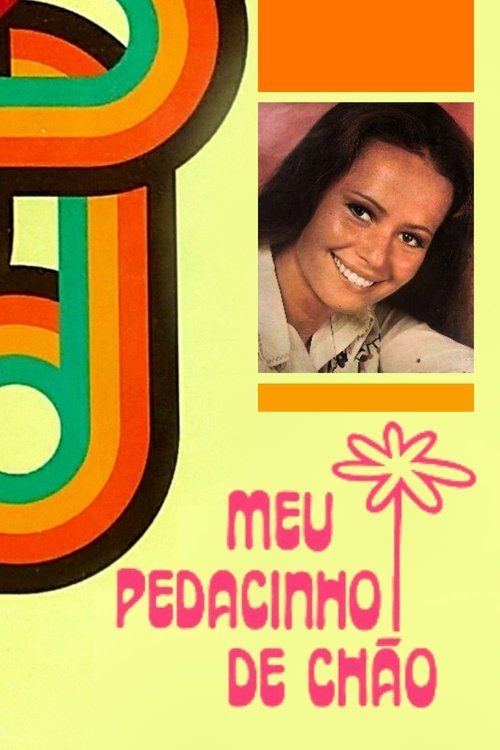
Meu Pedacinho de Chão
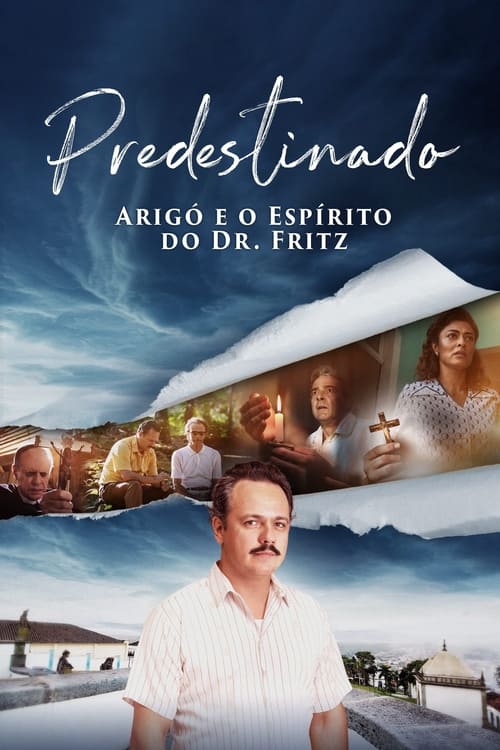
José Pedro de Freitas, better known as Zé Arigó, was a simple man who lived with his wife Arlete in Congonhas, Minas Gerais. During the 1950s, a time when Spiritism was not as well known and respected in the country, Arigó became a symbol of hope through his surgeries and spiritual cures. Based on a true story, Arigó, with the help of the spirit of Dr. Fritz, performed numerous spiritual surgeries on people from Brazil and the world.
The Surgeon of the Rusty Knife
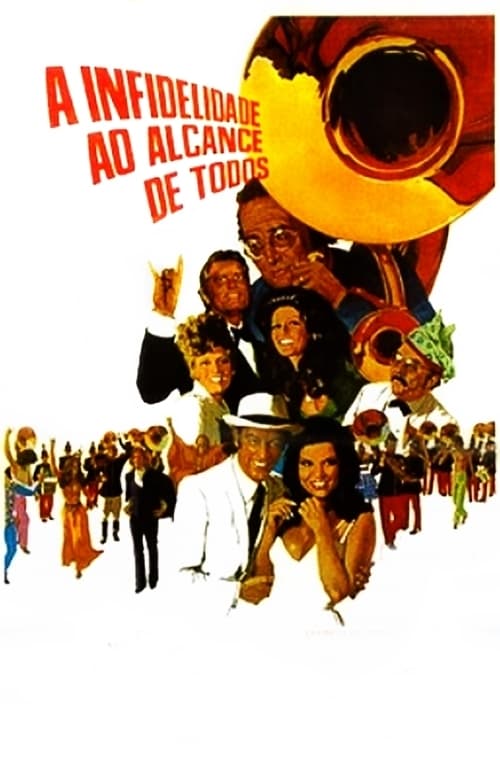
Erotic comedy in two segments: in the first, a candidate running for mayor of a small town pays a visit to the most coveted woman in town, just to show off his manhood. In the other, three couples have fun in a different sort of New Year's eve party, but not according to their plans.
A Infidelidade ao Alcance de Todos
No description available.
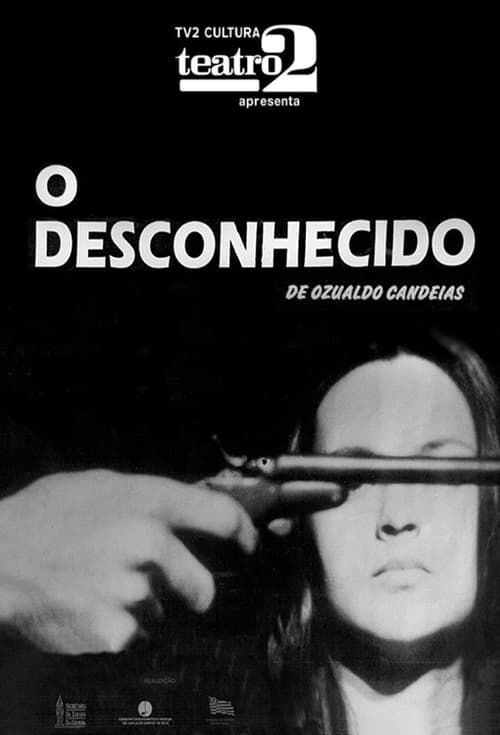
O Desconhecido
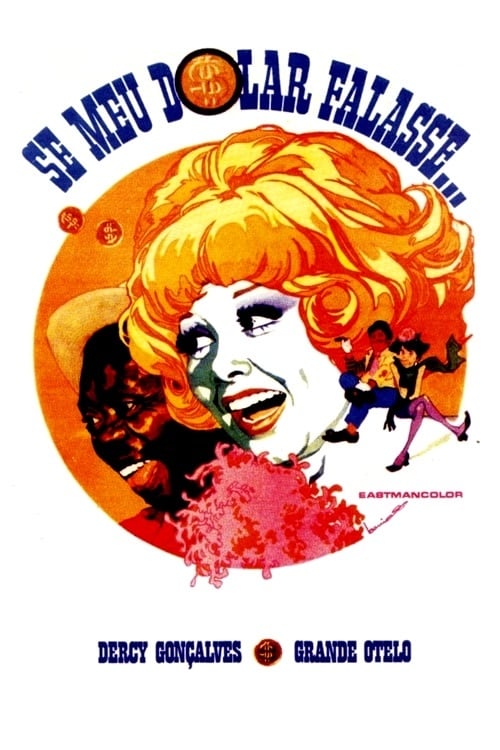
Bums find $15,000 in trash, but the money belonged to criminals.
Se Meu Dólar Falasse...
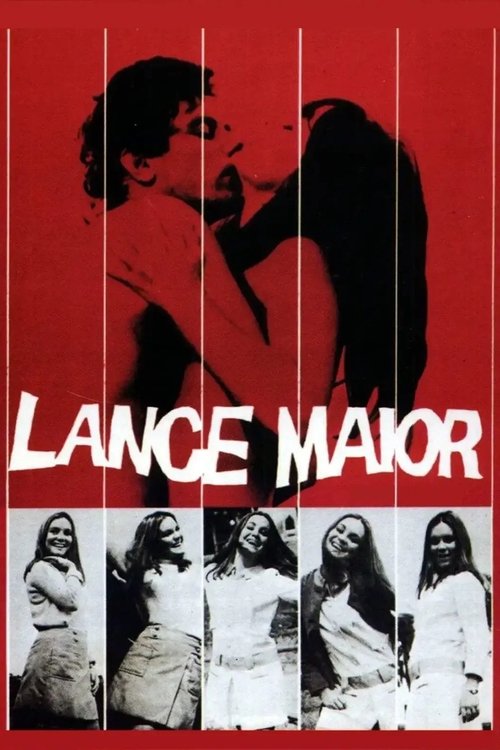
University student who works in a bank experiences a personal crisis: he is torn between his ambitions and the temptation to engage in the armed movement against the military dictatorship of the time, in Brazil. At the same time, his love life is also confusing: he is unable to choose between two girls: an apolitical rich one, whose main interest is her own sexual liberation; and a working girl with family problems.
Lance Maior
No description available.
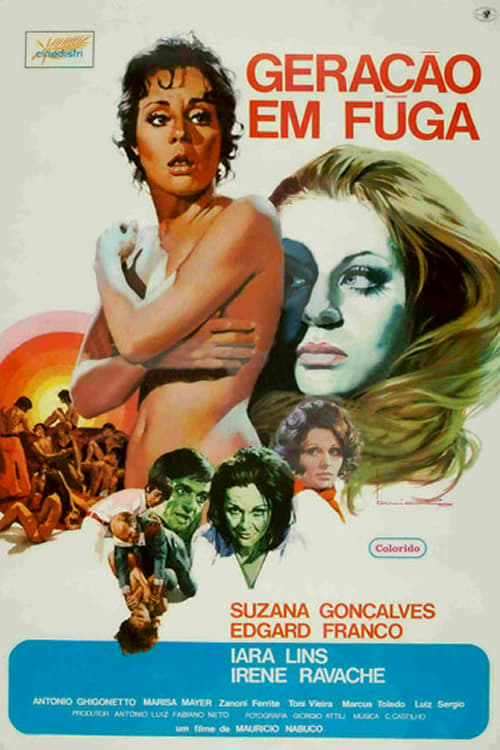
Geração em Fuga
No description available.
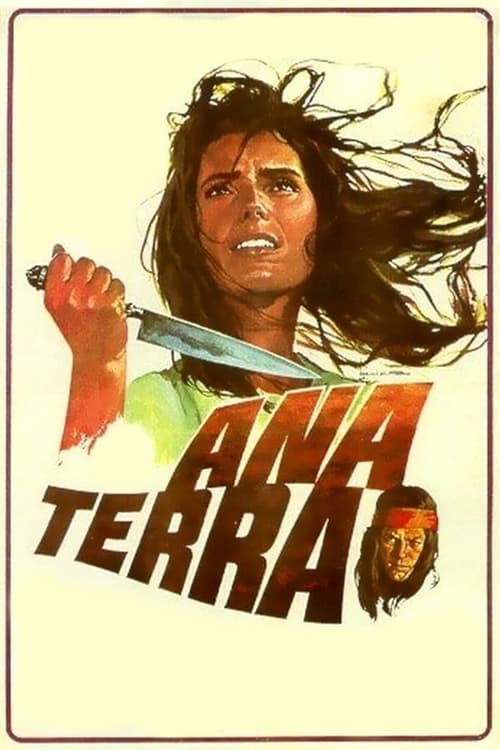
Ana Terra
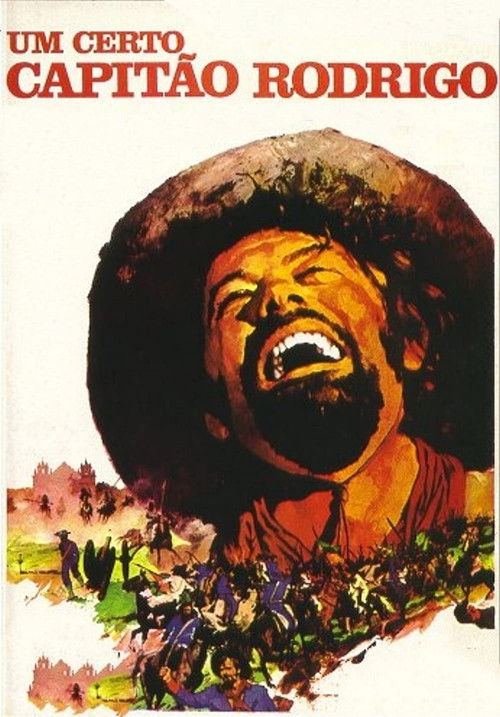
A knight, half soldier, half gaudério, dolphinfish hair in the sun, guitar on his back, enters the sleepy town of Santa Fe. Nobody could imagine that this man was also getting into their lives. Singing and drinking was winning the hearts of women and admiration of men. A storyteller of adventures, wars or lies? Based on the book by Erico Verissimo.
A Certain Captain Rodrigo
No description available.