Directing
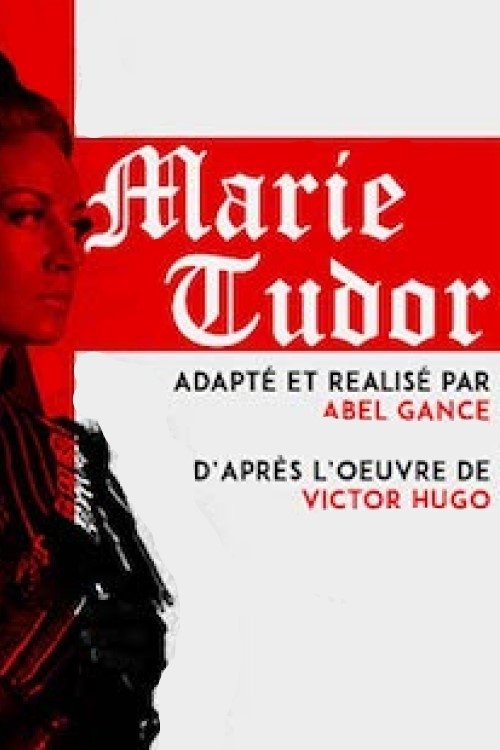
Based on the play by Victor Hugo, portraying the rise, fall and execution of Fabiano Fabiani, a fictional favourite of Mary I of England.
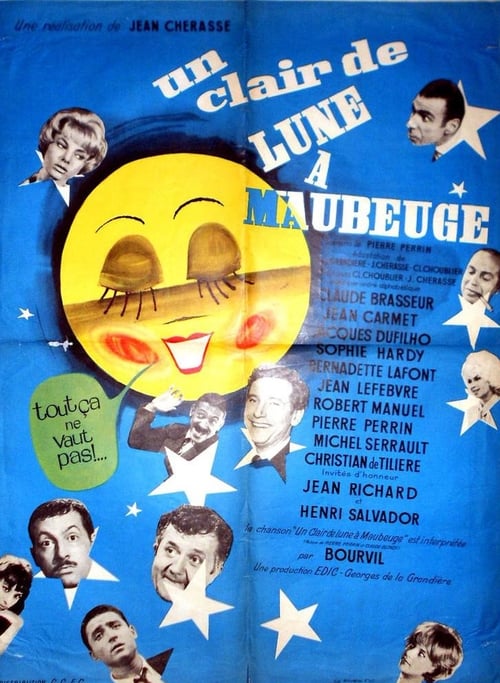
Paul, a friendly Parisian cab driver, has two loves: music and his fiancée Virginie. After graduating from the Conservatoire with a first prize, he lives on hope, offering his classical works to publishers. One day, while driving customers to the races, he plays a "toquard": Maubeuge, who wins. With his friends, he celebrates the event and, for dessert, composes a song for the occasion: "Tout ça ne vaut pas un clair de lune à Maubeuge". Monique, a secretary at the radio station and one of the guests, had a record made of the tape recording. And this record, following a mistake, was broadcast on a religious music program. It's a runaway success: for Paul, it's fame and fortune. which he had obviously coveted, but more with his symphonies, opera and sonatas. No matter, the "Clair de lune à Maubeuge" (Moonlight in Maubeuge) allows two happily engaged couples to become happily married.
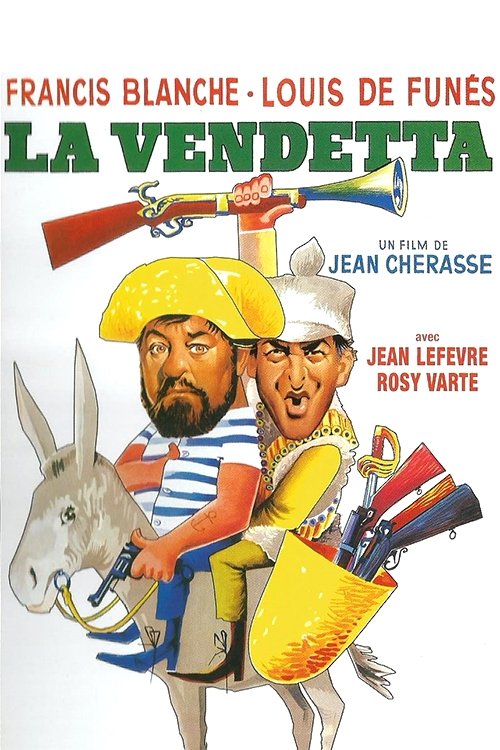
Arbella is a charming village in Corsica. It's such a pleasant place to live that Monsieur Lauriston has decided to spend his old age there with his wife Marthe. Encouraged by Giuseppe, the owner of the Napoleon bar, he is promoted to mayor. This brings him the wrath of Captain Bartoli, owner of the Café Bonaparte, a self-styled pirate and navigator who has long aspired to this honorable position. Further complications arise when Lauriston's nephew romances Antonia, the daughter of Amoretti, the last bandit of honor in the area and the town's main tourist attraction.
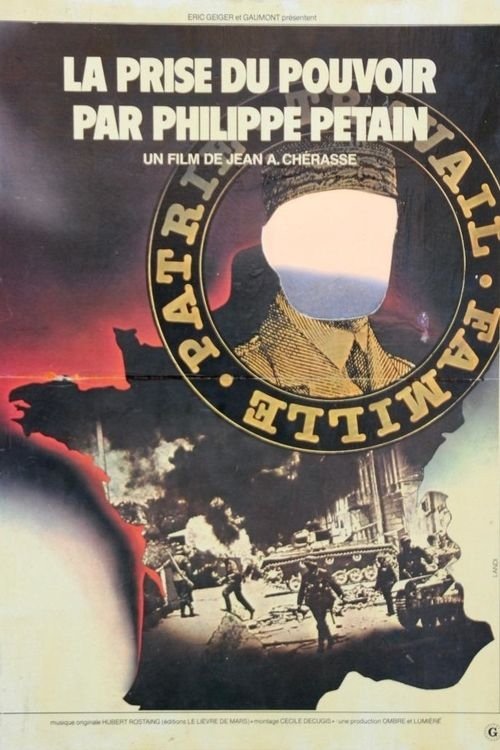
Recall of the events which, from 1914, favored Philippe Pétain's access to power in France in 1940.
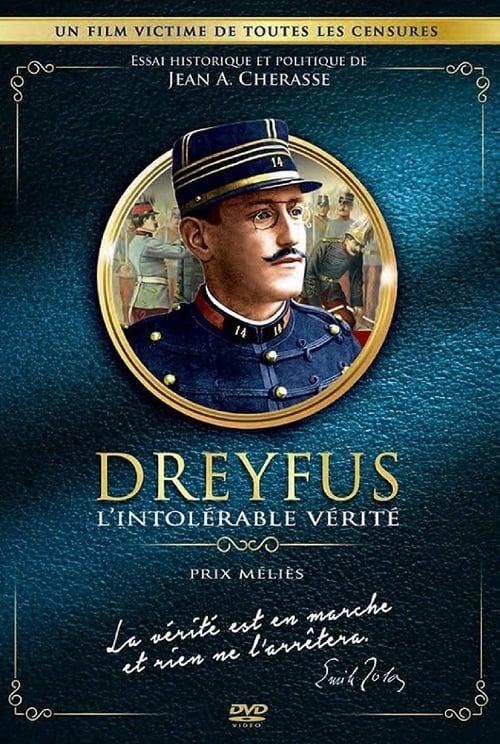
Since the contemporary turn of the century short subjects of Georges Melies, the first French-made film to discuss the long taboo topic of the Dreyfus Case.