Lino Del Fra
Directing
Biography
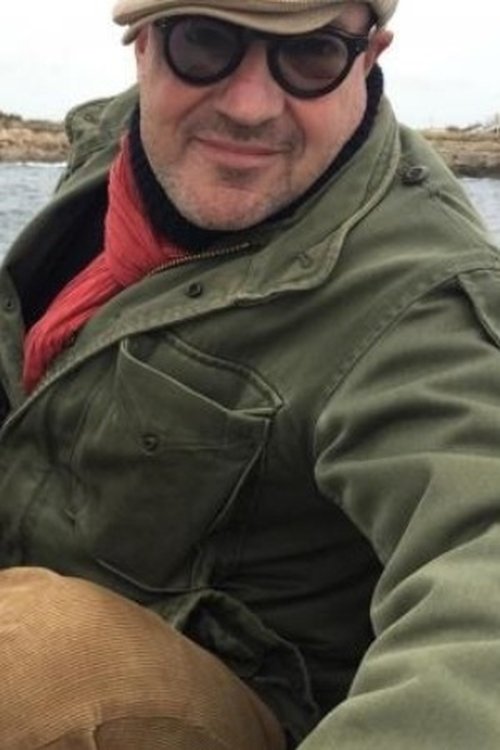
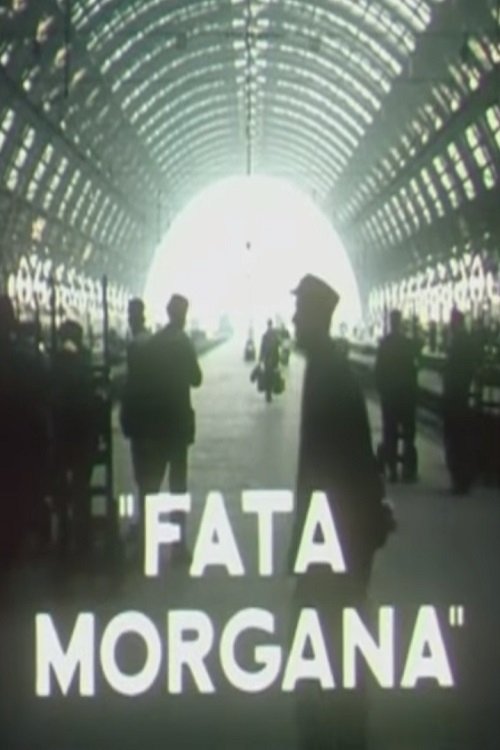
Lino Del Fra (20 June 1927 – 19 July 1997) was an Italian director and screenwriter. Pasqualino Del Fra was born in Rome. He graduated with a degree in philosophy and pedagogy at the faculty of letters of the Capitoline University . In the early 1950s he worked as a film critic in the pages of the newspaper L'Avanti and the magazines Cinema Nuovo and Bianco Nero . He began his career as a documentary filmmaker in the 1960s, taking part in the 1962 collective documentary All'armi, siam fascisti! In 1961, he won the Golden Lion at the Venice International Film Festival for the short film Fata Morgana , which deals with southern Italian emigrants to Northern Italy. He won the Golden Leopard at the Locarno Film Festival for the 1977 film Antonio Gramsci: The Days of Prison , his cinematographic work was marked by the collaboration with his wife Cecilia Mangini,
Known For

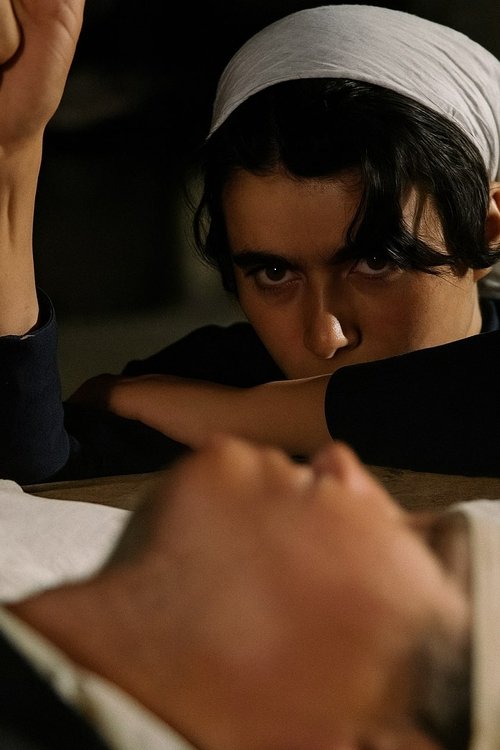
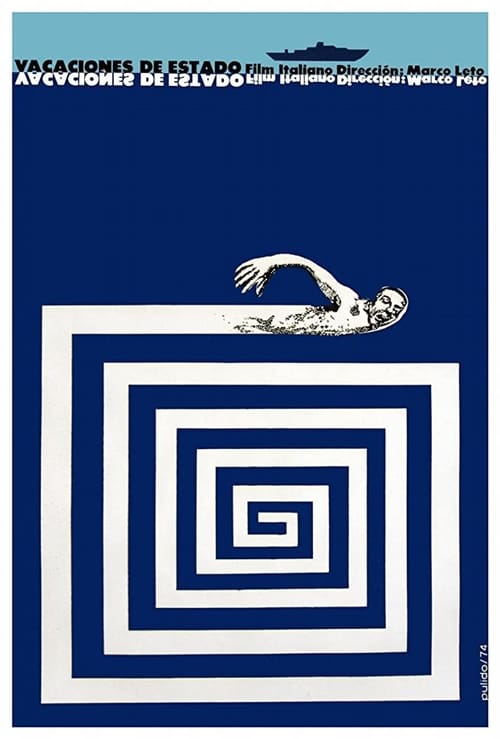
Rossini, history teacher and son of another professor, for his liberal ideas refuses to sign the oath of allegiance to the the fascist regime that Mussolini imposed on the professors university. After a period of imprisonment he is so assigned to confinement on an island. Here the young intellectual finds himself in contact with the composite humanity that populated the places of confinement: militiamen, agents, common and political coercion, villagers. The figure of the director of the colony, the commissioner Rizzuto, stands out among all, who was a pupil of his father, and for whom he continues to have feelings of esteem and devotion.
Holidays

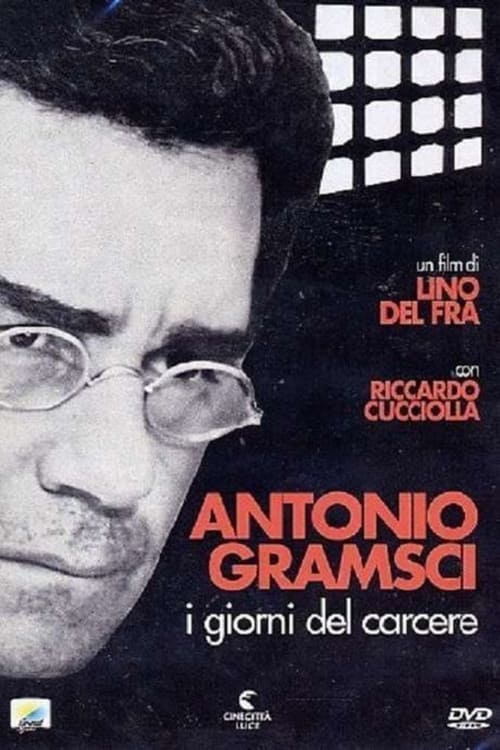
Antonio Gramsci, sentenced to twenty years in prison by the fascist tribunals, relives the stages of his political career and private life.
Antonio Gramsci: The Days of Prison

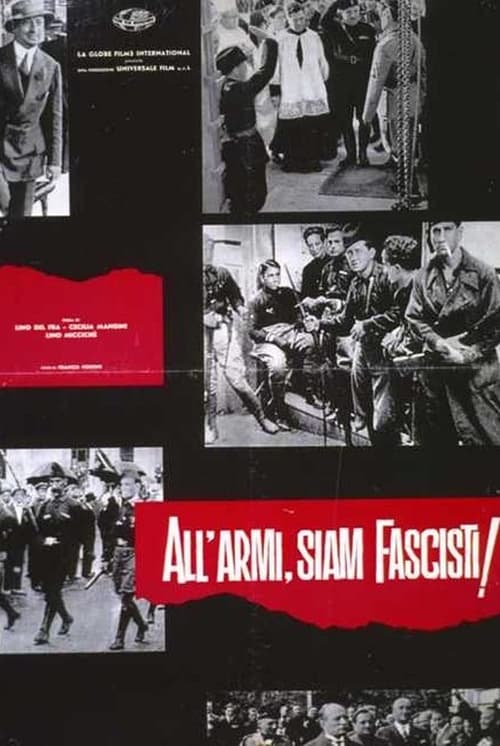
Documentary compiled from archives and accompanied by a poet's commentary, shows the sweep of modern Italian history from 1911 to 1961, centering on the conditions leading to Fascism and the post-WWII reaction to the Fascist experience.
To Arms, We Are Fascists!

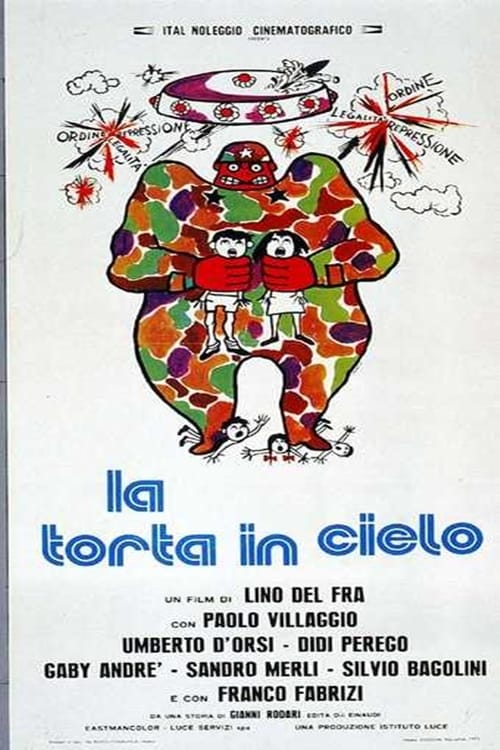
This movie is an adaptation of a book by Rodari, a famous Italian poet and writer of children literature. A group of children in the outskirts of Rome bump into a spaceship that landed nearby. Soon the event draws the attention of the media, the military and rich entrepreneurs. The spaceship is pointed as the evil to fight against by the authorities, and nobody trusts the kids, who on the other hand try to preserve the spaceship (which is actually a harmless space-cake).
Cake in the Sky

Fata Morgana is the train that arrives in Milan coming from the south of Italy. It is the train of the “southern” migrants. They arrive with packages, luggage, wives, children, in the hope of the economic boom. But there is no place for them and the city pushes them to the periphery. Few manage to find work, but new men keep coming every day.
Fata Morgana

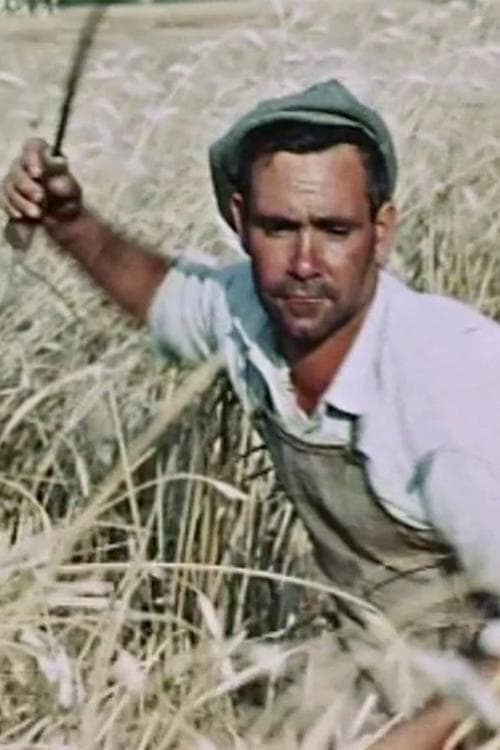
An expressionist and hypnotic vision of a disconcerting rural ritual in Lucania, the symbolic slaughter of a goat, a collaboration between Mangini and her husband and partner Lino Del Fra.
The Wheat Passion

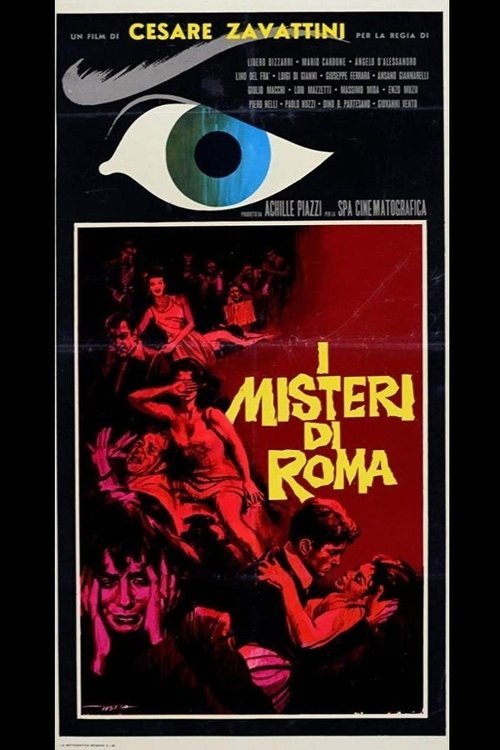
A day in Rome viewed by sixteen different directors under the supervision of the great screenwriter Cesare Zavattini.
I misteri di Roma
No description available.
Dopo l'alluvione
Series inspired by Pier Paolo Pasolini’s Comizi d’amore. This time, Italian people are confronted with though questions about sex before marriage, extramarital affairs and homosexuality.
Comizi d’amore ’80 - episode 2
Twenty years after Pier Paolo Pasolini’s Comizi d’amore, Cecilia Mangini and Lino Del Fra once again investigate what Italians think about sex and gender. They travel through the country and gather opinions and testimonies, resulting in a complex portrait of a society in-between progress and tradition.
Comizi d’amore ’80 - episode 1
The Italian unification, also known as Risorgimento, took place between 1815 and 1870. During this period, caricature was a privileged medium for political commentary. From Napoleon III to Garibaldi, no one escaped the caricaturists, who also resorted to drawing to talk about the new legal system, the emancipation of women or the freedom of the press.
Vecchio regno

A village in Calabria still follows ancient customs in which young women must secretly wait for a log to be dragged to their doorstep in a symbolic declaration of love. Lino Del Fra reflects on how the weight of traditions exercises social control over love and family relationships.
L’inceppata
Third and last episode by Cecilia Mangini and Lino Del Fra in which they investigate what Italians think about sex and gender. Now, the questions focus on the notion of modesty and on the meaning given to the sacrament of marriage.
Comizi d’amore ’80 - episode 3
Humorous observations on the Italian Beat world featuring poet Gianni Milano, Majid Andrea Valcarenghi, and other Italian beatnik.
Come favolosi fuochi d'artificio
Two young militants in love try to link their ideals to their everyday life together. A reflection on the attempt to combine love, intimacy and revolution.